REVIEW · BUSAN
Gyeongju The UNESCO World heritage sites tour(Private tour)
Book on Viator →Operated by Kangsan Travel Service Co.,Ltd · Bookable on Viator
Silla history, neatly packed into one long day. You’ll start in Busan and head to Gyeongju’s UNESCO-listed sights, plus Silla tombs and an ancient observatory, with a guide steering the day.
I love the way the stops connect into one story of the Silla Kingdom—from Seokguram’s Buddha facing the East Sea to the royal burial world at Cheonmachong. I also like the practical comfort stuff: hotel pickup/drop-off, an air-conditioned vehicle, and a guide who answers questions in real English (I’ve heard how guides like Jade Kim, Larry, and Sunshine handle it smoothly).
One heads-up: this is a full-day schedule with moderate walking. If you’re sensitive to pace or legs after a lot of standing, bring comfortable shoes and expect some long transit time due to road traffic.
In This Review
- Key Things You’ll Notice Right Away
- From Busan to Gyeongju: The day-trip rhythm
- Seokguram Grotto: UNESCO calm with an East Sea view
- Bulguksa Temple: Stone pagodas and 8th-century design
- Cheonmachong Tomb and Tumuli Park: Getting close to Silla royalty
- Lunch, gemstone stop, and small extras that matter
- Museum time at Gyeongju National Museum: Silla context without the roof
- Cheomseongdae Observatory: Ancient astronomy that forecast weather
- Price and logistics: What $329 buys you (and what to check)
- Who should book this private Gyeongju UNESCO tour
- Should you book this tour?
- FAQ
- Is this tour private, or will I be mixed with other groups?
- Does the tour include hotel pickup and drop-off in Busan?
- What time does the tour start, and how long does it last?
- Are admission tickets included for the stops?
- What kind of guide do I get?
- Is lunch included in the price?
- Is free cancellation available?
Key Things You’ll Notice Right Away
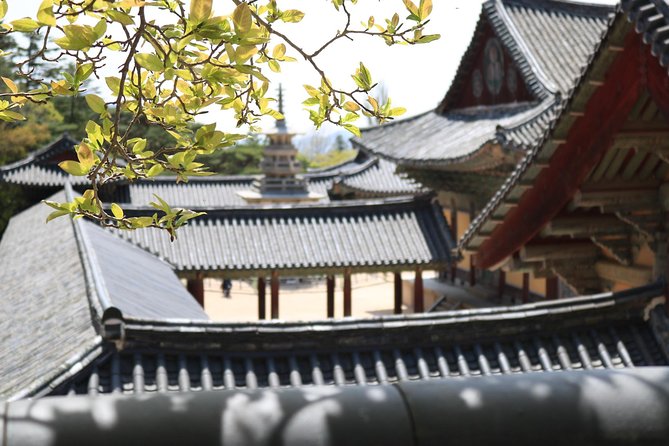
- UNESCO pair first: Seokguram grotto and Bulguksa Temple are treated as the core of the day
- Cheonmachong inside access: you get time at the tomb site area and a small museum setting
- Museum stop that frames the whole Kingdom: Gyeongju National Museum helps you make sense of what you’re seeing
- Cheomseongdae is short but special: a quick climb/visit at the ancient observatory
- Comfort included: WiFi on board, bottled water, and hotel pickup/drop-off reduce stress
From Busan to Gyeongju: The day-trip rhythm
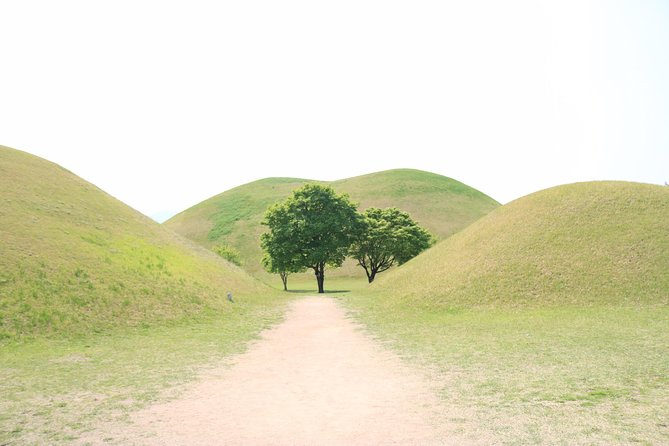
This is built as a one-day “greatest hits” loop—start early, hit the UNESCO sites before the day gets crowded, then add tombs, museum time, and the observatory. The tour runs about 9 hours, starting at 8:00 am, with hotel pickup and drop-off in Busan.
You’ll travel by air-conditioned coach. Expect to spend a chunk of time on the road getting to Gyeongju and back; one benefit of doing it this way is that you don’t have to plan transit or worry about schedules while you’re focused on sites.
Also, you’ll see how much easier it is when the guide handles the flow. One of the best practical advantages of private touring is that you can ask questions, get photo tips, and adjust pacing on the fly—something I really appreciate when you’re trying to absorb details without feeling rushed.
You can also read our reviews of more tours and experiences in Busan.
Seokguram Grotto: UNESCO calm with an East Sea view
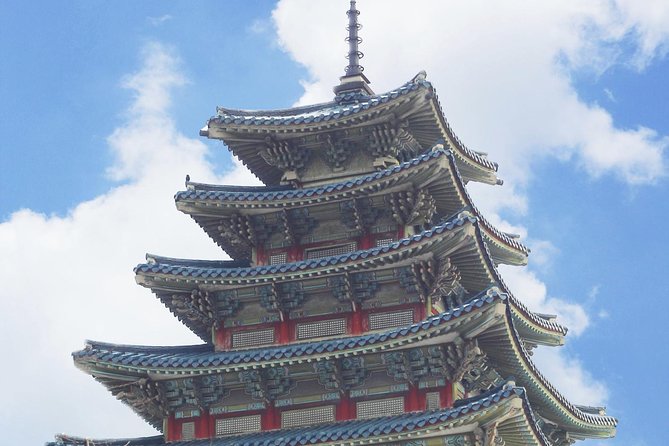
Seokguram is a hermitage tied to Bulguksa Temple, and it’s famous for the way it feels both sculpted and quiet. You’ll visit for about 1 hour, with an admission ticket included.
Here’s what makes Seokguram memorable for most people: the setting. The grotto overlooks the East Sea, and the hermitage houses a Buddha statue facing toward the sea. That orientation matters—this isn’t just a photo stop. It’s a place where you can slow down for a minute and understand why builders cared about light, direction, and where the view would land.
What to watch for:
- Take your time getting your bearings inside the grotto area.
- Plan your photos early, then focus on the statue’s placement rather than only the doorway angles.
Possible drawback: grotto visits can mean a bit of crowding at peak times, and the site is compact. If you hate standing in lines or pushing for angles, arriving early in the day helps.
Bulguksa Temple: Stone pagodas and 8th-century design
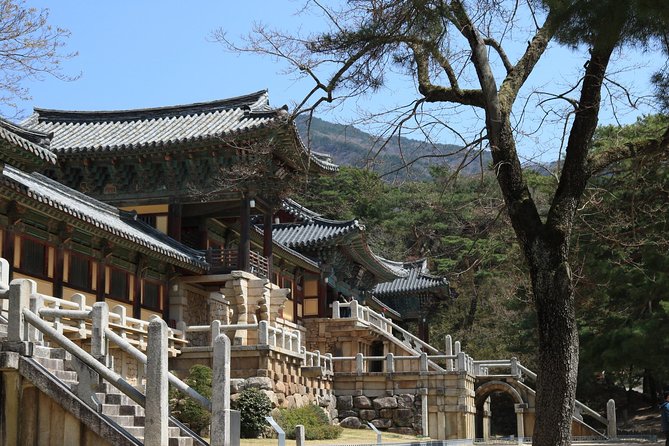
Next comes Bulguksa Temple, one of Korea’s most recognized temple complexes. You’ll have about 1 hour 10 minutes here, and admissions are included.
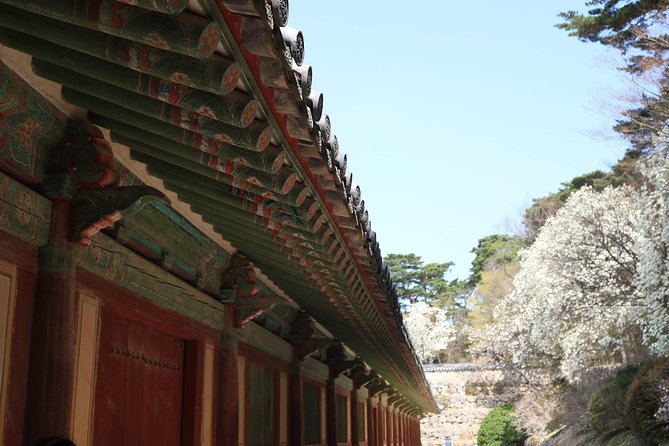
Bulguksa is set on the slope of Mt. Toham and dates to the 8th century. The guide will point out why it’s so revered, including national treasures inside the complex. Even if you don’t read Korean history fluently, you’ll be able to follow what’s important because your guide connects the architecture to the story of the Silla era—stone pagodas, temple layout, and the kind of craftsmanship that made Bulguksa a landmark.
This stop is a great “anchor” for the whole day. Once you understand what Bulguksa is built to do—honor Buddhism, signal power, and reflect refined design—you’ll start noticing more meaning in the tomb sites later.
Practical tip: wear shoes with decent grip. Temple grounds can involve uneven footing and stairs, and you’ll already have the day in your legs.
Cheonmachong Tomb and Tumuli Park: Getting close to Silla royalty
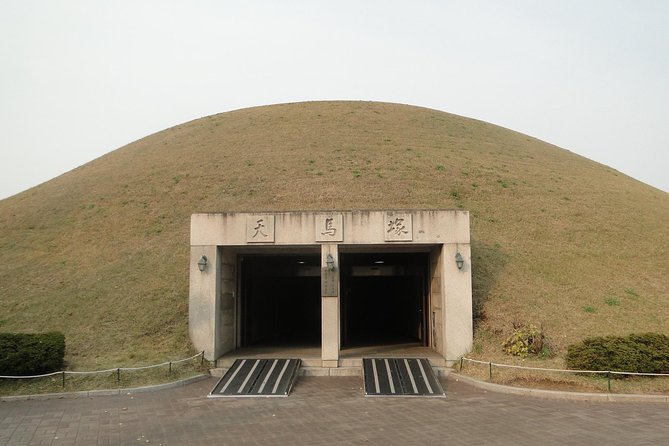
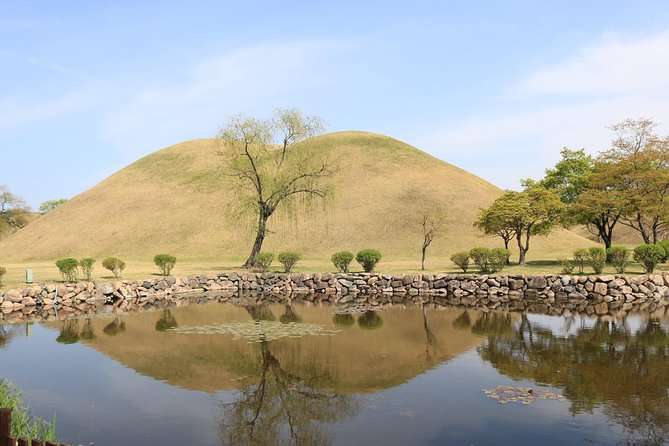
After Bulguksa, you’ll head to Cheonmachong Tomb in the Tumuli Park area. Plan on about 50 minutes.
This is one of the most fun stops because it’s a change of pace from temples. You get peaceful views, photo time, and the chance to get inside the tomb called Cheonmachong. There’s also a small museum setting on-site that helps you interpret what you’re looking at.
Cheonmachong also comes with a strong identity: it’s often linked to royal burial context, and it’s known as Heaveny Horse Tomb (Cheonmachong). Even if you only catch the key points from the guide, the tomb visit makes the Silla story feel more human—less abstract than a name on a sign.
What I’d watch for:
- Use your time inside efficiently. The best photos and the best understanding happen when you don’t rush.
- If you’re traveling with anyone who likes history but hates museums, this stop often wins them over because it’s direct and hands-on.
One consideration: you’ll be outdoors for part of this. If weather is extreme, you might feel it more here than in the museum.
Lunch, gemstone stop, and small extras that matter
Your day includes lunch at a local restaurant stop. The tour description says lunch is part of the day, but the inclusions list says lunch isn’t necessarily included unless specified. So if food matters to your budget, confirm at booking whether the lunch meal itself is covered or if you’ll pay directly at the restaurant.
There’s also a quick stop at an amethyst factory. This is less about UNESCO and more about Korean craft and collectible gemstones. If you like seeing how something is produced or sold locally, it can be a nice break from temples and tombs. If you prefer pure site time, treat it as a short pause and don’t overthink it.
A small but real value-add: bottled water and WiFi are included on board. That helps a lot on long travel days, especially if you’re trying to plan photos or navigate your day without burning your phone battery.
Museum time at Gyeongju National Museum: Silla context without the roof
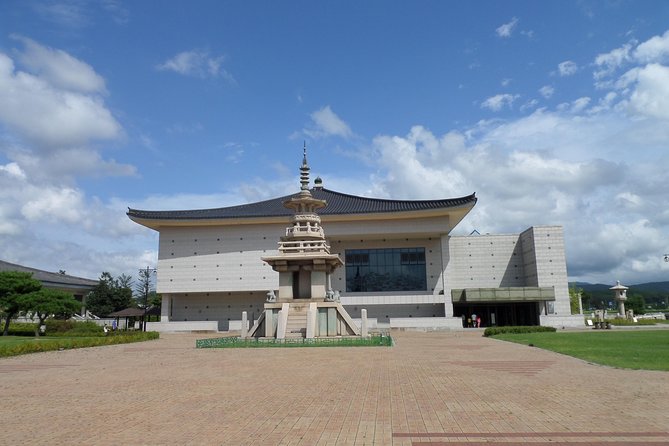
Next up is Gyeongju National Museum, with about 1 hour 30 minutes on the clock, and admission included.
This museum is known for being a big one without a roof, and the overall idea is simple: it helps you connect what you’ve just seen (temples and tombs) to the bigger Silla Kingdom picture. The exhibits include archaeological and historical artifacts from the Silla period.
What makes the museum stop valuable for you is how it turns visuals into understanding. Without this, Seokguram and Bulguksa can feel like impressive structures. With the museum framing, you start seeing the deeper point: why Silla culture produced the art, objects, and burial practices you encountered earlier.
How to use your time well:
- Pick a few themes and follow them rather than trying to read everything.
- If your guide shares a couple of key artifacts to watch for, follow that route first—your brain will thank you later.
Cheomseongdae Observatory: Ancient astronomy that forecast weather
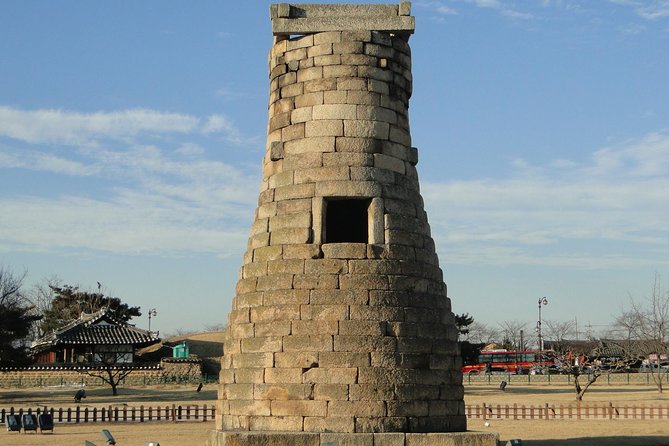
Your final major stop is Cheomseongdae Observatory for about 10 minutes.
Cheomseongdae is tied to ancient science from the Silla Dynasty. The big idea is that studies of constellations were used to forecast weather. That’s a wild concept if you’re used to modern met offices and phone alerts, and it’s also a smart reminder that science and culture weren’t separate in ancient Korea.
The short timing here is intentional. It keeps you from wasting the day on just one location. If you want more time, you may need a separate visit—but within this day-trip format, Cheomseongdae is the right final punctuation mark.
Best mindset: treat this as a quick history wink—enough to understand the purpose, then head back to Busan with your head full of connections.
Price and logistics: What $329 buys you (and what to check)
At $329 per person, this isn’t a cheap outing. But the value comes from what’s packed into that price:
- Private tour structure (only your group participates)
- Hotel pickup and drop-off in Busan
- Professional English-speaking guide
- Air-conditioned vehicle
- Admission tickets included for each listed main stop
- WiFi on board and bottled water
For many people, the biggest value isn’t just comfort. It’s the fact that you’re paying for coordination: tickets handled, travel managed, and context delivered by a guide. When you’re trying to see UNESCO sites like Seokguram and Bulguksa in one day, DIY often turns into half the day commuting and scanning maps. Here, the day stays focused on the sites.
Two things to check before you book:
- Lunch: the tour description suggests a lunch stop, but the inclusions list doesn’t clearly confirm lunch cost. Verify what’s covered for your departure.
- Timing: the day is built around early start and multiple stops. If you’re juggling jet lag or a tight energy budget, plan for a quieter evening after returning to Busan.
Who should book this private Gyeongju UNESCO tour
This tour fits best if you:
- Want a focused overview of the UNESCO world heritage sites tied to Silla Buddhism and Silla culture
- Like guided context more than reading guidebooks alone
- Prefer a private day trip where you can ask questions and get photo help
- Are okay with moderate walking and a full day away from Busan
It might feel like too much if you:
- Want a super slow pace or tons of free time at each location
- Don’t like structured schedules and prefer to wander independently
- Have mobility limits that make temple steps and uneven ground hard
Should you book this tour?
If your goal is to see Seokguram, Bulguksa, Cheonmachong, the Gyeongju National Museum, and Cheomseongdae in one organized day—this is a strong pick. The private format, English guide, included admissions, and hotel pickup/drop-off make it feel like less of a hassle than planning these stops separately.
Book it if you enjoy history that connects across sites. Skip it only if you know you’ll struggle with a tight schedule and moderate walking. If you’re the type who likes to come home with real context—not just photos—this day trip from Busan is exactly the kind of trip that pays off.
FAQ
Is this tour private, or will I be mixed with other groups?
It’s listed as a private tour/activity, so only your group will participate.
Does the tour include hotel pickup and drop-off in Busan?
Yes. Hotel pickup and drop-off are included, and the tour starts with pickup in Busan.
What time does the tour start, and how long does it last?
The start time is 8:00 am, and the duration is about 9 hours.
Are admission tickets included for the stops?
Yes. The itinerary shows admission ticket included for Seokguram, Bulguksa Temple, Cheonmachong Tomb, Gyeongju National Museum, and Cheomseongdae Observatory.
What kind of guide do I get?
You’ll have a professional English-speaking guide.
Is lunch included in the price?
The tour description says you’ll enjoy Korean lunch at a local restaurant, but the inclusions list says lunch isn’t included unless specified. It’s worth confirming what your booking includes.
Is free cancellation available?
Yes. You can cancel for a full refund up to 24 hours in advance of the experience’s start time.