REVIEW · LONDON
London Past & Present Backstreet Historical Tour
Book on Viator →Bookable on Viator
London history is best when it’s walked. This backstreet route links 2000 years of change to real streets, markets, and river views, with a guide who keeps the story moving and answers your questions along the way.
I especially like how the tour sets up the lay of the land near St. Paul’s, so the later stops make more sense instead of feeling like separate tourist pinpoints. And I like that it leans into everyday London—markets and bridges—so you’re not just looking at plaques. One possible drawback: it’s a walking tour, and the time at each stop is short, so you’ll want to choose this if you’re happy moving at a steady pace.
In This Review
- Key Highlights You’ll Feel Right Away
- London Past & Present: Why This Walk Works
- Meeting Point at Cheapside: The Start That Sets the Tone
- St. Paul’s Area to Shakespeare’s Globe: A 2,000-Year Head Start
- Borough Market: Food, Footsteps, and London’s Daily Life
- Leadenhall Market and London’s Film-Famous Edges
- London Bridge and the Great Fire Story You Can Walk
- Tower Bridge and Tower of London Views: The Finale That Feels Like Payoff
- The Guide Experience: Why Chris Gets Mentioned So Often
- Price and Value: Is $94.61 Worth It?
- What to Expect on the Ground (and How to Prepare)
- Who This Tour Fits Best
- Should You Book This Past & Present Backstreet Tour?
- FAQ
- How long is the London Past & Present Backstreet Historical Tour?
- How big is the group?
- What language is the tour offered in?
- Where do I start and where does it end?
- What’s included in the price?
- Are there admission tickets needed at the stops?
- Can I cancel and get a refund?
Key Highlights You’ll Feel Right Away
- Small group size (max 12) keeps the guide’s attention on your questions
- Backstreet pacing connects major landmarks to ordinary streets you’d miss solo
- Market time at Borough Market and Leadenhall Market adds a very human London break
- River crossings storytelling turns London Bridge and the Great Fire era into a walkable timeline
- Tower Bridge and Tower of London viewpoints land near the end for big finale energy
London Past & Present: Why This Walk Works
London can feel like a bunch of famous dots on a map. This tour turns those dots into a story line you can actually follow on foot. You start with orientation near St. Paul’s, then move into neighborhoods and landmarks that explain how the city shifted over centuries.
What I like most is the way the route feels designed for understanding. You’re not only seeing famous sights—you’re learning how London thinks in layers. That matters, because when you know where the old pieces fit, every later photo and street corner becomes more meaningful.
The guide’s role is also a big part of the value. A strong guide doesn’t just recite dates; they explain the why behind the surprises. In the reviews, Chris (the guide name mentioned) gets singled out for that practical, personable way of guiding—plus he shared restaurant and activity suggestions, which can save you time once the tour ends.
You can also read our reviews of more historical tours in London



Meeting Point at Cheapside: The Start That Sets the Tone
You meet at 1 Cheapside, London EC2V 6AA, and the walk finishes by Tower Hill near the Tower of London and Tower Hill Station. This is a smart start point because Cheapside sits in an area that’s easy to reach by public transport, and it’s close enough to central sights that you’re not spending half your tour just getting oriented.
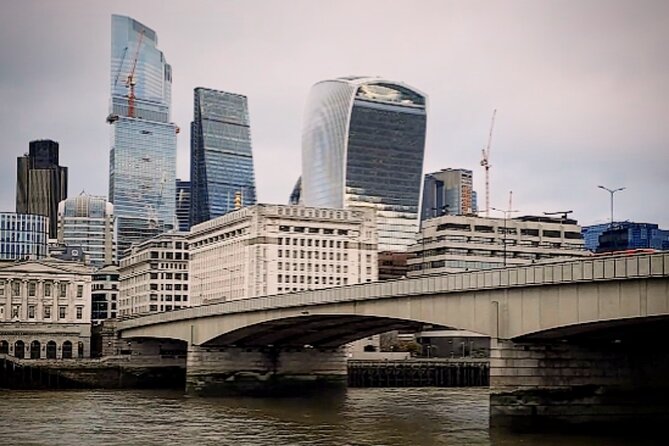
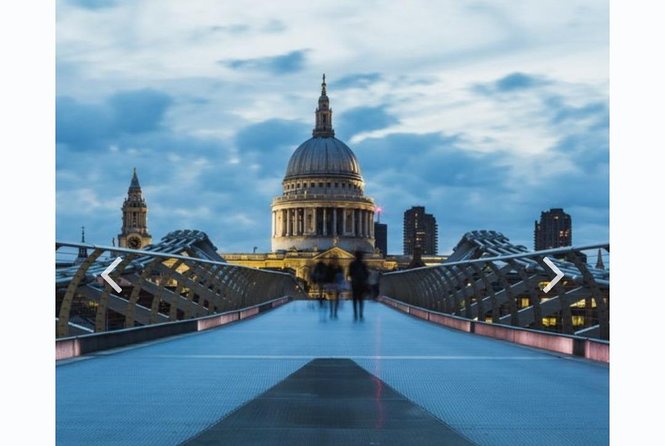
From there, the tour builds toward a bigger “map in your head.” There’s a moment described as getting a great view of the city from the St. Paul’s area—more than a photo stop. It’s the kind of orientation that helps you understand why London’s river crossings, markets, and fortifications matter.
Expect a “move-and-learn” style. The stops include quick segments (often around 10 minutes) and a bit more time at market areas. If you hate rushing, this might feel brisk. But if you like getting your bearings fast and then exploring on your own, it’s a good match.
St. Paul’s Area to Shakespeare’s Globe: A 2,000-Year Head Start
One of the tour’s first strengths is that early lay-of-the-land moment. It’s not just sightseeing; it’s a mental framework. When you see how the city spreads out, later landmarks stop feeling random and start feeling connected.
Then you head to Shakespeare’s Globe Theatre area. The tour focuses on the site of the original Globe, and you also walk past the newer Globe. That combo is useful. The original site gives you the historical anchor, and the modern theatre makes it feel current—like you’re walking beside both the memory and the present-day version of the same place.
The notes also indicate the Shakespeare’s Globe site visit is ticket-free. That’s practical because it keeps you moving without turning the tour into a queue-and-ticket marathon. You still get the storytelling value, even without paying for an attraction ticket.
Borough Market: Food, Footsteps, and London’s Daily Life
Next up is Borough Market, described as the oldest market in London. This is where the tour shifts from “famous sites” to “how London works.” Markets are a shortcut to character: you see what locals care about, what’s seasonal, and what has survived.
You get about 20 minutes here, which is enough time to do two things: listen to the guide’s context and then glance around with your own eyes. If you’re a food traveler, this is a great moment to spot ingredients and stalls you can come back to later. If you’re not a foodie, you’ll still enjoy the atmosphere because markets pull London into focus in a way museums can’t.
The information provided also flags Borough Market as admission free. That’s another value point, because you’re investing in the guide and the walking route, not in extra paid entries. If your goal is “best London per hour,” this stop helps deliver it.
Leadenhall Market and London’s Film-Famous Edges
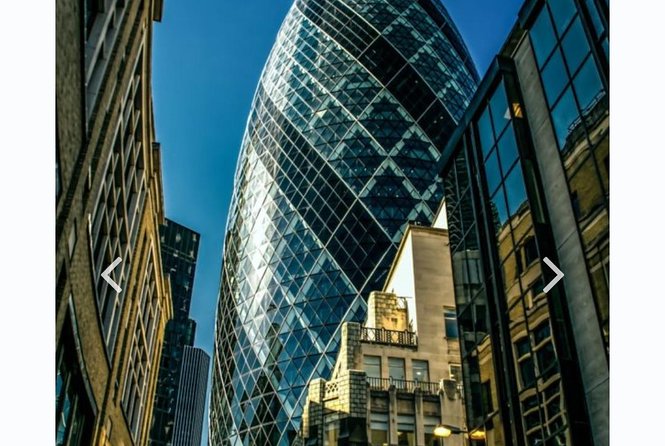
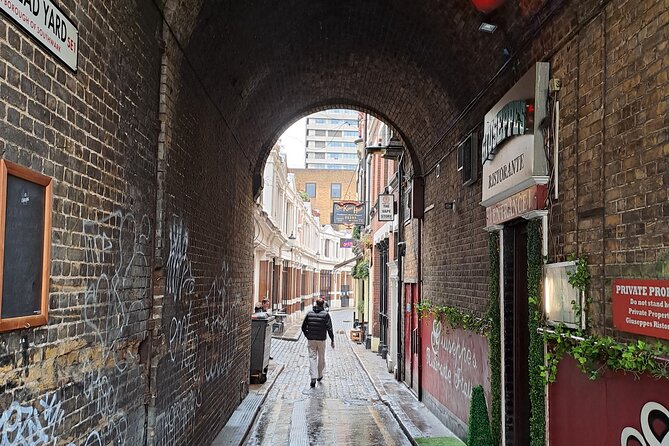
A standout in the itinerary is Leadenhall Market—introduced as a less obvious stop with old-styled looks and ties to Harry Potter filming. That’s a fun hook, but the real win is that it’s a change of pace from the major landmarks. Markets and covered passages often feel different from open streets, and this one gives you that tucked-away London feeling.
The tour frames Leadenhall Market as a place where you can connect film-era recognition to older architecture. Even if you’re not chasing filming locations, the vibe is still worth your time: it’s a short detour that adds texture and variety to the route.
This is also one of those moments where a guide helps you look. Alone, you might walk through without noticing what makes it distinctive. With narration, the same few minutes feel more purposeful.




London Bridge and the Great Fire Story You Can Walk
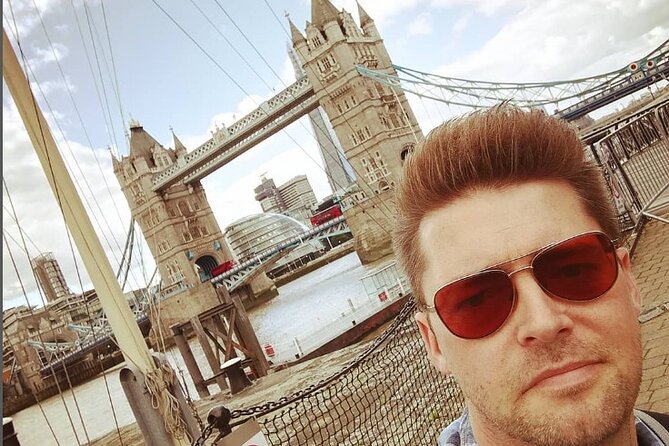
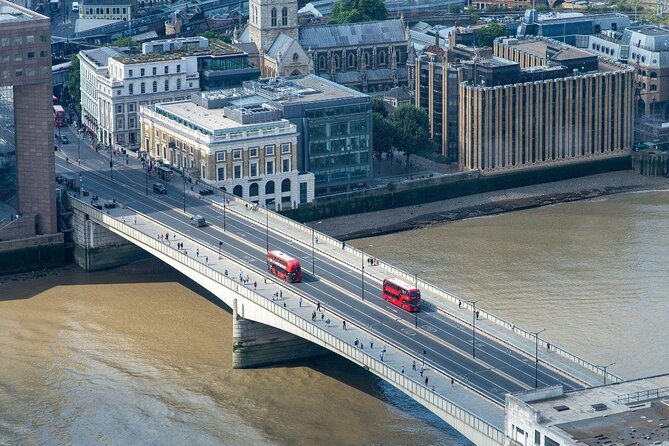
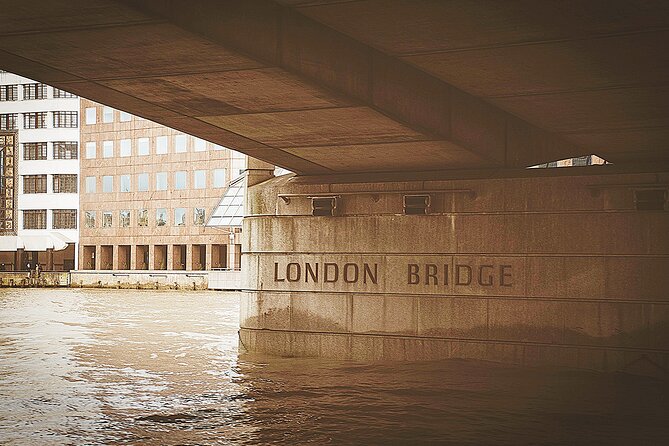
Then the tour reaches London Bridge, with a focus on its historic past and the “crazy” layers that built up around it. A bridge sounds simple, but London’s bridges are where the city’s decisions show up in physical form—trade, crossings, defense, and movement.
The route notes around London Bridge include a story of the Great Fire of London. That’s where the “past and present” theme becomes practical. If you understand where fire changed building patterns, city planning, and neighborhoods, you start seeing why certain areas look the way they do today.
You’ll spend about 10 minutes at this bridge segment. That’s short, but the point isn’t to study history like a textbook. It’s to get the key storyline, then use it as a lens while you look around. If you want more time later, you’ll know exactly what to search for when you revisit independently.
Tower Bridge and Tower of London Views: The Finale That Feels Like Payoff
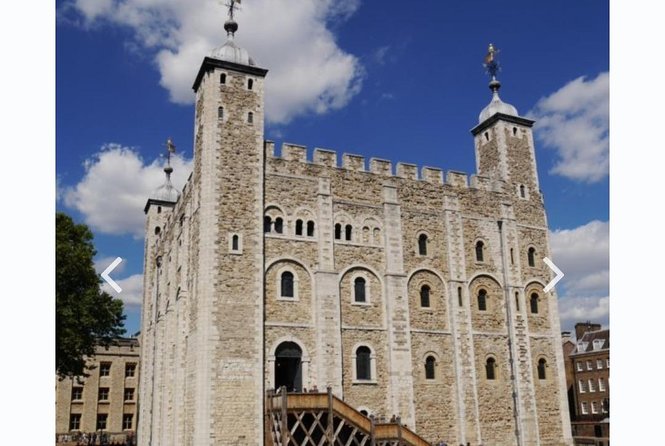
After London Bridge, the walk pivots toward Tower Bridge and Tower of London for big views. This is a strong finish logic. Earlier stops explain the city’s movement and key turning points; the end brings you to the river’s dramatic frame and one of London’s most recognizable fortress icons.
The itinerary also describes a short walk toward London Bridge, Brick Lane, and Whitechapel after seeing the Tower area viewpoints. That late-stage wandering is useful because it gives you options. You’re not dropped into a dead-end after the tour—you’re set near neighborhoods that many people want to explore next.
One more subtle value: the ending drop-off by Tower Hill near Tower Hill Station makes it easier to keep your day going. You can head out for dinner, hop on another transit connection, or continue walking without fighting logistics.
The Guide Experience: Why Chris Gets Mentioned So Often
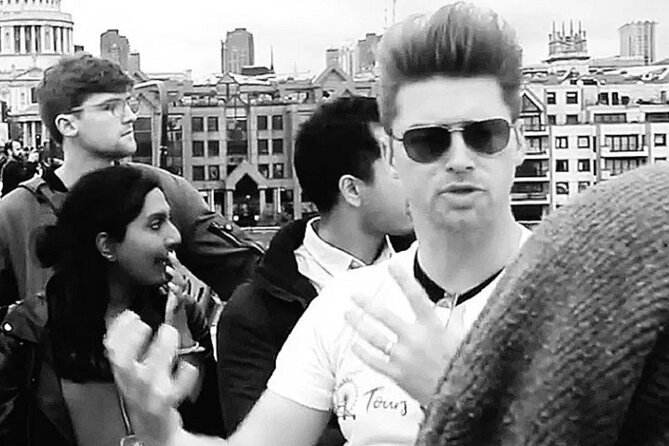
The reviews emphasize one main thing: Chris runs a tour that feels personal and high-effort. That matters because in a short walking tour, the guide has to do the heavy lifting. If they’re just reading facts, the experience can feel thin. But when they’re linking the sites into a narrative, you leave with a mental map.
Chris also appears to shine at practical advice. People mention he offered restaurant suggestions and other activities. That’s the kind of help that turns a guided walk into a smart start to the rest of your London day.
There’s another detail worth noting: one review brings up a Roman wall being fascinating during the walk. You shouldn’t assume every Roman mention happens on every run, but it tells you something about the guiding style—attention to “how layers show up in unexpected places.”
Price and Value: Is $94.61 Worth It?
At $94.61 per person, you’re paying for more than a stroll. Many stops are marked as ticket-free (Shakespeare’s Globe site area and Borough Market), so the cost isn’t about admission fees. You’re paying primarily for guided narration, a planned route, and the time-saving factor of not having to figure out the connections yourself.
For a tour that’s about 1 to 2 hours, the value is best if you want:
- a structured timeline across multiple neighborhoods
- quick context you can’t easily piece together alone
- a small group pace (max 12) where questions actually get answered
If your travel style is “I only want to pay for museum entrances,” then this price can feel steep. But if you’re the type who likes understanding what you’re looking at, the guide component is exactly what makes the route worth it.
A practical tip: because the tour’s average booking is around 20 days in advance, it can fill up. If your dates are fixed, booking ahead is smart so you don’t end up scrambling for the nearest alternative.
What to Expect on the Ground (and How to Prepare)
This is a walking tour with short segments between stops. That means you should plan like it’s city feet time, not a sit-down experience. Wear comfortable shoes and keep an eye on weather; you’ll be outside moving between the guide’s story beats.
The duration being about 1 to 2 hours also changes how you should pace your day. I’d keep this earlier in your schedule or place it between other flexible activities. That way you can use what you learn to guide your later exploration—especially around the river and the neighborhoods near the end.
Language is listed as English, and you’ll have a mobile ticket. That’s convenient for quick check-in and means you’re not juggling paper. Service animals are allowed, and it’s noted as near public transportation, so you’re not stuck in a hard-to-reach corner.
Who This Tour Fits Best
This works especially well if you’re:
- a history fan who likes story-driven walking instead of museum marathons
- the type who wants London to feel connected, not compartmentalized
- short on time but still want key sights like the Tower of London and the St. Paul’s area represented in the narrative
It’s also a good choice if you prefer small-group experiences. With a maximum of 12 travelers, you’re less likely to feel lost in the crowd, and the guide can keep the pace more conversational.
If you’re traveling with little kids or someone who can’t handle steady walking, you may find the short stops helpful, but the moving time is still real. In that case, consider whether your group’s comfort level matches a city walking loop.
Should You Book This Past & Present Backstreet Tour?
I think you should book it if your goal is understanding London fast—through bridges, markets, and the kind of street-level details that stick. The route makes sense from start to finish, and the guide focus (with Chris repeatedly highlighted) is the reason this tour gets strong marks.
Skip it only if you want a long sit-down attraction day, or if you dislike walking between multiple stops in a short window. For many first-time visitors—and for repeat visitors who want a better mental map of the city—this is a smart buy.
FAQ
How long is the London Past & Present Backstreet Historical Tour?
It’s listed as approximately 1 to 2 hours.
How big is the group?
The tour has a maximum of 12 travelers.
What language is the tour offered in?
It’s offered in English.
Where do I start and where does it end?
It starts at 1 Cheapside, London EC2V 6AA, UK and ends by Tower Hill, London EC3N, UK, near the Tower of London next to Tower Hill Station.
What’s included in the price?
The tour guide is included.
Are there admission tickets needed at the stops?
The tour notes mark admission ticket-free time at Shakespeare’s Globe Theatre and Borough Market.
Can I cancel and get a refund?
Yes. You can cancel up to 24 hours in advance for a full refund.