REVIEW · KOCHI
Heritage & Cultural Walk of Kochi (2 Hours Guided Walking Tour)
Book on Viator →Operated by Yo Tours · Bookable on Viator
Old Kochi works best on foot.
This 2-hour heritage walk is built around storytelling—your English/Hindi guide mixes history, odd facts, and some cheeky commentary as you move through Fort Kochi’s older streets and quiet corners. I love how the pace stays relaxed while still giving you real context, not just names and dates.
I also like that you’re not stuck at only the big-postcard spots. You’ll get access to hidden lanes and the kind of local recommendations that help you plan what to do after the tour—plus tips for saving money and getting your bearings fast in the city’s old-town area.
One thing to keep in mind: this is a walk, and it depends on good weather. If skies turn bad, the tour can be rescheduled or refunded, so it pays to have some flexibility.
In This Review
- Key highlights you’ll feel on this walk
- Getting your bearings in Fort Kochi’s older streets
- Meeting at Santa Cruz Cathedral Basilica: Gothic lines with Indo-European mix
- The first public clock of Kochi and the Mewar connection
- Indo-Portuguese Museum: Portugal’s footprint you can actually see
- Dutch Cemetery / Gan Shalom: quiet gravestones, big historical meaning
- Bastion Bungalow: Dutch-Portuguese colonial architecture in a preserved shell
- Finishing at St. Francis Church: what the guide tells you next matters
- Price and value: what $12.44 buys you (and what it doesn’t)
- What to bring and how to make the walk feel easy
- Who this tour suits best
- Should you book the Heritage & Cultural Walk of Kochi?
- FAQ
- How long is the Heritage & Cultural Walk of Kochi?
- How much does the tour cost?
- Where do I meet the guide and where does the tour end?
- What’s included in the tour price?
- Are entrance tickets included for the stops?
- Is bottled water or snacks provided?
- What group size should I expect?
- What happens if the weather is poor?
- Is it a mobile ticket tour?
Key highlights you’ll feel on this walk
- Guided by a storyteller who speaks English and Hindi, with a playful, anecdote-driven style
- Old-town access to side lanes and lesser-seen nooks, not just the main viewpoints
- Fort Kochi landmarks in a tight loop, covering colonial layers from Portuguese and Dutch influence onward
- A clear payoff for planning: insider tips for money-saving and what to explore next
- Small group size (up to 15), which keeps questions easy and the pace human
Getting your bearings in Fort Kochi’s older streets
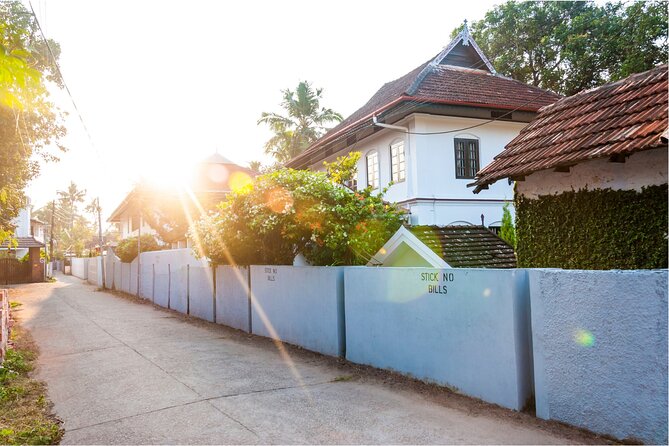
If Kochi feels like too much at first—too many streets, too many signs, too many layers—this is a smart way to reset. The whole tour is designed like an infotainment walk: you’re moving every 20 minutes or so, and at each stop your guide ties the place to a bigger story about the city and its people.
What you’ll enjoy most is the tone. The guide doesn’t sound like a lecture hall. Expect humor, odd details, and a lot of small observations that make the places easier to remember. There’s also a bit of irreverence in the way the tour talks about royals and celebrities past and present, so if you want a strictly formal history tour, this may not match your style.
Practically, the route is straightforward: you’ll start at the Santa Cruz Cathedral Basilica area and finish at St. Francis CSI Church near the Head Post Office. Along the way, the guide helps you read what you’re seeing—architecture, religious spaces, and colonial-era remnants—so you walk away with a mental map of Fort Kochi and the connections between the sites.
One more practical note: there’s no hotel pickup/drop. You’ll want to show up on time at the meeting point and bring your own water.
You can also read our reviews of more walking tours in Kochi



Meeting at Santa Cruz Cathedral Basilica: Gothic lines with Indo-European mix
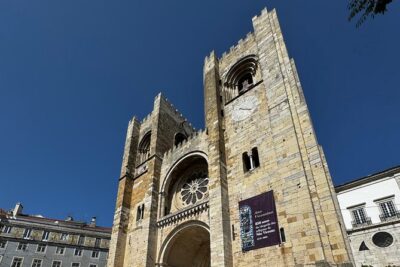
You begin near the Santa Cruz Cathedral Basilica in Fort Kochi. This is a strong opener because the church’s look already tells a story: it’s described as a blend of Gothic and Indo-European architecture, with interiors known for frescoes and stained glass.
Even if you only catch a portion of the building during your stop, it helps to know what you’re looking for. Gothic architecture often shows up through shapes and vertical emphasis—while the Indo-European side hints at local adaptation rather than a copy-paste import. Then the interiors—frescoes and stained glass—add color and religious storytelling in a way that’s hard to replicate outside of a proper church setting.
Drawback to factor in: the stop’s admission ticket is not included. So if entry costs apply during your visit, you’ll want a little spare cash or plan for payment on-site. The upside is that it’s a memorable anchor point for the walk.
The first public clock of Kochi and the Mewar connection

After you get oriented, you’ll move into an older narrative thread: the city’s first public clock, built as a souvenir to the royal family of Mewar. That kind of detail may sound small, but it’s exactly the sort of thing that makes a walking tour worth it.
Why? Because it reframes a city landmark as something tied to real relationships and status. A public clock isn’t just timekeeping—it’s visibility, authority, and the idea that a ruler’s presence (or goodwill) should be seen in everyday life.
This is the tour’s “wait, what?” stop. It works well for first-timers because it gives you a hook you can carry to the other colonial and religious sites. Admission here is listed as free, which is always a bonus.
Tip: look for how your guide points out the clock’s significance, not just where it sits. The value is in the interpretation—how it connects Kochi to broader regional stories.
Indo-Portuguese Museum: Portugal’s footprint you can actually see
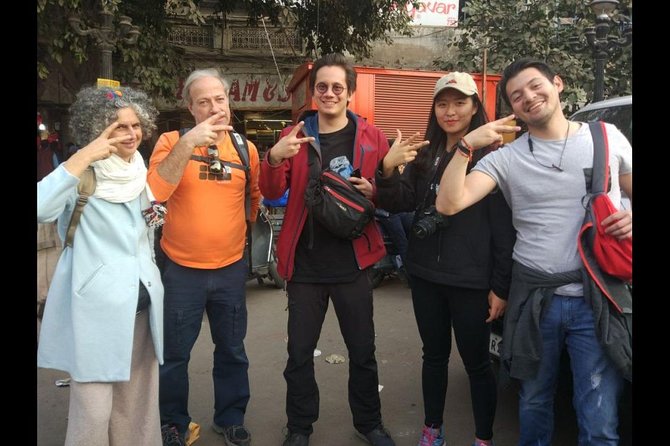
Next comes the Indo-Portuguese Museum, housed in a 16th-century structure. The museum’s theme is right in the name: it highlights historical relations between India and Portugal, and it’s built around artifacts and displays that show that contact wasn’t one-sided or temporary.
If you’re the type who likes museum context but doesn’t want to spend half a day inside, this tour stop makes sense. Your guide can help you connect what the museum shows to what you’ll see later in the walk—colonial influence, architectural borrowing, and cultural contact over time.
Just know the tradeoff: museum admission is not included. So the “good value” side of this tour depends partly on how quickly you’re willing to pay entrance fees at a couple of stops. Personally, I think it’s worth it for the 16th-century setting alone, but you’ll decide based on your comfort with paid entries.
The practical benefit: you’ll come out with a sharper sense of why Fort Kochi’s buildings and institutions look the way they do. Without that, these places can feel like a collection of separate sights. With it, they feel connected.
Dutch Cemetery / Gan Shalom: quiet gravestones, big historical meaning
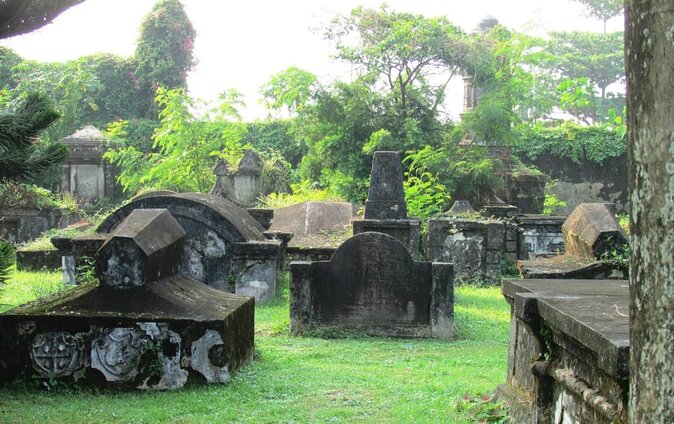
Then you’ll reach the Dutch Cemetery, also known as the Jewish Cemetery or Gan Shalom. This part of Kochi’s story is tied to the Paradesi Synagogue, and it was originally described as one of the city’s principal cemetery for Jews.
This stop has a different energy. Cemeteries aren’t meant for cheering. You’ll likely get a reflective feel as the guide explains what the site meant historically—who used it, how it connected to community life, and why it survives in the streetscape.
Why it matters on a walking tour: it gives you an extra religious and cultural layer beyond churches and colonial museums. Kochi wasn’t only shaped by European trading contacts; it was also a place where different communities lived side by side for generations.
Drawback to plan for: admission here is not included. If you’re short on time or money, this is one of the places you might hesitate on. But if you want a fuller picture of how Kochi’s communities evolved, it’s one of the more meaningful stops.
You can also read our reviews of more guided tours in Kochi

Bastion Bungalow: Dutch-Portuguese colonial architecture in a preserved shell
Next up is Bastion Bungalow, described as a preserved colonial-era building blending Dutch and Portuguese architectural influences. For me, this stop is where the walking tour stops being “interesting facts” and starts becoming “oh, this is why the street looks the way it does.”
When buildings carry multiple European influences, you can often spot it in the details: how the structure sits, how openings and facades behave, and how the shape language differs from pure Dutch or pure Portuguese styles. Even if you don’t know architecture terms, the guide can translate what you’re seeing into an easier story.
This is also a good breather stop—20 minutes where you can slow down, look, and let the colonial themes from the museum and earlier stops click together.
Again, admission is not included for this stop. If you’re budgeting tightly, consider whether you want to pay at every paid site. The walking part still gives value, but the full experience does lean on these entrances.
Finishing at St. Francis Church: what the guide tells you next matters
The tour wraps with an orientation moment at the end point near St. Francis CSI Church, opposite the Head Post Office area. By then, the guide’s goal is to give you a sharper view of Kochi—its culture and nightlife—and to share insider tips and tricks to explore more while spending less.
This is where guided walks often either pay off or don’t. Here, the payoff is practical: after learning the stories behind Fort Kochi’s architecture and institutions, you’ll be better equipped to choose what to do next. You’ll understand which sights are worth a second visit, what to skip, and where your time is likely to go the farthest.
If you’re traveling with limited days, that advice can be worth almost as much as the walking itself. You’re not just consuming history—you’re turning it into a plan.
One listed detail: the final tour stop is described as having free admission.
Price and value: what $12.44 buys you (and what it doesn’t)

At $12.44 per person for about two hours, the price is low enough that you should focus on value beyond the walk length. What you’re paying for is the guide/storyteller, the local recommendations, and the access element—getting to side lanes and lesser-seen spots.
You also benefit from a smaller group size (up to 15), which keeps the tour from turning into a slow shuffle behind a loud megaphone. The included language support (English and Hindi) matters too, because it’s easier to ask questions and get real answers.
What’s not included is important:
- No bottled water or snacks
- Several major stops list admission tickets not included (Santa Cruz Cathedral Basilica, Indo-Portuguese Museum, Dutch Cemetery, Bastion Bungalow)
So I’d treat this as a budget-friendly guided intro that expects you to handle a couple of on-site entries. If you already plan to visit these places anyway, you’re likely getting a bargain. If you only want free sights, you may find the paid entries cut into the value.
What to bring and how to make the walk feel easy
Because this is a guided walking loop through older streets, comfort matters. You’ll be standing and walking between stops, and the total time is about two hours.
I’d come prepared with:
- Comfortable shoes (old lanes can feel uneven)
- Your mobile ticket ready on your phone
- Your own water, since it isn’t provided
- A little cash/card for on-site admissions at the stops listed as not included
- Light layers, since weather can change quickly around coastal regions
Also, since the experience requires good weather, I’d plan around it. If you’re in Kochi for a short window, schedule this on a day you can keep flexible.
Who this tour suits best
This one fits best if you’re:
- New to Fort Kochi and want a fast way to understand the city’s layered look
- Interested in colonial-era connections (Portuguese and Dutch influences are part of the story)
- Curious about religious and community history beyond the usual “big church photo” routine
- The type who enjoys anecdotes—odd facts, humor, and a guide who talks like a storyteller rather than a textbook
It’s less ideal if you want:
- A quiet, strictly academic tour
- Zero-paid-entries sightseeing
- A guaranteed schedule that never changes with weather
Should you book the Heritage & Cultural Walk of Kochi?
I’d book it if you want a low-cost, high-story introduction to Fort Kochi with enough structure to keep you from wandering aimlessly. The combination of guide-led context, access to side lanes, and practical planning tips is exactly what I look for in a first walking tour.
I’d think twice only if you hate paid admissions at multiple stops or you can’t handle weather changes. Also, because this is a meeting-point tour, show up on time at the listed start location and double-check you have the mobile ticket ready.
If you do book it, you’ll leave with a better map of Fort Kochi in your head—and a clearer sense of where to go next.
FAQ
How long is the Heritage & Cultural Walk of Kochi?
The tour is approximately 2 hours.
How much does the tour cost?
It costs $12.44 per person.
Where do I meet the guide and where does the tour end?
You start at Santa Cruz Cathedral Basilica (Fort Kochi area). The tour ends at St. Francis CSI Church on St Francis Church Rd, opposite the Head Post Office.
What’s included in the tour price?
The tour includes a storyteller/guide who speaks English and Hindi, local tips and recommendations, access to hidden lanes and places, and the chance for great conversations and interesting stories.
Are entrance tickets included for the stops?
Not for all stops. Santa Cruz Cathedral Basilica, the Indo-Portuguese Museum, the Dutch Cemetery, and Bastion Bungalow list admission tickets as not included. Other parts of the walk list admission as free.
Is bottled water or snacks provided?
No. Bottled water and snacks are not included.
What group size should I expect?
The tour has a maximum of 15 travelers.
What happens if the weather is poor?
The experience requires good weather. If it’s canceled due to poor weather, you’ll be offered a different date or a full refund.
Is it a mobile ticket tour?
Yes, it includes a mobile ticket.
If you want, tell me your travel dates and whether you prefer churches, museums, or street history most—I can suggest the best day to schedule this and how to pair it with a follow-up plan.