REVIEW · NEGOMBO
Negombo Heritage Walking Tour
Book on GetYourGuide →Operated by Real Lanka Holidays Pvt Ltd · Bookable on GetYourGuide
Negombo can feel like a port town with layers. This walking tour ties those layers together, starting at the Sri Mutthumari Amman Temple and ending at major church landmarks, with the local fish market and dry-fish processing area in the middle. I like the way the guide keeps you moving at a human pace while explaining what you’re actually seeing, and I really enjoy the sensory stop where Negombo’s fishing life becomes real in front of you.
You’ll also get built-in cultural variety without needing buses or tickets for every corner. One possible drawback: a couple of past departures had delays or snack issues, so don’t treat the refreshments as your only plan for the day—bring a little patience, and go early if you can, because sun in Negombo can turn intense.
In This Review
- Key Highlights Worth Knowing Before You Walk
- A 3-Hour Heritage Walk That Feels Like Negombo, Not a Script
- Start at Sri Mutthumari Amman Temple on Sea Street
- Fruit Stalls to King George Drive: How the City Tells Time
- The Dry Fish Smell Zone: Real Life at the Shore
- Lellama Fish Market and Kothlawala Bridge Photos
- Old Negombo Dutch Fort Area, St. Stephen’s Church, and the Rest House Landmark
- Negombo Lagoon Stop: A Breather With a View
- St. Mary’s Church and the End-of-Walk Snack Moment
- When to Go, What to Bring, and How to Handle the Heat
- Guide Quality Is the Real Product Here (Shashi Gets Mentioned Often)
- Is $14 Good Value for a 3-Hour Negombo Walk?
- Who Should Book This Tour
- Should You Book This Negombo Heritage Walking Tour?
- FAQ
- Where does the tour start?
- How long is the Negombo Heritage Walking Tour?
- How much does it cost?
- What languages is the guide available in?
- What stops can I expect during the walk?
- Are refreshments or snacks included?
- Is there free cancellation?
Key Highlights Worth Knowing Before You Walk
- Sri Mutthumari Amman Temple starts the story at a sea-street Hindu landmark
- Local vegetable and fruit market gives you everyday color before the fishing stops
- King George Drive tracks the shoreline history side by side with work life
- Dry fish processing + Lellama fish market brings you up close to the real economy
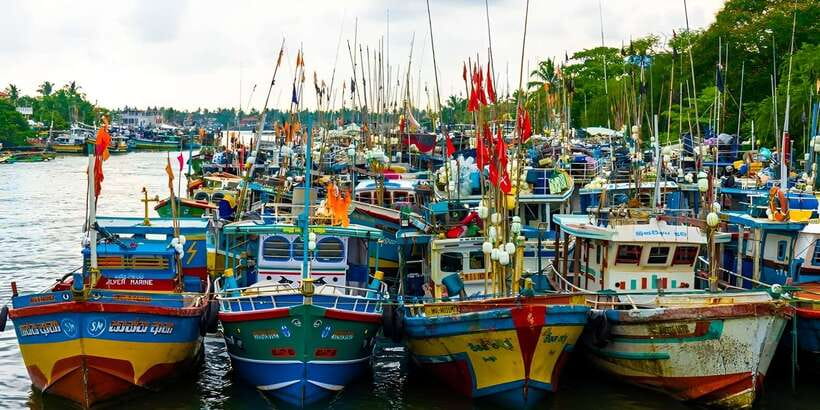
- Kothlawala Bridge is a great photo pause for fishing boats
- Dutch Fort area and church landmarks tie Portuguese/Dutch and Christian eras into one route
A 3-Hour Heritage Walk That Feels Like Negombo, Not a Script
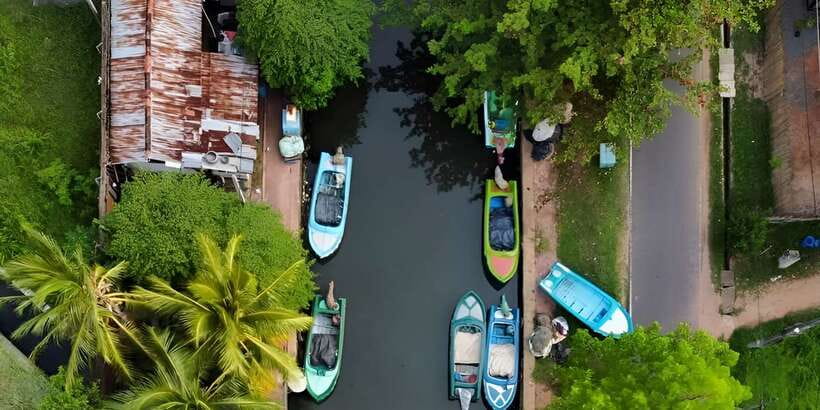
This is the kind of tour that works because it stays in the city. You’re not hopping between far-flung sights on a schedule. Instead, you walk a short, logical loop and the guide gives context as the street scenes change.
At 3 hours, it’s long enough to feel meaningful but short enough to stay flexible. For $14, you’re really paying for two things: an English-speaking guide who can interpret what you’re looking at, and the chance to visit multiple cultural spots in one morning or afternoon window. If you’re new to Sri Lanka, this is a solid orientation walk.
The route is also designed around what makes Negombo practical and distinctive: food markets, fishing work, and religious sites that reflect a multicultural port city.
Start at Sri Mutthumari Amman Temple on Sea Street
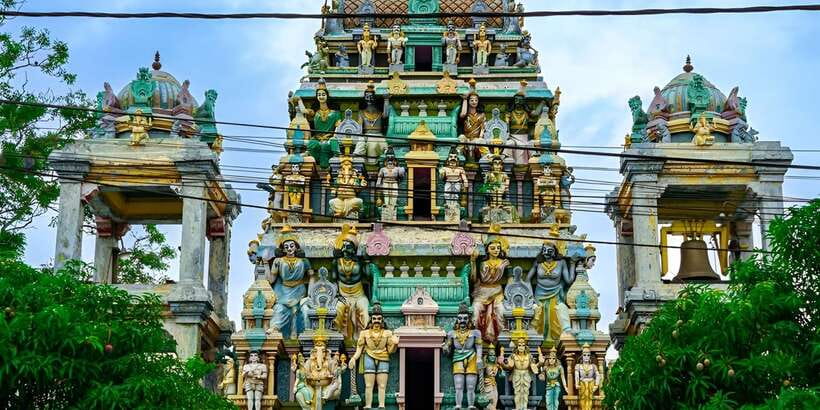
The tour begins at the Sri Mutthumari Amman Temple, with your guide meeting you in front. That first stop matters because it frames Negombo as more than a beach town. Hindu worship here connects to the rhythm of daily life, and the guide’s job is to translate what you’re seeing into something you can actually understand—symbols, local customs, and why the temple belongs in this part of town.
From there, you’re set up for an easy mental transition. The next streets are commercial and everyday. You move from sacred space to human space, without feeling like you’re jumping eras.
Practical tip: show up a little early so you can get oriented with the group and ask any last-minute questions before the walk starts.
Fruit Stalls to King George Drive: How the City Tells Time
Right after the temple, you enter the local vegetable and fruits market. This is where Negombo’s port-city identity shows up in a calm, grounded way. You’ll see stalls, vendors, and everyday trade—less about souvenirs and more about how food moves through a coastal community.
Then comes King George Drive, named after King George’s visit. As you walk, the road runs parallel to the sea, and the guide points out the working landscape that grows along the shoreline. In plain terms: this is where you understand the fishing economy without needing a museum.
What I like about this section is the pacing. It’s not a sprint. You get walking time to settle in, plus enough stops to make the route feel purposeful rather than just transit.
The Dry Fish Smell Zone: Real Life at the Shore
At some point, you’ll hit the stretch where fishing activity and dry fish processing happen. Yes, it has a strong smell. That’s not a gimmick—it’s part of the truth of a working port.
This is also where the tour becomes memorable for many people, because it turns a concept into a scene. Instead of learning about fishing supply chains in theory, you see how work is organized and how the city treats seafood as a daily product, not a rare treat.
If you’re sensitive to strong odors, don’t fight it—plan for it. Keep your expectations realistic: this section is about process and labor, not comfort.
Lellama Fish Market and Kothlawala Bridge Photos
After the dry-fish processing area, you walk into the Lellama fish market. This is a key transition from smells and processing to trade and choice. You’ll be close to the flow of fish sales and the movement of goods, and the guide helps connect the market to the broader shoreline story you just walked through.
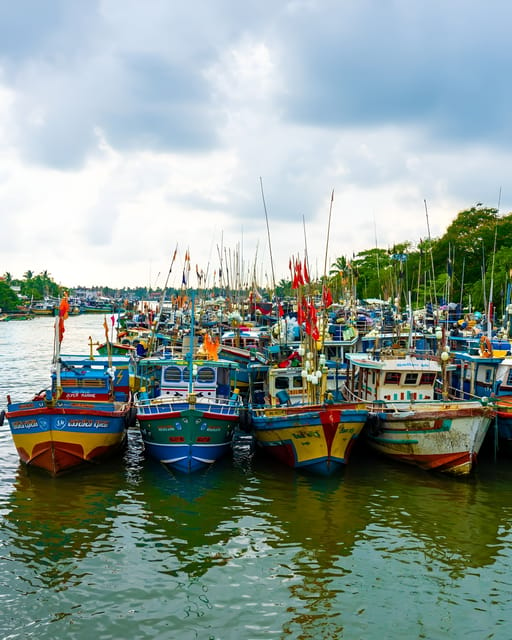
Then you reach Kothlawala Bridge, a perfect place to pause for a picture of the fishing boats. The bridge view works because it frames boats against the water—simple composition, strong atmosphere.
A small piece of real advice: don’t linger too long with your camera settings while others wait behind you. This tour is designed as a guided walk, and the rhythm matters.
Old Negombo Dutch Fort Area, St. Stephen’s Church, and the Rest House Landmark
Next, you head toward the old colonial layer of Negombo. You’ll pass the area near the prison landmark and get into the Dutch fort vicinity, including St. Stephen’s Church.
This part is valuable because it stops you from treating history like a list. You’re walking where different powers left marks, and you can compare the feel of the fort area with the working waterfront you saw earlier. In other words, you start to understand why port cities attract outside influence.
Your guide also brings in local landmarks, including the famous Negombo Rest House area. Even when you’re not inside every building, you’re getting the names and the role of these sites in the city’s story.
Why this works: walking gives you angles and scale. Fort walls don’t feel like trivia when you’re standing near them, and churches make more sense when you connect them to the colonial geography around them.
Negombo Lagoon Stop: A Breather With a View
You’ll then shift toward Negombo Lagoon. This is the moment where the walking route changes mood. After market and fort areas, the lagoon gives you space—sightlines, cooler air if you’re lucky, and a reminder that Negombo’s story is water-first.
The guide’s explanation here matters too. A lagoon stop can be just a photo stop on other tours. Here, it’s used to connect geography to livelihoods, so it doesn’t feel like a detour.
You get guided time and a walk around the lagoon area, so you can ask questions rather than rushing through.
St. Mary’s Church and the End-of-Walk Snack Moment
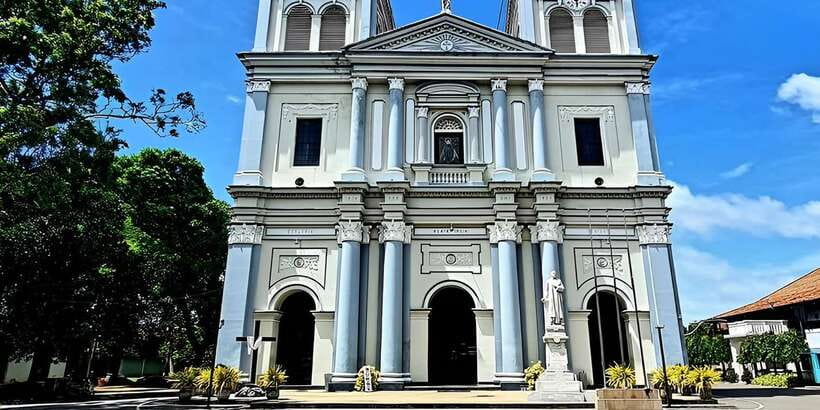
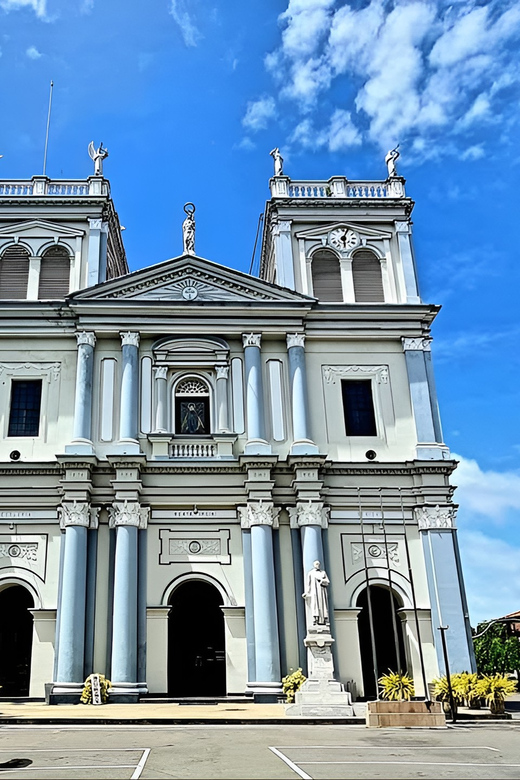
The tour finishes at St. Mary’s Church in Negombo. This is a good closing choice because the walk ends where you can see the Christian heritage layer clearly, and then the guide helps you interpret what you’ve already seen over the past hours.
After that, you should expect refreshments and a snack tasting menu. Many people appreciate this because it turns the end of the walk into a small reset. Some tours only offer water. Here, the plan includes snacks.
One caution: I’d still treat the snack as a bonus, not a guarantee for your full meal needs. On at least one past departure, refreshments didn’t match what was advertised. So keep a simple backup mindset—especially if you’re easily affected by hunger.
When to Go, What to Bring, and How to Handle the Heat
Negombo weather can be unforgiving. One clear tip that comes up often: go in the morning. By 12:00, heat can make a walking tour feel harder than it sounds on paper.
Bring:
- Sunglasses
- Sunscreen
And use common sense: drink water when you can, wear breathable clothing, and pace yourself. This is a walking tour, so you’ll want comfort more than fashion.
Group flow can also vary depending on guide availability. If your start time matters, message the provider after booking to arrange the most convenient start.
Guide Quality Is the Real Product Here (Shashi Gets Mentioned Often)
The biggest reason this tour earns strong ratings is the guide. People consistently bring up that the guide explains locations clearly and speaks good English, with enough warmth that questions don’t feel like interruptions.
Shashi is one name that comes up specifically, and the pattern is consistent: friendly guidance, practical context, and a pace that leaves room to ask what something means. That matters on heritage walks, because street scenes can look confusing if nobody tells you what to notice.
If you want the tour to work for you, show up ready to ask simple questions like:
- What’s the purpose of this market?
- How does the shoreline fishing work connect to what we see later?
- Why are these religious buildings here?
A good guide will answer, and this one is built around that exchange.
Is $14 Good Value for a 3-Hour Negombo Walk?
Yes, for the basics. For $14 per person and 3 hours, you get:
- an English-speaking guide
- multiple stops across Hindu temple, market, fishing work areas, colonial-era sites, lagoon, and church landmarks
- refreshments and snack tasting
That pricing makes sense if you’re trying to learn the city instead of just pass through it. A guided walk like this can be cheaper than hiring a driver, and it’s more authentic than doing only indoor stops.
What might affect your value judgment is how you personally feel about fish-market conditions. If you dislike strong smells or you’re sensitive to crowded work areas, this tour could feel less fun than you want. On the flip side, if you like real-life sights, you’ll probably remember this one long after the photos fade.
Who Should Book This Tour
This is a great fit if you:
- want a simple introduction to Negombo’s multicultural mix
- like seeing everyday life, not just postcard landmarks
- want a guided route that gives names and context while you walk
- enjoy markets and fishing-related scenes as part of cultural understanding
It’s less ideal if you:
- hate smells and don’t want to be near dry-fish processing areas
- struggle with heat and can’t do a morning start
If you’re somewhere in the middle, you’ll likely be happiest planning for the morning and treating the fish-market stretch as the highlight, not an awkward detour.
Should You Book This Negombo Heritage Walking Tour?
If your goal is to understand Negombo quickly and honestly, I’d book this. The structure makes sense: temple to market, shoreline work to fish market, colonial landmarks to lagoon and church. That’s a real city route, not a checklist.
Just go in with a smart mindset. Expect sun if you’re late to the day. Expect the fish-processing area to smell strong. And don’t assume snacks will replace a full meal—use them as a treat while the guide does the heavy lifting of context.
If that sounds like your kind of travel, this is a good use of 3 hours for $14.
FAQ
Where does the tour start?
The meeting point is in front of the Hindu temple, the Sri Mutthumari Amman Temple.
How long is the Negombo Heritage Walking Tour?
It lasts 3 hours.
How much does it cost?
The price is $14 per person.
What languages is the guide available in?
The guide is available in English and Hindi.
What stops can I expect during the walk?
You can expect stops including Sri Mutthumari Amman Temple, a local vegetable and fruits market, King George Drive, the dry fish center and fish market (Lellama), the Dutch fort area, St. Stephen’s Church, Negombo Lagoon, and St. Mary’s Church.
Are refreshments or snacks included?
Yes. The tour includes refreshments and a snack tasting menu.
Is there free cancellation?
Yes. You can cancel up to 24 hours in advance for a full refund.