REVIEW · JOHANNESBURG
Pretoria Historical Tour
Book on Viator →Operated by Vaya Africa Travels. · Bookable on Viator
Pretoria can feel fast and confusing. This tour gives you a clear, guided route through the city’s big political chapters. You’ll move between major sites in an air-conditioned vehicle and spend real time at museum anchors like the Voortrekker Monument, not just quick photo stops.
I especially like that the schedule is built around meaning, not just addresses. The stops connect to major turning points—migration stories, presidential life in the Kruger House Museum, and landmarks tied to the Rivonia Trial—while still being manageable in a half-day format. One drawback to consider: some sections are only 30 minutes, so if you’re the type who wants to read every label slowly, you may wish you’d booked extra time at your favorite site.
In This Review
- Key Pretoria Highlights at a Glance
- Why This Pretoria Route Beats DIY
- Price and What $125.31 Really Covers
- Getting Comfortable: Pickup, Vehicle Comfort, and Pace
- Voortrekker Monument: Inland Migration, Obstacles, and Victories
- Kruger House Museum: Johan Paul Kruger’s Presidential Life
- Church Square: The City Centre and the Mandela Sentencing Link
- Melrose House Museum: The Vereeniging Peace Treaty After the Anglo Boer War
- Union Buildings: The President’s Office and Mandela in the Gardens
- Guide Quality Matters: Ben, Thabang, and Cosmo-Style Storytelling
- Practical Tips So You Don’t Lose Time or Energy
- Who This Pretoria Historical Tour Is Best For
- Should You Book This Pretoria Historical Tour?
- FAQ
- What landmarks does the Pretoria Historical Tour include?
- Is pickup included?
- Are admission tickets included?
- How long is the tour?
- What’s the price per person?
- Is lunch included?
- Can I cancel for a refund?
Key Pretoria Highlights at a Glance
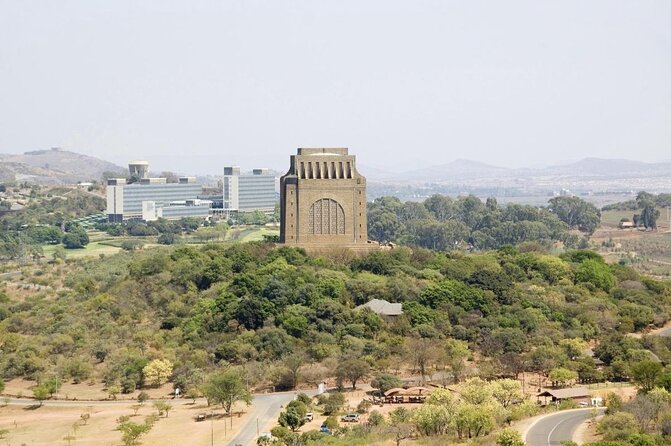
- Voortrekker Monument for 2 hours: built for people who want context on the Voortrekkers’ inland journey, including obstacles and victories
- Kruger House Museum with admission included: see Johan Paul Kruger’s home, the ZAR Hall, family furniture, and his personal train display
- Church Square in 30 minutes: the city’s geographical centre plus the Justice House tied to Mandela’s Rivonia Trial sentencing
- Melrose House Museum for the peace treaty: a compact stop focused on the Vereeniging treaty after the Anglo Boer War
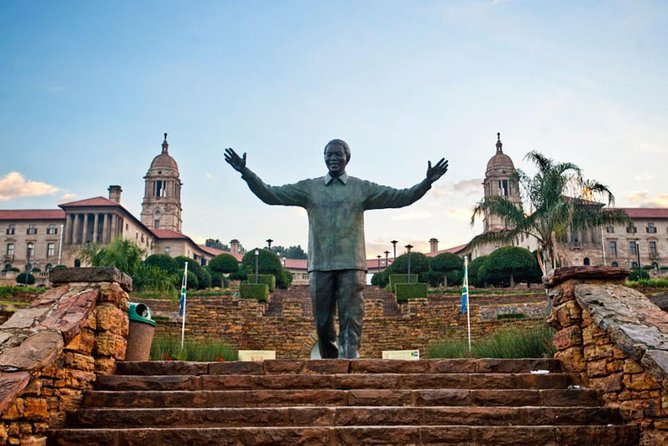
- Union Buildings for presidential power and Mandela’s statue: a quick but memorable garden visit, with the office of the president historically dating to 1913
Why This Pretoria Route Beats DIY
Pretoria history is not hard to find. The hard part is turning it into a sensible day. This tour does that for you. You get a guide and a logical loop that prevents the classic mistake: hopping between stops without understanding what connects them.
What you’re really buying is time and order. Instead of planning how to fit multiple museums and memorials around traffic, you’ll follow a set flow: a long anchor at the Voortrekker Monument, then the Kruger House Museum, and then a trio of shorter city-centre stops. Even better, you’re transported in an air-conditioned vehicle, which matters in South Africa when the sun decides to do extra work.
And because it’s a small-group experience, you’re more likely to get practical explanations in the moments you actually care about. You can ask questions while the sites are fresh, not after you’ve already moved on.
You can also read our reviews of more historical tours in Johannesburg
Price and What $125.31 Really Covers
At $125.31 per person, the value comes from two things: guided time and included access at key stops. The tour price doesn’t just cover someone driving you around.
Here’s what you can expect to be included:
- Air-conditioned transport
- English-speaking guide
- Admission tickets included for the Voortrekker Monument and the Kruger House Museum
- Other stops on the route are free (so you still cover a lot without paying extra at each building)
Lunch is not included, so you’ll want to plan around that. If you eat late or snack lightly, this tour can still feel efficient. If you need a full sit-down meal between stops, you may find the pace a bit tight.
One more “value” detail: this is listed as private for your group. That tends to mean the guide can adjust how the story is paced, and you don’t get stuck trying to hear over a crowd.
Getting Comfortable: Pickup, Vehicle Comfort, and Pace
The tour includes pickup and uses an air-conditioned vehicle. That’s not just a comfort perk—it changes your experience. When you’re not sweating through transit, you can actually focus when you reach the next site.
The timing also suggests a structured half-day rhythm. You’ll spend about:
- 2 hours at the Voortrekker Monument
- 1 hour at the Kruger House Museum
- about 30 minutes at each of Church Square, Melrose House Museum, and the Union Buildings
So the day is paced like this: long enough for context at the “big rooms,” then short city-centre stops that keep your momentum. It’s ideal for first-time visitors who want the headline landmarks without turning the day into homework.
One consideration: because some stops are short, go in ready to pick a couple of “must-see” moments. If you try to do everything at every stop, you’ll spend your time looking at your schedule instead of the buildings.
Voortrekker Monument: Inland Migration, Obstacles, and Victories

This is the first major anchor, with about 2 hours on site. If you want to understand the Europeans arriving in what is now South Africa—and how groups pushed inland—this is where the tour starts to make sense.
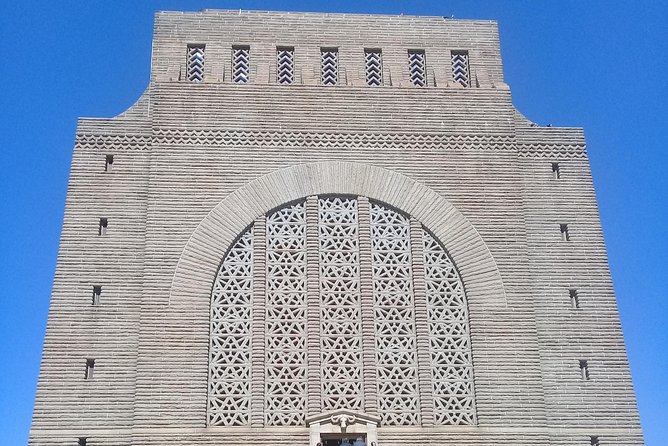
The Voortrekker Monument is mainly focused on the Voortrekkers’ movement into the interior of Africa, framed through the obstacles they faced and the victories they achieved. Even if your background is limited, you’ll leave with clearer mental hooks: not just dates and names, but the idea that migration was a struggle, not a stroll.
How to get the most out of this stop:
- Decide what you want to understand: hardship, expansion, conflict, or identity.
- Ask your guide for the “why this matters” explanation while you’re still inside the museum area.
- Don’t rush the big story parts. The value here is the longer time allotment.
Potential drawback: because this site can be emotionally and historically heavy, you may want a few minutes at the end for a breath-and-think pause before you’re whisked to the next location.
Kruger House Museum: Johan Paul Kruger’s Presidential Life
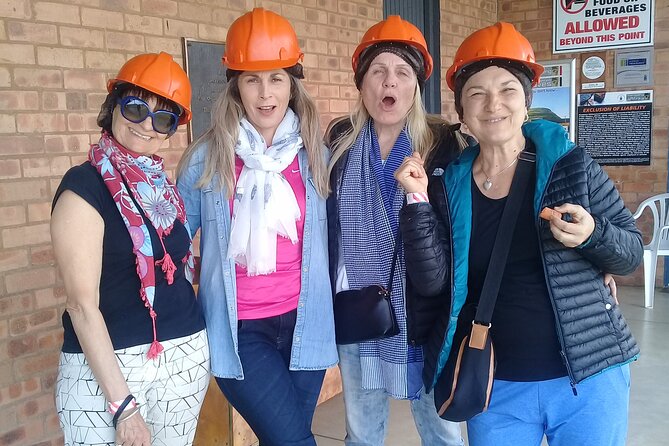
Next up is the Kruger House Museum (about 1 hour, admission included). This stop is built around the home of Johan Paul Kruger, who was president of the Union of South Africa.
You’ll be able to see what was presented to him as president. That includes the display in the ZAR Hall, plus family furniture and his personal train. Yes, a train—because in a political life, mobility can become part of the story.
What makes this museum especially useful is that it shows leadership as lived life, not just public speeches. You get objects and room context, which helps you understand how political power sat inside everyday space.
A practical note: because your time here is about an hour, you’ll want your guide to point out the top themes early. If you find yourself reading everything word-for-word, choose a section to focus on, and then let the rest be a quick scan.
Church Square: The City Centre and the Mandela Sentencing Link

Church Square is a quick 30-minute stop, and it packs a lot into that short time. It’s described as the geographical centre of Pretoria, and it’s the kind of place where historic buildings and public memory overlap.
Here’s what stands out on this tour:
- The Justice House, tied to the Rivonia Trial
- Nelson Mandela sentenced to life imprisonment during that trial
- The statue of Johan Paul Kruger
This stop is perfect if you want history tied to geography—literally where important events unfolded in a city space. Even if you don’t go inside buildings during this short visit, you’ll come away with a clearer sense of where Pretoria’s political story sits in the everyday map.
Because the stop is short, go with a goal. For example:
- Focus on Mandela’s Rivonia Trial connection and ask how Church Square fits into the broader Pretoria story.
- Then pivot to the Kruger statue and compare the two “public memory” themes in one location.
Melrose House Museum: The Vereeniging Peace Treaty After the Anglo Boer War

Melrose House Museum is another 30-minute stop, and it targets one specific turning point: the peace treaty of Vereeniging signed after the Anglo Boer War.
If your brain likes cause-and-effect history, this is a good stop. The museum’s point is not to flood you with everything. It’s to spotlight the agreement that helped shape what came next.
What you’ll likely appreciate here is the “bridge” role of the treaty. You’ll see how the war didn’t just end with fighting—it ended with negotiations, language, and political reshaping.
If you only have one short museum stop in a city, this one is a strong pick for meaning-per-minute. It’s time-efficient and focused.
Union Buildings: The President’s Office and Mandela in the Gardens
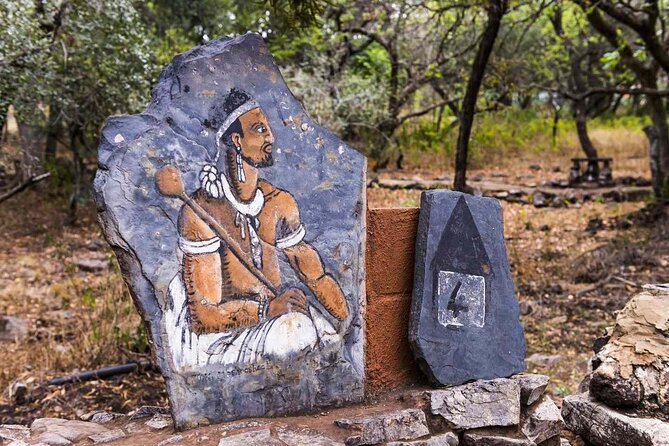
The Union Buildings are the final anchor on the route, with about 30 minutes. This is where you’ll see the office of the president, historically dating back to 1913 during the Union of South Africa. The buildings sit on the highest point in Pretoria, so the setting helps you understand why this location became symbolic.
There’s also a Mandela statue in the gardens. Even with just a short visit, that detail gives the stop a layered feel: political authority in the architecture, and public memory in the landscape.
How to make the most of your time here:
- Look at the buildings as symbols of government, then shift to the garden and statue to balance the story.
- Ask your guide what the Union Buildings represent beyond the current day office—your guide can usually connect the historical setting to the political narrative.
One consideration: this is not a “stay all afternoon” stop. If you want deep time for photos and viewpoints, you may find 30 minutes a little quick. Still, as a closing note to the tour, it lands well.
Guide Quality Matters: Ben, Thabang, and Cosmo-Style Storytelling
The best part of any history tour is when the guide turns facts into a story your brain can keep. Here, you’ll likely run into English-speaking guides who are specifically praised for how they explain the sites.
Some guide names to keep in mind:
- Ben is highlighted for being very knowledgeable and willing to be flexible on a private tour.
- Thabang is praised for explaining Pretoria’s history and importance, plus adding how people live in South Africa today.
- Cosmo is described as friendly and punctual, with explanations that are simple and entertaining.
You can’t control who you’ll get, but you can control how you show up. Bring a couple of questions, like:
- What changed here, and why did it matter?
- How do these landmarks connect—migration, governance, and trials?
If your guide is good, these answers will make the route click, especially when you move from Voortrekker Monument to Kruger House to Mandela-linked Justice House.
Practical Tips So You Don’t Lose Time or Energy
This tour is set up to be efficient, so a few small choices can keep it from feeling rushed.
- Plan for snacks. Lunch isn’t included, and with several 30-minute stops, you don’t want to waste time hunting for food.
- Bring water. You’ll be outside around city landmarks and memorial spaces.
- Wear comfortable shoes. Church Square and garden areas can involve a bit of walking on uneven surfaces.
- If you’re photo-focused, pick your top two or three must-shots before the tour starts. You’ll get better results than trying to shoot everything.
- Keep your phone ready. A mobile ticket is part of the setup, and pickup details depend on clear communication.
About pickup: one downside that shows up in the raw experience data is that a pickup message or response can fail at the worst time. I’d treat that as a “do your part” reminder—confirm pickup instructions clearly and keep a way to contact the operator if the timing looks tight. With any guided day, clarity beats hope.
Who This Pretoria Historical Tour Is Best For
This tour fits a specific kind of visitor:
- You want major Pretoria landmarks without doing the full research grind.
- You like history that connects politics to place—museums, trial-linked sites, and government buildings.
- You prefer a guided explanation in real time, especially for context-heavy stops like Voortrekker Monument.
It also works well if you’re traveling with people who have different interests. One person can focus on the museum content, while another just wants the big-picture “what’s where and why it matters.” Your guide helps stitch it together.
If you’re the type who needs maximum free time in each museum, you might feel slightly compressed by the 30-minute stops. Still, the tour’s structure makes it a great sampler—then you can return later to the one place you loved most.
Should You Book This Pretoria Historical Tour?
I’d recommend booking this tour if you want a guided history route that hits the city’s most important landmarks in a smooth order. The included admissions at the Voortrekker Monument and Kruger House Museum make it easier to justify the price, and the air-conditioned vehicle means you start each stop ready to pay attention.
Skip it (or pair it with extra time) if you know you need long museum reading sessions at every stop. This itinerary is built for people who value efficiency and story clarity over slow wandering.
If you book, do one smart thing: come with a couple of questions in your head. Pretoria’s history is layered, and a good guide turns that layering into something you’ll actually remember.
FAQ
What landmarks does the Pretoria Historical Tour include?
The tour stops include the Voortrekker Monument, the Kruger House Museum, Church Square, Melrose House Museum, and the Union Buildings.
Is pickup included?
Yes, pickup is offered, and the tour uses an air-conditioned vehicle for transportation between sites.
Are admission tickets included?
Admission tickets are included for the Voortrekker Monument and the Kruger House Museum. Church Square, Melrose House Museum, and the Union Buildings are listed as free stops.
How long is the tour?
The experience is scheduled with set time at each location: about 2 hours at the Voortrekker Monument, about 1 hour at the Kruger House Museum, and about 30 minutes each at Church Square, Melrose House Museum, and the Union Buildings.
What’s the price per person?
The price is $125.31 per person.
Is lunch included?
No, lunch is not included.
Can I cancel for a refund?
Yes. You can cancel up to 24 hours in advance for a full refund. If you cancel less than 24 hours before the start time, the amount paid is not refunded.