REVIEW · ENNIS
Private Ennis Dark History Tour with Dr Jane O’Brien (1-6 people)
Book on Viator →Operated by Jane O'Brien · Bookable on Viator
Haunted corners of Ennis make for a sharp story walk.
This private tour with Dr Jane O’Brien turns grim local legends and old punishments into a clear route through town, with 11 themed stops that fit into about 1 hour 10 minutes.
I really like the tight format: short stops, clear themes, and no faffing about. I also love that it’s built around specific Ennis locations—like the Old Ground Hotel and the Biddy Early witchcraft trial site—so you’re not just hearing generic spooky talk.
One thing to consider: the subject matter leans dark, including hangings, executions-style stories, and orphanage/industrial school tragedy. If you prefer light sightseeing only, this tour will feel intentionally heavy.
In This Review
- Key highlights you’ll actually feel on the walk
- Where This Ennis Dark History Tour Fits (And Why It Works)
- Price and Group Setup: Paying for a Private, Focused Route
- Meeting at Old Ground Hotel Ennis: The 1500s Towerhouse Start
- Barrack Street and Gallows Green: When Punishment Was Public
- The Old Ennis Graveyard Site: Stories Carried by Place
- Market Place and the “Market Murders” Theme
- Parnell Street Bow-ways: Poverty, Famine, and Haunting Laneways
- Chapel Lane: Recreated Sights and Smells in Narrow Shops
- Daniel O’Connell Monument: Biddy Early and a Witchcraft Trial
- Arthur’s Row: Orphanage and Industrial School Tragedy
- Francis Street and Folklore Belief into the 20th Century
- Ennis Friary: 13th Century Abbey Foundations and the Local Ghost
- Finishing on Abbey Street by the O’Connell Monument
- What You’ll Learn (Without It Feeling Like a Lecture)
- Who This Tour Suits Best (And Who Might Want Something Lighter)
- Should You Book the Private Ennis Dark History Tour with Dr Jane O’Brien?
- FAQ
- FAQ
- How long is the private Ennis dark history tour?
- How many people can join the private tour?
- What is the tour price?
- Where does the tour start?
- Where does the tour end?
- Who is the guide?
- What stops are included on the route?
- Is a mobile ticket provided?
- Are admission tickets needed for the stops?
- Is service animal access allowed?
- Are children allowed?
- Is there free cancellation?
Key highlights you’ll actually feel on the walk
- Old Ground Hotel Ennis towerhouse: a 1500s medieval structure with a story-first start.
- Barrack Street and Gallows Green: hanging-era punishments explained in a real town setting.
- Biddy Early at O’Connell Monument: a witchcraft trial tied to Ennis folklore.
- Laneways of famine and poverty: Ennis’s bow-ways and “spirits” theme tied to hardship.
- Ennis Friary (13th century Abbey): the town’s foundations, plus the local ghost legend.
Where This Ennis Dark History Tour Fits (And Why It Works)
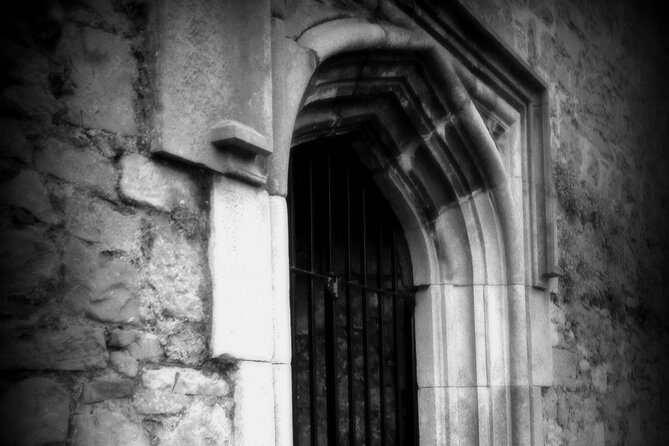
If you’ve ever walked through Ennis and felt like the streets are holding secrets, this is the kind of tour that gives those secrets a shape. The idea is simple: you follow a route through well-known landmarks, but the guide focuses on the darker threads—punishment, court cases, poverty, death-lore, and tragic institutions.
This tour is also practical in how it’s paced. Each stop is brief—about 5 minutes—so you move steadily and keep your attention. In a town like Ennis, that matters. Narrow lanes and older street layouts can slow you down on your own, but this route is designed to keep you moving while still giving the stories enough time to land.
Value-wise, the pricing is for the whole group (up to 6 people). At $270.66 per group, it’s not the cheapest option if you’re solo, but it becomes much more reasonable if you’re splitting it with friends or family. With a full group of 6, you’re looking at roughly $45 per person—not bad for a guided route with a specialist storyteller.
You can also read our reviews of more private tours in Ennis
Price and Group Setup: Paying for a Private, Focused Route
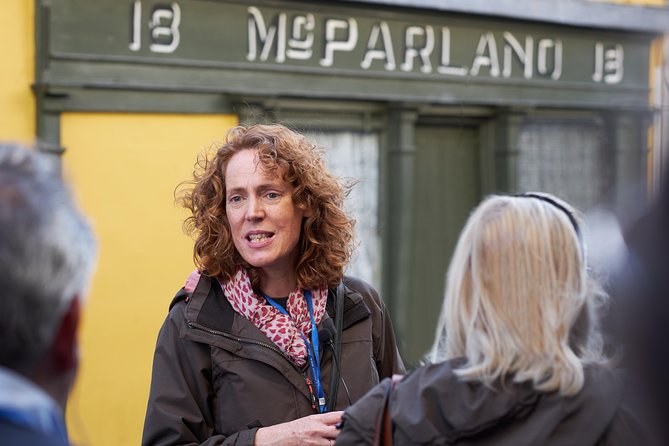
This is a private tour for 1–6 people, led by Dr Jane O’Brien. That private size changes the vibe. You can ask questions, adjust pace, and stay with the story even if your group moves a little slower or faster than average.
You’ll also want to know the tour is short: about 1 hour 10 minutes. That makes it a smart add-on day plan. It won’t steal your whole morning or afternoon, and it’s easier to fit between other Ennis stops.
One more practical note: you’ll receive a mobile ticket, and the tour runs from the Old Ground Hotel area into the town center around the Daniel O’Connell Monument. If you’re trying to build an efficient itinerary in Ennis, the ending location is convenient.
Meeting at Old Ground Hotel Ennis: The 1500s Towerhouse Start
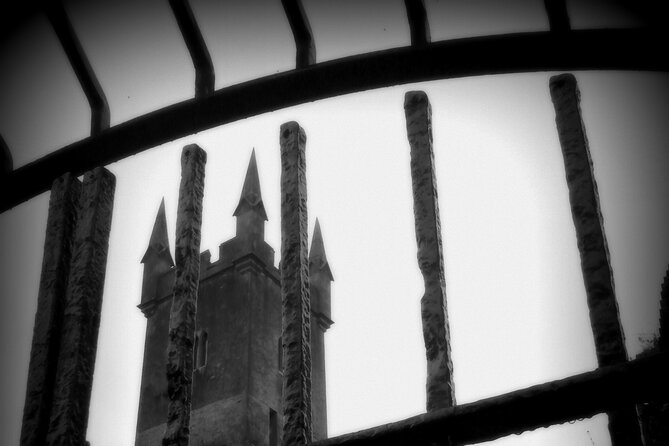
Most tours begin with a quick orientation. This one starts with a building that already feels like a story. You meet at the Old Ground Hotel Ennis, where an older medieval towerhouse from the 1500s sits inside the modern hotel footprint.
That first stop matters more than you might think. It sets expectations: this won’t be a sightseeing checklist. Instead, the guide frames Ennis as a lived-in town where old structures connect to later folklore and remembered events.
What I like here is the way it gives you atmosphere before you even step onto the street. You begin with the idea of layers—town life stacked over time—so the later stops about punishments, graveyard stories, and institutional tragedy feel connected rather than random.
Barrack Street and Gallows Green: When Punishment Was Public
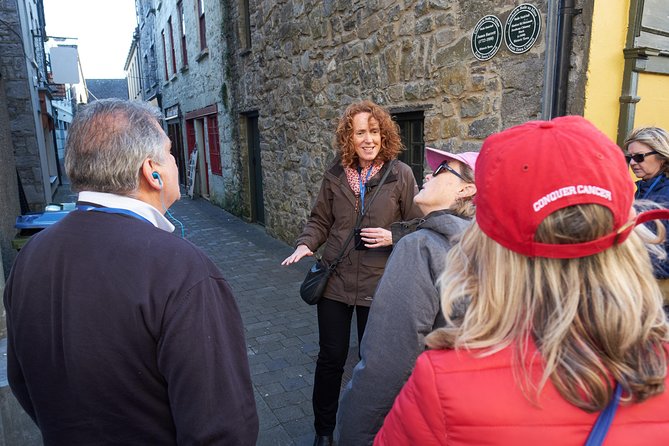
Next up is Barrack Street, tied to Gallows Green and the era when hangings were part of town punishment. The focus here isn’t just the macabre idea of it. The point is how punishment worked in public space—how a town used specific locations for fear, control, and order.
A useful way to enjoy this stop is to look at how streets sit next to each other. Ennis’s layout gives you a sense of how easily people could gather, see, and hear. Even without getting lost in exact details, you’ll start understanding why the stories stayed in local memory.
Possible consideration: if you’re sensitive to execution-related themes, give yourself permission to take a slower pace or ask for a shift in emphasis. The tour stays story-led, but you can still manage how graphic you want it to feel.
The Old Ennis Graveyard Site: Stories Carried by Place
Then you head to a site associated with the old Ennis graveyard, where the tour shares stories from that earlier past. Graveyard history is always a little different from landmark history. It’s not about what a building looked like; it’s about what happened to real lives.
This is also where the tour starts to feel most “local.” You’re not traveling through an invented set. You’re moving through the town’s actual older tissue—places where memory tends to linger.
If you like your tours to mix folklore with social history, this stop is a good sign. It’s not only supernatural. It treats the past as something that shaped the town’s identity.
Market Place and the “Market Murders” Theme
At the Market Place, the tour shifts to conflict and tension. The story theme here is that old markets were not always peaceful, and sometimes those tensions led to what were called the market murders.
This is a smart stop for anyone who thinks history only happens in big political events. Markets were where people met, traded, argued, and survived. So when things went wrong, it wasn’t some far-off drama. It was right in the heart of daily life.
The practical takeaway: when you’re in a market area, watch how the space works. Even if the stalls and traffic are modern, the “why here?” of old public life becomes clearer once you have the story lens.
Parnell Street Bow-ways: Poverty, Famine, and Haunting Laneways
Then you move down Parnell Street, exploring Ennis’s bow-ways and the way the town was affected by poverty and famine. This stop leans into the haunting theme too, with spirits from that time said to linger in the old laneways.
This is one of the most interesting concept shifts on the tour. The supernatural doesn’t float free—it’s tied to real hardship. That’s what makes this theme feel more grounded than typical ghost tours.
When you’re at this stage, you’ll probably notice the physical setting doing some work for the story. Narrow lanes and old street connections create the right sense of enclosure. Even if you don’t fully “believe” in the legends, you can understand why people would.
Chapel Lane: Recreated Sights and Smells in Narrow Shops
At Chapel Lane, the guide recreates what old Ennis would have looked (and smelled) like, using the narrow streets and old shopfront setting as the stage.
This is a distinctive stop because it pushes beyond sight-only storytelling. You’re being asked to imagine daily life, not just death and punishment. The guide’s focus on street-level atmosphere helps the tour feel like a walk through lived reality, even when the stories are grim.
A small consideration: if you’re traveling with very young kids, this part might feel intense because it’s built around sensory imagination and tragic settings earlier in the route. Kids can still handle it, but plan for an adult pacing the group.
Daniel O’Connell Monument: Biddy Early and a Witchcraft Trial
You then reach the busy heart around the Daniel O’Connell Monument. This location is also tied to the witchcraft trial of Biddy Early, a wise woman of Clare.
This stop is a standout because it ties a specific named person to a specific place in town. That’s what makes folklore more than vague rumor. The story becomes anchored.
If you want to get the most out of it, pay attention to how the monument area functions as a central meeting point. A busy town center becomes even more chilling when you understand it was also a place where accusations and trials played out.
Arthur’s Row: Orphanage and Industrial School Tragedy
Next is Arthur’s Row, where the tour brings to life stories from an old orphanage and industrial school. The description is blunt: a tragic tale connected to institutions that shaped children’s lives.
This stop doesn’t try to soften the subject. That can be hard to sit with, but it’s also why the tour feels honest. Ennis, like many towns, had systems that left deep marks, and history has a way of repeating unless people remember.
Practical advice here: if you’d like to keep things manageable, take a breath and let the story land. This is one of those stops where you don’t want to rush.
Francis Street and Folklore Belief into the 20th Century
At Francis Street, you explore the old causeway linked to a reported sighting of a banshee and a death coach—figures from Irish folklore and mythology. The key detail: belief in these ideas remained strong into the 20th century in Ennis.
This stop connects modern memory to older belief. That makes it feel less like “ancient legends” and more like something that stayed alive in everyday culture.
If you’re into storytelling that bridges folklore and social life, this is where it clicks. You’re learning not just the legend, but how it functioned in people’s minds as a language for fear and loss.
Ennis Friary: 13th Century Abbey Foundations and the Local Ghost
The route ends with Ennis Friary, tied to the 13th century Ennis Abbey. The foundations of the town are connected here, and the stories mention many past residents, including a local ghost.
This is a strong closing stop because it brings you back to the physical root of the town—foundations, long presence, and ongoing legends. You’re not only ending the tour with a spooky note. You’re ending with the sense that Ennis grew around these older structures.
When you reach this final theme, it’s a good moment to look around and think about layers. The guide’s stories give you a lens, but you still get to use your own eyes. That’s where the tour becomes more than just narration.
Finishing on Abbey Street by the O’Connell Monument
You wrap up at Abbey Street, near the top of Abbey St beside the O’Connell monument. Ending there is practical because you’re returned to the center of town, not stranded at the edge.
This finish also works emotionally. Earlier stops have you in the lanes, the old sites, and the darker corners. Ending back near the monument gives your brain a way to reset: the town looks the same, but you’re seeing it differently.
What You’ll Learn (Without It Feeling Like a Lecture)
The best dark history tours do two things: they give you facts and they explain why the stories survived. This one tends to do both through its structure.
You’ll move through themes in a logical order: medieval architecture and punishment → places of death and tension → hardship and folklore → institutions for children → named trials and continued belief → old foundations and a final ghost note.
Even if you’re not a big “history person,” you’ll come away with a clearer sense of how Ennis has been shaped by fear, poverty, and community memory. And if you do love history, you’ll appreciate how the tour uses real town locations rather than stopping at generic, “trust me” storytelling.
Who This Tour Suits Best (And Who Might Want Something Lighter)
This tour is a great match if you:
- enjoy folklore with real place-names attached
- like walking tours that stay short and focused
- want a guided route that turns “pretty streets” into story-led history
- are okay with darker topics like hangings, executions-style themes, and tragic institutional stories
It may not be ideal if you:
- want only upbeat, daytime sightseeing
- strongly dislike themes of cruelty, trials, or child-focused tragedy
- prefer long museum-style pacing rather than a brisk walking sequence
The upside is that it’s short. You’re not stuck for hours with heavy material.
Should You Book the Private Ennis Dark History Tour with Dr Jane O’Brien?
I’d book it if you’re staying in Ennis for at least a day and you want one guided experience that changes how you see the town. The private size (up to 6) and the tight 1 hour 10 minute length make it easy to fit, and the route is anchored by named Ennis locations like the Old Ground Hotel, Gallows Green, Biddy Early, and Ennis Friary.
If you’re traveling with a group that’s split between spooky fun and serious storytelling, this works because it isn’t just ghost talk. It ties legends to old social realities—markets, famine, trials, and institutions—so it lands as history with atmosphere.
FAQ
FAQ
How long is the private Ennis dark history tour?
The tour lasts about 1 hour 10 minutes.
How many people can join the private tour?
It’s private for groups of 1 to 6 people.
What is the tour price?
It costs $270.66 per group (up to 6 people).
Where does the tour start?
It starts at the Old Ground Hotel Ennis on Station Rd, Clonroad Beg, Ennis, Co. Clare.
Where does the tour end?
It ends in the town centre by the Daniel O’Connell Monument on O’Connell Street.
Who is the guide?
The guide is Dr Jane O’Brien.
What stops are included on the route?
The tour includes stops at places such as the Old Ground Hotel Ennis, Barrack Street, the old Ennis graveyard site, Market Place, Parnell Street, Chapel Lane, the Daniel O’Connell Monument, Arthur’s Row, Francis Street, Ennis Friary, and Abbey Street.
Is a mobile ticket provided?
Yes, the tour includes a mobile ticket.
Are admission tickets needed for the stops?
The stop descriptions indicate admission ticket free for the included sites.
Is service animal access allowed?
Yes, service animals are allowed.
Are children allowed?
Children can participate, but they must be accompanied by an adult.
Is there free cancellation?
Yes. Free cancellation is available up to 24 hours in advance for a full refund.