REVIEW · KAMAKURA
Private Kimono photo shooting tour in ancient city Kamakura
Book on Viator →Operated by Oriel Tourism · Bookable on Viator
Kimono photos in calm Kamakura are magic. I love the mix of temples and shrine backdrops and the way Shuhei’s photo help keeps you looking natural in front of the camera. You also get a gentle intro to Kamakura, with photo spots that feel less crowded than the headline districts.
One consideration: the tour price covers the photo experience, but kimono rental costs extra (3800Yen) if you don’t bring your own. Plan for that if you want the full look without any guessing.
In This Review
- Key highlights at a glance
- Why Kamakura feels different for a kimono photo shoot
- Choosing kimono (and why the fit matters for photos)
- Timing: 2–3 hours that include changing and travel
- Daigyoji Temple: a quiet start that makes you camera-ready
- Myohonji Temple: temple wood, nature, and Nichiren atmosphere
- Tsurugaoka Hachimangu Shrine: classic entrance gate drama
- Jufukuji Temple: calm tree-lined path portraits
- Komachi Street: shopping energy and real Kamakura life
- Photo quality: how professional posing changes everything
- Customization and flexibility for your style
- Price and value: what $85.20 really buys
- Who this tour suits best (and who should consider alternatives)
- Should you book this Kamakura private kimono photo tour?
- FAQ
- How long is the private kimono photo shooting tour in Kamakura?
- Where does the tour start and end?
- Is the tour private?
- What is included in the price?
- Is kimono rental included?
- What photo deliverables do I receive?
- What happens if weather is bad?
Key highlights at a glance
- Private, just your group setup, so you’re not rushed by other people
- Kamakura’s quieter temple start near the station for easier early photos
- Nichiren roots at Myohonji Temple, plus seasonal scenery like sakura or autumn leaves
- Tsurugaoka Hachimangu’s big entrance and pond views for classic shrine portraits
- Komachi Street for real-life city scenes and shopping breaks
- Up to 30 edited photos from a professional photographer
Why Kamakura feels different for a kimono photo shoot
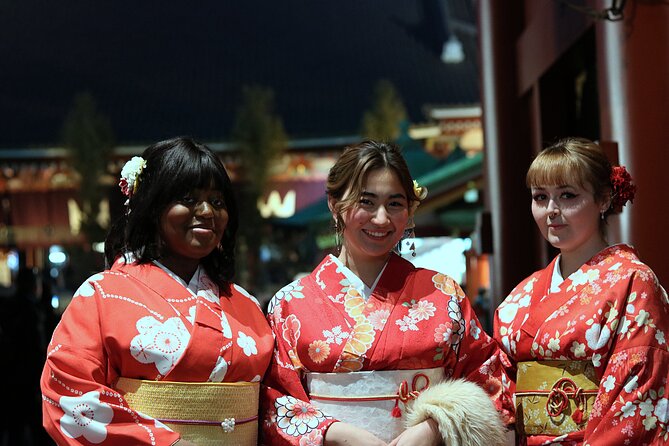
Kamakura is one of those Japan places where you can feel history without needing a museum ticket. It used to be an old Samurai capital, and the city still has that calm rhythm you want for photos. You get a blend of sacred spaces (temples and shrines) and everyday streets (Komachi Street), which means your pictures won’t all look like the same postcard.
The big win here is pacing. Your shoot isn’t built around one famous spot with a wall of people. Instead, you start with quieter places right near Kamakura Station, then move through landmarks like Tsurugaoka Hachimangu and wrap with a lively shopping street moment. That mix keeps the photos interesting even if you’re someone who worries about “What if I blank in front of the camera?”
Also, this is a private tour. That sounds like a marketing buzzword, but for photos it actually matters. You can slow down for the right angle, step aside to let foot traffic clear, and spend time changing into your kimono without feeling like you’re holding up a big group.
You can also read our reviews of more tours and experiences in Kamakura.
Choosing kimono (and why the fit matters for photos)
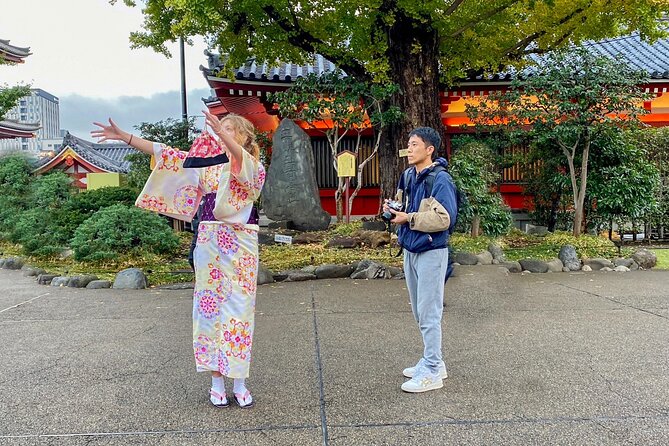
You’ll try on Japanese kimono and get photographed while wearing them. The tour also offers a non-kimono option, so if you want the Kamakura photo walk without the outfit change, you can keep things simple.
If you do go the kimono route, here’s the practical part: your photos will look better when the fit feels comfortable. Kimono that feels too stiff or forces you to stay in one awkward posture can show up fast in pictures. A good photo guide matters because they can coach your body position without making you feel like you’re performing.
And about cost: the photo tour price is $85.20 per person, but kimono rental is 3800Yen and not included. If you’re aiming for the full “dress-up + professional photos” experience, treat that rental as part of your total budget.
Timing: 2–3 hours that include changing and travel
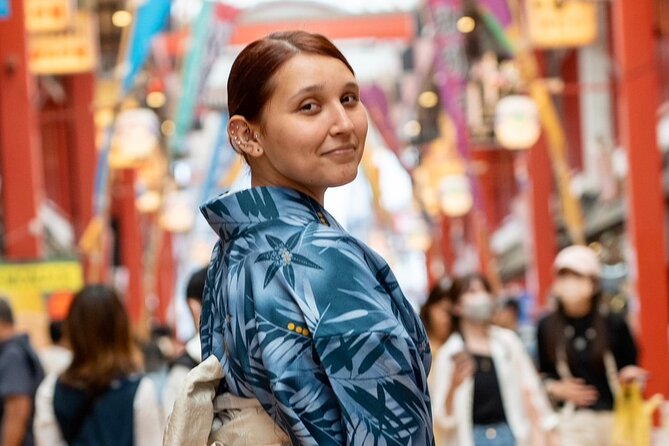
This experience runs about 2 to 3 hours, and that total includes travel time and changing time. That’s a big deal because kimono takes a moment to settle. The best photo sessions aren’t when you’re rushing. They’re when you still have enough time to adjust, breathe, and let the photographer guide you into natural poses.
You’ll meet at the Kamakura City Tourist Information Center on Komachi Street (1-chōme-1-1 Komachi, Kamakura, Kanagawa 248-0006, Japan). The tour ends back at the same meeting point. Keeping the start and finish together makes the whole thing feel less complicated, especially if you’re planning to eat or shop right after.
One more tip: this is often booked ahead—on average about 42 days in advance. If your trip dates are firm and you want a specific time window, don’t wait until the last minute.
Daigyoji Temple: a quiet start that makes you camera-ready
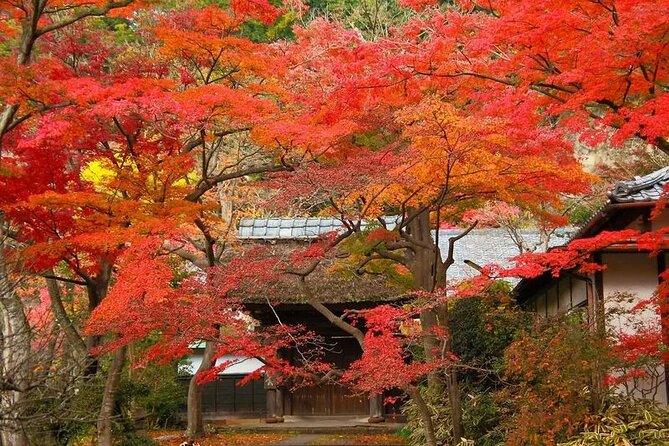
The shoot begins at Daigyoji Temple, a small temple just by Kamakura Station. This is a smart first stop. When you start your session somewhere calmer, you have an easier time getting comfortable. You’re not instantly battling crowds, and you can warm up your poses while the background feels peaceful.
Also, the timing works well. Early on, your outfit is fresh and your expressions usually come easier. The temple area is noted as quiet and not crowded, so you can focus on shaping your posture and letting the photographer tell you what to do next.
Practical note: the admission ticket for this stop is free, so you’re not wasting time on cash or tickets during the flow of the tour.
Myohonji Temple: temple wood, nature, and Nichiren atmosphere
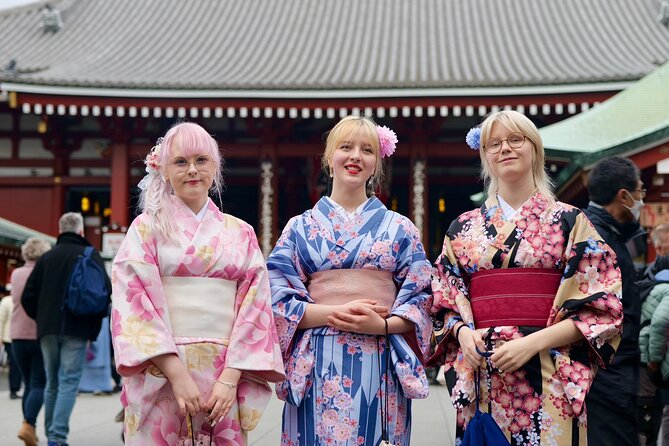
Next up is Myohonji Temple, described as the oldest temple of the Nichiren sect (日蓮宗), founded around 1260. If you like the Japan temple look—old wooden structures and a serene atmosphere—this is where your photos start to feel truly “Kamakura.”
This stop is also great because nature becomes part of your background. The site is known for seasonal beauty like sakura blooms in spring and autumn leaves in fall. Even if you’re not there in peak season, the temple grounds still give you that classic, spiritual texture that helps kimono photos look intentional, not random.
The downside? Seasonal crowds can happen at any scenic temple. Here, you’re likely still in a calmer zone than the most famous areas, but if you’re traveling during a high-demand week (like peak cherry blossom), you might want to arrive at your start time with a little extra patience.
Admission for this stop is free as well, so the focus stays on photos and walking.
Tsurugaoka Hachimangu Shrine: classic entrance gate drama
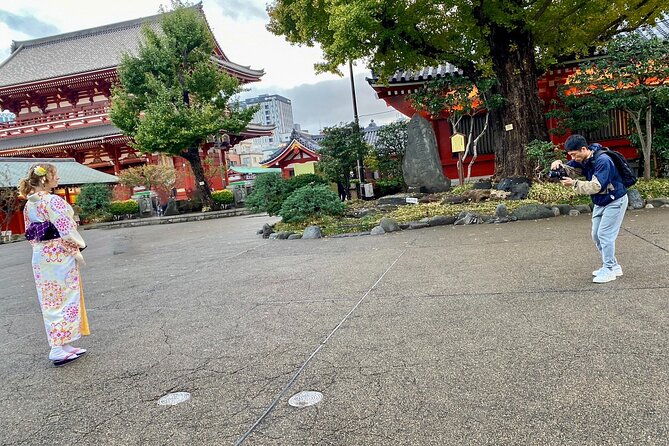
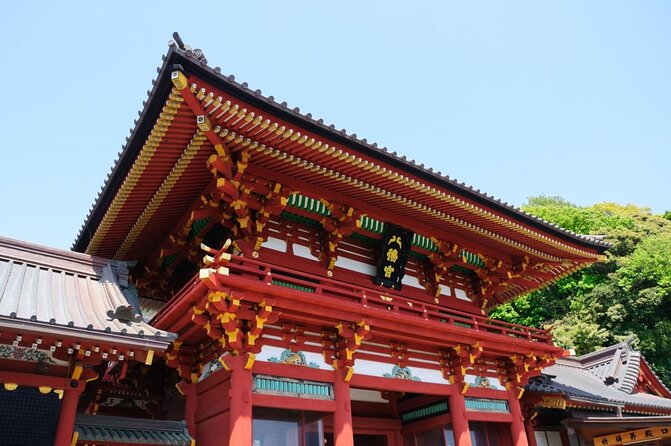
Then comes Tsurugaoka Hachimangu Shrine, one of Kamakura’s landmarks. It’s a Shinto shrine founded in the 12th century by Minamoto no Yoritomo, the first shogun of the Kamakura shogunate. The story behind it matters because the site is built for grand, symbolic views.
For photos, the highlights are practical:
- the impressive entrance gate
- the long approach lined with cherry trees
- the large pond area, with good places to pause
The pond-side bench break is a nice touch. It gives you a moment to reset, check your photos in your head, and let your face relax. That kind of little decompression helps your expressions look more natural in the next shots.
Again, admission here is free, so you’re not juggling payments while the best light and angles are happening.
Jufukuji Temple: calm tree-lined path portraits
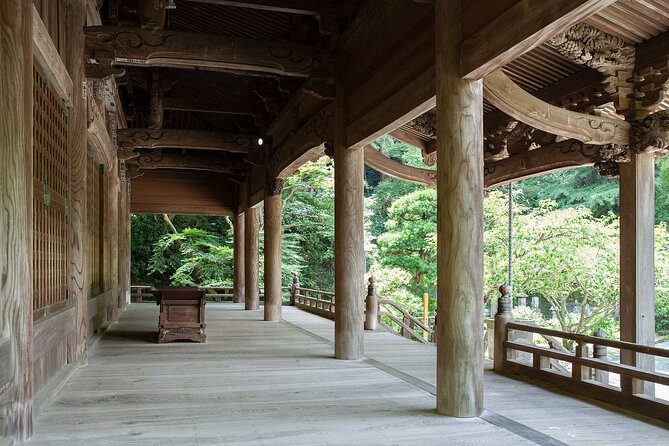
After the big landmark energy, the tour shifts to Jufukuji Temple, established in 1200 by Hojo Masako, wife of Minamoto no Yoritomo. This place is described for its tranquil mood and a beautiful road approaching the main temple with trees.
If you want variety in your final photo set, this stop is your balance. After shrine gates and long approaches, you’ll get portraits with a calmer, more shaded feel. It’s the kind of setting where kimono really looks at home because the environment matches the silhouette.
You can also spot a small local shrine next to it, which adds a bit of detail without turning the scene into a cluttered backdrop. Admission is free at this stop too.
Komachi Street: shopping energy and real Kamakura life
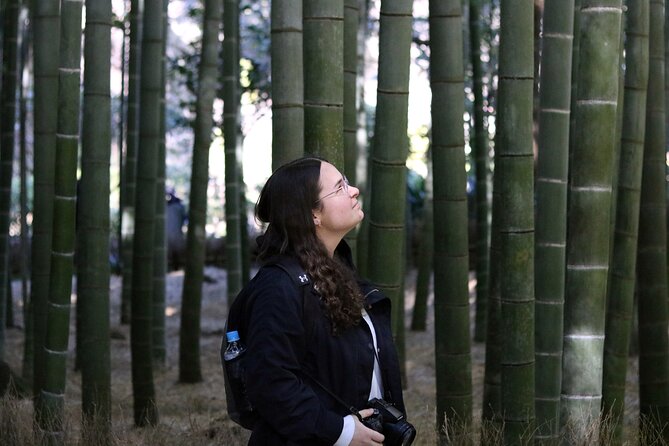
The tour includes time at Komachi Street, a central shopping street named after Ono no Komachi, a famous Heian period poetess (784–1184). This is where your photos can turn from strictly ceremonial to more casual “I’m in Japan” scenes.
You’ll have time to look at shops and pick up souvenirs or snacks. I like including a shopping street at the end or near the end because your kimono photos stop feeling like a separate event. They start feeling like part of your day in Kamakura.
One small consideration: shopping streets mean more people. That’s not automatically bad for photos, but it can limit where you can stand and how long you can stay in one spot. Since this is a private tour, your photographer can help you work around it.
Photo quality: how professional posing changes everything
The heart of this experience is the photo work. The photographer (Shuhei is specifically mentioned in feedback) is friendly and supportive, and the best part is the coaching. If you don’t know how to pose, that matters. Shuhei helps with suggestions so you don’t end up with stiff arms or a face that looks like you’re trying to remember your own name.
What I’d emphasize for you: great kimono photos aren’t just about clothes. They’re about posture, small hand placement, and where your eyes go. A pro can correct those things quickly—without making you feel awkward.
You can receive up to 30 edited photos, and the tour wording also supports that you get the photos you want, within that maximum edited set. That editing limit is actually a good sign for quality. It suggests they focus on a curated number rather than sending a messy pile of near-duplicates.
Also included: WiFi on board and bottled water. It sounds small, but during a 2–3 hour outing it helps you stay comfortable and connected without interruptions.
Customization and flexibility for your style
This tour isn’t locked into one rigid route. It can be customized to where you go, within the structure of the area. That means if your priority is temples and calm portraits, you can lean in that direction. If you want more city texture, you can spend more time in areas like Komachi Street for casual street-style photos.
There’s also a non-kimono option, which can be helpful if:
- you’re not feeling the kimono rental
- you want the Kamakura walking + photo guidance, but with your own clothes
The value here is control. You’re not stuck with a generic photo plan that ignores what you actually want to see.
Price and value: what $85.20 really buys
At $85.20 per person, this is a focused experience: professional photographer time, a private tour format, and 30 edited photos included. For many people, that becomes the deciding factor. You’re paying for someone to handle the hard parts: posing, timing, and choosing photo angles across different locations.
Here’s what you should budget for in real terms:
- Included in the tour price: bottled water, WiFi, and 30 edited photos
- Not included: kimono rental (3800Yen)
So the all-in experience cost is basically the tour price plus the rental if you want them to provide the kimono. If you’re already wearing your own traditional outfit (or you choose the non-kimono option), then the price stays closer to that $85.20 target.
Group discounts are also mentioned. If you’re traveling with friends or family, it can make sense to book together and ask how the pricing works for group situations. With private photo time, every person matters, and sharing the experience often improves value.
Who this tour suits best (and who should consider alternatives)
This is best for you if:
- you want kimono photos without stress
- you like temple-and-shrine settings more than major-city photo spots
- you appreciate a guided pace where someone handles the photography details
- you’re the type who likes photos that look varied across different backdrops
It’s also a nice fit for couples, solo travelers, and small groups because the tour is private and designed around comfortable pacing.
Who might hesitate:
- if you dislike additional costs, the kimono rental fee is the one clear extra expense
- if you’re traveling only when the weather is unpredictable, remember the experience needs good weather (it can be moved or refunded if canceled due to weather)
Should you book this Kamakura private kimono photo tour?
If you want a one-stop way to get professional, edited photos in a genuinely Kamakura setting, I think it’s an easy yes. The biggest strength is practical: you’re guided at the exact moments you need help, and the route includes both quieter temple atmospheres and iconic shrine scenery. That combo usually leads to photos you’ll actually want to keep, not just a few “okay, I was there” shots.
Book it if kimono is high on your list and you’re okay budgeting the rental if you need it. Consider waiting or planning carefully if your trip dates are tightly constrained by weather.
In short: this is a fun, photo-focused way to see Kamakura that doesn’t turn into a crowded scramble.
FAQ
How long is the private kimono photo shooting tour in Kamakura?
It takes about 2 to 3 hours, including travel time and time for changing.
Where does the tour start and end?
It starts at the Kamakura City Tourist Information Center (1-chōme-1-1 Komachi, Kamakura, Kanagawa) and ends back at the same meeting point.
Is the tour private?
Yes. Only your group participates.
What is included in the price?
The tour includes bottled water, WiFi on board, and up to 30 edited photos.
Is kimono rental included?
No. Rental kimono costs 3800Yen and is not included. A non-kimono option is also available.
What photo deliverables do I receive?
You receive all the photos you want within a maximum of 30 edited photos.
What happens if weather is bad?
If the experience is canceled due to poor weather, you’ll be offered a different date or a full refund.