REVIEW · KAMAKURA
Kamakura: Private History and Heritage Tour by Rickshaw
Book on GetYourGuide →Operated by Ebisuya Rickshaw · Bookable on GetYourGuide
Kamakura can feel like a time warp. This private rickshaw tour is a practical way to see Kamakura’s highlights without burning your legs on hills, and it brings you right up to the Great Buddha for a close-up moment you’ll remember.
I also like that you can shape the route to your energy and interests, with photo stops built in and views over the city from the shrine area. The main caution: this ride isn’t a good match if you’re in the first 16 weeks of pregnancy or you have back problems.
In This Review
- Quick hits
- A private Kamakura rickshaw that feels personal, not rushed
- Your rickshaw ride rules (small details that matter)
- Choosing your timing: 45 minutes vs 1h10 vs 2h10 vs 3h10
- The 45-minute option: best for a quick hit of the center
- The 1 hour 10 minutes option: add Hokokuji gardens
- The 2 hours 10 minutes option: city views + the Great Buddha
- The 3 hours 10 minutes option: the full highlight package
- Otori Gate, Tsurugaoka Hachimangu, and those city-over-view moments
- Great Buddha (Daibutsu) up close: the stop that anchors the whole tour
- Photo stops aren’t random here
- Hokokuji Temple gardens: why the longer tours feel calmer
- Photo-ready details: postcards, stickers, and on-the-route guidance
- Getting to the meeting point and keeping the day smooth
- Food and drinks: plan for extras
- Expect some walking and climbing
- Price and value: what $51 buys in a private Kamakura heritage ride
- The big value lever: pick the duration that matches your goals
- Who should book this tour (and who should skip it)
- Should you book the Kamakura Private History and Heritage Tour?
- FAQ
- How long is the Kamakura private rickshaw tour?
- What are the tour duration options?
- What does the 45-minute tour include?
- What’s added on the 1 hour 10 minutes tour?
- What’s added on the 2 hours 10 minutes tour?
- What’s included on the 3 hours 10 minutes tour?
- What is included in the price?
- Are admission fees included?
- Where do we meet the guide?
- Is the tour wheelchair accessible, and can children ride?
- Is it suitable for pregnant women or people with back problems?
Quick hits
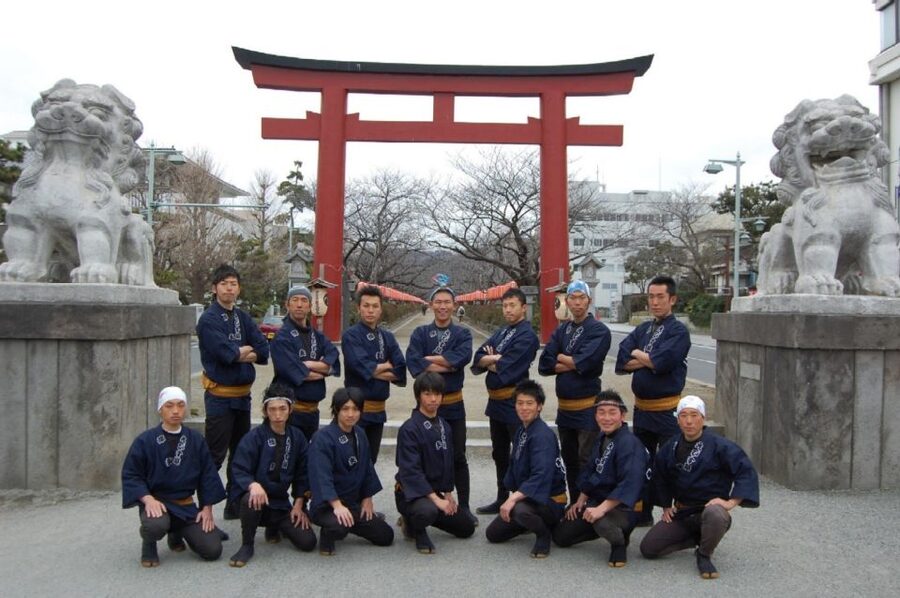
- Private and customizable: you ride one-on-one with a guide who can tailor the route to you
- Great Buddha (Daibutsu) up close: included on the longer options
- Tsurugaoka Hachimangu views: on the 2h10 and 3h10 routes, you climb up for the panorama
- Hokokuji Temple gardens: included on the 1h10, 2h10, and 3h10 routes
- Photo stops that actually matter: including an Instagram-worthy spot, plus a souvenir postcard and sticker
A private Kamakura rickshaw that feels personal, not rushed
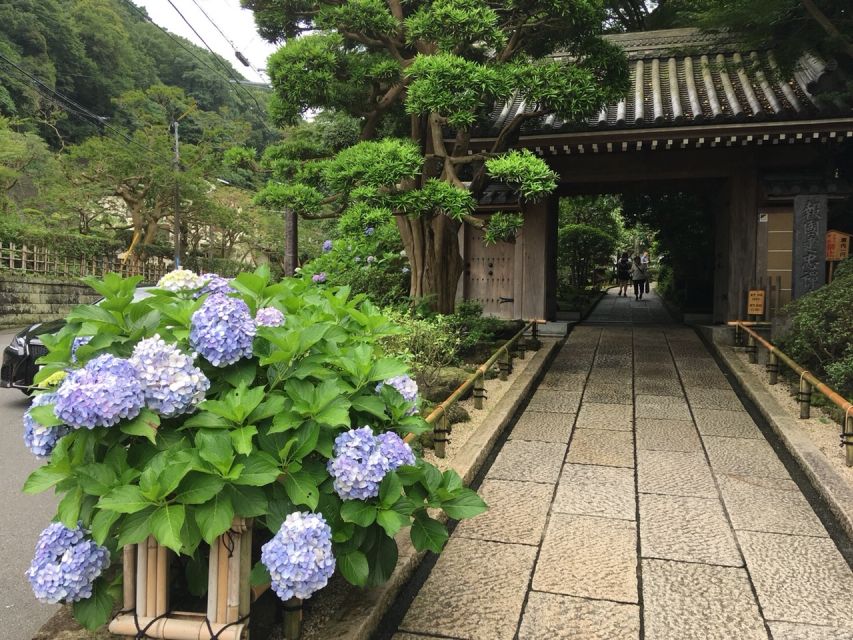
Kamakura has a way of pulling you in. The streets and temple grounds feel old, but if you try to do everything on your own, you can end up zig-zagging and missing the best views. A private rickshaw solves that fast. You’re not fighting crowds, you’re not guessing what order to do things in, and you’re not stuck walking longer than you planned.
What makes this tour especially appealing is the combo of heritage sites + built-in breaks. You’re not just moving from one landmark to the next; you’re stopping at the places that define Kamakura’s past. And because it’s private, the guide can keep the route sensible for your pace, not someone else’s checklist.
You can also read our reviews of more tours and experiences in Kamakura.
Your rickshaw ride rules (small details that matter)
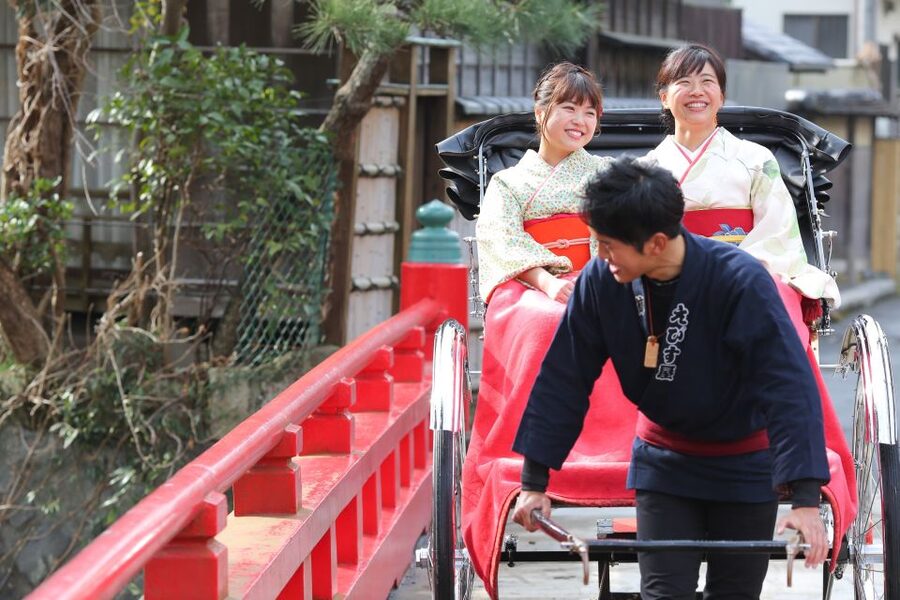
- You’ll share a rickshaw with up to 2 adults.
- Each rickshaw is 74 cm (21.1 inches) wide, so if you’re wider than average or you’re traveling with more than two people, you might find it more comfortable to book separate rickshaws.
- Selfie sticks are not allowed, so if you’re a big photo person, switch to normal phones and cameras.
Choosing your timing: 45 minutes vs 1h10 vs 2h10 vs 3h10
This is one of the smartest parts of the experience: you pick a duration that matches your day. You’re not forced into a long tour if you’re tired, and you’re not stuck doing a short one if you want the full set of highlights.
Here’s how the timing changes what you’ll see:
The 45-minute option: best for a quick hit of the center
This shorter route focuses on getting you oriented and into the core sites fast. You’ll go through the center of town, passing Otori Gate and Tsurugaoka Hachimangu Shrine. Then you’ll return toward the station through side streets, with chances to see temples and expansive grounds along the way.
This is ideal if:
- you’re arriving with limited time,
- you want a taste of Kamakura,
- or you’d rather save your energy for food, shopping, and extra wandering.
The 1 hour 10 minutes option: add Hokokuji gardens
If you want a more scenic, slower-feeling stop, this is the sweet spot. You still get the core route, and you also visit Hokokuji Temple, where you can wander through the famous gardens. That “wander” time matters—gardens don’t work well if you rush them.
This timing is a good choice if:
- you like quieter breaks,
- you want a temple stop that feels less like a photo sprint,
- or you’re pairing the tour with a relaxed afternoon elsewhere.
The 2 hours 10 minutes option: city views + the Great Buddha
This option adds the bigger “wow” elements. You climb up all the way to Tsurugaoka Hachimangu Shrine to enjoy views over the city. It also includes a visit to the Daibutsu, the Great Buddha statue, and it’s paired with photo opportunities.
Choose this if you want:
- the city view moment,
- the Great Buddha as a centerpiece,
- and a route that feels like a full morning or afternoon plan.
The 3 hours 10 minutes option: the full highlight package
This is the all-in route that includes everything: the shrine area, the garden stop at Hokokuji, the Great Buddha, and the city-view climb. If Kamakura is a top priority day trip or you’re short on time later in your trip, this is the version that reduces decision-making.
Otori Gate, Tsurugaoka Hachimangu, and those city-over-view moments
Kamakura’s famous for its religious and historical sites, but the tour makes something clear fast: elevation and approach matter. Even if you’ve never visited before, you’ll feel the difference between the flatter town center route and the climb up toward the shrine.
On the 45-minute version, you pass Tsurugaoka Hachimangu Shrine and move through side streets afterward. It’s a fast way to connect the dots: gate, shrine area, then the calmer temple grounds beyond.
On the 2h10 and 3h10 versions, you actually climb up all the way to the shrine to enjoy views over the city. This is the moment where the rickshaw stops being just transport and becomes part of the scenery. You’re not grinding up hills; you’re using the ride to get you into the right viewpoints.
Practical tip: if you’re photo-focused, you’ll want to use the photo stops at the shrine area. Views over a city can be quick, and light changes fast in open spaces.
Great Buddha (Daibutsu) up close: the stop that anchors the whole tour
The Great Buddha is the headline for a reason. On the longer routes, the tour takes you to the Daibutsu, and the key promise here is simple: you see it up close. That changes the feel completely. It’s not the same as glimpsing it from far away or seeing a photo and hoping it matches reality.
For me, what makes this stop valuable is that it’s not just a “check the box” add-on. It’s placed as a centerpiece, especially on the 2h10 and 3h10 options. You get a clear narrative to the day: shrine area and climb for the city views, then the Great Buddha as the powerful cultural center.
Photo stops aren’t random here
You’ll have photo stops on the tour, including time for the spot that’s described as the most Instagram-worthy. Since the tour is private, your guide can help you time photos without turning it into a long delay for everyone else.
Hokokuji Temple gardens: why the longer tours feel calmer
If you pick the 1h10 route or longer, you add Hokokuji Temple, with time to wander the famous gardens. This is where the experience shifts from “seeing landmarks” to “spending time in a place.”
Gardens work best when you’re not rushing. Even a short wander changes your perception—plants, paths, and views have a rhythm. The tour structure gives you that rhythm instead of turning everything into continuous movement.
If your schedule allows, I’d lean toward at least the 1h10 option. It’s a small add-on that makes the day feel less like a sprint.
Photo-ready details: postcards, stickers, and on-the-route guidance
Some tours give you photos. This one builds in photo stops, including the Instagram-friendly spot. That matters because timing and angles are where most self-directed photo plans fall apart.
Another small value-add is the included souvenir postcard and sticker. It’s not life-changing, but it’s the kind of thoughtful closure that makes the memory feel official—especially if you’re traveling with kids or you like collecting travel keepsakes.
And yes, the guide experience can make a big difference. In recent feedback tied to this tour, guides were described as pleasant, friendly, and giving helpful context as you ride. One guide named Satoshi was specifically praised for being informative and for making the stops feel easy and fun, including helping with photos.
Getting to the meeting point and keeping the day smooth
Meet your guide just outside the tour office building, and it’s less than 90 meters down the street from Tsurugaoka Hachiman-gu Shrine. That’s close enough that you won’t feel stranded in a confusing maze of directions—still, it’s smart to arrive a few minutes early so you’re not starting the tour stressed.
Food and drinks: plan for extras
Food and drinks aren’t included, so you’ll want to plan a snack stop or meal before or after your ride. On a day that includes a climb and garden wandering, a quick pause for water can help you enjoy the sites more.
Expect some walking and climbing
Even though you’re in a rickshaw, the tour includes a climb “all the way up” to Tsurugaoka Hachimangu Shrine on the longer versions, plus time to wander gardens and move between stops. If you have limited mobility, the tour is wheelchair accessible and stroller-friendly, but it’s still worth choosing the right duration.
Price and value: what $51 buys in a private Kamakura heritage ride
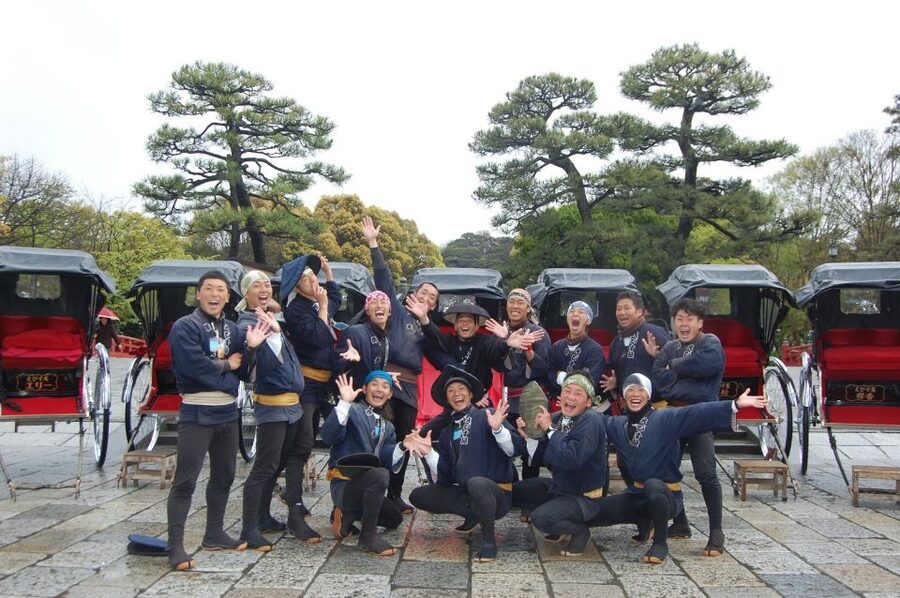
At $51 per person, this tour sits in the “worth it if you value convenience” category. You’re paying for private access, a rickshaw, a live guide, and built-in photo stops—plus a couple of small souvenirs.
What you’re not paying for is also clear:
- admission fees (not included),
- transportation to Kamakura,
- hotel pickup and drop-off,
- and food and drinks.
So the best value comes when you avoid extra spending caused by admission stacking or missed time. A guided route can reduce backtracking, and private transport can save energy for the views that matter.
The big value lever: pick the duration that matches your goals
- If you just want the highlights quickly, the 45-minute option can be efficient.
- If you want one “calmer” nature element, go 1h10 for Hokokuji gardens.
- If you want the Great Buddha plus the city view climb, choose 2h10.
- If Kamakura is your main destination day and you don’t want to compromise, 3h10 is the easiest way to see it all without hard decisions.
Who should book this tour (and who should skip it)
This tour is ideal if you:
- want a private way to see Kamakura’s top heritage sites,
- like photo stops and don’t want to plan them yourself,
- want a guide to connect the route to the area’s story.
You should think twice if:
- you’re in the first 16 weeks of pregnancy (not recommended),
- you have back problems (not suitable),
- you rely on selfie sticks (not allowed),
- or you’re traveling in a setup that doesn’t fit the rickshaw size and seating rules (remember the rickshaw is 74 cm wide, and it’s designed for up to 2 adults).
Should you book the Kamakura Private History and Heritage Tour?
Yes, if you want a smooth, efficient way to see Kamakura’s best-known sites with the right amount of time at the places that matter. I’d book it when you’re short on time, want private pacing, and care about getting close to the Great Buddha and capturing the shrine-area views.
If you’re flexible with your schedule, this tour’s main advantage is that you can pick the duration that fits your day instead of forcing a one-size route. And if you’re traveling as a couple or with a small group, it’s also a smart way to reduce walking stress while still getting real time in gardens and shrine grounds.
FAQ
How long is the Kamakura private rickshaw tour?
The tour runs from 45 minutes up to 3 hours 10 minutes, depending on the option you choose.
What are the tour duration options?
You can choose among four durations: 45 minutes, 1 hour 10 minutes, 2 hours 10 minutes, and 3 hours 10 minutes.
What does the 45-minute tour include?
It covers the center of town, passing Otori Gate and Tsurugaoka Hachimangu Shrine, then returns via quaint side streets past temples with expansive grounds.
What’s added on the 1 hour 10 minutes tour?
It includes a stop at Hokokuji Temple, where you can wander through the famous gardens.
What’s added on the 2 hours 10 minutes tour?
You climb up to Tsurugaoka Hachimangu Shrine for city views and also visit the Daibutsu, the Great Buddha statue.
What’s included on the 3 hours 10 minutes tour?
It includes the sights from the other options, including the shrine area, Hokokuji Temple gardens, the Great Buddha, and the city-view climb.
What is included in the price?
The tour includes a private rickshaw ride, photo stops, and a souvenir postcard and sticker.
Are admission fees included?
No. Admission fees are not included.
Where do we meet the guide?
You’ll meet your guide just outside the office building, less than 90 meters down the street from Tsurugaoka Hachiman-gu Shrine.
Is the tour wheelchair accessible, and can children ride?
The tour is wheelchair accessible and stroller-friendly. Each rickshaw fits up to 2 adults, and up to 2 children aged 5 and under can ride with the adults on laps; if a child under 6 needs their own seat, they must pay adult price.
Is it suitable for pregnant women or people with back problems?
It’s not suitable for pregnant women, and it’s not recommended for expecting mothers in the first 16 weeks. It’s also not recommended for people with back problems.