REVIEW · TANGIER
Tangier Jewish heritage tour
Book on Viator →Operated by Upscale Tours Tangier · Bookable on Viator
Tangier’s Jewish trail connects the coast to the Medina. This private heritage tour strings together Cap Spartel, the Medina’s Jewish quarter, and visits to synagogues and Tangier’s old Jewish cemetery, with a certified guide explaining how the pieces fit. It’s a smart way to see places you might otherwise walk past without knowing what they mean.
I especially like the balance here: you get sea-and-sky orientation at Cap Spartel and Caves of Hercules, then the day shifts into walking routes through the markets and the Jewish section. I also like that the guide doesn’t just point at buildings; you’ll get stop-by-stop context, and you’ll actually see the names tied to the synagogues you come for—places such as Moshe Nahon and Rebi Akiba, plus the Jewish cemetery Beit Hahayim.
One consideration: a few key sights have admission fees that are not included, so check your budget for tickets at Cap Spartel and the Caves of Hercules (while the Medina and market-side stops do include admission).
In This Review
- Key takeaways before you go
- Tangier’s Jewish heritage, from sea air to synagogue streets
- Cap Spartel: your quick orientation point above the meeting of seas
- Hercules Caves: short visit, admission extra, good story value
- Entering the Medina: where the markets lead you toward heritage
- Gran Socco to Petit Socco: using squares as your wayfinding tool
- Jewish quarter walk: synagogues, names, and respectful pacing
- Beit Hahayim: the Jewish cemetery and why the visit needs time
- Tangier American Legation Museum: passing by with context
- Timing, walking, and what 4 to 5 hours really means
- Price and value: is $146.84 worth it?
- Who this tour suits best (and who might skip it)
- Should you book the Tangier Jewish heritage tour?
- FAQ
- How long is the Tangier Jewish heritage tour?
- Is pickup offered?
- What’s included in the price?
- Are entrance fees included for Cap Spartel and the Caves of Hercules?
- Is this a private tour?
- What happens if the weather is poor?
Key takeaways before you go
- Private certified guide: You’re not sharing with strangers, so questions land faster.
- Real neighborhood walking: Gran Socco and the Jewish quarter make the heritage feel like part of daily life.
- Synagogues + cemetery in one route: You’re not just seeing one highlight—you get the full arc.
- Coast stops with optional camel ride: Cap Spartel adds dramatic views, with a camel option along the way.
- Some admissions are extra: Cap Spartel and Hercules Caves tickets are not included.
Tangier’s Jewish heritage, from sea air to synagogue streets
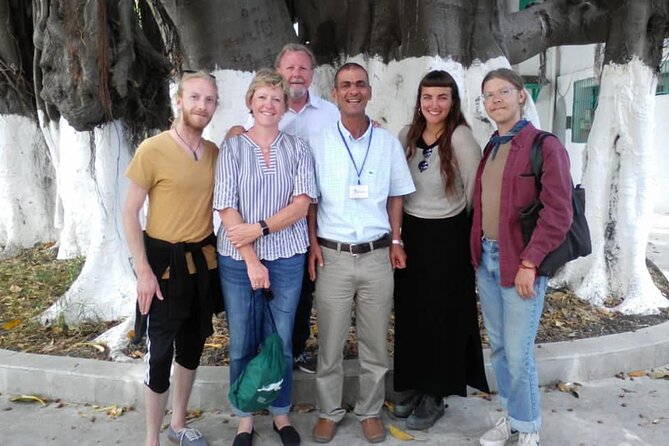
Tangier can feel like a lot when you first arrive—new streets, new smells, lots of story layered into the same corner. This tour helps you get your bearings fast by structuring the day around three zones: the coast (Cap Spartel and the Hercules area), the old city (Medina), and the Jewish quarter route through synagogues and Beit Hahayim cemetery.
The big win is that the tour treats the Jewish heritage as more than a single museum moment. You’ll move from landmarks in the French and Spanish/American-influenced areas toward the older warren of lanes where the Medina lives, and then into the part of town associated with Jewish religious life and community memory.
In the reviews, the guide Hamid stands out for knowing how to connect Tangier’s geography to the story of the community. That’s exactly the kind of skill you want on a heritage route, because the names and locations can be hard to untangle without a good local guide.
You can also read our reviews of more historical tours in Tangier

Cap Spartel: your quick orientation point above the meeting of seas
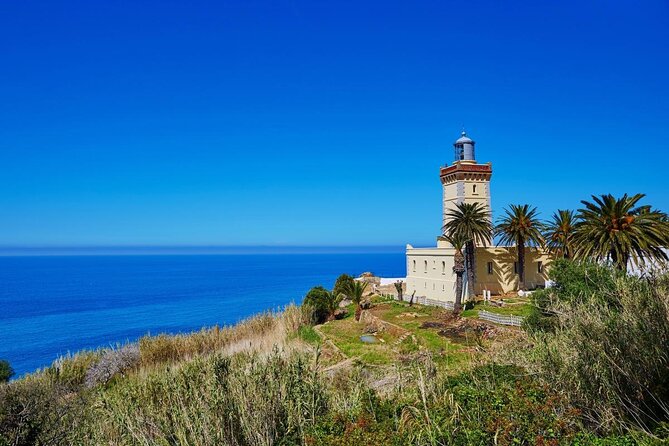
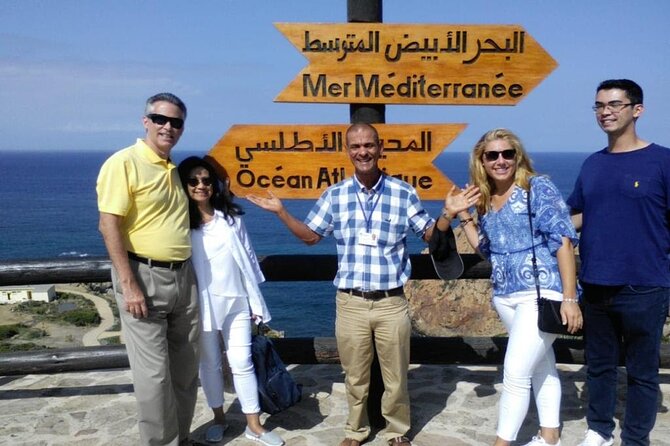
The tour starts with Cap Spartel, about 14 km west of Tangier, with roughly 20 minutes set aside for the visit. This is one of those stops that makes the rest of the day click. From here, you’re looking at where the Mediterranean and the Atlantic meet—Africa on one side of the mental map, Europe on the other.
Even with limited time, it works as a framing device. When you later walk the Medina, you’ll have a coastal reference point in your head: this city isn’t just an old town maze; it’s a trading-and-travel crossroads.
There’s also an optional camel ride mentioned in the tour description. If you’re tempted, it’s a fun add-on because it changes how you experience the slope and shoreline angle. Just remember that optional activities can make timing feel a bit tighter later, so keep an eye on the group pace.
One more practical note: admission is not included for Cap Spartel, so plan for that if you’re hoping to treat it like a seamless, all-in-one ticket day.
Hercules Caves: short visit, admission extra, good story value
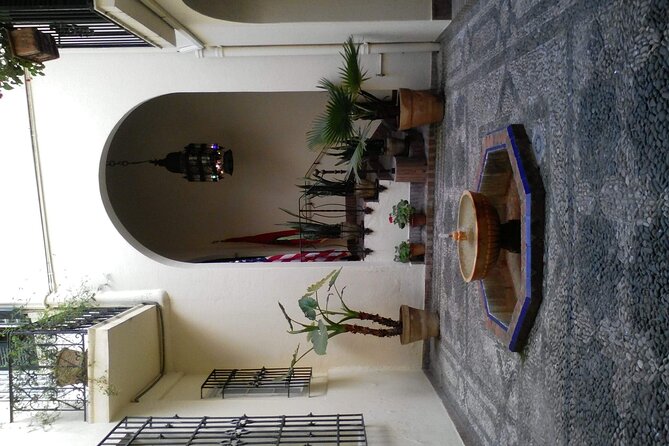
Next up: the Caves of Hercules. Expect about 45 minutes at this stop. The theme here is spectacle and legend. Even if you’re not there for a deep spelunking fantasy, it’s a useful break in the schedule and a chance to see another layer of Tangier’s “myths tied to real place” vibe.
Ticket-wise, admissions are also not included for the caves. That means you’ll want to factor in a bit of cash or card readiness for the entrance, rather than assuming everything is handled for you.
For timing, 45 minutes is reasonable. It gives you time to walk through at a comfortable pace, take a few photos, and reset before the day becomes more concentrated on walking in the Medina lanes.
Entering the Medina: where the markets lead you toward heritage

The heart of the tour is the Medina of Tangier, with around 2 hours allocated and admission included. This is where the day turns from “getting the layout” into “seeing how the city lives.”
You’ll start near major market areas, including Grand Socco (often described as a central square and market zone). The tour includes a market walk covering vegetables, fruits, spices, meats, and fish—so you’re not just strolling for Instagram; you’re moving through the kinds of stalls that shape what Tangier food culture feels like.
There’s also a Garden of Mindobia included as part of the market-side stop. That’s a nice pressure valve during a walking-heavy portion of the day. Market streets can run together; a small green pause helps your brain sort what you saw.
Here’s what makes this section valuable: the guide can connect the commerce and street layout to where community life later shows up in the form of Jewish institutions. If you’ve ever visited a city and wondered where the stories actually “fit” into the streets, this structure helps.
Gran Socco to Petit Socco: using squares as your wayfinding tool
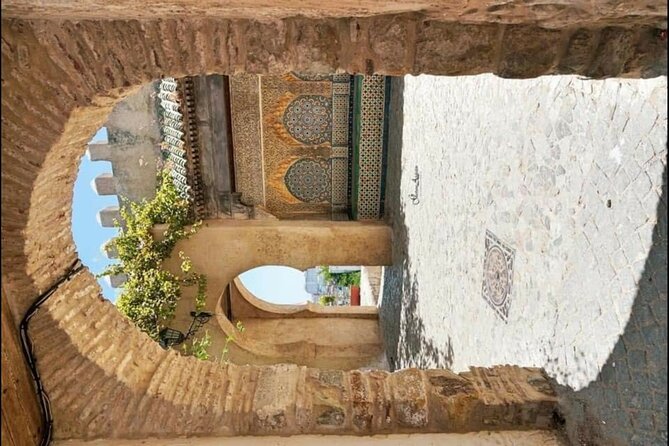
After the longer Medina block, you’ll hit Place du Grand 9 Avril 1947, which functions like the larger anchor area for Gran Socco. The tour lists about 45 minutes here, with admission included, so you should treat this as your main market-and-street orientation stretch.
Then comes Petit Socco, about 15 minutes with admission included. This is shorter, but it matters. Petit Socco is a good “last look” point before you shift from open squares into the more focused Jewish-quarter streets and synagogue route.
If you’re trying to photograph street scenes without getting lost, squares like these are your checkpoints. Even when the lanes turn narrow, these open spots make the city feel navigable again.

Jewish quarter walk: synagogues, names, and respectful pacing
This is the part you book for, and it’s handled with a walking rhythm that doesn’t rush past the details. The tour routes through the Jewish section and includes visits tied to several synagogue names, with specific stops such as Moshe Nahon Synagogue and Rebi Akiba.
You’ll spend about 15 minutes at the Moshe Nahon stop, and the itinerary also indicates you’ll visit Rebi Akiba as part of the synagogue-area routing. In the tour overview, other synagogue names appear as part of the broader Jewish heritage route, so you’re getting the sense of a community landscape rather than one isolated building.
What I like about this segment is the way a good guide can handle sacred sites without turning them into a checklist. You’ll want to keep your voice down, move at an unhurried pace, and follow any guidance from the guide on what’s appropriate to photograph or how to observe.
The route through synagogues also helps you understand something practical: these buildings are often embedded in everyday streets. That’s why having local explanation matters. Without it, you may notice beautiful architecture but miss the deeper “who worshipped here, and what did that life look like” context.
Beit Hahayim: the Jewish cemetery and why the visit needs time
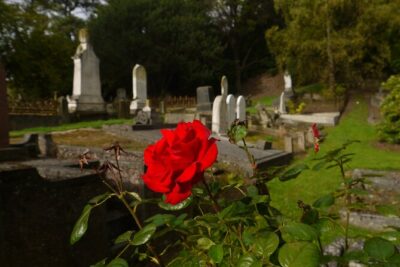
Next is Beit Hahayim – Jewish Cemetery of Tangier, with about 15 minutes listed. This is a shorter stop by clock time, but it carries emotional weight.
The value here is simple: visiting the cemetery gives the tour a sense of continuity. Synagogues tell you about prayer and community life; a cemetery connects that life to memory and generations. It’s also a reminder that heritage tourism should be quiet, not performative.
If you’re the type who likes to take notes, this is a good moment. Keep your questions gentle and focused: ask about names, traditions, or how the cemetery fits into community history. A certified guide can usually answer without turning it into a lecture.
Also, because time is limited, don’t plan on treating this as a long “wander and read everything” experience. Instead, go in ready to absorb what you can and let the guide’s context do the heavy lifting.
Tangier American Legation Museum: passing by with context

You’ll also pass by the Tangier American Legation Museum, described as a quick stop (about 10 minutes) where you’ll get explanations, but admission is not included.
That’s an efficient choice. It keeps the tour’s focus on the Jewish heritage route while still acknowledging how Tangier’s broader international history overlaps the city’s local stories. You might not go inside, but you’ll come away with enough context to know why the legation site matters when you see it later on your own.
If you’re the type who always wants to add “one more museum,” you can follow up later. But for this specific itinerary, skipping admission keeps the day from stretching too long.
Timing, walking, and what 4 to 5 hours really means
The tour runs about 4 to 5 hours total. That’s a sweet spot for Tangier: long enough to hit coast viewpoints, market areas, and heritage sites, but short enough that the day doesn’t swallow the rest of your plans.
You’ll travel by an air-conditioned vehicle and there’s pickup offered (so you’re not managing multiple taxis while you’re trying to learn a new neighborhood layout). The route still includes walking—especially through market areas and the synagogue/cemetery side of things—so comfortable shoes matter.
Also pay attention to the time window. The tour operates Monday through Sunday, 9:00 AM to 4:00 PM across the listed season. If you’re visiting in hotter months, earlier starts can be a bigger quality-of-life difference, even if the schedule doesn’t explicitly tell you that.
One more small practical note: coffee and/or tea are not included, so plan a quick drink stop either before you start or during a break you can build into the day.
Price and value: is $146.84 worth it?
At $146.84 per person, this tour isn’t a budget snack. But for Tangier, it can be good value if you want a guided route that actually ties the story together.
Here’s what you’re paying for, based on the included items:
- Private certified guide (not just audio narration)
- Air-conditioned vehicle
- Admission included for the Medina section and market square stops
- Mobile ticket and pickup offered
What’s not included:
- Admission at Cap Spartel and at the Caves of Hercules
- Coffee/tea
So the “value equation” depends on whether you’d otherwise pay for a guide and multiple paid entrances. If you plan to wander the Medina on your own, you can do it cheaply—but you’ll likely miss the synagogue names, the community context, and the cemetery significance. This tour is built to reduce that guessing game.
Also, the private format can be a quiet advantage. Fewer people means your guide can slow down when you need it, especially at religious sites.
Who this tour suits best (and who might skip it)
This tour fits you best if you want:
- A structured walking route through the Medina and Jewish quarter
- A guide who can explain places tied to Moshe Nahon, Rebi Akiba, and Beit Hahayim
- A mix of views and heritage, not just one type of stop
You might consider another option if you:
- Strongly prefer a self-paced tour with no guide-led interpretation
- Hate paying extra for entrance tickets (since at least Cap Spartel and the Hercules Caves have admissions not included)
- Want a long, slow museum-style day (this is about 4–5 hours and includes multiple site changes)
Good weather matters for the experience, and the tour description notes it requires good weather. If conditions aren’t right, you should expect a different date offer or a full refund.
Should you book the Tangier Jewish heritage tour?
If your goal is to understand Tangier’s Jewish heritage in a way that feels grounded in place—not just in a textbook—you’ll likely appreciate this itinerary. The combination of coastal orientation, a Medina market route, and actual visits to synagogues and Beit Hahayim makes it feel complete for a half-day plan.
I’d book it if you value a guide who gives context without rushing you, and if you like the idea of walking through everyday streets while learning what those streets mean. Based on the strong reviews highlighting Hamid’s expertise and careful, well-paced guidance, this is the kind of tour where the guide can make the difference between seeing and understanding.
If you want, tell me your travel dates and whether you’re more into architecture, community story, or market culture—I can suggest the best timing within the 9:00 AM–4:00 PM window and what to plan around admissions you’ll pay separately.
FAQ
How long is the Tangier Jewish heritage tour?
The tour lasts about 4 to 5 hours.
Is pickup offered?
Yes, pickup is offered, and the tour also notes it is near public transportation.
What’s included in the price?
The included items are an air-conditioned vehicle and a private certified guide. Admission is included for the Medina and the market/square stops listed in the itinerary.
Are entrance fees included for Cap Spartel and the Caves of Hercules?
No. Admission tickets for Cap Spartel and the Caves of Hercules are not included.
Is this a private tour?
Yes. It’s described as a private tour/activity, meaning only your group participates.
What happens if the weather is poor?
The tour requires good weather. If it’s canceled due to poor weather, you’ll be offered a different date or a full refund.