REVIEW · RIGA
Riga: Jewish History and Heritage Tour
Book on GetYourGuide →Operated by Armands Latvia Guide · Bookable on GetYourGuide
Riga tells Jewish stories in stone and street names. I really liked how this tour moves from living heritage to Holocaust memory, with a clear guide and a small group that makes questions feel easy. My favorite moment is the stop at the Peitav Shul synagogue, still in use, where you’ll learn how Torah scrolls were saved.
I also loved the way you connect history to place in the Maskavas suburb, with its old wooden housing and practical details about institutions that kept serving the community. The walk-in-town style plus the architecture clues around buildings tied to Mikhail (Michael) Eisenstein helped Riga feel real, not like a list of facts.
One thing to plan for: the tone gets heavy at the memorial sites, and on Shabbat or other Jewish religious holidays the synagogue and the Riga Ghetto Museum are closed.
In This Review
- Key points at a glance
- Riga’s Jewish history, told in streets you can actually see
- Meeting Armands and keeping the group tight
- Peitav Shul: the synagogue that stayed alive
- The Old Town walk: architecture as evidence
- Maskavas suburb: everyday heritage in wooden houses
- Isaiah Berlin’s house and Riga’s big-name minds
- Great Choral Synagogue site: remembrance where worship once stood
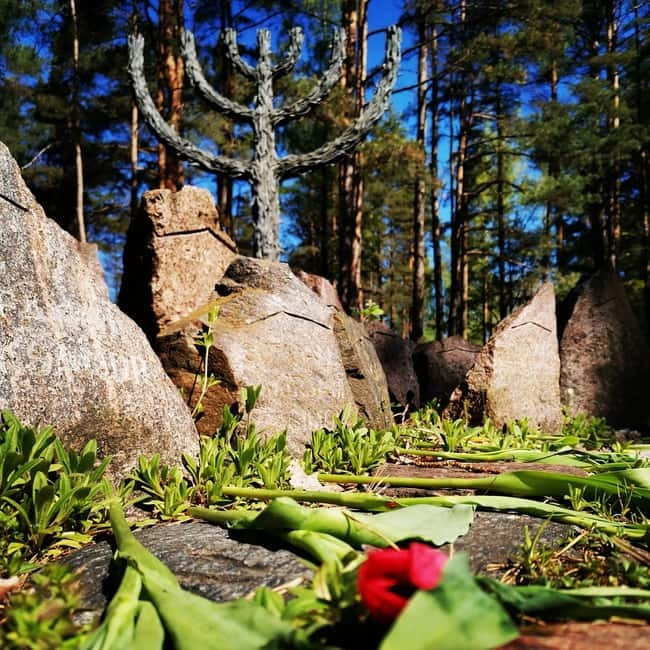
- Rumbula and Biķernieki Forests: memorials for mass murder
- Riga Ghetto Museum: small wooden houses and the names on the walls
- How serious history fits into a 3.5-hour tour
- Price and value: $82 for a focused, small-group format
- Practical tips so you can get the most out of it
- Who should book this Riga Jewish History and Heritage Tour
- Should you book it
- FAQ
- How long is the Riga Jewish History and Heritage Tour?
- How much does the tour cost?
- What languages are available, and how big is the group?
- Do you pick me up anywhere in Riga?
- Which major sites does the tour include?
- Are the synagogue and the Riga Ghetto Museum open on Shabbat and Jewish holidays?
- Are meals included in the tour price?
- Can I cancel and get a refund?
- What should I wear?
Key points at a glance
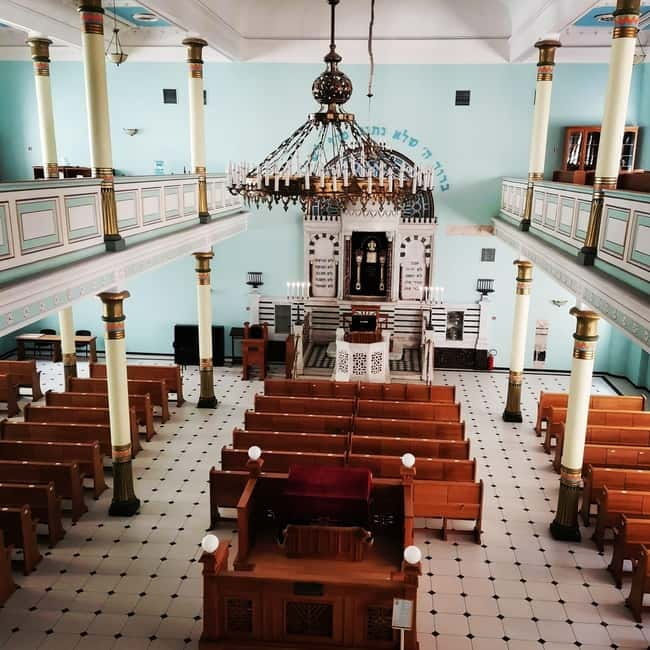
- Peitav Shul synagogue: the only synagogue that survived the Nazi period and is still active today
- Maskavas suburb: former Jewish settlement with distinctive wooden homes and still-used community sites
- Great Choral Synagogue memorial: the site of Die Greise Hor Shul / Gogol Shul now marked as remembrance
- Rumbula and Biķernieki Forests: memorials for the mass murders carried out there
- Riga Ghetto Museum: original small wooden houses and names of more than 70,000 victims engraved on walls
- Small group with Armands: limited to 4 people, guided in English or Russian, with pickup anywhere in Riga
Riga’s Jewish history, told in streets you can actually see
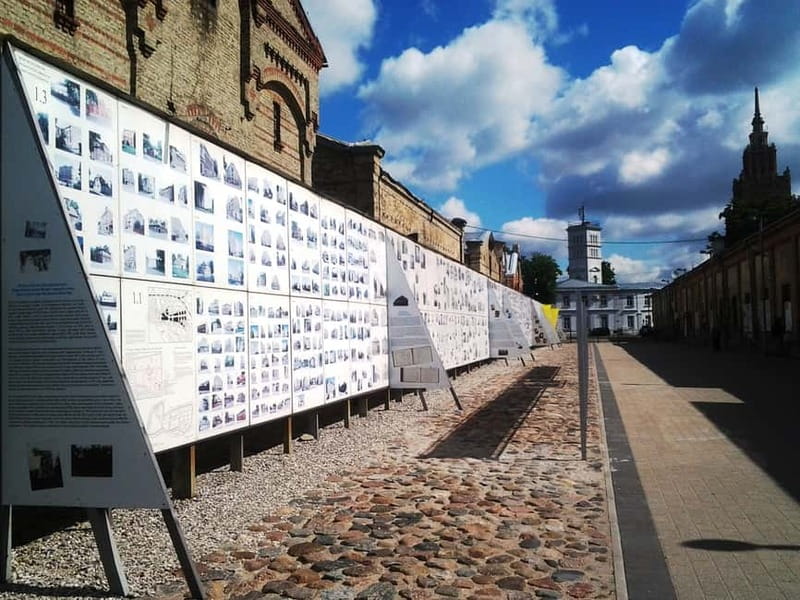
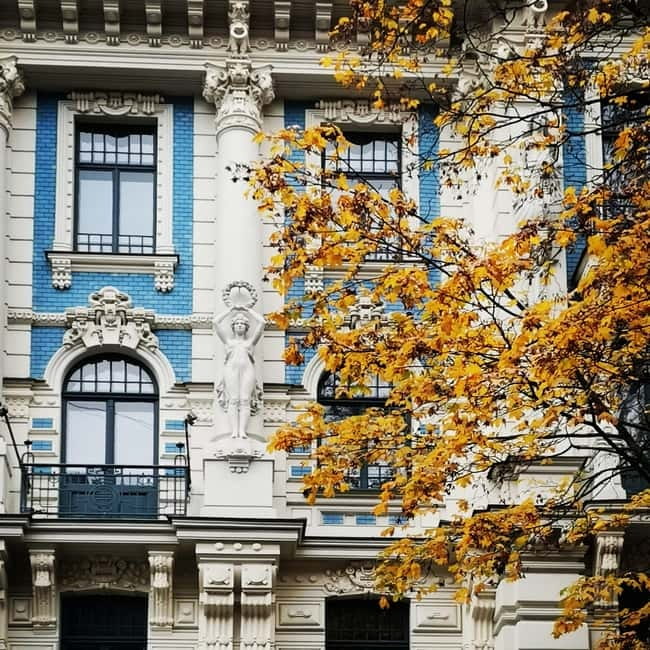
Riga is the biggest city in the Baltics and the capital of Latvia. The Old Town alone is a showpiece, with medieval Gothic gables, Renaissance guild houses, Baroque homes, and Art Nouveau architecture created by Jewish architect Mikhail (Michael) Eisenstein. This tour uses that backdrop for a purpose: you’re not just looking at buildings. You’re learning what those buildings meant to Jewish life before the Nazi period, and what remains after.
This is also one of those rare tours where the history isn’t only in museums. You’ll spend time looking at synagogues, memorial sites, and neighborhoods where community life took root. The pacing stays manageable because the group is small and you travel with a car where needed.
Meeting Armands and keeping the group tight
The guide for this experience is Armands Latvia Guide. In real terms, the small group size matters here. Limited to 4 participants, you’ll get room for questions and clarifications without the usual hurry-up-and-keep-walking feeling.
The tour runs about 3.5 hours, and the timing can shift depending on street traffic. You’re also picked up from any place in Riga, which makes it simpler if you’re staying outside the tight center. The included transport is rated very well, so you’re not worrying about how you’ll get between far-apart stops.
Peitav Shul: the synagogue that stayed alive
You start with the Riga Synagogue, known as Peitav Shul. It’s special for one reason: it survived the Nazi period and still operates today. That matters because it keeps the story anchored in living practice, not only past tragedy.
What I like about this stop is the way it connects physical details to the human challenge of survival. You’ll learn how Torah scrolls were saved, which is the kind of fact that sticks because it’s both specific and deeply personal. If you want one anchor point for the whole tour, this is it.
You should plan for schedules. On Shabbat and other Jewish religious holidays, the synagogue is closed, so if your travel dates line up with those days, you may need an alternate plan.
The Old Town walk: architecture as evidence
Riga’s Old Town can feel like an art project until you learn what to look for. This tour gives you that “what” and “why.” You’ll see the kind of medieval and later architecture that housed Riga’s Jewish community over generations, and you’ll connect that to major names tied to Riga’s 20th-century intellectual and cultural world.
A big thread is Mikhail Eisenstein and his design legacy. You’ll be pointed toward buildings connected to his work and the wider Art Nouveau identity of Riga. The practical takeaway for you: once you notice the style, you’ll spot it on your own afterward. That makes the tour useful even after the 3.5 hours are over.
Maskavas suburb: everyday heritage in wooden houses
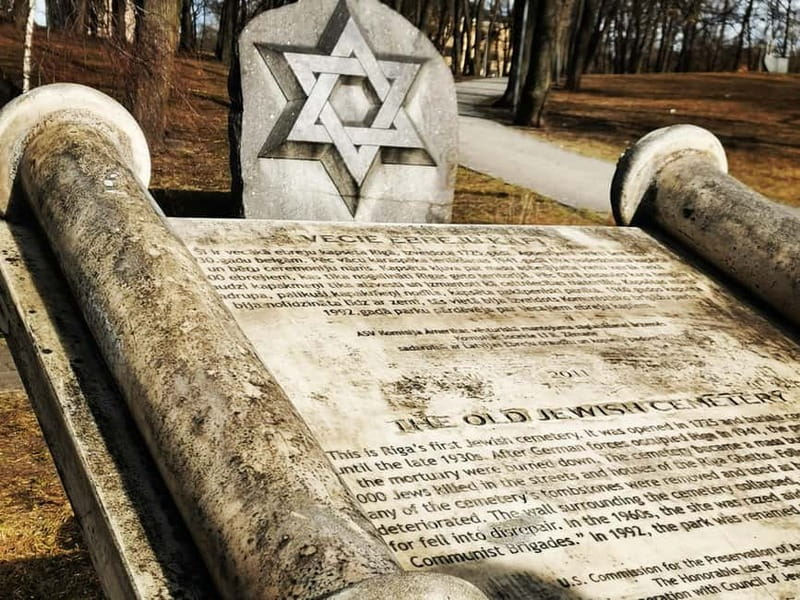
This is one of the most distinctive parts of the tour: the Maskavas suburb with its wooden housing. Think of it as a neighborhood scale snapshot of Jewish life. The area became the main zone of Jewish settlement in the 19th century, and it’s described as a historical Jewish square.
There’s also something quietly powerful about the way this stop is framed. It’s not only about what happened during the Holocaust. You’ll hear how the suburb functioned before the ghetto years and how community institutions continued.
Here are a few details you’ll be shown:
- The first Jewish secular school is now operating as a private Jewish school
- The historical Jewish hospital Bikur Holim is still in use
If you’ve visited enough Holocaust sites, you know the risk of flattening everything into one tragic chapter. Maskavas helps you keep the full timeline in your head: education, health care, streets, buildings, and daily routines—before everything was torn apart.
Isaiah Berlin’s house and Riga’s big-name minds

Riga is known for famous people tied to arts and ideas, and this tour includes a stop at the house where philosopher Isaiah Berlin (1909–1997) lived. You’re not just learning a name; you’re getting a physical link to a person whose thinking carried influence far beyond Latvia.
This works best if you’re the type who likes connecting history to actual places. It also helps with mental pacing. After memorial-heavy stops, a stop tied to philosophy and intellect gives your brain a small breath, while still staying respectful and grounded in context.
Great Choral Synagogue site: remembrance where worship once stood
Another key landmark is the Great Choral Synagogue, known at the site as Die Greise Hor Shul / Gogol Shul. Today, it functions as a memorial. That change is part of the story: buildings tied to community life were destroyed, and in their place you’ll find evidence of Nazi inhumanity and remembrance for those who helped to save Jewish lives.
This is one of those stops where your focus needs to be on what you read on the spot and what the guide connects to the broader timeline. The value is not only the name. It’s the way the guide links the synagogue story to survival efforts and community resilience.
Rumbula and Biķernieki Forests: memorials for mass murder
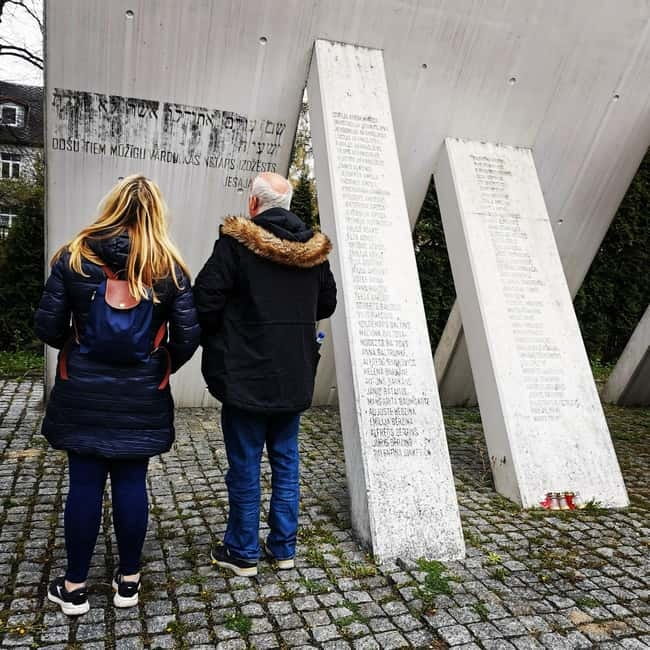
From synagogue life to memorial silence is a big shift. But it’s the shift this tour is built around, and it doesn’t rush you past it.
You’ll see memorials connected to Rumbula and Biķernieki Forests, where mass murders were carried out. These sites aren’t meant for sightseeing. You go there to understand the scale of what happened and to let the setting work on you. If you’re sensitive to dark history, it helps to mentally prepare before you reach these parts of the route.
If you’re traveling with anyone who gets overwhelmed, this is the moment to plan how you’ll handle emotions. Stick close to the group, ask your guide for clarity if you feel lost, and don’t worry about staying quiet longer than you think you should.
Riga Ghetto Museum: small wooden houses and the names on the walls
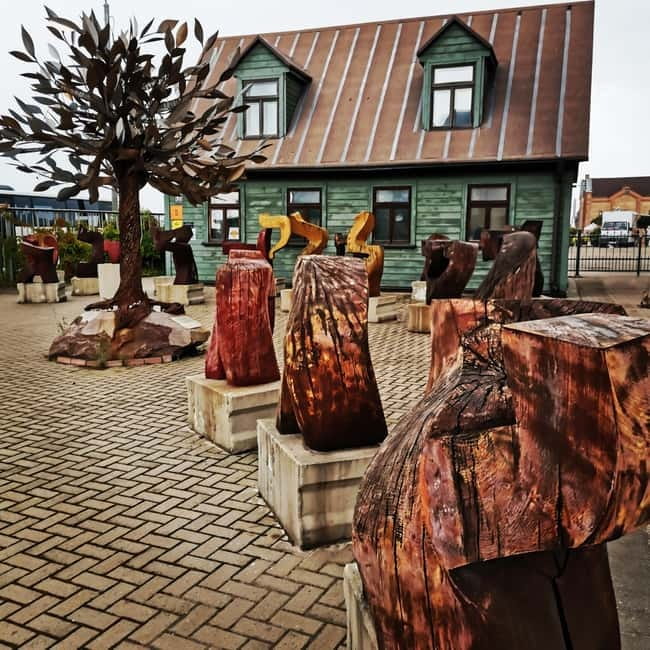
The Riga Ghetto Museum is one of the most powerful parts of the tour because it focuses on what remained. It’s located on the border of the former ghetto territory, and the description highlights something rare: the area experienced no architectural changes, and small wooden houses where people lived still stand.
This makes the past feel close in a different way than a “reconstructed exhibit” can. Instead of asking you to picture life, it shows you the setting. You’ll also see names of more than 70,000 Holocaust victims engraved into the museum walls. That detail changes the tone from historical overview to direct remembrance.
Again, note timing: the Riga Ghetto Museum is closed on Shabbat and other Jewish religious holidays. If your visit overlaps those days, you may need to confirm which stops are still possible.
How serious history fits into a 3.5-hour tour
A 3.5-hour duration can sound short for this much subject matter. Here’s the trick: this tour isn’t trying to cover everything in the region. It’s built around key stops that give you a storyline you can carry with you.
The structure tends to work like this:
- Start with places tied to Jewish worship and survival
- Move into neighborhood scale community life
- Shift to memorial sites and evidence of Nazi crimes
- Finish with museum context and names that bring the victims forward
Because the group is small and you have a guide with a car, you don’t lose time to transportation stress. You still get walking time on the Old Town segment, but you’re not spending the whole day on your feet.
Price and value: $82 for a focused, small-group format
At $82 per person for 3.5 hours, this isn’t the cheapest tour in Riga. But it also isn’t trying to be. You’re paying for three things that add up fast:
- A live guide (English or Russian) who can tie together architecture, community institutions, and memorial context
- Small-group attention (limited to 4 participants)
- Included transport via car and pickup from any place in Riga
When you look at it this way, the price is reasonable for the time you gain and the clarity you get. Also, there are no meals included, so you’ll want to plan for lunch or a snack before and after. That’s not a “deal breaker.” It just means you keep this tour as a mental and emotional appointment, not a half-day food stop.
Practical tips so you can get the most out of it
This is a history-heavy tour. Your comfort will depend mostly on weather and your own pacing.
- Dress according to local weather conditions. Nothing special is required.
- Wear comfortable shoes for the Old Town walking portion.
- If you want the most from the stops, bring a few questions. Armands can help connect details across the route.
Because the tour depends on street traffic for timing, don’t schedule a super tight connection right after the last stop. Build a little buffer.
Who should book this Riga Jewish History and Heritage Tour
This tour is a good fit if you want:
- A focused Jewish heritage and Holocaust memory route in a compact format
- Real place-based context: synagogues, neighborhoods, memorials, and the ghetto museum setting
- A small group experience where you can actually ask questions
It’s also a good choice for architecture lovers. Riga’s Art Nouveau and Old Town layers are part of the story, not background noise.
If you’re only looking for a light, casual city walk, this may feel too serious. But if you want respectful, place-based understanding, it’s one of the best ways to spend a morning or afternoon in Riga.
Should you book it
I’d book it if you want a coherent storyline that starts with surviving Jewish worship and ends with memorial remembrance that doesn’t shy away from names and scale. The Peitav Shul stop gives you living continuity. Maskavas gives you community life and institutions that still matter. Then the memorial sites and the Riga Ghetto Museum do the necessary work of showing what was lost.
The main reason not to book is simple: if your dates fall on Shabbat or other Jewish religious holidays, key sites close. If your schedule is flexible, that’s an easy fix. Otherwise, plan ahead and confirm which stops will be available.
If you do go, go with time to think. This isn’t a checklist. It’s Riga, telling you what happened, where it happened, and what survived.
FAQ
How long is the Riga Jewish History and Heritage Tour?
The tour lasts about 3.5 hours.
How much does the tour cost?
The price is $82 per person.
What languages are available, and how big is the group?
The live guide offers English and Russian. The group is small, limited to 4 participants.
Do you pick me up anywhere in Riga?
Yes. Pickup is included from any place in Riga.
Which major sites does the tour include?
You’ll visit the Riga Synagogue (Peitav Shul), the Great Choral Synagogue memorial site (Die Greise Hor Shul / Gogol Shul), the Maskavas suburb with its wooden housing, the Rumbula memorial, and memorial sites at Rumbula and Biķernieki Forests. The tour also includes the Riga Ghetto Museum, plus a stop at the house where Isaiah Berlin lived.
Are the synagogue and the Riga Ghetto Museum open on Shabbat and Jewish holidays?
No. On Shabbat and other Jewish religious holidays, the synagogue and the Riga Ghetto Museum are closed.
Are meals included in the tour price?
No. Meals are not included.
Can I cancel and get a refund?
Yes. You can cancel up to 24 hours in advance for a full refund.
What should I wear?
You don’t need anything special. Just dress according to local weather conditions.