REVIEW · PARIS
Jewish History Tour of Le Marais
Book on Viator →Operated by Sight Seeker's Paris · Bookable on Viator
Jewish Paris feels close fast. This 4-hour Le Marais Jewish History Tour connects streets you can see—like Place des Vosges and the Art Nouveau synagogue of Hector Guimard—with the human stories behind them, then ends at the solemn Shoah Memorial. I really like the small-group size (up to 14) and the guide style: Karen and Emma are praised for turning the past into something you can understand, with humor that never gets in the way. One possible drawback: the sit-down moment inside an old synagogue can be limited if neighborhood security increases.
You’ll spend the morning moving at a walking pace through one of Paris’s oldest quarters, not just taking photos. I also like that the experience is in English, with a mobile ticket, so you can focus on the route and not paperwork. If you want a full independent museum visit the entire time, note that the tour’s big emotional finish is at Shoah, where you may choose how long to stay on your own.
In This Review
- Key highlights before you go
- Walking Le Marais with a story, not a script
- Le Marais landmarks: Place des Vosges, Hôtel de Sully, and Guimard’s synagogue
- Place des Vosges: a beautiful square with a real neighborhood context
- Hôtel de Sully: an exterior that signals power and presence
- The famous synagogue by Hector Guimard: Art Nouveau, seen with purpose
- A sit-down pause inside one of Paris’s oldest synagogues
- Musée Carnavalet exterior: Paris history without the detour pressure
- L’As du Fallafel lunch: a famous meal, and a smart optional add-on
- The Shoah Holocaust Memorial & Museum: the ending that carries weight
- Price and timing: is $96.33 a good deal?
- Group size, guides, and the style that makes it work
- Who should book this Jewish History Tour of Le Marais?
- Should you book this tour?
- FAQ
- How long is the Jewish History Tour of Le Marais?
- What does the tour cost?
- Is the tour in English?
- Where does the tour start and end?
- Is lunch included?
- Is Shoah Holocaust Memorial museum admission included?
- How big are the groups?
- What if I need to cancel?
Key highlights before you go
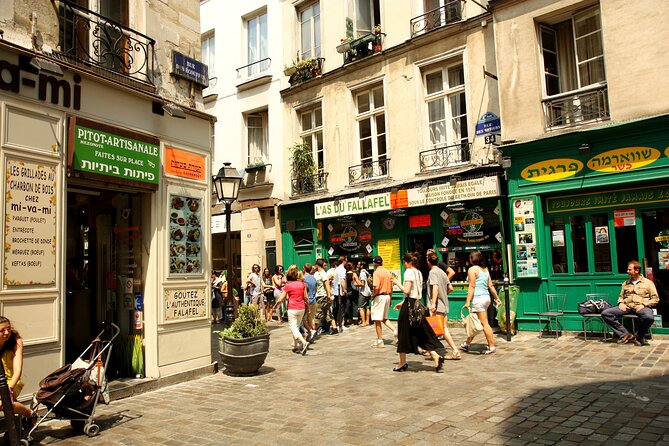
- Le Marais, Paris’s core Jewish neighborhood, plus some of the city’s oldest street views
- Art Nouveau synagogue exteriors by Hector Guimard, seen from the outside as you learn what you’re looking at
- A rare sit-down break inside one of Paris’s oldest synagogues, when security conditions allow
- Place des Vosges and Hôtel de Sully (exterior only) for context beyond the Jewish sites
- VIP lunch option at L’As du Fallafel (not included), if you want an easy, famous stop
Walking Le Marais with a story, not a script
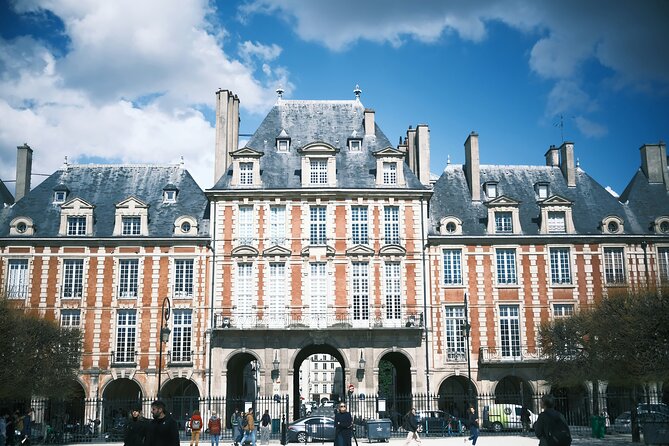
Le Marais is one of those parts of Paris where history keeps showing up in plain sight. You can stand in the middle of the street and feel how layers of time fit together—medieval streets and early modern grand facades sharing the same corners as the Jewish life that shaped the neighborhood. This tour is built to help you read what you’re seeing, instead of just pointing out monuments.
The best value here is how the guide threads meaning through the walk. You’ll hear why each site matters, and how Jewish life in Paris changed over time. You also get a human tone—one guide style that comes up is Karen’s way of keeping stories fresh and warm even in freezing weather, and another is Emma’s talent for making history relatable for teens.
You can also read our reviews of more historical tours in Paris



Le Marais landmarks: Place des Vosges, Hôtel de Sully, and Guimard’s synagogue
You start in the area of Louis XIII Square and settle quickly into the feel of the 4th arrondissement. The tour’s route stays mostly inside Le Marais, which makes the pacing comfortable: fewer long transfers, more time looking closely.
Place des Vosges: a beautiful square with a real neighborhood context
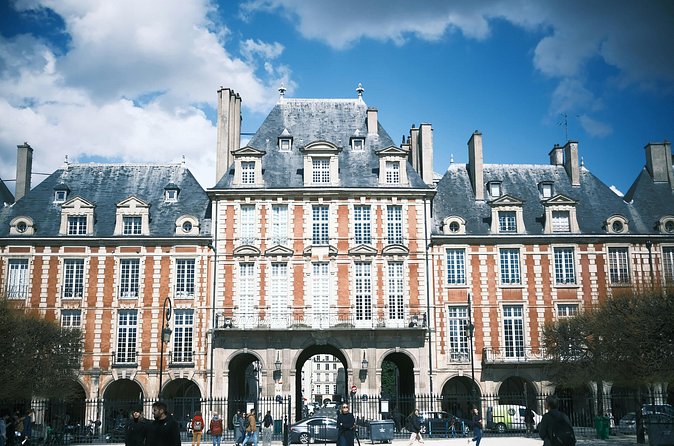
One of your first big visual stops is Place des Vosges, often considered one of Paris’s most striking squares. Here’s why it works on a Jewish history tour: it’s not just postcard scenery. You’re learning to see how a neighborhood can be both elegant and lived-in, and how community life interacts with the city’s major architectural statements.
Hôtel de Sully: an exterior that signals power and presence
Next you’ll see Hôtel de Sully from the outside. You’re not going inside here, but it’s still a useful education. Grand mansions like this help you understand what different social worlds looked like side by side. It’s a reminder that the history you’re hearing isn’t floating in space—it’s tied to real streets, real buildings, and real Parisian hierarchy.
The famous synagogue by Hector Guimard: Art Nouveau, seen with purpose
Then comes one of the tour’s most distinctive visual moments: the famous synagogue by Hector Guimard, again from the exterior. Guimard is linked to Art Nouveau, and this synagogue’s design is a strong contrast to the older, more medieval-looking edges of Le Marais. I like that the tour doesn’t just say Art Nouveau happened. It helps you notice why the architecture mattered, and how a community’s identity can show up in how a building is shaped.





A sit-down pause inside one of Paris’s oldest synagogues
This is the moment that turns a walking tour into something you feel. At some point you’ll take a sit-down history break inside one of the oldest synagogues in Paris, with the important caveat that it can be skipped or shortened in rare cases if neighborhood security increases.
Why that matters for you: sitting down changes the way your brain takes in history. Standing outside is good for sight and atmosphere. Sitting is better for reflection and for hearing details at a human pace. If you’re visiting with kids or teens, this pause can also make the tone less rushed.
Practical tip: if security conditions affect entry, don’t treat it as a failure. On days like that, the guide can usually still make sure you leave with clear context from what you can access.
Musée Carnavalet exterior: Paris history without the detour pressure
You’ll also pass by Musée Carnavalet from the outside. You’re not committing to a full museum visit as part of the timed tour, but the exterior stop helps you anchor the broader picture: Paris history is not one story—it’s many stories overlapping.
For me, the value of this approach is timing. You still get a sense of where to go later if you want, without losing the main emotional arc of the day. If you’re the type who likes to choose your own pacing at the end, this is a smart compromise.
L’As du Fallafel lunch: a famous meal, and a smart optional add-on
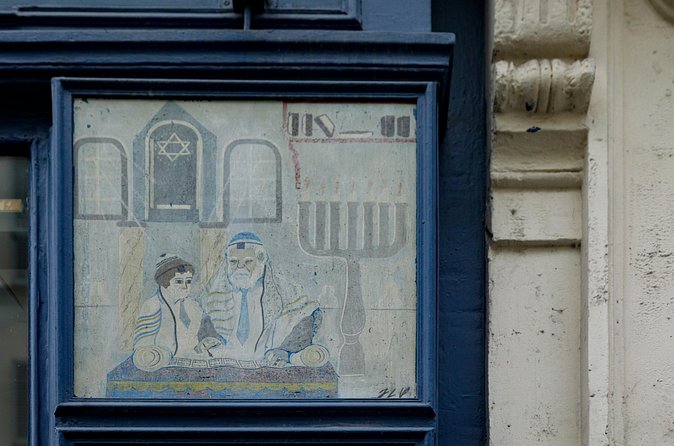
There’s a VIP lunch stop at L’As du Fallafel, but it’s not included in the tour price. Budget about €15 to €25 per person if you choose it.
I like that this is optional. Food choices work better when you can decide based on your appetite and your day. Also, if you’re trying to keep your schedule tight, you can skip lunch and put that time toward the Shoah Memorial experience instead.
If you do go, treat it like a practical reward. This tour includes heavy subject matter, so having a straightforward, well-known meal option can help you stay steady and energized.
The Shoah Holocaust Memorial & Museum: the ending that carries weight
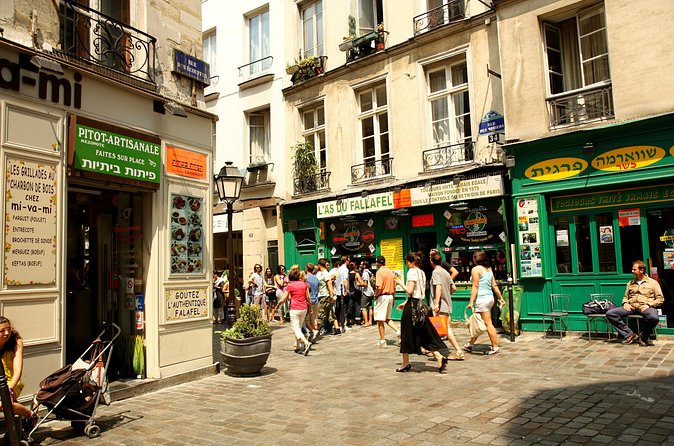
The tour finishes at Mémorial de la Shoah, 17 Rue Geoffroy l’Asnier. This is not a casual stop. You’ll hear stories there, and then you’ll have the option to explore the museum on your own.
Why this ending works: it gives closure, but it doesn’t pretend closure is simple. The guide’s job is to set context and frame what you’re about to see. Then you choose your pace for the museum portion, which is exactly how you should handle something this intense.
A small but important practical note: build in time for your own pace after the tour. Even if you feel ready to move fast, the museum is the kind of place where you’ll want a moment with what’s in front of you.
Price and timing: is $96.33 a good deal?
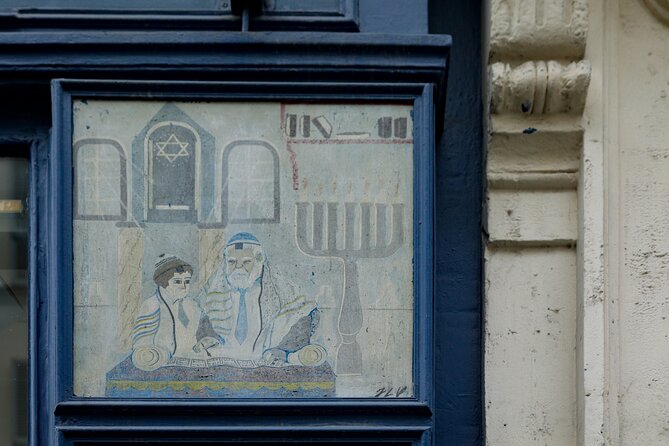
At $96.33 per person for about 4 hours, you’re paying for a guided walk plus the structured emotional arc of a memorial visit. Here’s the value angle that matters:
- You’re not just buying entrance tickets. You’re buying interpretation—why the landmarks matter and how the stories connect.
- The group stays small, with a maximum of 14 travelers, which helps keep the pace human and makes questions more likely.
- The tour uses a mobile ticket and runs in English, so you’re less likely to waste time coordinating logistics in the middle of a tight walk.
Also, the Shoah Memorial museum experience is listed with admission ticket free. That’s a meaningful extra value and helps justify the overall price.
One consideration: if you’re the kind of traveler who dislikes guided time and prefers self-paced touring, you might feel constrained. This tour is more about guided storytelling than about roaming with total freedom.
Group size, guides, and the style that makes it work
With up to 14 people, you’re in a sweet spot for a history walk. Big groups can turn important moments into blur. Here, the pace can stay thoughtful.
The guide tone seems to be a big reason people rate this so highly. Karen is praised for passionate storytelling with humor, and for keeping the experience fresh even in tough weather. Emma is described as making the past feel real—especially for families with teens, where good explanations matter more than memorizing dates.
If you want a tour where the guide handles the storytelling work and you just show up ready to pay attention, this style fits.
Who should book this Jewish History Tour of Le Marais?
This is a strong choice if you:
- Want a focused, readable route through Le Marais without overplanning
- Prefer a guide to explain context, rather than flipping through notes on your own
- Are interested in Jewish Paris history and the architectural footprint it left behind
- Like the idea of ending at Shoah with guided context, then exploring at your own pace
It may be less ideal if you:
- Want a long, independent museum day at full speed (this day includes walking and a guided arc)
- Are uncomfortable with emotionally heavy content, even with a careful structure
Should you book this tour?
If you want an honest mix of landmarks, architecture, and story—then an ending that feels intentional—this is the kind of tour that makes sense. The small group size, the English guidance, and the option to visit the Shoah museum on your own after hearing context are practical wins. Add to that the free admission at Shoah and the straightforward lunch add-on (only if you want it), and the $96.33 price starts to look fair.
Book it if you’d rather learn the neighborhood properly than just collect photos. Skip it if you want a purely casual, self-led walk with no emotional structure at the end.
FAQ
How long is the Jewish History Tour of Le Marais?
The tour runs for about 4 hours.
What does the tour cost?
The price is $96.33 per person.
Is the tour in English?
Yes, it’s offered in English.
Where does the tour start and end?
It starts at Louis XIII Square, Paris, and ends at Mémorial de la Shoah, 17 Rue Geoffroy l’Asnier, 75004 Paris.
Is lunch included?
No. L’As du Fallafel lunch is a VIP stop that isn’t included in the tour price and costs about €15 to €25 per person.
Is Shoah Holocaust Memorial museum admission included?
The Shoah Holocaust Memorial & Museum is listed with admission ticket free.
How big are the groups?
The tour has a maximum of 14 travelers.
What if I need to cancel?
You can cancel for a full refund if you cancel at least 24 hours before the experience’s start time.