REVIEW · BELGRADE
Romantic history tour of Belgrade
Book on Viator →Operated by Tour in Belgrade with Sloba · Bookable on Viator
Belgrade has love stories hiding in plain sight. On this 3-hour small group tour in Old Town, I like that the romance is grounded in real buildings and real people, not just generic legends. You’ll get a clear sense of how power, jealousy, and devotion shaped 19th-century Belgrade.
I also like the included snack and drink, which keeps the walk from feeling like a nonstop lecture. The main drawback: admission tickets aren’t included for the sights you pause at, so if you want to go inside, plan on extra costs or keep expectations focused on the stories around the facades.
In This Review
- Romantic History Tour Belgrade: The Story Behind the Stones
- Key things to know before you go
- Price and what you’re really paying for
- Meeting point, ending spot, and the easiest way to plan your evening
- How Slobodan’s storytelling changes the way you see Belgrade
- Princess Ljubica stop: love, hate, and what power costs
- Art Pavilion Cvijeta Zuzorić: romance as public culture
- Museum of Vuk and Dositej: tragedy with named characters
- Kolarac and the widow man story: faithfulness with a twist
- Royal Palace stop: when love helps end a dynasty
- The included snack and drink: a proper reset for your brain
- Who this tour is best for
- Timing and comfort: the practical stuff that affects your enjoyment
- Should you book this romantic history tour of Belgrade?
- FAQ
- FAQ
- How long is the romantic history tour in Belgrade?
- What does the $42 price include?
- Are admission tickets included for the sights?
- Where do I meet, and where does the tour end?
- What time does the tour start?
- How big is the group?
- Does the tour run in bad weather?
Romantic History Tour Belgrade: The Story Behind the Stones
Belgrade is the kind of city where big emotions still seem to linger on street corners. This tour leans into that. Instead of treating the city like a checklist of landmarks, you’re walking through scenes where love and rivalry affect who rules, who survives, and who gets written into the record.
The real value is the guide. Slobodan (people call him Sloba) tells the stories in very solid English and has a sense of timing that makes history feel like a good plot, not a dry timeline. With a maximum of 10 people, you can hear him clearly and ask questions without the group getting swallowed by the sidewalk crowd.
And yes, there’s romance here. But the romance has teeth. Stories include loyalty that turns into betrayal, public duty versus private feeling, and the way a single relationship can shift the fate of a family or a dynasty.
Key things to know before you go
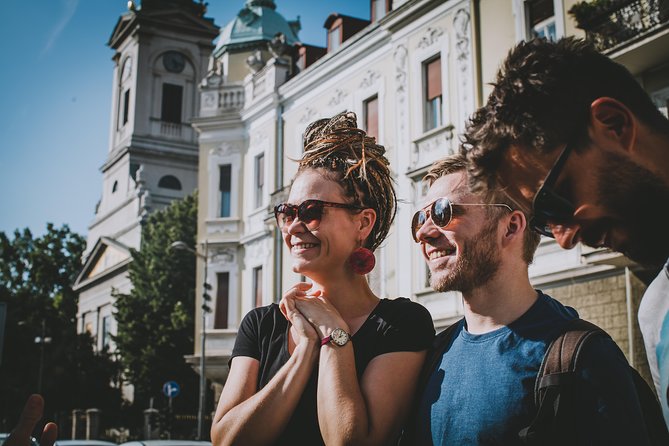
- Small group size (max 10) means a calmer pace and more direct guide attention.
- Four-ish hours at most, about 3 hours total keeps it doable even if you’re also juggling museums and dinner.
- Included snack and drink breaks up the walk and turns the story into a real-world pause.
- Major landmarks get story treatment like the Royal Palace and key spots tied to Serbian literary and political figures.
- Admission tickets aren’t included, so you’re paying mainly for the narration and the walking, not museum entry.
- Starts at 4:00 pm and ends in the Tašmajdan area, so it naturally sets up an evening out.
You can also read our reviews of more historical tours in Belgrade



Price and what you’re really paying for
This tour costs $42 per person and runs about 3 hours. For that price, you’re not just paying for someone to walk you past buildings. You’re paying for a focused storyteller, a small group, and a route designed so each stop connects to a specific theme: love, rivalry, loyalty, and what those feelings do to politics.
The included snack and drink help the value feel more human. It turns a history walk into something closer to an afternoon with a local friend who happens to have great stories—and the timing to match your energy.
The one financial catch is important: admission tickets aren’t included for the stops. That doesn’t necessarily mean you won’t see anything. Many of these pauses are about where the story happened—often from outside. But if you want to step fully inside a museum or special venue, budget extra.
Meeting point, ending spot, and the easiest way to plan your evening
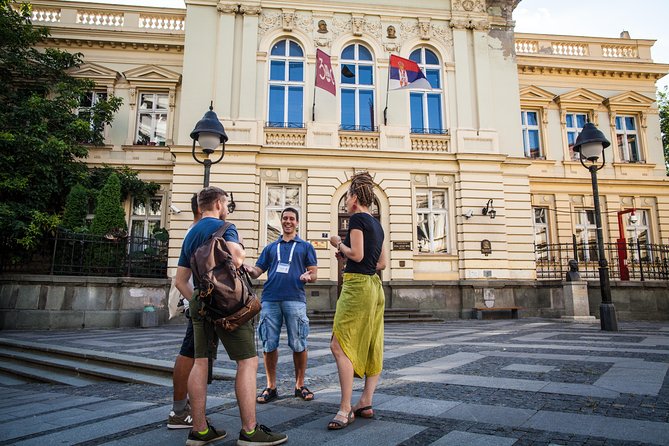
You meet at Gračanička 18, Beograd, Serbia. The tour starts at 4:00 pm. It ends at the Tašmajdan/park area near Palilula, with the final meeting point in the pub called Poslednja šansa.
That ending location is practical. It’s a built-in “what next?” option: you can grab a drink nearby without trekking back across town. Also, the start and end are close to public transportation, so you’re not stuck committing to a long walk afterward.
If you’re trying to fit in other activities, aim for a relaxed evening. This is a narrative tour. You’ll want those last 30 minutes to be leisurely too—no rushing to catch a late dinner reservation.
How Slobodan’s storytelling changes the way you see Belgrade
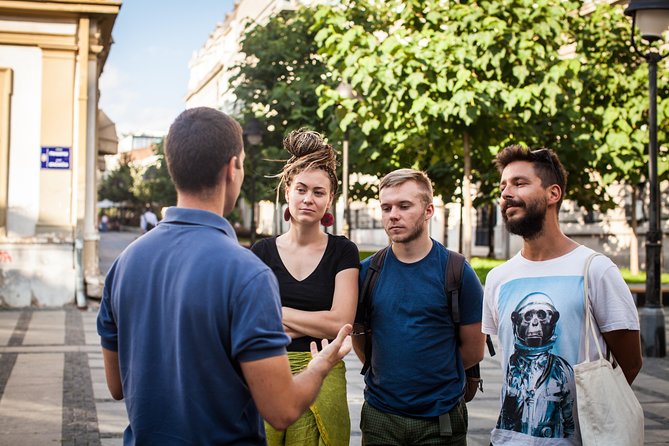
A good history tour can still feel like you’re reading a brochure while walking. This one feels different because the guide builds a cause-and-effect story.
You’ll hear names and relationships you might not catch on a standard sightseeing route: Princess Ljubica, Miloš Obrenović, Miloje Božić, and the family tragedies tied to their era. The guide uses the city’s physical layout—street-facing architecture and landmark viewpoints—to make the story stick.
And the pacing helps. Each stop is roughly 15 minutes. That’s long enough to connect details and personalities, but short enough that you keep moving. You’re not stuck at one spot while the group freezes and the story stalls.
Small-group size also matters for comprehension. With fewer people, you’re more likely to hear every explanation clearly and catch the little turns of humor that keep the mood light when the stories get heavy.
Princess Ljubica stop: love, hate, and what power costs
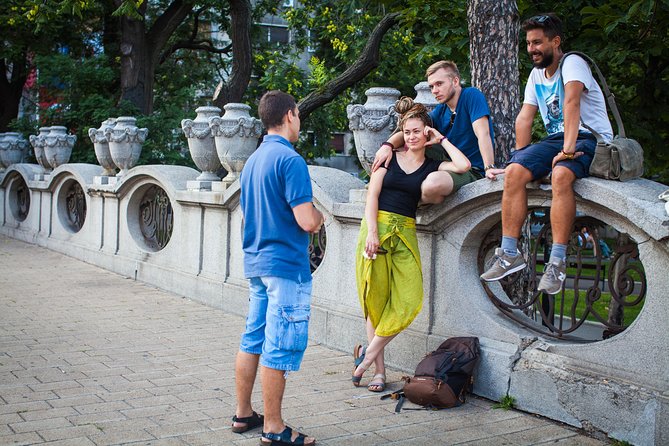
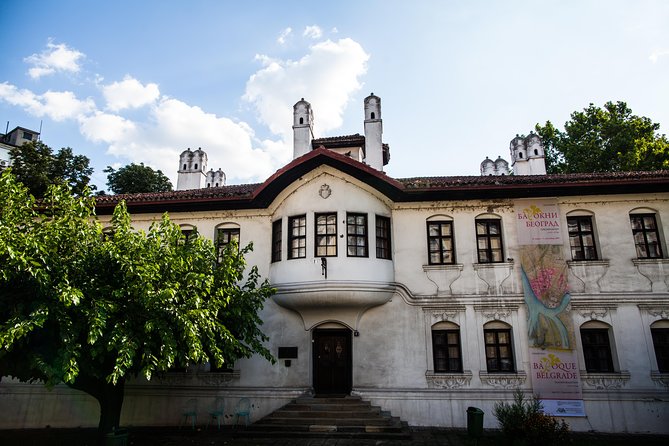
The tour starts by standing in front of the residence associated with Princess Ljubica. You’ll spend about 15 minutes there, and the point is storytelling anchored to place.
This is where the tour’s “romantic history” angle becomes concrete. You’ll hear the story of love and hate between Ljubica and Miloš Obrenović. The relationship isn’t presented as a simple romance. It’s treated as a real-world conflict shaped by politics, personal loyalty, and survival.
What I like about this opening is that it sets the rules of the whole tour:
- A relationship isn’t private when the stakes are dynastic.
- City landmarks are not neutral backdrops.
- Even a quiet-looking building can be connected to dramatic human decisions.
If you’re the type who likes your history with characters and consequences, this first stop is a strong warm-up.
Art Pavilion Cvijeta Zuzorić: romance as public culture
Next up is the Art Pavilion Cvijeta Zuzorić. You’ll sit in front of it for about 15 minutes while another romantic story unfolds.
This stop shifts the flavor slightly. Instead of royal politics only, you start seeing romance show up as part of culture—how ideas, art, and public spaces carry emotional meaning, not just official messages.
The pavilion itself is a good “pause” landmark. It’s the kind of place you can look at and then listen, without having to constantly scan for your next corner. The guide’s timing keeps the story moving, but you get a moment to breathe and really see the setting.
If you’ve ever found history tours too rigid, this stop tends to loosen the mood. It’s still story-driven. It just feels less like courtroom history and more like how people lived around the edges of power.
Museum of Vuk and Dositej: tragedy with named characters
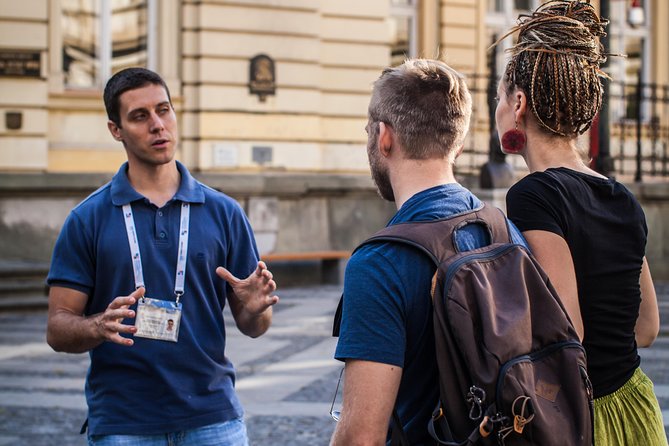
After the pavilion, you’ll head to the Museum of Vuk and Dositej. The tour spend around 15 minutes here, and the focus is a tale involving Miloje Božić.
You’ll hear about Miloje Božić’s confrontation with Miloš Obrenović and the sad destiny of Miloje’s daughter. This is one of those stops where romance turns painful—where love and family are wrapped up in conflict.
The benefit of placing this story here is that it adds depth to the whole Belgrade picture. This isn’t only about ruling elites. It’s about what conflict does to ordinary lives tied into the larger machine.
A practical note: admission isn’t included for these stops, so don’t count on museum entry being part of the tour experience unless you decide to add it separately. If you’re the type who loves being inside museums, you can still enjoy this stop from the outside because the story is built around the location rather than a required ticket.
Kolarac and the widow man story: faithfulness with a twist
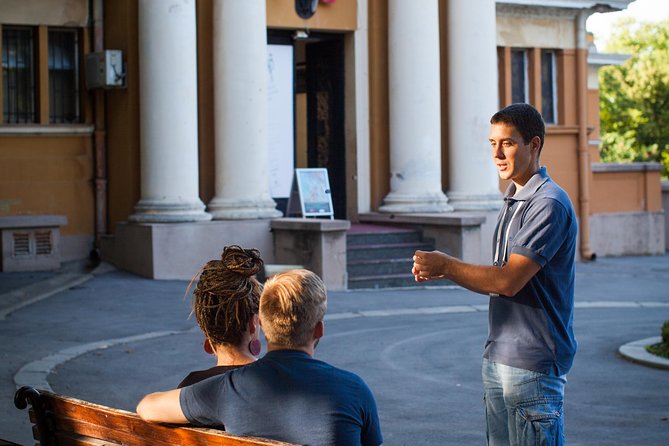
The Kolarac stop is another 15-minute pause, with a story about the faithfulness of a widow man.
This is where the tour gets clever. It uses a specific theme—faithfulness—and tests it against a complicated reality. The effect is that romance isn’t only presented as sweetness. It’s also about devotion under pressure, and how people behave when they’re forced to keep going.
Kolarac gives you a nice shift in scenery too. After palace-adjacent narratives, you’re back in the rhythm of Belgrade’s public life—where private feeling has to coexist with everyday existence.
If you like history that doesn’t pretend humans were simple, this stop lands well. It keeps the tour from becoming one long saga and gives you variety in tone.
Royal Palace stop: when love helps end a dynasty
One of the biggest name landmarks on the route is the Royal Palace. You’ll stop there for about 15 minutes while you hear how love can be the end of a ruling dynasty.
This is the tour’s “big idea” moment. Earlier stories showed the emotional stakes for individuals. Here, the guide zooms out just enough to show how personal decisions can ripple outward and help topple systems.
The key value is perspective. You’ll walk away understanding that leadership wasn’t only strategy and armies. Relationships mattered. Love, betrayal, and loyalty weren’t minor side plots. They were part of how history moved.
Also, being outside and looking at the palace while the story unfolds makes it easier to connect what you see with what you hear. You’re not stuck imagining from a textbook.
The included snack and drink: a proper reset for your brain
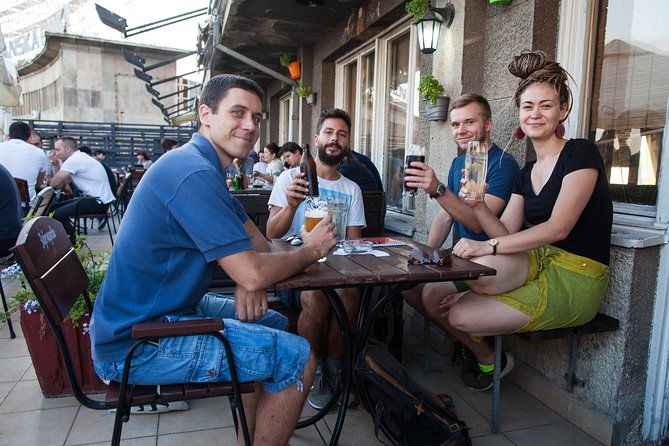
Halfway through the walk, the tour includes a stop for a snack and drink. More than one person has connected this part with ice cream, which makes sense—this city loves its sweet breaks.
Here’s why I think this matters: narration-heavy tours need a reset. After you’ve processed names and timelines, sugar and a cold drink help you keep the thread without losing focus.
It also gives the group a social moment. Small-group tours can sometimes feel too structured. A break like this makes the whole experience feel less like a class and more like a real walk with a guide who’s paying attention to pacing.
If you’re planning to eat dinner later, treat the snack as a bridge, not your full meal. It’s a bonus stop, not a substitute for a proper dinner.
Who this tour is best for
This is a good pick if:
- You want history you can follow like a story, with named characters.
- You enjoy architectural landmarks but prefer human details over facts-only tours.
- You like small groups and clear English narration.
It’s also a great choice if you’ve already done the standard Belgrade sights and you want a different lens. The romantic angle sounds gimmicky until you realize the guide uses it to connect the city’s major points to relationships and consequences.
If you’re the kind of traveler who only likes indoor museum time, you might feel this tour is more about the walk and the narrative than about ticketed attractions. Since admission isn’t included, you may want to add separate museum visits if you want lots of indoor time.
Timing and comfort: the practical stuff that affects your enjoyment
The tour runs about 3 hours and starts at 4:00 pm. That’s a comfortable time for a walking story tour because you’re not starting too early, and you’ll still have time in the day for other plans.
Stops are roughly 15 minutes each. That means you’ll be moving regularly, not stuck in long lines. It’s also helpful if you have limited patience for long speeches—this tour keeps you in a steady rhythm.
Weather matters. The experience requires good weather. If conditions are poor, it may be rescheduled or you’ll get a full refund. So plan on checking forecasts the day before and dressing for a walk.
Should you book this romantic history tour of Belgrade?
Yes, I’d book it if you want Belgrade to feel like a place with personal stories, not just monuments. At $42 for about 3 hours with a small group, a guide who tells the tales clearly in English, and an included snack and drink, it’s strong value—especially if you like your history with plot.
Skip it only if you need lots of paid museum entry time. Since admission isn’t included at the stops, this is built around narration at the sites rather than guaranteed indoor access.
FAQ
FAQ
How long is the romantic history tour in Belgrade?
The tour is approximately 3 hours.
What does the $42 price include?
The price includes the guided experience and an included snack and drink during the tour. You’ll also receive a mobile ticket.
Are admission tickets included for the sights?
No. Admission tickets are not included for the stops listed on the route.
Where do I meet, and where does the tour end?
You meet at Gračanička 18, Beograd, Serbia. The tour ends at Tašmajdan/park/Palilula in Belgrade, with the final meeting point at the pub called Poslednja šansa.
What time does the tour start?
The tour starts at 4:00 pm.
How big is the group?
The tour has a maximum of 10 travelers.
Does the tour run in bad weather?
The experience requires good weather. If it’s canceled due to poor weather, you’ll be offered a different date or a full refund.