REVIEW · BELGRADE
Belgrade: NATO Bombing Historical Tour
Book on GetYourGuide →Operated by Belgo d.o.o. · Bookable on GetYourGuide
NATO bombing history isn’t light, but this tour is focused and human. I like how it pairs 1999 context with real locations, and I especially appreciate the inclusion of memorial stops for victims. One thing to consider: this is a heavy subject, and you’ll be looking at aftermath and damage that still carries emotional weight.
With hotel pickup and drop-off, you don’t waste time figuring out where to go next. The tour is short—2.5 hours at $89 per person—so it’s best for travelers who want key sites and clear explanation rather than an all-day deep study. If you need total silence and distance from the topic, this might feel too direct.
In This Review
- Key things I’d plan around
- What this Belgrade NATO bombing tour really covers
- Getting in motion: hotel pickup, transport, and an English guide
- The Kosovo War context: the story before the sites
- Seeing the aftermath: demolished buildings you can still visit
- Memorials and monuments: turning the focus toward victims
- Specific places the tour highlights in Belgrade
- How the guide connects international action to local consequences
- Reconstruction and resilience: what the city looks like after trauma
- Who this tour suits best (and who might want a different plan)
- Price and value: is $89 per person worth it?
- Practical tips to get the most from the tour
- Should you book this Belgrade NATO bombing historical tour?
- FAQ
- How long is the NATO bombing historical tour in Belgrade?
- What is the price per person?
- Is the tour guided in English?
- Does the tour include hotel pickup and drop-off?
- Will I visit buildings connected to the NATO raids?
- Are transportation costs included?
- Is there free cancellation?
Key things I’d plan around
- Hotel pickup and transportation included, so you can focus on the story
- English live guide that walks you through causes, airstrikes, and impacts
- Bombed buildings and remains you can see firsthand in central Belgrade
- Monuments and memorials that shift the focus from politics to people
- A tight 2.5-hour format, useful if you’re short on time
What this Belgrade NATO bombing tour really covers
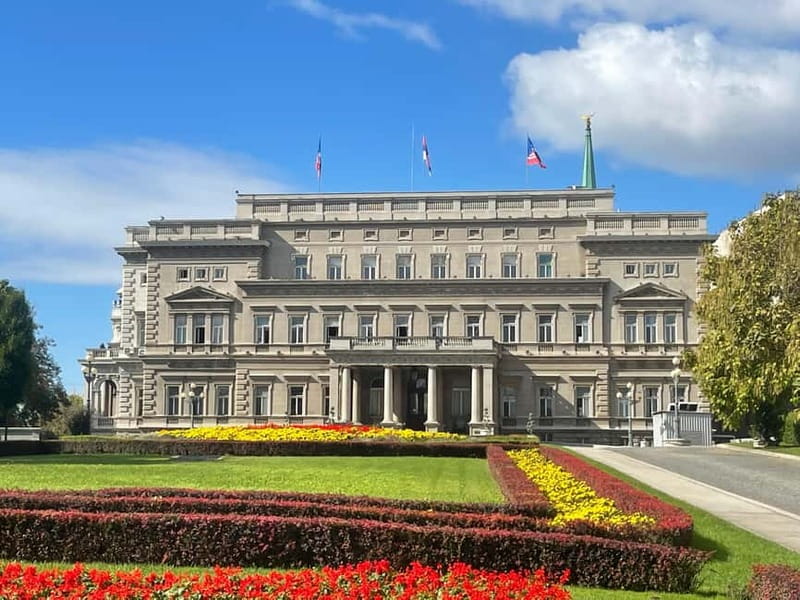
This is a Belgrade tour built around the NATO air campaign in 1999, during the Kosovo War. You’ll get the background that connects the bigger conflict to what happened in Belgrade, and you’ll see the physical reminders that remain around the city.
I like that it doesn’t just point at buildings. The guide’s role is to explain why each stop matters—what led to the bombings, what international responses followed, and what the consequences were for Serbia and its people.
The vibe is clear: you’re there to understand and remember. The memorial stops are part of the rhythm, not an afterthought, so you don’t finish the tour feeling like you only watched destruction as a spectacle.
You can also read our reviews of more historical tours in Belgrade


Getting in motion: hotel pickup, transport, and an English guide
A big part of the value here is convenience. You get hotel pickup and drop-off plus transportation, and the tour runs 2.5 hours. For $89, that means you’re paying for more than narration—you’re paying for a guided route that saves you time.
It’s also an English live tour, which matters when history gets complicated. The guide is there to connect dates, decisions, and outcomes so you’re not stuck reading between the lines on your own.
If you’re the kind of traveler who hates logistical friction, this is the right style: meet, ride, stop, learn, and go. If you prefer total freedom to linger or wander off-script, the shorter scheduled window may feel a bit tight.
The Kosovo War context: the story before the sites
Before you reach the most poignant locations, the tour is designed to set the timeline. You’ll learn about the Kosovo War and how the bombing campaign fit into the conflict.
This context is not filler. Without it, the city’s scars can feel random—like “a bombed building” rather than a consequence of a chain of events. With context, those sites become easier to understand: who was affected, how international pressure escalated, and what followed after the strikes.
I also appreciate that the tour frames consequences for Serbia, not just the action of NATO forces. That shift helps you follow the “then what?” part of the story, which is often what visitors remember long after the photos.
Seeing the aftermath: demolished buildings you can still visit
One of the core experiences is visiting buildings bombed in the NATO raids and seeing the remains that are still there. You’ll be driven to several locations where you can connect the explanation to the real-world geography of Belgrade.
This part is straightforward and direct: you’ll look at structures and areas affected by the bombings while your guide explains what happened and why the place is remembered. The goal isn’t shock; it’s orientation—helping you read the city with better understanding.
Practical note: because the content is emotional and the subject matter is intense, it’s worth pacing yourself. Give your mind a moment at each stop. If you rush, you’ll miss the point the guide is trying to make.
Memorials and monuments: turning the focus toward victims
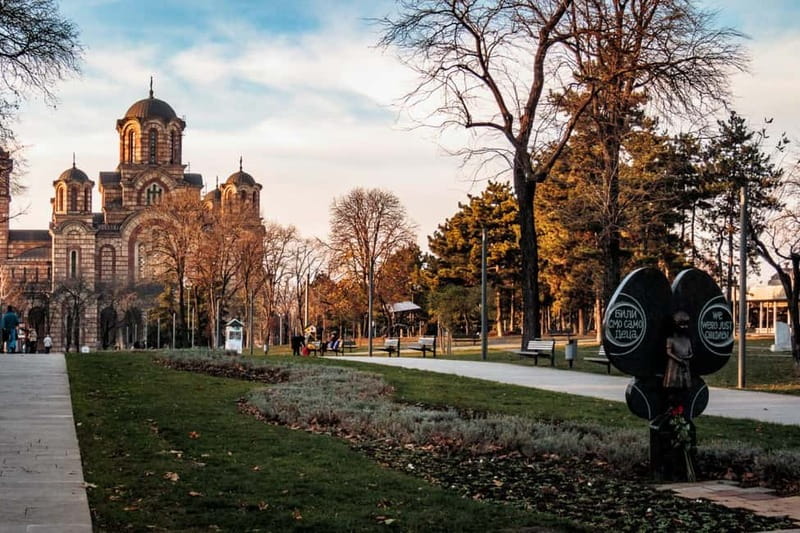
The tour includes stops at memorial monuments dedicated to victims of the war and bombing. This is where the tone changes from political history to human cost.
I like that these stops aren’t optional extras. They’re integrated so you’re not left only with damage and dates. You’re asked—through the guide’s commentary and the presence of memorials—to treat the sites as places of remembrance.
If you’re sensitive to heavy history, this portion may feel like the most meaningful part of the tour. It’s also the best place to slow down and listen, because a memorial’s purpose is usually clearer when you stand in front of it.
Specific places the tour highlights in Belgrade
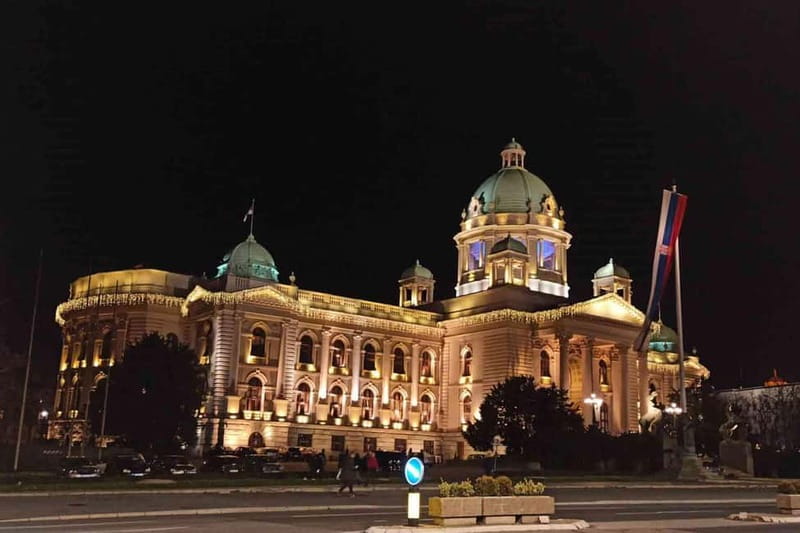
Even without getting lost in an endless list, the tour is built around several high-impact landmarks tied to 1999 events. From the information available, you can expect stops connected to well-known targets left as visible reminders.
One example mentioned is the TV headquarters, which was bombed and later left as a reminder of the conflict. Another is the Ministry of Defence building, also referenced as still standing as part of the physical memory of the campaign.
These kinds of sites matter for a visitor because they sit at the intersection of everyday city life and major political action. They’re not just distant history; they’re part of Belgrade’s built environment, shaping what the city tells you as you walk and look around.
How the guide connects international action to local consequences
A good history tour does two jobs at once: it tells you what happened and explains what it changed. This one aims to cover both.
You’ll hear about the international responses to the conflict, and then you’ll be guided back to the Serbian perspective: the effects on daily life, the long-term impact, and the way reconstruction and resilience show up in the city’s story.
I find this “action plus aftermath” approach useful because it keeps your understanding from becoming abstract. You come away with more than a timeline—you understand why these sites still matter and why the city frames them the way it does.
Reconstruction and resilience: what the city looks like after trauma
A key theme in the tour is what happened after the bombings. You’ll learn about reconstruction efforts and how these sites became symbols of remembrance and national identity.
This doesn’t erase what was lost. It puts the aftermath in motion, so you can see how a place responds over time. That’s also why this kind of tour can be valuable even for travelers who aren’t hardcore history buffs.
You finish with a better sense of Belgrade as a living city, not only a museum of conflict. The memorials and damaged structures aren’t the end of the story; they’re part of a longer narrative of recovery and meaning-making.
Who this tour suits best (and who might want a different plan)
This is a good fit if you want a compact, guided way to understand Belgrade during the 1999 NATO bombing—and you care about context, not just photos.
It also works well if you’re traveling with limited time. At 2.5 hours, you can fit it into a busy schedule while still getting a coherent explanation of the Kosovo War, the strikes, and the aftermath.
If you prefer light sightseeing or you’re uncomfortable with intense historical topics, consider whether you want your itinerary to include memorial-focused sites. This tour is designed to inform and to remember, so it won’t treat the subject lightly.
Price and value: is $89 per person worth it?
At $89 per person for a 2.5-hour English guided experience, the value comes from three bundled pieces: the guide’s interpretation, hotel pickup/drop-off, and transportation between locations.
If you tried to DIY it, you’d likely spend time coordinating transit, figuring out where to go, and piecing together context from multiple sources. Here, you’re paying for a planned route and a guide who can explain connections between sites while you’re standing in front of them.
The short duration is also part of the deal. You get enough time to cover major themes and key locations, but you’re not committing to a half-day or full-day immersion.
My practical take: this is “worth it” when you want efficient structure—especially if your Belgrade time is limited and you want the story told clearly in English.
Practical tips to get the most from the tour
Show up a few minutes early for pickup so you don’t feel rushed. Bring water, especially on warm days, because a short ride plus stop-and-learn rhythm still adds up.
Dress comfortably. Even if you’re not doing lots of walking, you may be stopping at locations where you’ll stand and look for explanation.
And here’s a simple strategy: ask your guide to repeat the “why this place matters” part at each stop. If you do that, you’ll create your own set of connections, and the sites will stay with you beyond the tour.
Finally, give yourself a moment after the tour. This subject hits harder after you’ve left the sites and are back in normal city scenes.
Should you book this Belgrade NATO bombing historical tour?
Book it if you want a guided, English-language way to understand the 1999 NATO bombing of Belgrade with real locations, memorial stops, and clear historical framing. The combination of pickup/transport and a 2.5-hour structure is a strong match for short schedules.
Skip it or consider something else if you’re looking for a relaxed, entertainment-style tour. This one is built around damage, aftermath, and remembrance. It’s informative, but it’s also emotionally weighty by design.
If that’s the kind of history experience you’re after—one that respects victims and connects sites to meaning—this is a solid choice for your Belgrade itinerary.
FAQ
How long is the NATO bombing historical tour in Belgrade?
The tour lasts about 2.5 hours.
What is the price per person?
The price is $89 per person.
Is the tour guided in English?
Yes, it includes a live tour guide in English.
Does the tour include hotel pickup and drop-off?
Yes, hotel pickup and drop-off are included.
Will I visit buildings connected to the NATO raids?
Yes. The tour includes visits to buildings bombed in the NATO raids and other sites tied to the 1999 airstrikes.
Are transportation costs included?
Yes. Transportation is included as part of the tour.
Is there free cancellation?
Yes. You can cancel up to 24 hours in advance for a full refund.