REVIEW · SAN SEBASTIAN
San Sebastián Private Food-Historical tour & meal at a Gastronomy Club
Book on Viator →Operated by Basque Guides · Bookable on Viator
Food clubs turn dinner into a story. This private San Sebastián experience pairs an Old Town walk and market stop with a real meal inside a traditional sociedad, plus wine or cider pairings. I love how you shop seasonal ingredients first, then you eat what’s been picked, and I love the personal pace of a guide walking your group through the medieval streets and food culture. One thing to consider: the cooking-club tradition focuses on men cooking in the kitchen, while women can watch and be served rather than work.
The best part for me is the feel of being “in the room,” not just sightseeing past food. The guide work is hands-on and chatty, and the club meal is set up around your group, so you’re not squeezed into a loud schedule. If you’re looking for a fully hands-on cooking class where everyone chops and cooks together, this may not match that expectation.
I think this is a standout way to understand Basque food in San Sebastián because it connects street-level culture (markets, pinchos, and history) to the way locals actually gather over meals. Your payoff is simple: great food, a guided story, and a meal that feels like part of Basque daily life rather than a performance.
In This Review
- Key highlights you should know
- Why San Sebastián food clubs feel more personal than restaurants
- Old Town walk and the market stop: the fast way to get oriented
- Your meal at a sociedad cooking club: how the tradition actually works
- What you’ll eat: Basque starters, fish or meat, and Basque cake
- Wine and cider pairings: txakoli, Rioja, and how to pace the meal
- Price and value: what $324.38 buys you in real terms
- Practical tips so the day runs smooth
- Who should book this tour, and who might skip it
- Should you book this San Sebastián food-historical tour with a cooking-club meal?
- FAQ
- FAQ
- How long is the San Sebastián Private Food-Historical tour with meal?
- Does the tour include pickup and drop-off?
- Where does the tour meet?
- Is it a private tour or shared group experience?
- What does the meal include?
- Is there an age limit for alcohol?
Key highlights you should know
- Old Town + local market first, including seasonal shopping with locals
- Private meal at a sociedad, a traditional men’s cooking club with visiting diners
- Seasonal ingredients become your lunch or dinner, not something pre-selected
- Pairings with local txakoli and other Spanish drinks, plus soft drinks
- A guide-led, conversation-friendly experience, with hosts like Iker and Chef Ben
- Clear club role rules, where women can watch and be served but not cook in the kitchen
Why San Sebastián food clubs feel more personal than restaurants
San Sebastián has plenty of great ways to eat well. But a traditional cooking club meal hits differently because it’s built around local gathering rules, not just a menu.
What you get is a guided morning followed by a meal that feels socially “correct” for the Basque style of hosting. I like that the experience isn’t trying to be fake-French haute cuisine or an all-purpose tasting flight. Instead, it leans into what locals do: buy seasonal food, talk while the meal comes together, and settle into a shared table.
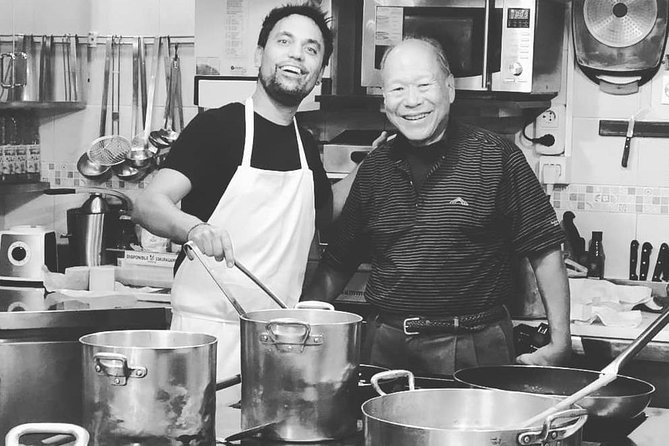
The name you’ll likely hear from the Basque Guides team is Iker Bardaji, and in the cooking and hosting side you may meet Chef Ben. In reviews, that pairing shows up again and again: friendly hosting, good conversation, and a setup where you’re treated like a small circle, not a numbered party.
You can also read our reviews of more food & drink experiences in San Sebastian
Old Town walk and the market stop: the fast way to get oriented
This tour starts where it should: at Sarriegi Plaza in Donostia–San Sebastián, with a local Basque Guides team guiding your group into the Old Town. From there, the day is about getting your bearings and learning how Basque food culture connects to place.
You’ll spend time walking through the charming, medieval-styled streets with your guide. This matters because pinchos and seafood in San Sebastián don’t float in space. They’re tied to neighborhood patterns, daily rhythms, and what’s available locally.
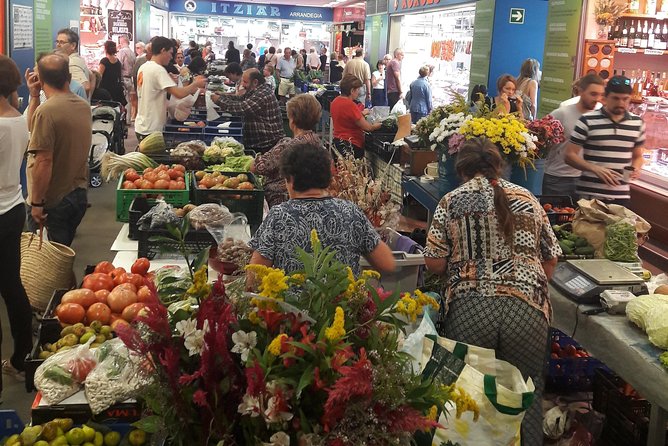
Then comes the market component. You’ll be shown—and in most cases you’ll be actively buying—seasonal products, with a real local feel as you’re in the market with people who shop like it’s part of the week, not an activity.
Practical value: doing the market part before the meal helps you taste with context. When you later eat fish or meat prepared from what was chosen, the food feels earned, not random. If you love eating because you understand what went into it, this step is a big deal.
A small consideration: market shopping can take time, and the pace is still tied to the fixed schedule of the club meal. If you prefer to spend your own time in the market later, you’ll still get a solid overview here, but you may want to plan a separate, flexible wander on a different day.
Your meal at a sociedad cooking club: how the tradition actually works
Now for the feature that makes this tour worth a closer look: dining inside a sociedad, a traditional private men’s cooking club. You may hear the “men’s private cooking club” explained as part of the history of why these clubs were founded.
Here’s the key rule you should know before you book: in this club tradition, men are allowed to cook and access the kitchen, while women can watch, be served, and enjoy the experience, but not work in the kitchen. That’s not a footnote. It shapes how the meal plays out on the ground.
So what does that mean for you? It means the evening is less like a group cooking workshop where everyone takes turns at the stove. Instead, it’s more like:
- You watch the kitchen work happen
- You learn through conversation and explanation
- You eat a handcrafted meal made from the ingredients chosen earlier
- You spend time in a setting that locals recognize as a real form of hosting
I like this structure because it reduces the usual workshop chaos. You’re not constantly switching tasks or feeling rushed. You get to focus on the food, the story, and the social feel of the club.
In reviews, guests call this the highlight of the holiday and note the warm welcome and engaging conversation. That matches what the setup is designed to do: be intimate, with a shared table and a local guide bridging the culture for you.
If you’re the kind of traveler who loves cultural context—how a tradition shapes food—this is a strong match. If your goal is purely hands-on cooking, you might feel less involved than you expected.
What you’ll eat: Basque starters, fish or meat, and Basque cake
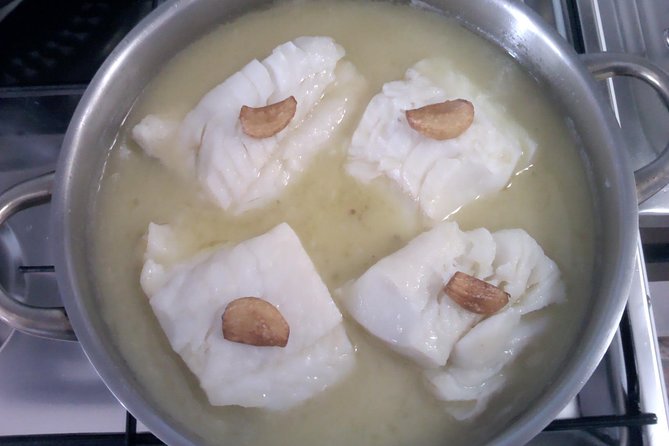
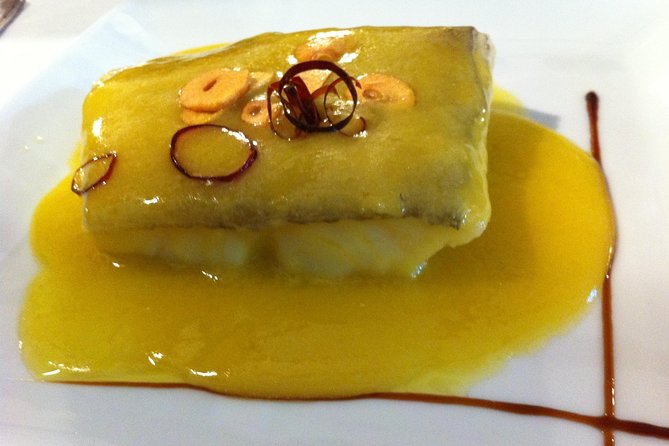
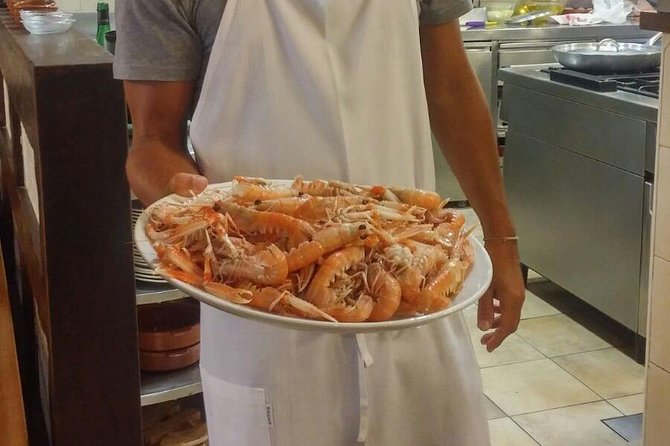
Your meal is described as a handcrafted one using Basque specialties prepared for your group. The menu structure is clearly laid out, and it stays Basque instead of trying to be international.
Based on the provided menu:
- Starter: Basque traditional starters
- Main: Basque style courses, with fish or meat
- Dessert: Basque Cake
The “fish or meat” detail is important because it signals the meal won’t be one-size-fits-all. Depending on what’s seasonal and what’s chosen in the market, your main may lean seafood. San Sebastián’s food identity is built on that, and this menu structure stays aligned with that reality.
One practical advantage: you’re not juggling a long menu decision while you’re hungry and excited. The meal is included, and the pairing is handled for you too, so you can relax into the evening.
What you should consider: because the meal is tied to seasonal products, your exact plate details may vary from group to group. That’s not a downside for most people; it’s often the point. But if you have strict dietary needs, you’ll want to check details with the operator before booking since the information here doesn’t list substitutions.
Wine and cider pairings: txakoli, Rioja, and how to pace the meal
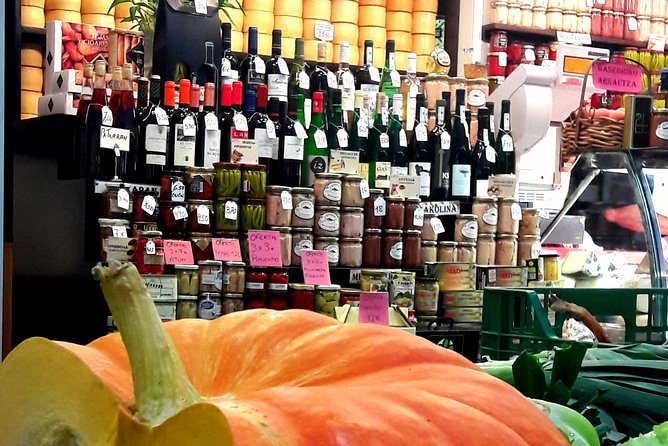
This is not a dry, lecture-only tour. It includes drinks, and the pairings are part of the experience.
You’ll drink Txakoli (a local white wine) and you may also have Rioja red wine and/or cider during the meal. Soft drinks are included too, so you can still enjoy the food even if you don’t want wine at every step.
I like how Basque drink culture works in this kind of meal. Txakoli is fresh and lively, which suits seafood and lighter Basque starters. Rioja can swing warmer and deeper for meatier plates. Cider adds another traditional Basque option that fits the social mood.
A simple pacing tip: if your evening includes multiple pours, slow down between courses. This isn’t a race to taste everything. Save your bigger swallows for when the main arrives, and use txakoli or cider earlier to keep your palate sharp.
Also, there’s a clear note that the minimum drinking age is 18 years. If you’re traveling with younger people, plan for soft drinks as the alternative.
Price and value: what $324.38 buys you in real terms
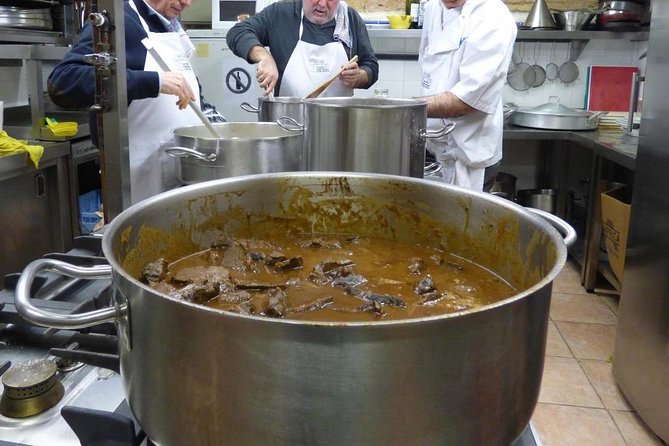
$324.38 per person can sound steep at first glance, especially if you’re comparing it to a standard walking tour plus lunch. But this isn’t just a guided stroll and a casual meal.
You’re paying for:
- A private tour experience for your group
- Hotel pickup and drop-off (with pickup details given for apartments)
- A professional, personal local guide
- A guided market stop that leads into the meal
- A private cooking club dining experience at a traditional sociedad
- All taxes, fees, and handling charges
- The food plus wine/beer/soft drinks
Where the value really shows is in the exclusivity. You’re not sharing the meal setup with strangers. The club meal is prepared specifically for your group, and that changes the feel. It’s also why many people in the reviews call it priceless compared with a Michelin-star restaurant night. They aren’t buying rank or signage. They’re buying time with locals and a cultural setting you can’t easily replicate on your own.
If you’re traveling as a couple or a small group, private dining often ends up closer in cost than you’d expect once you add up guide time, restaurant reservation stress, and “missed cultural context.”
One consideration: because it’s private and includes drinks and food, it’s pricier than a public cooking class. If you’re budget-first, you may prefer a standard walking tour plus a separate pinchos crawl. But if you want one memorable, structured experience with real cultural access, this price starts to make sense.
Practical tips so the day runs smooth
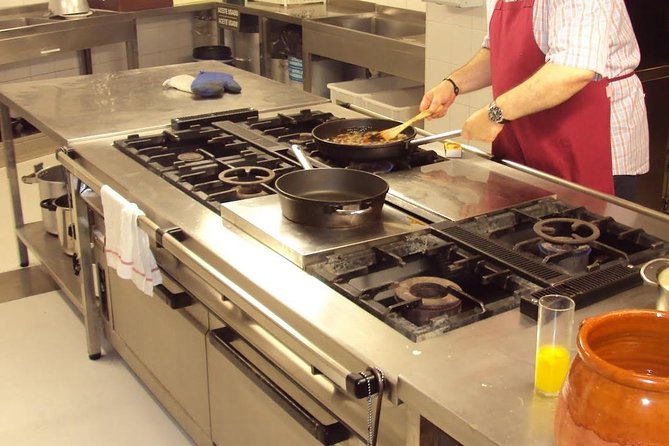
Here’s how to set yourself up for an easy, enjoyable afternoon and evening.
Meet-up point and timing
You start at Sarriegi Plaza (address listed as Sarriegi Plaza 11). The tour runs about 4 hours.
Pickup
If you’re staying in an apartment, you can request pickup by sharing your accommodation address. If you’re in a hotel, the tour also offers pickup and drop-off.
Language
The tour is offered in English, and it may be run by a multi-lingual guide depending on the schedule.
What to wear
You’re doing walking in the Old Town before the meal, so comfortable shoes help. After that, you’ll be dining, so you don’t need anything fancy.
What to expect from the cooking club
Remember the key role rule: men cook in the kitchen; women can watch and be served. Don’t build your expectations around a hands-on kitchen workshop for everyone.
Bring curiosity
This kind of experience works best when you ask questions. In reviews, guests specifically mention great conversations with the hosts and the guide’s explanations of Basque culture.
Who should book this tour, and who might skip it
This tour is a strong fit if:
- You want a private cultural food experience rather than a generic tasting menu
- You like the idea of a market stop where seasonal ingredients lead straight into dinner
- You’re curious about Basque social traditions like the sociedad cooking club
- You enjoy guided conversation and explanations as much as you enjoy the food
- You’re open to wine/cider pairings with your meal
It may not be the best fit if:
- You want everyone to cook and work in the kitchen during the class-style portion (the club rules limit kitchen roles)
- You’re extremely time-starved and can’t spare about 4 hours
- You have special dietary needs that require flexibility beyond what’s described here
If you fall somewhere in the middle, you can still feel confident because the core of the experience is the combination: Old Town context + seasonal market shopping + a club meal made for your group.
Should you book this San Sebastián food-historical tour with a cooking-club meal?
I’d book it if you want one high-impact night in San Sebastián that connects food to place and tradition. The pricing feels easier to justify when you compare it to the cost of a top restaurant meal plus a serious guide plus the value of cultural access you can’t easily arrange yourself.
I would pass if you’re hunting for a standard cooking class where everyone takes turns cooking, or if your schedule can’t handle a structured 4-hour block starting at Sarriegi Plaza.
My final take: this is one of those experiences where the difference isn’t a menu item. It’s the setting—a society cooking club meal hosted with local warmth, paired with regional drinks and guided street-level context. If that sounds like your kind of travel, you’ll likely consider it a highlight.
FAQ
FAQ
How long is the San Sebastián Private Food-Historical tour with meal?
It lasts about 4 hours.
Does the tour include pickup and drop-off?
Yes. Pickup is offered, and the activity ends back at the meeting point. If you’re staying in an apartment, you’ll need to provide your accommodation address for pickup details.
Where does the tour meet?
It starts at Sarriegi Plaza, 11, 20003 Donostia / San Sebastián, Gipuzkoa, Spain.
Is it a private tour or shared group experience?
It’s private. Only your group will participate.
What does the meal include?
You’ll have lunch or dinner depending on the booking, including Basque traditional starters, Basque style courses (fish or meat), and Basque cake. All food is included.
Is there an age limit for alcohol?
Yes, the minimum drinking age is 18 years. Wines, beers, and soft drinks are included, so non-alcohol options are available.