REVIEW · PORTO
Porto Jewish Heritage Walking Tour Small group
Book on GetYourGuide →Operated by Porto Craft Tours · Bookable on GetYourGuide
Porto has a hidden Jewish map. On this small-group heritage walk, you trace the 12th-century presence of Jews through tight lanes and staircases, with stories that reach into today’s Porto.
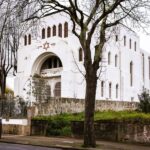
I love how the walk blends named people with street-level details: guide Maria connects Captain Arthur Carlos de Barros Basto (Abraham Israel Ben-Rosh) to landmarks tied to the Jewish community’s later revival, like the Kadoorie Mekor Haim Synagogue. I also love the physical rhythm of the route—think Vitória viewpoints and the climb up the Escadas da Esnoga—so the history feels tied to place, not just facts on a page.
One consideration: this is moderate walking with stairs, and it is not for mobility impairments. Bring comfortable shoes, and expect a bit of huffing when you hit the steps.
In This Review
- Key highlights worth choosing this tour
- Why Porto’s Jewish story works best on foot
- Starting at the Cathedral area: Vímara Peres as your orientation point
- Rua Sant’ana and Rua do Comércio do Porto: coexistence and commerce
- Iglesia de S. Bento da Vitória: why churches show up in this story
- Vitória viewpoint and the route uphill: history with a view
- Virtudes Garden and Montanha dos Judeus: where the story changes pace
- The New Christians and the Inquisition: what persecution changed
- Captain Arthur Carlos de Barros Basto: revival with a real local anchor
- Where hidden synagogues fit into what you’ll actually see
- How long you’ll walk, and how the small group helps
- Value and price: what $51 buys you here
- Who should book this tour
- Should you book this Porto Jewish Heritage walking tour?
- FAQ
- How long is the Porto Jewish Heritage walking tour?
- What group size is it?
- Where does the tour start and end?
- What languages are offered?
- Is anything included besides the guide?
- Are entry fees included?
Key highlights worth choosing this tour
- Small group, max 10 people means questions actually get answered without a crowd swallowing your voice
- Maria’s teaching style keeps things factual and lets you form your own opinions while she stays quick to answer
- Street-by-street Jewish context from Rua Sant’ana to Rua do Comércio do Porto puts the story in real neighborhoods
- Escadas da Esnoga + Vitória viewpoint turn history into something you can see, climb, and understand
- New Christians and the Inquisition are covered in plain language, including why persecution changed everything
- Virtudes Garden and Montanha dos Judeus give you a breather and a strong sense of the city’s hills-as-history angle
Why Porto’s Jewish story works best on foot
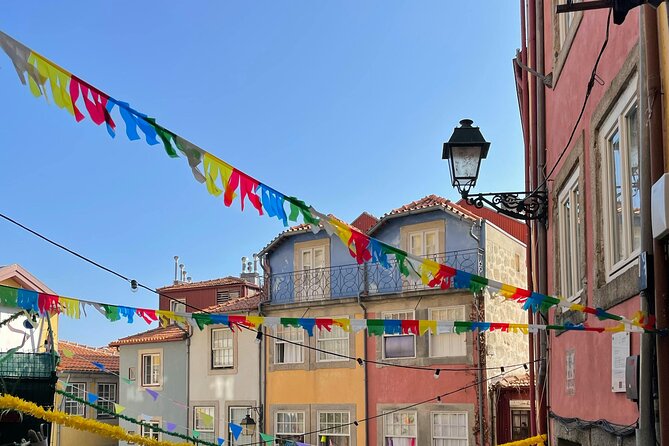
Porto’s Jewish heritage isn’t stuck in one museum room. It’s spread across old streets, viewpoints, churches, and hillside paths. That’s exactly why a walking tour fits so well here.
You get a guided route that links daily life long ago—neighbors trading, families settling, religious life shifting—to the Porto you see today. And because you’re moving through the old quarters (rather than just looking at a map), the story sticks. You can actually picture where people lived and how they navigated the city’s slopes.
The best part is that the tour doesn’t treat the Jewish community as a single chapter. It connects early coexistence, later persecution connected to the Inquisition, and the long after-effect on names, beliefs, and community life.
You can also read our reviews of more walking tours in Porto

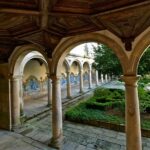
Starting at the Cathedral area: Vímara Peres as your orientation point
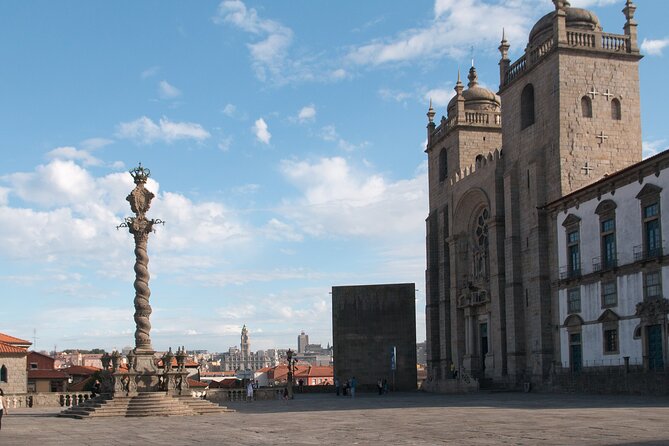
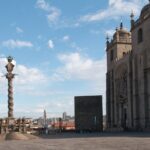
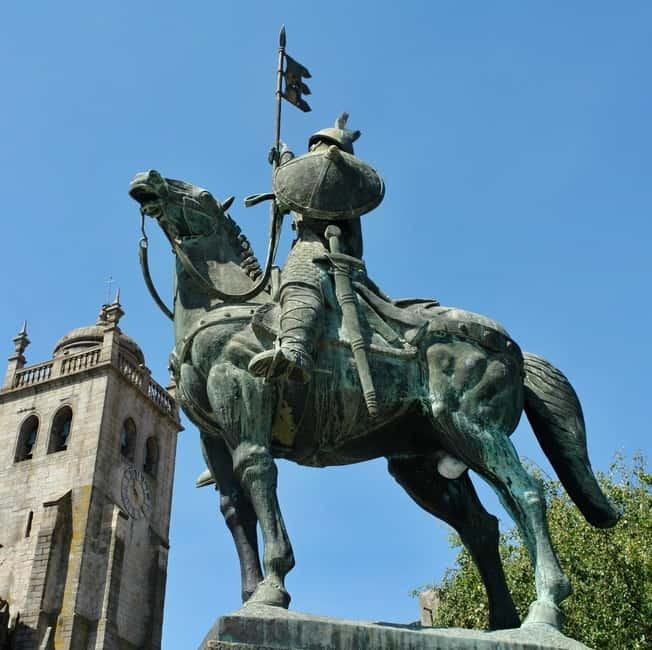
You start at the Estátua de Vímara Peres, at the Cathedral of Porto area. It’s a sensible meet-up spot because it anchors you in the old center quickly. From there, the guide sets the tone: what Porto meant for Jewish families over time, and why the city mattered commercially and socially.
This beginning matters more than you’d think. Porto can feel like a visual maze—steep streets, shifting angles, sudden views. Getting your bearings early helps you read the city like a map. You’ll also hear how the tour’s route is built around key neighborhoods and links between Jewish life and surrounding Christian society.
If you’re the type who likes asking questions, this is a good early moment to do it. Maria is direct and responsive, and she tends to keep answers tied to what you’re standing near.
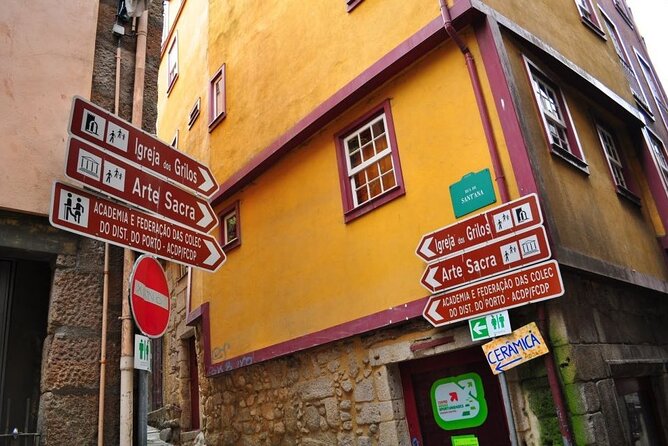
Rua Sant’ana and Rua do Comércio do Porto: coexistence and commerce
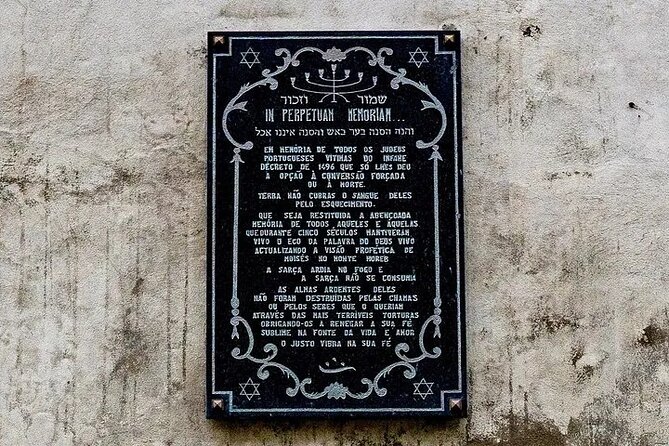
Once you’re moving, the route emphasizes the areas where Jewish life had a strong footprint. Two street stretches are highlighted: Rua Sant’ana and Rua do Comércio do Porto. Walking these is a bit like stepping into the logic of an older city—trade, close connections, and lots of everyday interaction packed into narrow spaces.
Here’s what I like about this part: it doesn’t just say Jews lived in Porto. It explains the shape of life—how Jewish families coexisted with local Christians and how commercial relationships could thrive when business and community ties stayed strong.
And yes, the streets are small. That’s not a drawback; it’s part of the point. Jewish history here is tightly connected to how people physically moved through the city: back lanes, stairs, and routes shaped by hills.
Practical note: if your legs are sensitive, pace yourself right away. Early walking sets your rhythm for the stairs later.
Iglesia de S. Bento da Vitória: why churches show up in this story
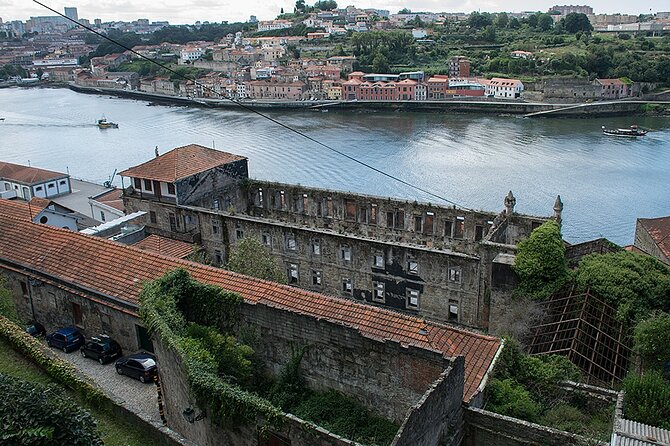
One stop you’ll encounter is Igreja de S. Bento da Vitória. This matters because Christian landmarks in Porto often share the same historical ground as earlier Jewish life, especially when you’re talking about periods of religious pressure and forced conversions.
Even when the tour can’t change what’s inside any building you see, it helps you understand why this area is still part of the Jewish narrative. You’re not just getting Jewish history as a separate track. You’re seeing how religious power and community pressure played out across the same neighborhoods.
If you’re the kind of traveler who enjoys history that explains the present, this stop gives you that. You’ll leave with a clearer sense of how the Jewish community’s story intersects with Porto’s broader religious landscape.
Vitória viewpoint and the route uphill: history with a view
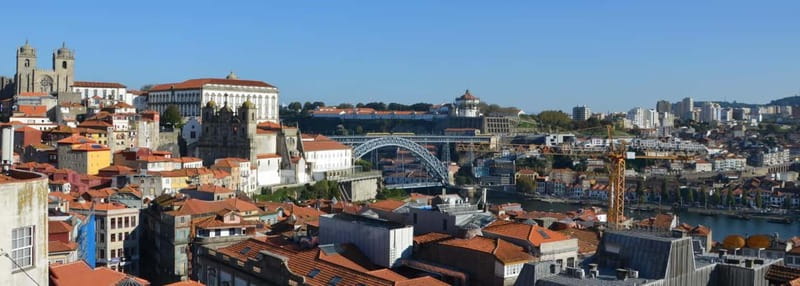
You’ll work in a viewpoint stop at Vitória. It’s one of those city moments where your brain clicks: you understand why people lived in certain pockets and why certain routes were practical.
From a story standpoint, viewpoints are more than scenery. They give context for the hillside geography that shaped movement, settlement, and even how communities could gather or withdraw depending on political and religious pressure.
If you’re traveling with someone who loves photos, this is where you’ll want a quick break. If you’re traveling with someone who hates standing still, this is still worth it—because the view directly supports what you’re hearing.
After that, you’ll climb the Escadas da Esnoga (Synagogue Steps). This is the part that turns background facts into something you can feel in your legs. Plan for a steady pace, and don’t sprint the stairs like you’re trying to win a race.
You can also read our reviews of more historical tours in Porto





Virtudes Garden and Montanha dos Judeus: where the story changes pace
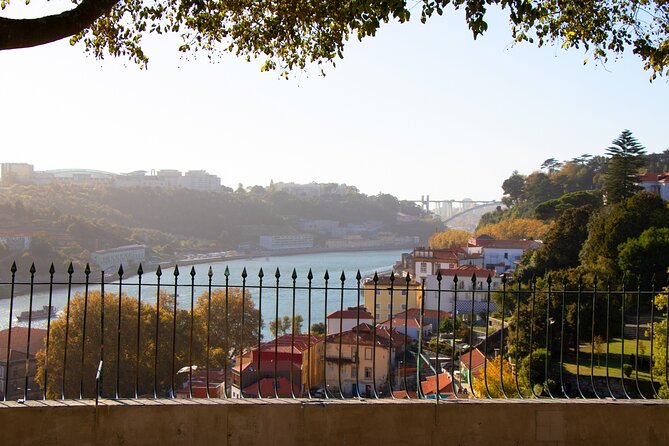
By the time you reach Virtudes Garden and the Montanha dos Judeus (Mountain of the Jews), the tour shifts from street narrative into a more reflective zone. The name Montanha dos Judeus alone tells you you’re entering an area tied to Jewish presence and memory.
Virtudes Garden adds a gentle reset. Gardens in old hill cities do that: they give you air and a place to catch your breath so the next story lands better.
This section also helps tie together themes the guide has been building:
- where Jews settled
- how community life changed over time
- how later persecution affected identity and public religious life
Even if you know the big historical outline already, this segment makes it feel local. You stop thinking about Jewish history as something that happened elsewhere.
The New Christians and the Inquisition: what persecution changed
A key theme you’ll cover is the Inquisition and the persecution of the “New Christians.” The tour presents it as a turning point—when the earlier coexistence narrative becomes much darker, and when pressure forces families to hide, change, or reinvent their public lives.
I appreciate how this part is treated in practical terms. Rather than getting stuck in abstract moral lessons, the guide ties persecution to real outcomes: fear, altered community patterns, and long-term consequences for cultural survival.
This is also where you get a clearer answer to a question many people have when they walk a historic city: why do certain names and stories feel partly public and partly hidden? Porto’s Jewish heritage isn’t only about old synagogues and old dates. It’s also about how communities stayed alive when being visibly Jewish became dangerous.
Captain Arthur Carlos de Barros Basto: revival with a real local anchor
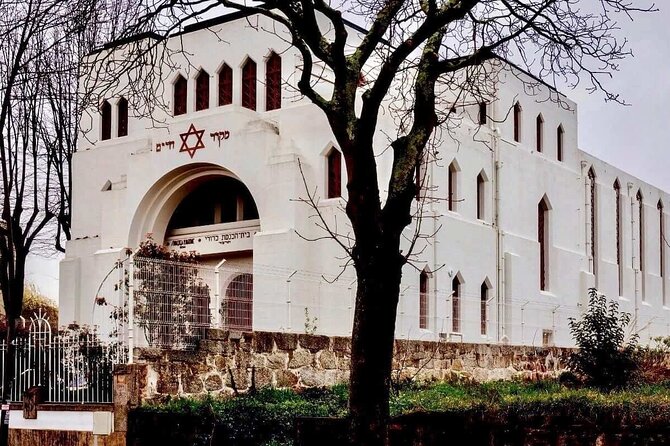
One of the most memorable parts of the tour is the focus on Captain Arthur Carlos de Barros Basto, also known by Abraham Israel Ben-Rosh. You’ll hear how he’s tied to Porto’s Jewish community in the later era and how he contributed to the construction of the Kadoorie Mekor Haim Synagogue.
This matters because it turns the story from only loss into recovery. People always ask, what happened after persecution? Here you get a concrete answer rooted in Porto: revival efforts, community rebuilding, and lasting landmarks.
And because the tour connects these figures to places you’re walking past (or stopping near), you don’t have to keep everything in your head. The city does the work.
Where hidden synagogues fit into what you’ll actually see
The tour highlights hidden synagogues and the areas where Jewish influence was strong. You may see sites connected to synagogue history directly, and you may also be shown places where the story is more about location and context than about walking inside.
That’s normal for a walking tour through a lived-in city. Also, entries are not included, so if a stop requires a paid ticket to enter, you’ll handle that separately.
What you should expect is strong interpretation. The guide explains what the location suggests and why it mattered, so you can connect dots even when you’re not going inside every site.
If you care about synagogues specifically, ask the guide early how each stop works on the day—view-only versus interior access—so you can plan your expectations.
How long you’ll walk, and how the small group helps
Duration is around 3 hours. The group is limited to 10 participants, which makes a difference in a story-heavy tour like this. You don’t just get “facts.” You get follow-up questions. You can ask why something mattered, and you can ask what’s confirmed versus what’s interpretation.
The guide also uses multiple languages (English, Spanish, Portuguese). If you’re comfortable speaking up, the small group setting helps the guide keep the discussion flowing.
Walking is moderate and includes stairs, including the famous Synagogue Steps. This is not suitable for people with mobility impairments. Pet friendly is also a plus if you’re traveling with a dog and you’ve checked that they’ll handle stairs.
Bring comfortable shoes. Do that and you’ll have a much better time.
Value and price: what $51 buys you here
The price is $51 per person for a 3-hour small-group guided walk, with taxes and insurance included. Entries and gratuities are not included.
Is it worth it? For me, yes—if you like history you can walk through and stories that connect to real places. You’re paying for:
- a structured route through multiple key locations in the old center
- interpretation of difficult themes like coexistence and persecution
- a guide who can answer questions in real time (Maria’s style is energetic and responsive)
- a group size that keeps the experience from turning into a silent shuffle
If what you want most is museum-grade interior access at every stop, this may feel lighter, since entry fees aren’t included. Still, the walking route and the storytelling are the main product here, and that’s where the tour earns its value.
Who should book this tour
Book this if you:
- like walking tours where the guide explains what you’re seeing, not just where you should stand for photos
- want Jewish heritage history connected to Porto’s real neighborhoods
- enjoy learning names tied to actual landmarks, like Captain Arthur Carlos de Barros Basto (Abraham Israel Ben-Rosh) and the Kadoorie Mekor Haim Synagogue connection
- can handle moderate walking and stairs
Skip it (or consider something else) if you:
- have mobility issues or don’t want to tackle stair-heavy sections
- prefer mostly flat routes
- want guaranteed indoor access to every site
Should you book this Porto Jewish Heritage walking tour?
I think it’s a strong choice if you want Porto history that feels personal and place-based. The combination of narrow streets, viewpoint context, the climb up the Escadas da Esnoga, and the story of coexistence shifting under Inquisition-era persecution gives you a full arc, not just a list of sites.
If you book, do yourself a favor: wear supportive shoes, bring water, and come ready to ask questions. Maria’s style is active, and when you ask something specific, the answer is more useful than you’d expect. If you’re searching for a Porto tour that turns the city into a living story of Jewish life, this one fits.
FAQ
How long is the Porto Jewish Heritage walking tour?
The tour duration is 3 hours.
What group size is it?
It’s a small group limited to 10 participants.
Where does the tour start and end?
It starts at the Vímara Peres Statue at the Cathedral of Porto area. It finishes at Parque das Virtudes, and the activity ends back at the meeting point area.
What languages are offered?
The live guide is available in English, Spanish, and Portuguese.
Is anything included besides the guide?
The tour includes a professional local guide, plus taxes and insurance.
Are entry fees included?
No. Entries are not included, and gratuities are also not included.