REVIEW · GETTYSBURG
Skip the Line: Gettysburg Heritage Center and Museum Admission Ticket
Book on Viator →Operated by Gettysburg Heritage Center · Bookable on Viator
One museum in Gettysburg explains what locals endured. The Gettysburg Heritage Center uses interactive exhibits, documents, and 3D-style presentations to show the battle through both the town and battlefield sides. I especially love the way it turns history into personal stories, and I also like that the orientation movie (Gettysburg Animated Map) helps you connect what you see to what was happening on the ground.
Plan for a short visit. Most people will be done in about 1–2 hours, and it can feel small if you expect a long, walk-through battlefield museum. If you’re aiming to spend more time, build in buffer for the film clips, the hands-on areas, and the basement/cellar-style experience.
In This Review
- Key highlights to look for
- Where the Gettysburg Heritage Center fits in your Gettysburg day
- Entering the center: start in the right place
- Self-guided town-and-battle tour: how the museum tells the story
- The town perspective: ordinary people, sudden chaos
- The battle perspective: movement you can visualize
- The film and 3D elements: what’s worth your attention
- Orientation movie: Gettysburg Animated Map
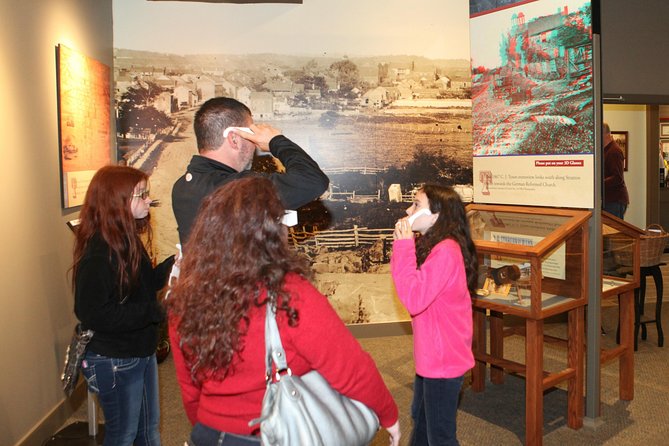
- 3D photos and 3D glasses
- The basement/cellar-style experience: the part people remember
- How long it takes: plan your pace like a local
- Gift shop in the lobby: more than a quick stop
- Mobile ticket reality check: smooth entry vs occasional tech hiccups
- Parking and timing: keeping the stress low
- Value for money: why this ticket can be worth it
- Who should book this, and who might want a different fit
- Should you book this skip-the-line admission?
- FAQ
- What is included with the admission ticket?
- How long should I plan to spend at the museum?
- Is this a guided tour or self-guided?
- What’s the main focus of the museum?
- Does the ticket work as a mobile ticket?
- What are the museum’s opening hours?
- When is the last time I can enter?
- Are service animals allowed?
- Is the museum near public transportation?
- Is transportation to and from attractions included?
- Can I get a refund if my plans change?
Key highlights to look for
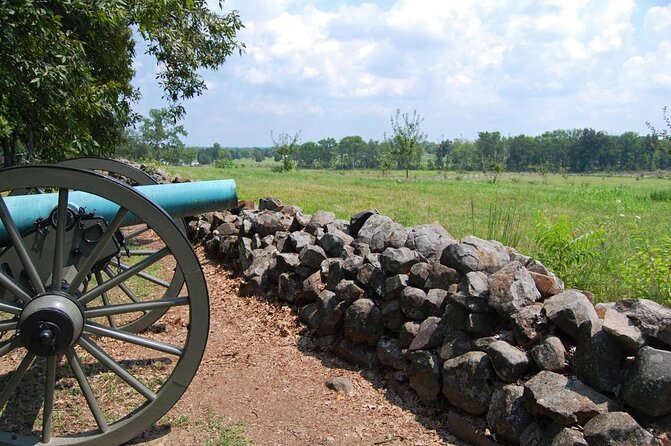
- Town-and-battle perspective: You get the invasion and fighting framed from what happened to civilians and the town itself.
- Gettysburg Animated Map film: An orientation movie that gives context fast so the exhibits make sense.
- Interactive artifacts and documents: Expect a mix of historical pieces, display panels, and hands-on features.
- 3D presentations and 3D photos: Some parts use 3D viewing, so keep an eye out for what you need.
- Cellar/basement experience: A standout, because it puts you in the mindset of people hiding during the fighting.
Where the Gettysburg Heritage Center fits in your Gettysburg day
If you only do the big battlefield stuff, you’ll miss a key piece of the story: what the war felt like for ordinary people in town. That’s exactly what the Heritage Center is built to do. It sits just outside the Gettysburg National Military Park, so it’s a natural first stop if you want your later battlefield walking to hit harder.
This is not a marathon museum. It’s a focused, self-guided experience with about 1–2 hours typical visit time. That matters because you can pair it with cemetery and battlefield stops without the schedule getting squeezed.
The overall vibe is educational, but not stiff. The exhibits push you to imagine the decision civilians faced—freeze, flee, or fight—and then back it up with artifacts, documents, and dramatized visuals. If you like history you can understand quickly (and remember later), this is the kind of stop that works.
Entering the center: start in the right place
The Heritage Center is designed to get you oriented early. When you walk in, you’re in the lobby area that also includes the gift shop. That gift shop isn’t just an afterthought either; it’s a major feature, with a lot of books and other souvenirs available right there before you move into exhibits.
From there, your first real “anchor” is the orientation film: Gettysburg Animated Map. This is the part that helps your eyes later. Instead of seeing troops or scenes as separate facts, you start connecting how the movement unfolded over the fight.
Even if you skip parts you don’t feel like watching (some people do when running short on time), I’d still make sure you catch the orientation movie. It’s short enough to fit into your visit, and it helps you avoid that classic problem of visiting a museum that doesn’t quite “click” yet.
Self-guided town-and-battle tour: how the museum tells the story
The experience is set up as a two-part self-guided flow: one side from the town perspective, the other from the battle perspective. The big idea is simple. You’re not only learning what happened in the war—you’re learning what it did to people who lived there.
The town perspective: ordinary people, sudden chaos
The town-focused exhibits focus on civilians and citizens, and they’re built around the question of response under pressure. You’ll see how people reacted when the fighting moved into the area, and you’ll notice the museum leans into personal impact rather than just unit movements.
This is a great choice if you’ve ever felt that battlefield sites can become too abstract. Here, the story explains what it meant for daily life—fear, disruption, and the kinds of choices people had to make quickly.
The battle perspective: movement you can visualize
Then the exhibits shift toward how the battle played out. You’ll find visual and interactive displays, historical materials, and 3D productions meant to clarify the timing and positioning of forces.
A useful tip: if you’re the type who loves maps, you’ll likely be happy here. The museum leans on visual explanation, including film and modeled presentation styles. Some visitors also highlight panoramas and cyclorama-style viewing experiences as memorable components, so if those shows are running during your visit, treat them as worth your time.
The film and 3D elements: what’s worth your attention
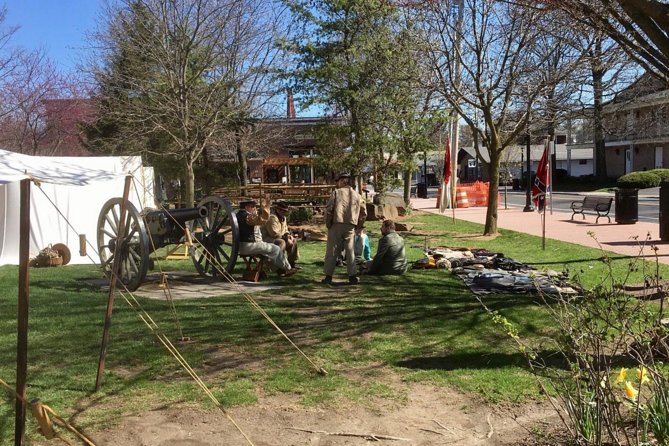
A lot of visitors describe the “media” parts as the glue that holds everything together. That’s not just because they’re entertaining. It’s because Gettysburg is a three-day event with a lot of pieces moving at once, and the museum uses visual tools to keep it understandable.
Orientation movie: Gettysburg Animated Map
The Gettysburg Animated Map is included and functions like your fast guide to the main timeline. When you watch it, you’re basically giving your brain a reference frame.
If you’re visiting with kids, this is one of the best ways to keep everyone on the same page. If you’re visiting solo, it still helps you get more out of every artifact you look at, because you’re no longer guessing where things fit.
3D photos and 3D glasses
Some parts of the experience use 3D viewing and may require 3D glasses. You’ll know quickly if a section includes them, since the museum is set up to make you use the right gear for those visuals.
The takeaway: don’t treat the 3D stuff as a gimmick. In this context, it’s meant to add depth so you can understand angles, layouts, or layered scenes.
One note for reality-checking your expectations: a small number of people felt the 3D effects were slightly dated. That doesn’t mean the content is weak—it just means the show might not look like today’s newest special effects.
The basement/cellar-style experience: the part people remember
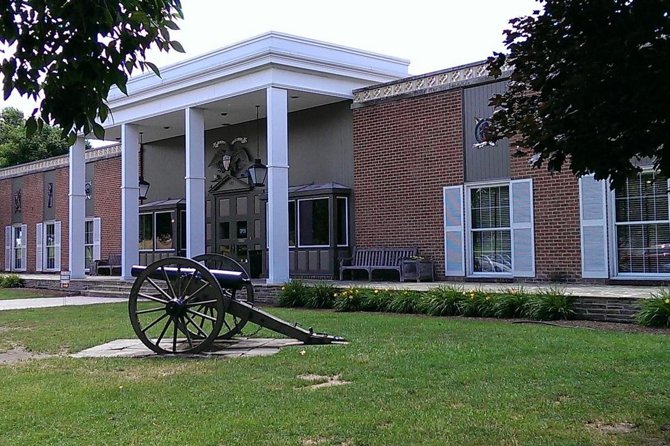
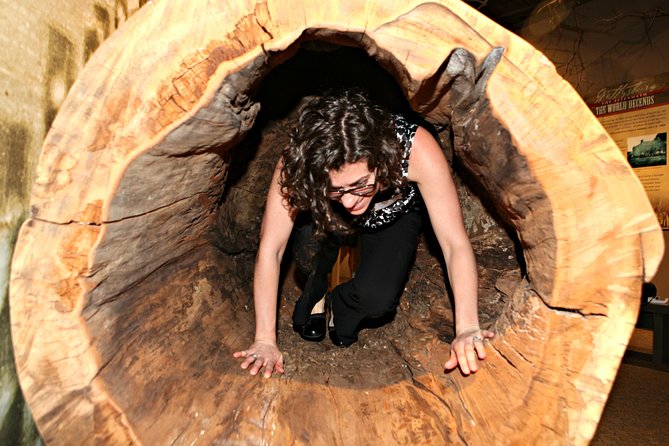
The most strongly praised component is the cellar/basement experience. People call it eye-opening, realistic, and effective in making you feel what civilians went through.
This is usually the section that slows people down, even if you plan a quick visit. It’s not just about facts; it’s about atmosphere and perspective. If you’re someone who learns well when you can feel the situation, this is likely to be the highlight of your 1–2 hours.
Because it’s a “experience” zone, you’ll probably want to give it your full attention instead of rushing past it for more gift shop time.
How long it takes: plan your pace like a local
Based on the practical timing that visitors report, I’d treat the Heritage Center as a set piece in your day, not a flexible wandering museum.
- If you watch only the must-see parts and move briskly, you can be out quickly.
- If you stop for most interactive areas and don’t skip films or 3D segments, you’ll likely settle into the full 1–2 hour range.
A smart strategy: decide first what your priorities are. If you want context for the battlefield, focus on the orientation movie and the battle visuals. If you’re most interested in civilian impact, spend extra time on the town-focused sections and the cellar/basement component.
Either way, give yourself at least a small buffer. Museums like this can feel short when you’re rushing, and then you walk away thinking you missed the point.
Gift shop in the lobby: more than a quick stop
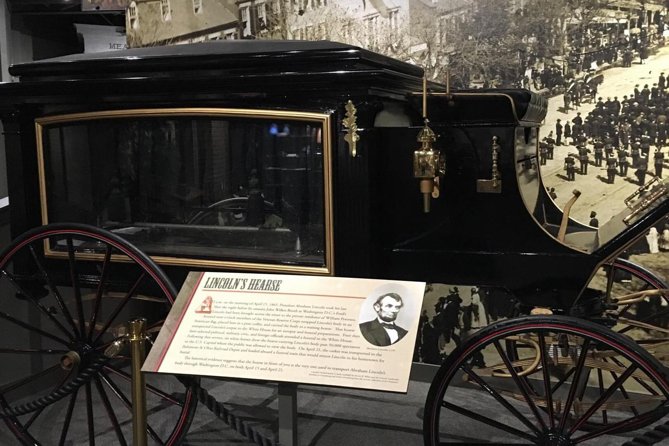
Let’s be honest: the gift shop is a big deal here. It’s right in the lobby, and it can easily eat up time if you’re tempted by everything in sight.
What you’ll find tends to cover the classics: books, apparel, souvenirs, educational materials, and a wide range of items aimed at families. Some people also point out replica weaponry, toys, games, and artwork.
If you’re trying to make your visit feel complete, I suggest you do the shop after the main exhibits. That way you know what stories you just learned and you’re more likely to buy something that connects to the content you saw.
Mobile ticket reality check: smooth entry vs occasional tech hiccups
This admission is designed around a mobile ticket, and “skip the line” is the idea. In many cases, mobile entry can be painless, especially if you arrive during lighter hours.
Still, I’d be prepared for the one thing every traveler learns sooner or later: tech can act up. There are examples of people having trouble with electronic passes at the entry point, leading to delays.
My practical advice: have your phone charged, screen brightness up, and the ticket ready before you walk inside. If you run into issues, don’t panic—staff can likely help you sort it out, but it can cost minutes.
Parking and timing: keeping the stress low
A common theme is that the museum can be either quiet or busy depending on the day and time. If you’re hoping to glide through, aim for earlier hours in the opening window.
The center operates in a daytime schedule: Monday through Sunday, 10:00 AM to 3:00 PM for 2026. The last entrance is 1 hour before closing, so don’t dawdle if you’re planning a late-day stop.
Good news: one visitor specifically called out parking behind the building, which can make this stop easier than you’d expect in a busy tourist town.
Value for money: why this ticket can be worth it
Even without a price number here, you can judge value by what’s included. Your admission covers:
- a self-guided tour through the museum’s town and battle experience
- the included orientation movie (Gettysburg Animated Map)
- the museum’s interactive exhibits and 3D presentations
For many visitors, that mix is the point. The Heritage Center gives you a structured way to understand what you’ll later see on the battlefield. That’s the kind of value that doesn’t show up only as entertainment—it shows up as better comprehension.
Also, the experience is short. A ticket that delivers strong context in 1–2 hours can be a better value than longer museums that force you to abandon battlefield stops.
Just be honest with yourself: if you want a huge museum with dozens of rooms and hours of wandering, this won’t be that. If you want the story made clear and the emotional stakes explained, it often feels like a well-targeted purchase.
Who should book this, and who might want a different fit
I’d book this if you:
- want a fast, understandable introduction to Gettysburg beyond the battlefield headlines
- like interactive exhibits and visual explanation
- are traveling with kids and want something education-focused but not dry
- want the civilian perspective, especially the cellar/basement experience
I might skip or pair differently if you:
- plan to spend half a day at museums and want a large scale collection
- strongly prefer deep, artifact-only exhibitions without films or media
- are extremely sensitive to mobile-ticket entry issues and hate troubleshooting
A balanced approach works best here: treat this as a “set your mental map” stop, then go experience the outdoors and memorial sites.
Should you book this skip-the-line admission?
I think you should book if you want clarity, perspective, and a memorable emotional moment in a tight time window. The Heritage Center’s biggest strength is its focus on how Gettysburg’s residents lived through the war, not just how the armies moved. Add the orientation movie and the cellar/basement experience, and you get a stop that tends to stick.
If you’re short on time, this ticket can be a smart use of money because it builds context for the battlefield day ahead. If you’re expecting a massive, hours-long museum, adjust your expectations and use it as a powerful warm-up rather than your whole Gettysburg plan.
FAQ
What is included with the admission ticket?
You get a self-guided tour of the Gettysburg Heritage Center and Museum, access to the visual and interactive exhibits from both town and battle perspectives, and the orientation movie called Gettysburg Animated Map.
How long should I plan to spend at the museum?
Most visits are about 1 to 2 hours.
Is this a guided tour or self-guided?
It’s self-guided. You explore at your own pace.
What’s the main focus of the museum?
The museum focuses on the Battle of Gettysburg and how it affected the town’s citizens and their stories, including what people experienced before, during, and after the battle.
Does the ticket work as a mobile ticket?
Yes. The ticket is provided as a mobile ticket.
What are the museum’s opening hours?
For 2026, hours are 10:00 AM to 3:00 PM, Monday through Sunday.
When is the last time I can enter?
The last entrance is 1 hour before closing.
Are service animals allowed?
Yes, service animals are allowed.
Is the museum near public transportation?
Yes, it’s described as near public transportation.
Is transportation to and from attractions included?
No. Transportation isn’t included.
Can I get a refund if my plans change?
Yes. You can cancel for a full refund up to 24 hours in advance of the experience’s start time.