REVIEW · ROME
Rome: Introduction to the Colosseum and Ancient City Tour
Book on GetYourGuide →Operated by Crown Tours · Bookable on GetYourGuide
The Colosseum still hits hard. This tour pairs skip-the-line entry with an expert guide who explains how the arena worked and what stories shaped life around it. You’ll also get Palatine Hill and the Roman Forum with context, plus a bit of time to wander after the guided part.
My favorite part is the way the guide makes the site feel usable, not just impressive. You learn the big picture (from Flavian engineering to gladiator entertainment), then you can pause for your own photos and views. The main drawback is simple: ID is mandatory, and without it you can miss your entrance.
In This Review
- Key highlights worth your attention
- Why this Colosseum + Ancient City combo fits real sightseeing
- Entering the Colosseum: engineering, crowds, and gladiator legends
- Palatine Hill: the best kind of viewpoint with layered ruins
- The Roman Forum: where power, money, and everyday life met
- Ending near Trajan’s Column: a quick icon with real meaning
- Price and what you’re really paying for
- Small-group feel and guide quality: what makes the experience land
- Rules you should take seriously before you show up
- Who should book this Colosseum and Ancient City tour?
- Should you book it?
- FAQ
- How long is the Colosseum and Ancient City tour?
- Does this tour include skip-the-ticket-line entry?
- What sites are included besides the Colosseum?
- Where does the tour end?
- What’s included in the price besides the entrance?
- Do I need an ID to enter?
- What languages are available for the live guide?
- Is there a place to store a suitcase?
- Is food and drink allowed during the tour?
- What is the cancellation policy?
Key highlights worth your attention
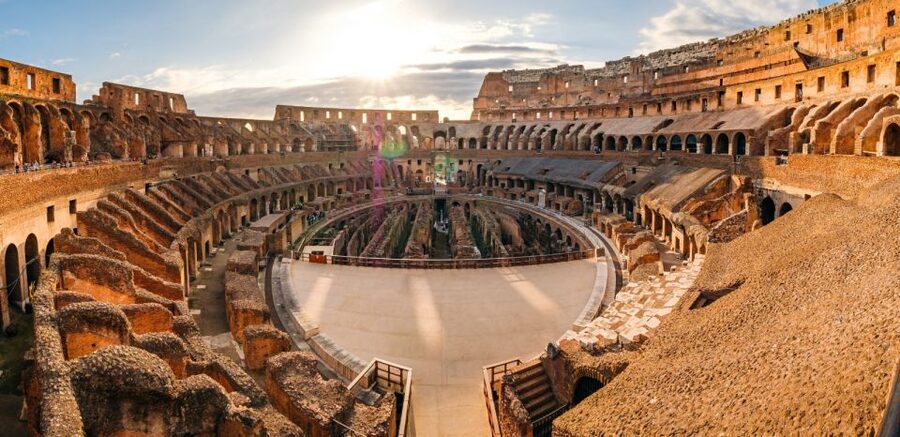
- Skip-the-line entry to the Colosseum, so you start seeing instead of waiting
- Engineering and entertainment explained: Flavian building goals, crowd size, and why it mattered
- Palatine Hill panoramas plus layered Rome, from early kingdom ruins to later power
- Roman Forum meaning as the social, political, religious, and financial center
- Myths, legends, and gladiator stories woven into the walk through the ruins
- End point at Trajan’s Column, a famous symbol of victory and power
Why this Colosseum + Ancient City combo fits real sightseeing
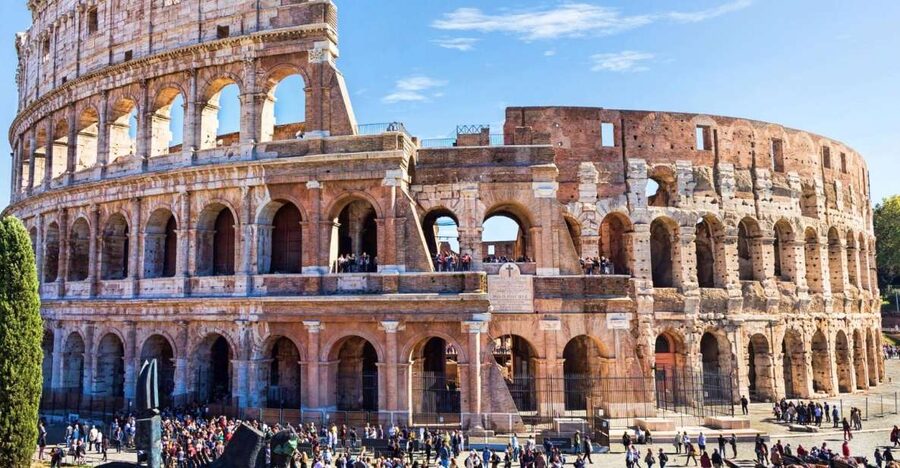
Rome gives you two problems fast: everything is crowded, and everything is old. This tour tries to solve both with smart sequencing. First, you get Colosseum access with a guide explaining what you’re looking at, not just where it is. Then you continue to Palatine Hill and the Roman Forum, where your brain starts connecting how Rome actually worked.
The value here isn’t only the famous arena. It’s the mix of big-picture storytelling (why it was built, what it hosted, who it was for) and practical viewing time. Once the guided portion ends, you can enjoy parts of the complex at your own pace, which matters because you’ll want to linger—especially for viewpoints over the Colosseum from Palatine Hill.
One more win: you’re not stuck with awkward audio. The tour uses radios/headsets, which helps a lot in open-air crowds where shouting gets tiring quickly.
You can also read our reviews of more city tours in Rome

Entering the Colosseum: engineering, crowds, and gladiator legends
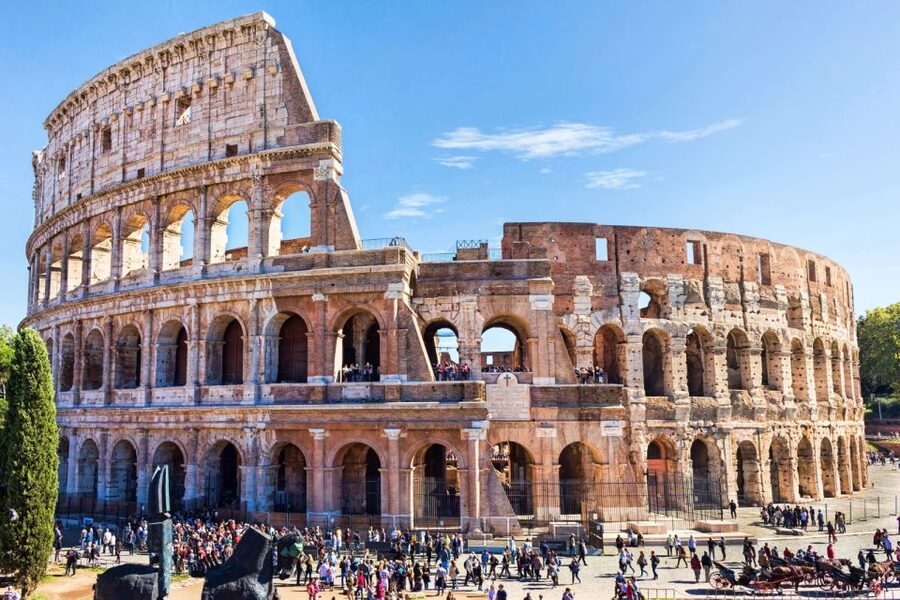
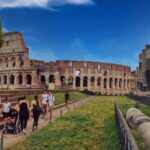
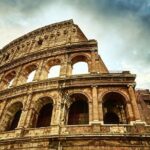
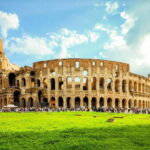
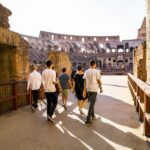
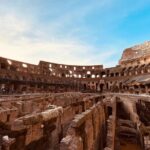
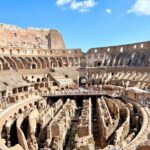
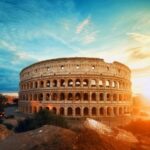
The Colosseum is the kind of monument where your first instinct is to look up. After the guide’s setup, your second instinct becomes better: look around and notice how it’s built. You’ll learn that the Colosseum had over 80 entrances and could hold about 50,000 spectators—scale that’s easier to understand once someone points out the design logic.
Your guide also frames the “why” behind the structure. You’re told it was built for three reasons: it was a gift to Roman citizens from the Flavian dynasty to win popularity, it staged major entertainments, and it showcased Roman engineering. And yes, the games could last up to 100 days, which is a wild detail until you realize this wasn’t a one-off event—it was a long-running spectacle culture.
You’ll hear stories tied to gladiators and the way crowds were kept entertained. These aren’t random facts. They help you interpret the space: where people would gather, how spectacle worked, and why Romans cared so much about public shows.
Practical note: this tour includes skip the ticket line, which is exactly what you want at one of the most in-demand sights in Rome. Less time waiting means more time inside the arena thinking about the design and scale.
Palatine Hill: the best kind of viewpoint with layered ruins
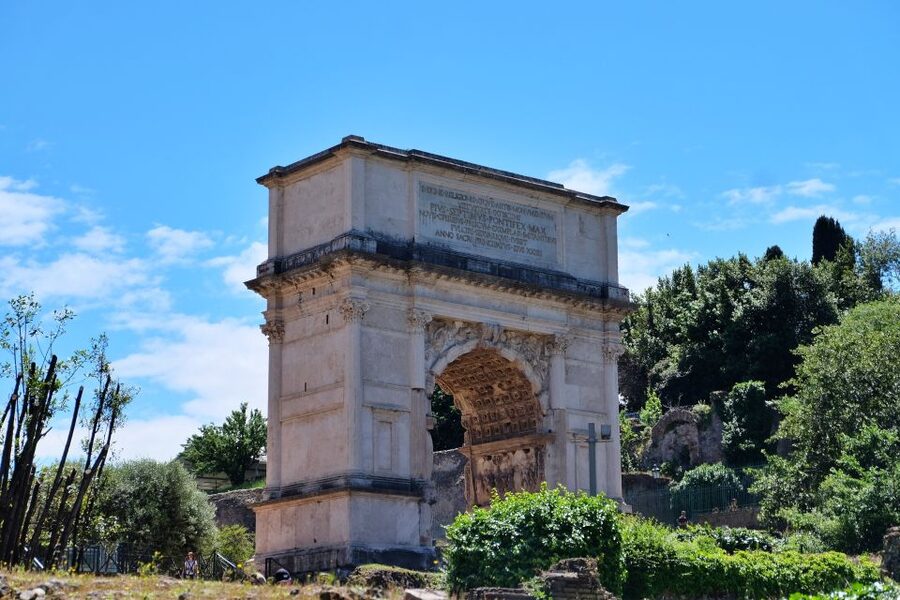
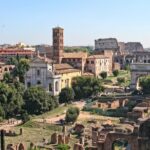
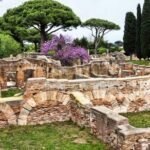
If the Colosseum is the headline, Palatine Hill is the context. The hill is described as a foundation point of Rome, and you’ll see ruins from multiple eras stacked over time. That layering matters because Palatine isn’t one period—it’s many.
Here’s what your guide helps you connect as you walk:
- Early kingdom ruins (as far back as the 7th century BCE)
- Roman Republic structures from later centuries BCE
- The major Imperial Age presence, including the palace of Emperor Domitian
- Later reuses, including the Farnese family during the Renaissance and Mussolini’s presence in the 20th century
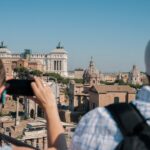
You’ll also get panoramic views of the Colosseum. That’s one of the most satisfying parts of this itinerary because the view turns the arena from an isolated structure into something rooted in a landscape of power. The hill makes you feel how Rome grew outward from its early center.
Drawback to keep in mind: Palatine Hill is on uneven ground with lots to see. This tour helps because you’re not trying to figure it out alone, but you’ll still want to go slowly for photos and reading.
The Roman Forum: where power, money, and everyday life met
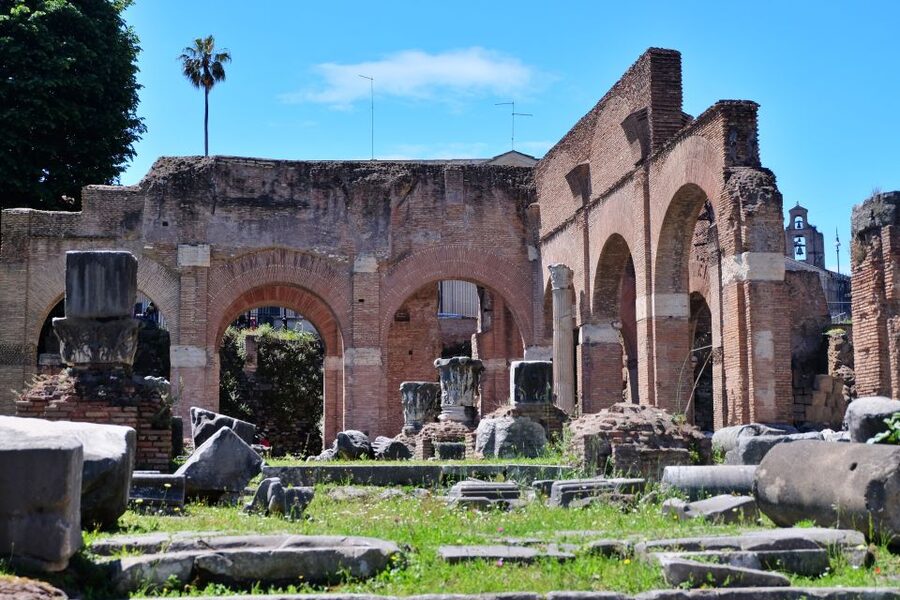
After Palatine Hill, the walk into the Roman Forum shifts your mindset. Instead of thinking about events staged for crowds, you start thinking about the place Rome ran itself.
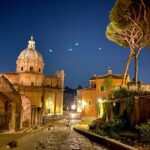
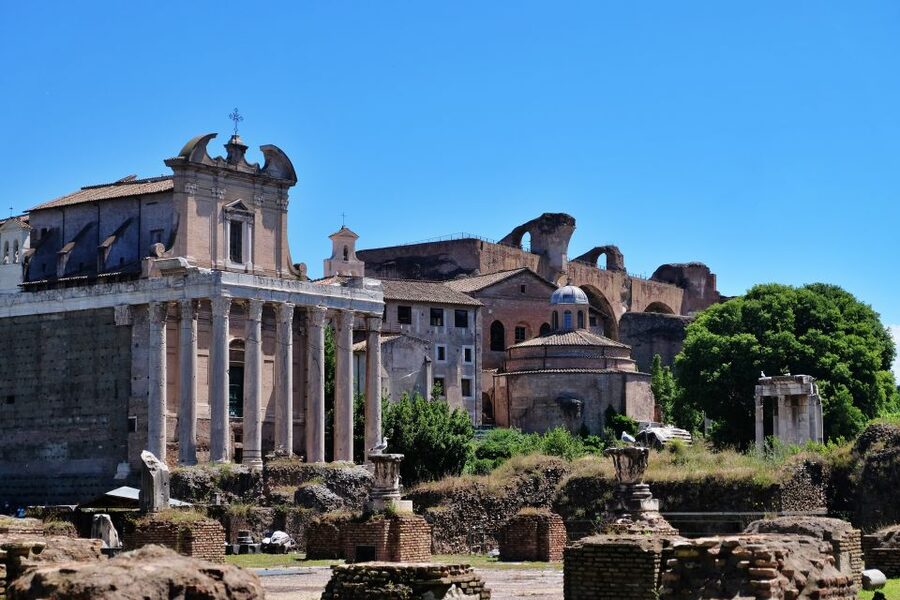
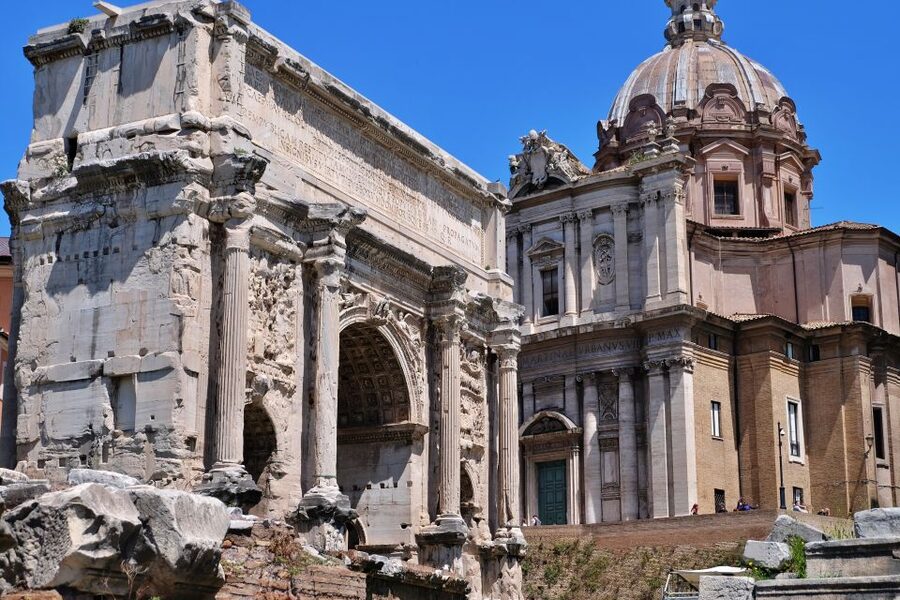
You’ll learn the Forum served as the social, political, religious, and financial center of the Roman Empire. That description is useful because it tells you why the ruins feel different from the Colosseum. The arena was theater. The Forum was governance and daily life on display.
The guide points out surviving structures and helps you understand how different layers of Roman society were present in the same spaces—richer citizens, political figures, and even people at the margins. The Forum becomes less like a history lecture and more like a map of how power moved.
This stop is also where self-paced time can be great. After a guided explanation, you can return to the spots that grab your attention and spend longer there without feeling behind the group.
Ending near Trajan’s Column: a quick icon with real meaning
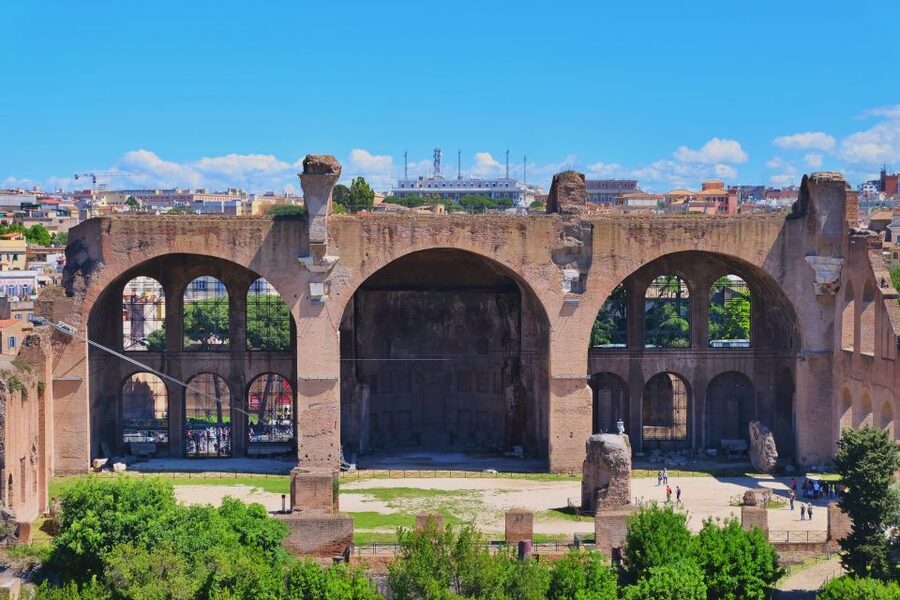
Your tour ends at Trajan’s Column, described as a famous icon of Roman victory and power. This is a short finale, but it gives you a helpful emotional button at the end of a long walk through ruins.
Why it works: after the Colosseum and the Forum, Trajan’s Column feels like a reminder that Rome didn’t just build monuments—it documented authority. It’s also a convenient way to close the loop on the themes your guide has been building: engineering, entertainment, and political power.
If you want photos, this is where you’ll likely want to stop without rushing. It’s also a nice anchor point when you’re trying to orient yourself after a day of moving between sites.
Price and what you’re really paying for
The price is listed at $58 per person for a 2.5-hour experience. That’s not just a “ticket plus walking.” The price structure is important to understand.
The tour notes that the archaeological site entrance fee is €16 for adults, plus a €2 reservation fee. What you’re paying on top of that includes services like an experienced licensed guide, audio devices, reservation fees, and other tour amenities.
So you’re not only buying access to the Colosseum—you’re buying the explanation that helps you make sense of it once you’re inside. For many people, that’s the difference between seeing ruins and actually understanding why they look the way they do.
One seasonal adjustment: in July and August, the duration of the visit is 2 hours. If you’re booking in peak summer, plan your day accordingly.
Small-group feel and guide quality: what makes the experience land
Guide style can make or break Rome tours, and the feedback here is strong. In one French tour for a small group of about 8, Catherine delivered explanations that were both clear and carefully spoken. Another example: Alessandro Palma provided an explanation described as thorough, packed with interesting details, and delivered with warmth and attention to people’s questions.
That matters because this itinerary covers several major sites in a short window. If the guide is good, the story stays connected: Flavian reasons for building the Colosseum, how the Forum functioned, and why Palatine Hill feels like the root system of Roman power.
If you’re the type who asks questions as you go, this tour format supports it. The presence of headsets helps you hear answers without the guide having to fight the crowd noise.
Rules you should take seriously before you show up
A few “don’t ignore this” items can save you stress at the entrance:
- ID is required. If you arrive without it, entrance can’t be guaranteed.
- You must provide the full names of all participants when booking; incomplete info can affect entrance.
- No suitcase compartment is available, so avoid bringing oversized luggage.
- No food or drinks inside, and no alcohol or drugs.
- No smoking.
- No pets, weapons/sharp objects, sprays/aerosols, or glass objects.
- Electric wheelchairs are listed as not allowed.
Also check timing: the tour says durations depend on availability and that meeting points may vary by option booked.
My practical advice: pack light, bring your ID ready to show, and expect a security check. You’ll enjoy the tour more if you’re not scrambling at the last minute.
Who should book this Colosseum and Ancient City tour?
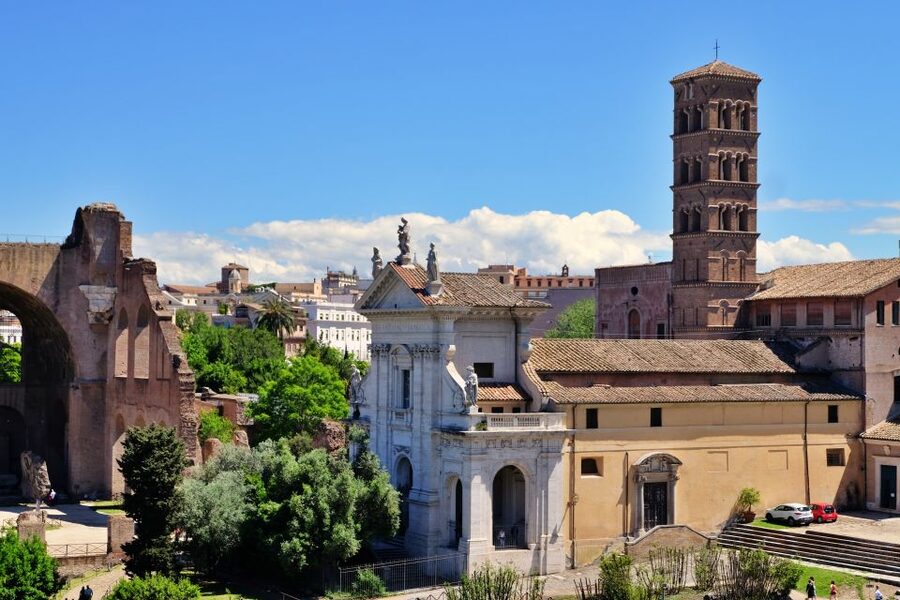
This is a strong pick if you want three things in one visit: Colosseum context, Palatine Hill viewpoints, and Roman Forum meaning—without spending your whole day reading walls on your own.
It’s also a good match if you:
- like guided storytelling but still want time to wander after the main walk
- want help connecting multiple sites into a single narrative
- value better audio with radios/headsets
- care about photos, especially the Palatine Hill angles over the arena
If you already know Roman architecture and mythology well, you might feel some parts are more explanatory than necessary. But for most first-timers, the guide-led framing makes the ruins click quickly.
Should you book it?
Yes, if your top goal is to leave with more than a list of monuments. This tour gives you a workable storyline: why the Colosseum exists, how the Forum functioned, and why Palatine Hill matters as the origin point of Rome. The guide + headsets combo helps you actually keep up, and the option to enjoy parts at your own pace is a real quality-of-life benefit.
Book it with one caveat: come prepared for the ID requirement and the rules about luggage and items. If you can’t meet those requirements, this tour can turn into a frustrating stop rather than a satisfying one.
FAQ
How long is the Colosseum and Ancient City tour?
The tour is listed as 2.5 hours. In July and August, the visit duration is 2 hours.
Does this tour include skip-the-ticket-line entry?
Yes. It includes skip the ticket line access to the Colosseum.
What sites are included besides the Colosseum?
The tour includes a visit to Palatine Hill and the Roman Forum.
Where does the tour end?
It ends at Trajan’s Column.
What’s included in the price besides the entrance?
Your booking includes a tour guide and radios/headsets to hear the guide better, plus entrance to the Colosseum and the Palatine Hill and Roman Forum visit.
Do I need an ID to enter?
Yes. ID is mandatory. If you arrive without ID, entrance to the Colosseum areas can’t be guaranteed.
What languages are available for the live guide?
The live guide is available in French, German, English, Italian, and Spanish.
Is there a place to store a suitcase?
No. It states no suitcase compartment is available.
Is food and drink allowed during the tour?
No. Food and drinks are not allowed.
What is the cancellation policy?
This activity is listed as non-refundable.