REVIEW · KATHMANDU
Kathmandu Private Sightseeing Tour | UNESCO World Heritage Sites
Book on Viator →Operated by Mount Glory Treks & Expedition Pvt.Ltd. · Bookable on Viator
Kathmandu rewards you fast when you plan well. This private day tour strings together the city’s most important UNESCO landmarks with an English-speaking guide, plus Thamel pickup and an AC vehicle to keep you moving. You get to choose how intense the day feels, from a lighter plan to a full sweep of major sites.
I especially like the way this tour is built around personalized guiding. Your guide isn’t just pointing at buildings; they’re there to explain what you’re seeing and answer questions as you go. I also like the practical comfort: pickup from your Thamel hotel, bottled water, and private transport for an all-day rhythm.
The main drawback is simple: going after 7 UNESCO sites in one day is a long grind. If you’re sensitive to traffic, rain, or lots of stairs, you’ll want to consider the 4-site option or be ready to move at a steady pace.
In This Review
- Key things to know before you go
- Thamel pickup and a private AC car that saves your day
- Durbar Square (Hanuman Dhoka) and the Kumari details you’ll miss on your own
- Swaymbhunath (Monkey Temple) and the hilltop view logic
- Pashupatinath and Guhyeshwari: Shiva’s pilgrimage atmosphere
- Boudhanath Stupa and Patan Durbar Square in one smooth storytelling day
- Bhaktapur Durbar Square and Changu Narayan for the older, quieter feeling
- Choosing 4 vs 7 UNESCO sites without burning out
- Price and entrance fees: what $35 covers and what to budget for UNESCO tickets
- Guide support you can feel in tight traffic and bad weather
- What this tour feels like day-to-day (and how to prep)
- Who should book this Kathmandu UNESCO day tour
- Should you book this tour?
- FAQ
- How long is the Kathmandu private sightseeing tour?
- How much does the tour cost?
- Do I get pickup from Thamel?
- Is this a private tour?
- What transport is included?
- Is the tour guide included?
- Are UNESCO monument entrance fees included?
- What UNESCO sites are included on the route?
- Is lunch included?
- What happens if the weather is bad?
- Can I cancel and get a full refund?
Key things to know before you go
- Thamel pickup + private AC car: less hassle, more time at the stops
- Choose 4 or 7 UNESCO sites: you control how intense the day feels
- A guide who stays with you all day: commentary while you travel between areas
- Monument entrance fees are extra: plan for the UNESCO site ticket cost
- Rain and traffic can happen: the schedule is packed, so build in patience
- Mobile ticket included: you don’t need to scramble for paperwork
Thamel pickup and a private AC car that saves your day
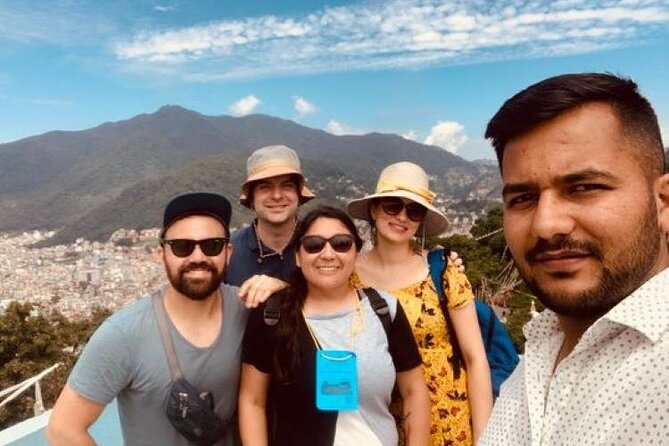
Kathmandu traffic can be… energetic. The biggest win here is that you’re picked up from your Thamel hotel and carried around in a private vehicle with AC for the full day. That means less waiting, fewer detours, and more time focused on the sights instead of figuring out logistics.
This also matters because the itinerary can cover a lot of ground in a single day. Even with short site visits, the travel time between Durbar areas, hilltop temples, and major stupas adds up. The private car turns that into a predictable routine rather than an exhausting scavenger hunt.
You’ll also get bottled mineral water, which sounds tiny until you’re halfway through a hot, dusty stop. It helps you stay comfortable as the day stretches from morning into late afternoon or early evening.
You can also read our reviews of more private tours in Kathmandu

Durbar Square (Hanuman Dhoka) and the Kumari details you’ll miss on your own
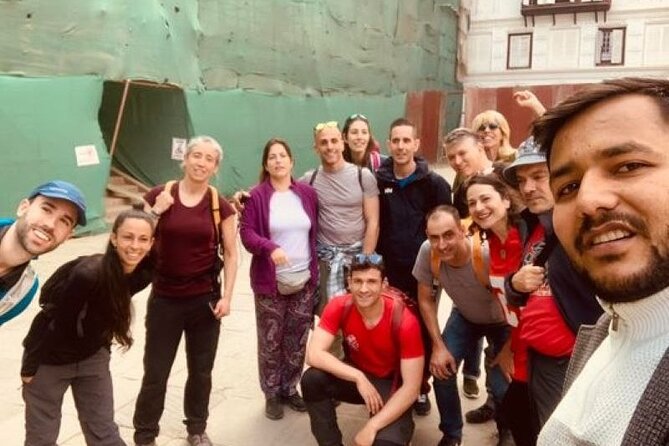
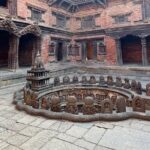
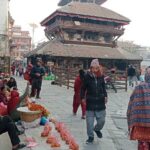
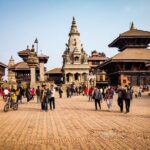
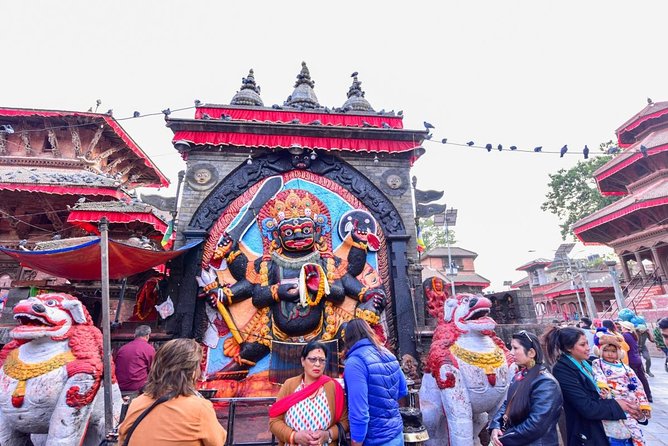
A lot of Kathmandu’s story is written in its palaces. The day often starts at Kathmandu Durbar Square, also known as Basantapur Durbar, centered around the Hanuman Dhoka Palace area. This is an old royal palace complex from Nepal’s earlier kingdom era and it’s a UNESCO World Heritage Site.
This stop is more than one courtyard. You’ll also find key sights here such as the Living Goddess Kumari. Even if you don’t spend ages trying to catch every angle, it’s worth understanding what you’re looking at: this is a place where spiritual tradition and royal history overlap in a very visible way.
Another highlight inside this area is a Buddha Park stop, where you can see giant three Buddha statues. It’s a good moment to slow down. It also gives you a different visual tone than the palace stonework and temple textures—useful when your brain is starting to feel overloaded from the pace of the day.
Practical note: Durbar Square areas tend to involve uneven footing and a fair amount of walking. Comfortable shoes matter more than you think.
Swaymbhunath (Monkey Temple) and the hilltop view logic
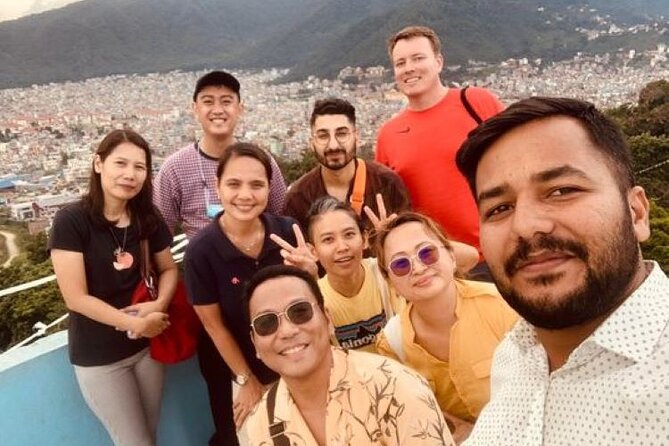
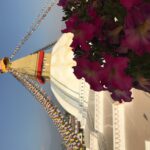
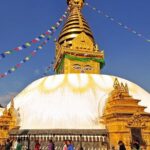
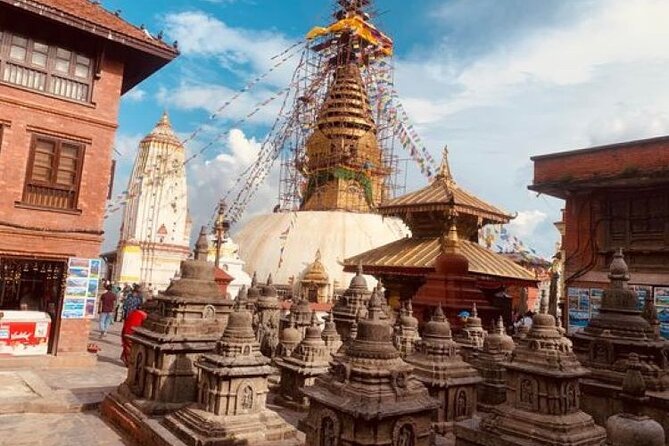
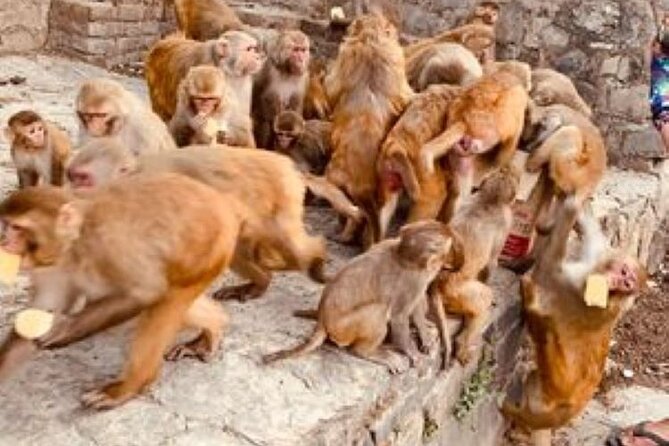
Next up is Swaymbhunath, the ancient stupa on a hilltop, famous worldwide as the Monkey Temple. When you arrive, you’ll notice why people come: you can look around and understand Kathmandu as a basin of temples and neighborhoods rather than isolated dots on a map.
This site is arranged in layers. There are many smaller stupas around the main complex, so you can wander in a loop and keep finding new angles. The major stupa has Buddha’s eyes, a detail that visitors often remember because it feels oddly direct, like the site is watching you back.
From a tour-planning point of view, Swaymbhunath is a smart choice on a day like this. It packs a lot into one location, and it gives you that “holy hilltop” feeling without needing to travel far beyond the hill.
Consideration: hilltop sites can be slippery in rain. If showers roll in, go slower on stairs and be ready for crowds in some areas.
Pashupatinath and Guhyeshwari: Shiva’s pilgrimage atmosphere
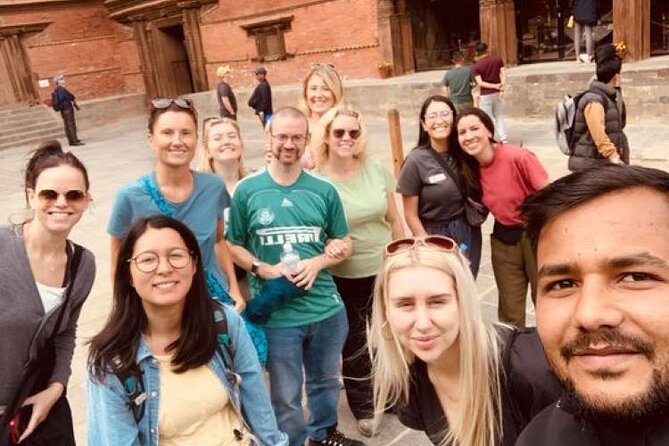
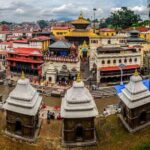
Pashupatinath Temple is one of the major Hindu pilgrimage sites in Nepal and it’s also a UNESCO World Heritage Site. This temple complex is known for its strong spiritual identity, and it’s described as the secret land of Shiva. It’s also very close to Kathmandu’s international airport, which is why you’ll sometimes notice the area’s “real-world proximity” even as you’re standing in a sacred zone.
A good addition here is Guhyeshwari Temple. It’s a useful pairing because it broadens the story beyond one main stop. With the right guide, you’ll understand how these temple sites relate to each other in practice, not just on a map.
This is also one of the stops where respectful behavior matters most. If you’re unsure what’s appropriate, follow your guide’s cues. The pace here can feel less like sightseeing and more like witnessing a living religious place.
Timing note: your time at this stop is typically about an hour. That’s enough to take in the main views and soak up the atmosphere, but it’s not long enough for slow, deep wandering if you’re the type who loves to linger in side corners.
Boudhanath Stupa and Patan Durbar Square in one smooth storytelling day
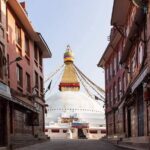
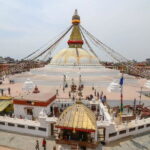
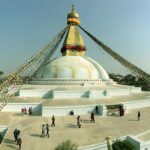
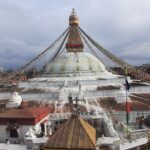
Boudhanath Stupa is a standout in the Kathmandu valley for sheer scale. It’s described as the largest spherical stupa in the world and it’s associated with a construction around the 5th century. Every day, many local and international travelers come here, so the area tends to feel active even when you pause to watch the rituals and flow.
If you’ve ever wanted a break from palace details and temple courtyards, Boudhanath is a different kind of experience. The stupa’s shape and the surrounding structures create a visual focus, so it’s easier to understand why people keep returning.
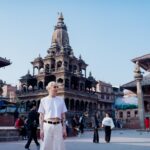
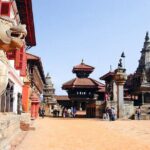
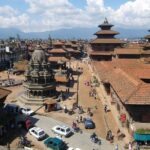
After that, the route often continues to Patan Durbar Square in Lalitpur. Patan’s Durbar Square is a major attraction of the Kathmandu Valley and is full of Buddhist and Hindu monuments and historical palaces, again under UNESCO recognition. If you like comparing styles across different Durbar squares, this helps. You can start to see how Kathmandu Valley craftsmanship expresses itself in different neighborhoods.
One practical idea: when you’re juggling multiple UNESCO areas, it helps to choose one “lens” for each stop. At Boudhanath, focus on stupa geometry and the feel of the area. At Patan, focus on the carvings, palace forms, and how the monuments are grouped.
You can also read our reviews of more historical tours in Kathmandu
Bhaktapur Durbar Square and Changu Narayan for the older, quieter feeling
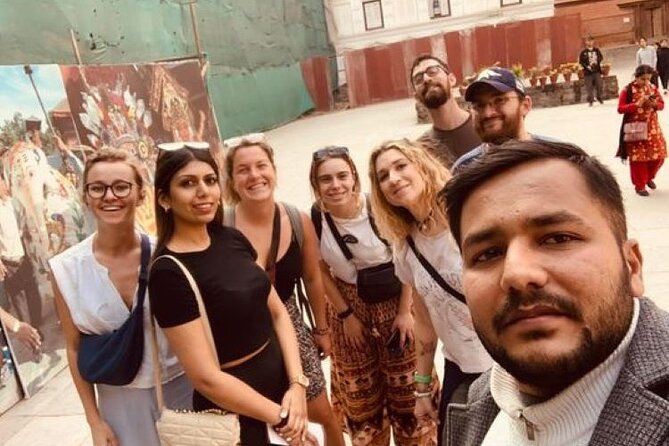
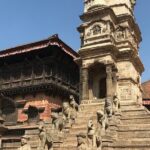
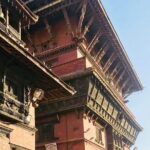
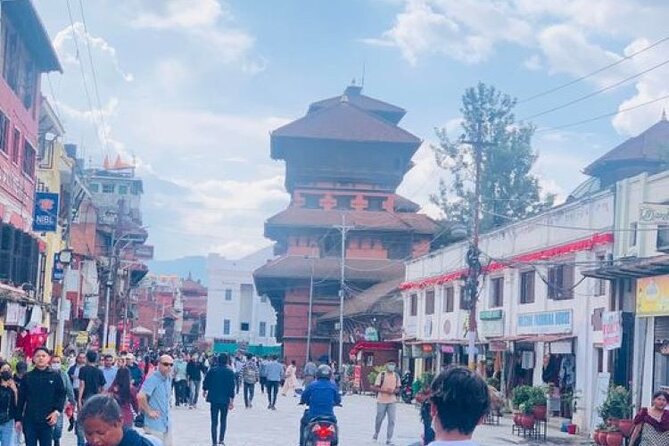
If you’re doing the fuller version of this tour, you’ll reach Bhaktapur Durbar Square, often called Khopa Lyaku. Bhaktapur is at about 1350 meters above sea level, and the Durbar Square is known for distinctive architecture details, including fourteen octagonal pillars and eight architecture above its cornice. Those numbers sound like trivia until you’re standing in front of the structure and realizing someone designed it with deliberate rhythm.
Then there’s Changunarayan (Changu Narayan). This ancient Hindu temple is on a hilltop in the Kathmandu Valley and is described as the oldest temple in this area, with distinctive construction. This stop can feel like a reset after the busier palace courtyards, even if you’re still on a time schedule.
Because both Bhaktapur and Changunarayan are older and more architectural, they tend to reward slower observation. If you’re doing 7 UNESCO sites, give yourself permission to take photos, pause, and notice the craft. Your guide’s explanations help here, turning what looks like “old stone” into “this design has a reason.”
Choosing 4 vs 7 UNESCO sites without burning out
The tour is built around choices. You can pick a plan that covers four UNESCO sites for a more relaxed pace, or go for seven UNESCO sites for the full-hit day. The difference is not small—it’s the difference between feeling “busy but fine” and feeling like your legs filed a complaint.
The longer day can be exhausting, especially when traffic and rain shift your timing. The good news is that a strong guide helps you keep control of the day. I’ve seen this style of guiding described as proactive: if the schedule gets tight, they help you prioritize what’s next so you don’t lose the day to frustration.
Here’s how I’d decide:
- Choose 4 sites if you want more time per place, fewer hurried transitions, and less stress.
- Choose 7 sites if you’re here for a short trip and you want the biggest UNESCO stamp in one day, and you’re comfortable with a lot of walking and stairs.
If you can, plan your next day with a buffer. One of the hidden costs of a packed UNESCO day is the emotional drain. You’ll enjoy Kathmandu more if you’re not immediately rushing to your next commitment.
Price and entrance fees: what $35 covers and what to budget for UNESCO tickets
The listed price is $35 per person for a full day around 8 to 10 hours, with private AC transport and an English-speaking guide. In terms of value, this is strongest for groups who want comfort and a guided explanation rather than hopping between sites on your own.
But the big financial note is this: monument entrance fees are not included. The tour provides a UNESCO site ticket cost range depending on how many sites you target:
- 7 UNESCO sites: 6000 Nepali Rupee
- 4 UNESCO sites: 2600 Nepali Rupee
- 2 UNESCO sites: 1200 Nepali Rupee
You’ll also want to budget for lunch, which is not included. And tips for the guide and driver aren’t included either, so have a plan for that before the day starts.
So is $35 still a deal? In my view, yes—because you’re paying for more than “getting from A to B.” You’re paying for a full guided day, private transport, taxes and official expenses, and basic comforts like water. The entrance ticket is the add-on that scales with how ambitious your UNESCO list is.
Guide support you can feel in tight traffic and bad weather
Kathmandu doesn’t always cooperate. Rain shows up, traffic can slow to a crawl, and a packed schedule can start to feel unrealistic. The strongest version of this tour is where the guide helps you stay calm and keep the day on track.
I’ve seen praise tied to guides like Manoj, who handled rain and challenging traffic while still getting the group through a major portion of the day. That’s exactly what you want: not just history facts, but practical judgment about what’s next and how to protect your time.
Another guide mentioned in strong feedback is Santos, praised for being patient and for answering questions without rushing. That matters when you’re trying to understand the meaning behind what you’re seeing—especially at spiritual sites like Pashupatinath and temple complexes tied to living tradition.
You can’t guarantee which guide you’ll get, but you can count on the tour’s structure: you have an English-speaking city guide staying with you and commentary as you travel.
What this tour feels like day-to-day (and how to prep)
This experience is designed as a full-day loop of major UNESCO sites around Kathmandu Valley and its key heritage areas. That means you’ll be switching between palace squares, stupa zones, and temple complexes, often with short photo windows and quick orientation time.
To make it enjoyable, prep like you’re touring an active city heritage site, not museum galleries:
- Wear shoes that handle uneven stone and stairs.
- Bring something for rain if you’re traveling during wetter months.
- Carry sunscreen or a hat for the hilltop exposure.
- Keep your day flexible in your head; the route is packed by design.
The tour runs about 8 to 10 hours, so you’re not just “dropping in.” You’re doing a focused heritage day, with enough structure to feel smooth and enough variety to keep it from getting repetitive.
Who should book this Kathmandu UNESCO day tour
This is a good fit if you:
- Want a private guided day rather than a bus tour.
- Like hitting multiple UNESCO highlights without handling daily transport planning.
- Prefer a guide’s explanations at major sites like Hanuman Dhoka, Swaymbhunath, and Boudhanath.
It’s also a smart choice if you’re short on time and your priority is “see the icons.” For slow travelers who want hours inside a single place, the 4-site option may feel closer to your pace.
If you’re traveling with older relatives or anyone who struggles with stairs, I’d steer you toward the four-site plan. The seven-site version can still work, but it asks more from your body and your schedule.
Should you book this tour?
Book it if you want a structured, guided UNESCO day that starts with Thamel pickup, runs in a private AC vehicle, and trades last-minute planning for a smoother rhythm. The price is low enough that the main extra cost is the UNESCO entrance ticket, which scales with whether you choose 4 or 7 sites.
Don’t book it if you hate packed schedules or you’re likely to feel stressed by rain, traffic, and lots of walking. In that case, pick the simpler version or consider spacing sites over multiple days.
If your goal is to see Kathmandu’s heritage in one serious day, this is a practical way to do it without feeling lost.
FAQ
How long is the Kathmandu private sightseeing tour?
It runs about 8 to 10 hours.
How much does the tour cost?
The price is $35.00 per person.
Do I get pickup from Thamel?
Yes. The tour offers hassle-free pickup from your Thamel hotel.
Is this a private tour?
Yes. It’s a private tour/activity, and only your group participates.
What transport is included?
You travel in a private vehicle with AC for the full day.
Is the tour guide included?
Yes. You get an experienced, helpful, friendly English speaking city tour guide.
Are UNESCO monument entrance fees included?
No. All monuments entrance fees are not included, and you’ll need to pay a UNESCO site ticket cost (depending on how many UNESCO sites you visit).
What UNESCO sites are included on the route?
The route includes Kathmandu Durbar Square (Hanuman Dhoka) with Living Goddess Kumari and Buddha Park, Swaymbhunath, Pashupatinath Temple (plus Guhyeshwari Temple), Boudhanath Stupa, Patan Durbar Square, Bhaktapur Durbar Square, and Changunarayan.
Is lunch included?
No. Lunch is not included.
What happens if the weather is bad?
The experience requires good weather. If it’s canceled due to poor weather, you’ll be offered a different date or a full refund.
Can I cancel and get a full refund?
Yes, free cancellation is available. You can cancel up to 24 hours in advance for a full refund.