REVIEW · DENVER
Snowshoe Through History Tour from Denver
Book on Viator →Operated by Yeti Set Go · Bookable on Viator
Snowshoeing with history makes winter feel smaller. On this Denver tour I love the all-in gear setup and the way guides like Wendy and Alex turn the trail into Colorado stories. The only real catch is that while it’s beginner-friendly overall, there’s a short steeper section up to 11%, so you’ll want to go slow and steady if inclines bother you.
You’ll cover 4.7 miles on undulating terrain, with time for pickup and a relaxed return, while the highest point hits about 8,764 feet. Expect roughly 3–4 hours of snowshoeing inside a total 6-hour outing, with a private small group feel that keeps the day from turning into a cattle-line workout.
In This Review
- Key things I’d look forward to
- Snowshoeing Through History: What This 6-Hour Denver Tour Actually Delivers
- The Route Numbers: 4.7 Miles, 365 Feet Up-and-Down, and That 11% Moment
- How Guides Teach Snowshoes Without Making It Feel Like a Class
- Colorado Folklore on the Trail: Stories That Actually Fit the Walk
- Transportation, Meeting Point, and How to Show Up Smoothly
- Gear, Traction, Poles, and Snacks: Stay Warm Without Overpacking
- Who Should Book This: Fit Beginners, First-Timers, and Seasoned Hikers
- Should You Book This Snowshoe Through History Tour?
- FAQ
- How long is the snowshoeing portion?
- What distance and elevation change is involved?
- Is this tour beginner-friendly?
- How steep is the route?
- What is the highest elevation reached?
- Does the tour include gear and snowshoe equipment?
- Are snacks included?
- Do you get picked up from Denver and nearby cities?
- Where do we meet and when does the tour start?
- What if weather is bad?
Key things I’d look forward to
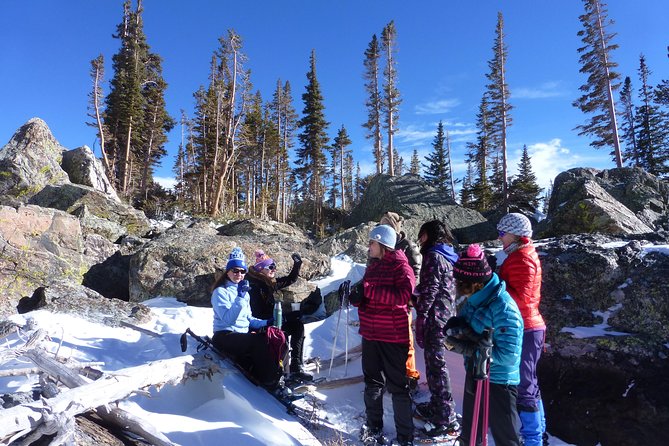
- Private small group attention so you can move at your pace and get help fast
- Gear and traction support included, with traction devices and poles available as needed
- Beginner-friendly math: 4.7 miles total and only 365 feet net up and down
- Real trail instruction so your snowshoe stride feels natural, not awkward
- Colorado folklore on the move—history stories delivered right where they fit
- Possible wildlife sightings if luck (and a careful guide) is on your side
Snowshoeing Through History: What This 6-Hour Denver Tour Actually Delivers
This is the kind of winter outing that fixes two problems at once: you get outdoor exercise, and you don’t have to do homework on what you’re seeing. The day is built around a guided snowshoe hike with history and folklore woven in along the route, so the scenery has context instead of just looking pretty (which, to be fair, it can do on its own).
I also like the way the tour frames the difficulty. It’s pitched as a good fit for fit beginners, not only people who live on ski hills. You’ll still get a workout, but the route design keeps the overall grade mild, with steeper moments only as short interruptions.
Finally, this is a good value style of tour because it’s not just “show up and follow a dot on a map.” You have staff handling the important parts—gear, instruction, and guiding—so you spend less time fussing and more time moving.
You can also read our reviews of more historical tours in Denver


The Route Numbers: 4.7 Miles, 365 Feet Up-and-Down, and That 11% Moment
Let’s talk specifics, because they matter when you’re choosing a winter activity.
- Total distance: 4.7 miles
- Net elevation gain/loss: 365 feet
- Average grade: 3%
- Max grade: 11%
- Highest point: about 8,764 feet
Those stats explain why this works for many first-timers. An average grade of 3% is more like a long gentle push than a wall. The max grade of 11% means there may be a short section that feels noticeably steeper—but you’re not climbing nonstop. You’ll likely feel the difference as a “work for a bit” moment, then back to easier footing.
A second thing I appreciate is the elevation note. The tour says oxygen should stay plentiful in that natural mountain setting, which helps you keep breathing steady instead of spiraling into panic after your first few steps. Still, it’s winter and you’ll be exerting yourself—so dress for warmth and plan to slow down.
How Guides Teach Snowshoes Without Making It Feel Like a Class
One of the biggest differences between a good snowshoe trip and a frustrating one is instruction quality. This tour is set up for beginners, with guidance on how to snowshoe properly. That can be a big deal for your comfort and safety because snowshoes change how your weight transfers.
When guides like Wendy explain the basics, the goal is simple: get you confident fast—how to step, how to balance, and how to keep moving without fighting the snow. The equipment support helps too. You’re not expected to already know which traction fits which boot or how to handle poles. If you need traction devices or poles, the tour can provide them.
Think of the teaching as removing the “first 30 minutes” awkwardness. Instead of spending the hike struggling with your feet, you can focus on the views, the stories, and the rhythm.
If you’re the kind of person who likes clear directions (and doesn’t mind a little coaching), you’ll probably enjoy the structure. If you’re a confident snowshoer seeking a technical challenge, this might feel more comfortable than intense—but the route still has enough effort to count as a real outing.
Colorado Folklore on the Trail: Stories That Actually Fit the Walk
The tour promise isn’t just exercise. It’s Colorado history and folklore paired with the landscape you’re walking through. The best guides don’t lecture at you—they time the stories for when they make sense, so you can look up, breathe, and connect the facts to what’s around you.
From the experience description and the guide feedback, Wendy and Alex are actively involved in making the day feel personal. You’re not just following; you’re learning as you go. That’s why people mention the history as interesting, not forced. On a hike, it’s easy for narration to become background noise. A good guide keeps it relevant and tied to the route.
There’s also a bit of nature realism included. The tour notes that you might get lucky and see wildlife. That’s not guaranteed, but it tells you the guides are watching. Even if you don’t see animals, it adds a reason to slow down occasionally and pay attention to movement, tracks, and the feel of the snow underfoot.
Transportation, Meeting Point, and How to Show Up Smoothly
You’re picked up as part of the experience, and that’s one of the quiet conveniences that can make or break a winter day. The tour includes transportation from Downtown Denver, Golden, and Boulder locations, with the outing starting at 8:00 am.
The meeting point listed is:
Ultreia, 1701 Wynkoop St #125, Denver, CO 80202
This start time is early enough that you’ll want to be ready before you’re hungry, cold, or rushing. Winter plus travel delays equals stress. Your best move is to plan an easy morning: arrive a little ahead of pickup windows, wear layers you can adjust quickly, and keep your hands free so you can manage gear fast.
The tour also includes a mobile ticket, and the activity ends back at the meeting point. That round-trip comfort matters because winter driving can be unpredictable. You don’t need to worry about getting the timing right or navigating roads in the dark.
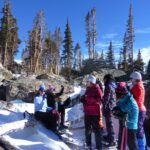
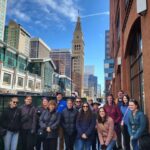
Gear, Traction, Poles, and Snacks: Stay Warm Without Overpacking
Good snowshoe gear is a game changer. This tour supplies the necessary gear, and it specifically mentions traction devices for boots or snowshoes, plus poles when needed. That alone can save you from either buying equipment you’ll only use once or wearing the wrong setup and feeling miserable.
Here’s what I’d plan for, based on what the tour includes and what you’re told you’ll receive by email:
- Dress in layers so you can vent as you warm up
- Bring warm gloves or mittens you can grip with
- Wear warm, winter-appropriate socks (not thin summer ones)
- Pack a hat that covers your ears
- Have water and snacks in mind, even though light snacks are included
- If you’re sensitive to cold, consider hand warmers
Light snacks are included, and the tour notes you can bring extra if you prefer. I’d do that—especially if you know you burn energy quickly. It’s not about eating a feast. It’s about keeping your energy steady so you don’t hit a wall during the later part of the hike.
Also, remember this day is about movement. You’ll want clothing that can handle sweat without turning into chills ten minutes later. Winter comfort is mostly about managing moisture and temperature.
Who Should Book This: Fit Beginners, First-Timers, and Seasoned Hikers
This tour sits in a sweet spot for a lot of people:
- If you want to snowshoe for the first time but don’t want to figure it out alone, this fits well
- If you’re reasonably fit and enjoy outdoor days, the 4.7-mile distance is manageable
- If you love combining exercise with stories and local context, the guide-led history and folklore can make the day feel meaningful
It’s also a nice choice if you’re not chasing a hardcore grind. The route is described as moderately challenging, with the average grade kept low and the elevation gain modest. You still get that “I did something real today” feeling, but you’re not signing up for a suffer-fest.
A couple considerations:
- You’ll be outside in winter. If cold is your enemy, dress smart and take it seriously.
- There’s a short steeper section up to 11%. If you have knee issues or hate steep footing, you can still likely go slow, but it helps to know it exists.
- The tour requires good weather, so you should plan flexibility and be ready for rebooking if conditions turn.
Should You Book This Snowshoe Through History Tour?
If you’re choosing between a simple snowshoe rental day and a guided winter experience, I’d lean guided—especially for your first trip. You’re paying for more than walking in snow: you’re paying for instruction, gear, pickup, and a guide who brings the area’s stories into the hike. That’s the value.
I’d book this if:
- you want gear handled and don’t want to fuss
- you like learning while you move
- you want a day that feels active but not punishing
I’d skip or rethink if:
- you’re looking for a long, technical snowshoe endurance challenge
- steep terrain or cold weather will make you miserable
- you dislike early starts or you can’t be flexible with weather
If you want a Colorado winter day that’s practical, scenic, and taught by real guides (Wendy and Alex are named in the experience feedback), this is a strong choice.
FAQ
How long is the snowshoeing portion?
The hike is about 3–4 hours of snowshoeing, within an overall trip length of approximately 6 hours.
What distance and elevation change is involved?
You travel 4.7 miles total, with a net up and down elevation gain of 365 feet.
Is this tour beginner-friendly?
Yes. It’s described as good for beginner level and suitable for fit beginners, with instruction on how to snowshoe properly.
How steep is the route?
The average grade is about 3%, with a maximum grade of 11% in steeper sections.
What is the highest elevation reached?
The highest point reached is about 8,764 feet.
Does the tour include gear and snowshoe equipment?
Yes. All necessary gear is provided, and traction devices for boots or snowshoes and poles can be provided if needed.
Are snacks included?
Light snacks are included. You can also bring extra if you prefer.
Do you get picked up from Denver and nearby cities?
Transportation is included from Downtown Denver, Golden, and Boulder locations.
Where do we meet and when does the tour start?
The tour starts at 8:00 am at Ultreia, 1701 Wynkoop St #125, Denver, CO 80202, and ends back at the meeting point.
What if weather is bad?
This experience requires good weather. If it’s canceled due to poor weather, you’ll be offered a different date or a full refund.