REVIEW · NEW YORK CITY
Soul of Harlem: Striver’s Row, Apollo Theatre & Gospel Heritage
Book on Viator →Operated by New York City By Foot · Bookable on Viator
Harlem hits different when you walk it with locals. This tour strings together the Schomburg Center, the Apollo Theater, and street-level landmarks tied to real people and big moments.
What I like most is the guide power: you’ll be led by Harlem residents who clearly know how to explain the neighborhood without turning it into a textbook. I also like that most stops are free to enter, so your $39 mostly buys expert storytelling plus the structure to see key places in just about 2 hours.
One thing to consider: the experience is timed and weather-dependent. If it’s cold out, you may spend a bit more time listening than wandering, and meeting points can be confusing—so confirm where to meet so you’re not racing the group.
In This Review
- Key highlights I’d plan around
- Why this 2-hour Harlem walk is more than a checklist
- Schomburg Center: Starting with the archives, not assumptions
- Abyssinian Baptist Church: Faith, longevity, and Harlem roots
- Strivers’ Row: Courtyards, alleys, and the people who built careers
- Bill’s Place and Swing Street: Jazz history you can hear
- Apollo Theater: A shortcut to legendary stage energy
- Sunday gospel experience: the difference between seeing Harlem and feeling it
- Price, group size, and what you’re really paying for
- How to get the most out of the walk
- Who should book this (and who might want a different plan)
- Should you book Soul of Harlem: Strivers’ Row, Apollo Theatre & Gospel Heritage?
- FAQ
- How long is the Soul of Harlem tour?
- How much does the tour cost?
- What language is the tour offered in?
- How many stops are included, and which major sites do you visit?
- Is admission included for the listed stops?
- Is the gospel experience available on all days?
- What group size should I expect?
- Do I need a print ticket?
- Are service animals allowed?
- FAQ (continued)
- Can I cancel for a full refund?
- Will I receive confirmation after booking?
Key highlights I’d plan around
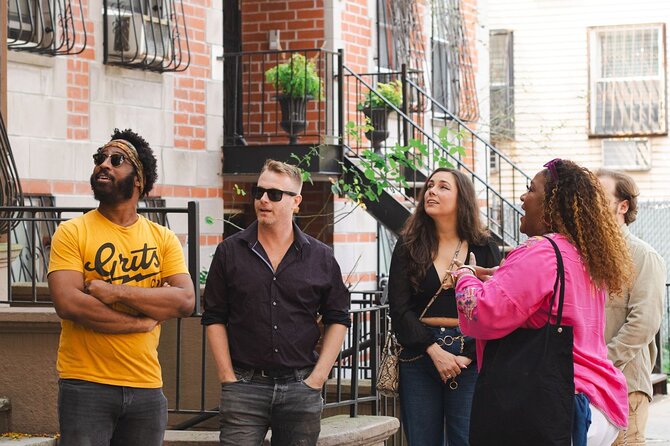
- Local, named guides like Ron, Lady Altovise, and Meredith who make the stories feel personal
- Schomburg Center to set context first, then move right into the streets
- Abyssinian Baptist Church with 220+ years in New York and rooted in Harlem since 1902
- Strivers’ Row row houses, courtyards, and alleys built in the 1890s
- Apollo Theater stops at one of the most famous stages in American music history
- Sunday gospel access at a local church (skip-the-line)
Why this 2-hour Harlem walk is more than a checklist
If you only have a short window in New York, this is the kind of tour that helps you get your bearings fast. In about 2 hours, you’ll move through a chain of places that connect culture, politics, and performance—without you having to research each stop on your phone for days.
The best part is the pacing. You’re not just looking at buildings; you’re learning why those buildings mattered. The tour format also keeps group size intimate, capped at 18 travelers, which makes questions easier and the walk feel human, not like a school field trip.
It’s also priced in a way that makes sense for a city like this. $39 gets you a guided walk with major landmarks, plus (on Sundays only) access to a gospel experience at a local church. If you’ve ever paid for a long tour and realized you only got one or two good stops, this is built to hit multiple anchors quickly.
You can also read our reviews of more historical tours in New York City



Schomburg Center: Starting with the archives, not assumptions
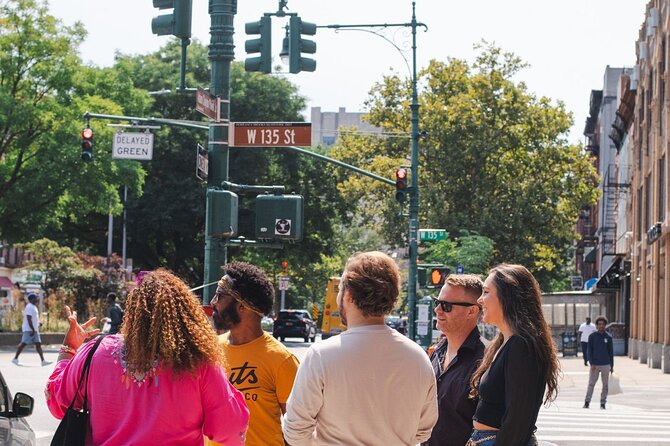
You begin at one of New York Public Library’s most important research spaces for Black culture: the Schomburg Center for Research in Black Culture. Even if you’re not a “museum person,” the value here is clarity. Before you step onto the blocks, you get a sense of the Harlem Renaissance, civil rights, and later movements that shaped how Harlem has been understood and documented.
The center also hosts periodic exhibitions, so the details you see can vary. Either way, the stop is designed as a quick, grounding start—about 20 minutes, with free admission.
Practical note: if you’re someone who likes to read slowly, you might want to plan for a little less wandering inside and a little more absorbing what the guide points out. The tour is structured, so you won’t have unlimited time to browse every corner.
Abyssinian Baptist Church: Faith, longevity, and Harlem roots
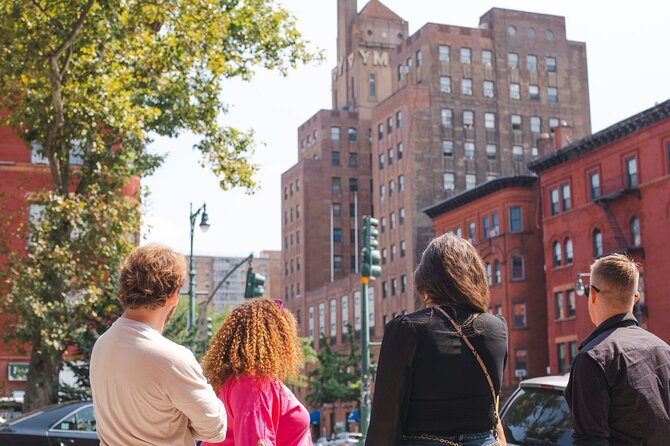
Next up is Abyssinian Baptist Church, established over 220 years and in Harlem since 1902. This isn’t presented as a quick photo stop. It’s the kind of place where the age of the congregation matters, because the church has been a community anchor through generations of change.
The stop runs about 30 minutes, and admission is free. That timing gives you room to slow down, listen, and understand why institutions like this carried more than spiritual life—they often carried education, support, and leadership during tough periods.
If you visit on a Sunday, the church element becomes even more meaningful later in the day as you connect the walking tour stories to what you’ll experience in the worship setting.
Strivers’ Row: Courtyards, alleys, and the people who built careers
When the tour turns to Strivers’ Row, you get the street-level charm that makes Harlem feel like a living story. This historic district features beautiful row houses with alleyways and rear shared areas, plus courtyards that date to the 1890s.
This stop is around 20 minutes, and it’s free to visit. The real value is the way the guide ties the architecture to the people who lived, worked, or rose to fame there. You’ll hear about figures associated with the neighborhood, including tap dancer and actor Bill Bojangles Robinson, heavyweight boxer Harry Black Panther Willis, Congressman Adam Clayton Powell Jr., and William Marion Cook, noted as a first Black Broadway musical composer.
What I like here: you can look at a block and see beauty, but you also learn to notice who had access to opportunity, who pushed back, and how fame and politics overlapped on these streets.
Consideration: Strivers’ Row is best enjoyed when you’re ready to walk and listen at the same time. If you prefer silence and self-paced sightseeing, you may wish you had extra time afterward to stroll again on your own.
Bill’s Place and Swing Street: Jazz history you can hear
The tour includes Bill’s Place, tied to Harlem’s original Swing Street. The highlight here is that you’re not just talking about music—you’re set up to experience it, with Harlem jazz icon Bill Saxton performing with singers in the American jazz and swing tradition.
This stop is about 20 minutes and is listed as free. In practice, that means you get a focused taste rather than a full concert. But that also makes it a smart fit into a tight 2-hour schedule: you leave with an audible memory of the neighborhood, not just notes in your head.
If you’re a music fan, this is one of the most rewarding moments of the tour because it breaks the pattern of “look, read, move on.” You get sound, energy, and atmosphere.
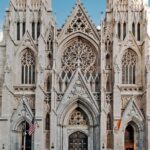


Apollo Theater: A shortcut to legendary stage energy

Then you reach the big-name landmark: the Apollo Theater. The tour frames it as a stage where careers take off and legends are made, and it also mentions the Apollo’s long run of influence, plus high-profile performers associated with the venue across the years.
This stop takes about 30 minutes and is also free at the landmark level. Even if you’ve walked past the Apollo before, having it explained as part of Harlem’s cultural engine changes how you see the building. You start thinking in terms of pathways—how talent moved through the city, how audiences shaped success, and why the Apollo became a kind of cultural checkpoint.
One practical point: the tour is time-boxed, so don’t expect a full backstage-style experience. Do expect context, plus the kind of story that makes the outside feel like it has a soundtrack.
Sunday gospel experience: the difference between seeing Harlem and feeling it
On Sundays only, the tour adds a gospel component with skip-the-line access to a local church. This is a key reason to book the Sunday option if your schedule allows it.
You should think of gospel day as a switch from history walking to lived culture. The stories you hear at the earlier stops connect more directly to the emotions of singing, the rhythm of call-and-response, and the way community energy fills space.
From a practical standpoint, the tour still moves as a walk, but the gospel add-on likely changes your pacing and what you’ll remember. Wear comfortable shoes for the earlier walking parts, and if you’re going from outdoors into a church setting, bring a light layer if you get cold easily.
Price, group size, and what you’re really paying for
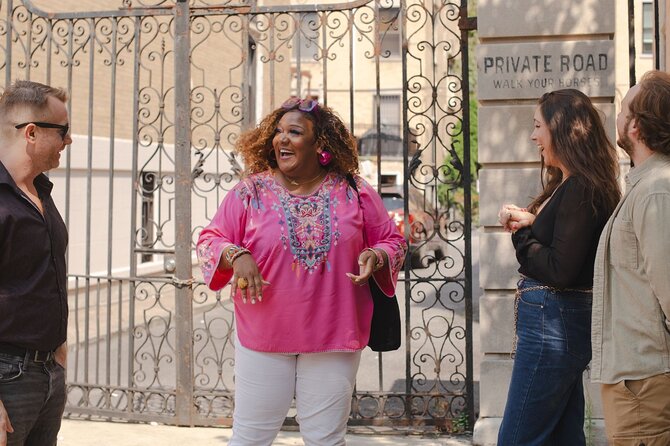
At $39 per person for about 2 hours, you’re not paying for entry fees at each stop—you’re paying for guidance, timing, and the ability to connect the dots fast.
Here’s what that value usually means in real life:
- You save time figuring out what’s worth your attention.
- You avoid “random landmark sightseeing” and instead get a coherent storyline.
- You get named, local-style interpretation—often the difference between noticing a building and understanding why it matters.
With a maximum group size of 18 travelers, you’re more likely to get real interaction instead of just hearing a running commentary from the back of the pack.
It’s also offered in English and uses a mobile ticket, which is a small thing that can save you stress on a busy NYC day.
How to get the most out of the walk
This is Harlem on foot, so your biggest success factor is simple: show up ready to walk and listen.
A few tips I’d follow:
- Start with comfortable shoes. The experience lives on the sidewalk.
- Dress for weather. Some tour moments are indoors or under cover, but much of it is walking.
- If you book near a day you’ll be late, double-check the meeting details. One guest experience described Apollo meeting info being off, and the fix came from contacting the guide quickly.
- Bring curiosity, not just questions. The best moments tend to come from the guide’s story-to-street connections.
Who should book this (and who might want a different plan)
I’d recommend this tour if you want:
- Major Harlem landmarks without a half-day commitment
- A guide-led storyline that connects culture, politics, and music
- A Sunday option that turns the day into a gospel experience
You might prefer a different approach if you:
- Want total self-paced freedom and minimal listening
- Expect a lot of time inside museums or a long, slow exploration of each site
Still, even if you’re picky, the variety here is the point. You don’t just cover the famous stage; you also cover the institutions and neighborhoods that fed the fame.
Should you book Soul of Harlem: Strivers’ Row, Apollo Theatre & Gospel Heritage?
If you’re choosing between a quick Harlem overview and a more structured experience, this is the one I’d lean toward. It’s compact, guided by local-style storytellers (including guides such as Ron, Lady Altovise, and Meredith), and it hits the kind of places that make Harlem make sense fast.
The decision comes down to your schedule and your patience for weather. If your day is flexible enough for a Sunday, the gospel skip-the-line add-on is a strong reason to book then. If you’re going on a weekday, you’ll still get a thoughtful blend of Schomburg Center, Abyssinian Baptist Church, Strivers’ Row, Bill’s Place, and the Apollo Theater in one smooth sequence.
My call: book it if you want a guided Harlem day that actually connects dots, not just photos.
FAQ
How long is the Soul of Harlem tour?
It’s about 2 hours.
How much does the tour cost?
The price is $39.00 per person.
What language is the tour offered in?
The tour is offered in English.
How many stops are included, and which major sites do you visit?
The tour includes stops at the Schomburg Center for Research in Black Culture, Abyssinian Baptist Church, Strivers’ Row, Bill’s Place, and the Apollo Theater.
Is admission included for the listed stops?
Admission is listed as free for each of the stops in the tour.
Is the gospel experience available on all days?
No. The gospel experience is available on Sundays only, with skip-the-line access to a local church.
What group size should I expect?
The tour has a maximum of 18 travelers.
Do I need a print ticket?
No. The tour uses a mobile ticket.
Are service animals allowed?
Yes, service animals are allowed.
FAQ (continued)
Can I cancel for a full refund?
Yes. Free cancellation is available up to 24 hours in advance for a full refund. If you cancel less than 24 hours before the start time, the amount paid is not refunded.
Will I receive confirmation after booking?
Yes. Confirmation will be received at the time of booking.