REVIEW · ST PETERSBURG FLORIDA
St. Petersburg: Jungle Prada Site History Tour
Book on GetYourGuide →Operated by Discover Florida Tours · Bookable on GetYourGuide
Florida keeps secrets under your feet. The Jungle Prada Site lets you connect an American Indian mound, Tocobaga village life, and the 1528 Narváez Expedition in one focused, low-key tour.
What I really liked is how the guide doesn’t treat it like a worksheet. David brings the story to life with local plants and animals alongside the archaeology, and you also get access to a small museum on-site. One thing to plan for: transportation isn’t included, so you’ll want to handle getting there yourself using the free nearby parking.
In This Review
- Key things that make this tour worth your time
- A short, smart way to see St. Petersburg’s real footnotes
- Finding the entrance: yellow arrows, orange cones, and a 30-minute head start
- What happens on the tour: a private walk with museum context
- Stop 1: The mound and what a preserved site can teach
- Stop 2: Pinellas County connections and the gulf beach setting
- Stop 3: The museum artifacts, explained right after the walk
- Tocobaga life, then the Narváez landing: how the story changes gears
- Tocobaga for 600 years
- 1528: Pánfilo de Narváez and what the site is often recognized for
- Alvar Núñez Cabeza de Vaca: the eight-year trek
- The garden part: why peacocks don’t feel random here
- Price and value: what $18 covers for 75–90 minutes
- Who should book this tour
- My quick decision: should you book?
- FAQ
- How long is the Jungle Prada Site History Tour?
- How much does the tour cost?
- Is the museum included with admission?
- What language is the tour offered in?
- Where do I meet the guide?
- What should I bring?
- Are pets allowed?
- Is transportation to the site included?
- Is the tour wheelchair accessible?
- Can I cancel for a refund?
Key things that make this tour worth your time
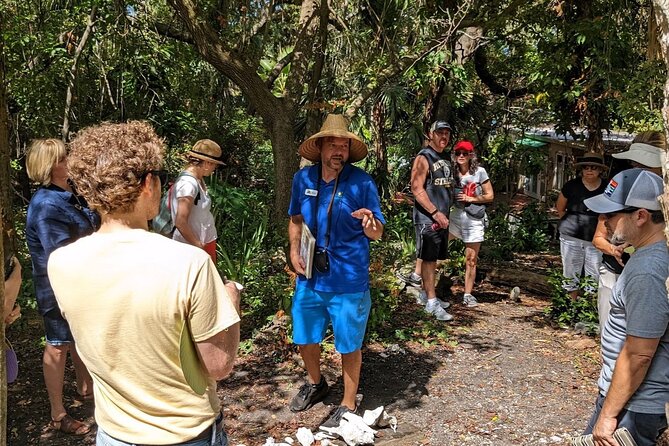
- A Tocobaga village site for 600 years: You’re seeing a place shaped by long-term human life, not a single snapshot.
- Narváez (1528) connection: The site is often recognized as the landing place tied to Pánfilo de Narváez.
- Historian-led tour with extra local texture: David’s explanations include the plants and animals you can see right there.
- Family-owned seaside garden setting: Expect a peaceful garden space, plus wild peacocks.
- One small museum, right on-site: You get archaeological artifacts that help you ground the walk in something tangible.
- A limited group experience: Advance registration is required, and group size is limited for a more personal pace.
A short, smart way to see St. Petersburg’s real footnotes
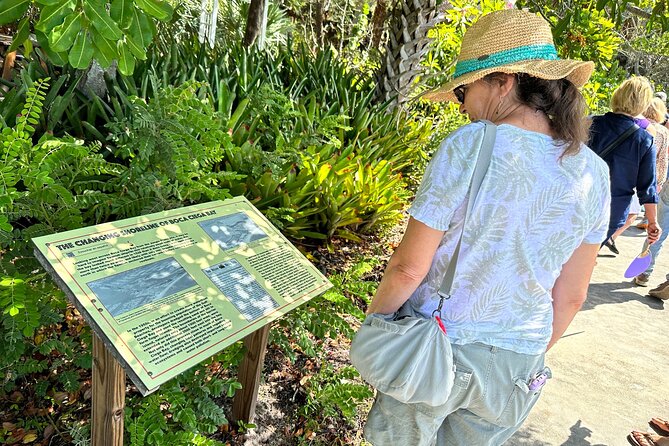
Most St. Pete history tours send you hunting for the big headline. This one does something different. You start with a mound that’s one of the best-preserved American Indian mounds in Florida, then you layer in what people were doing here over centuries—plus the later, dramatic European arrival tied to 1528.
I like tours that are short and specific, and this fits. You’re not trapped for hours. It’s a 75 to 90 minute experience on the private portion of the site, led live in English by a historian. The pacing makes it easy to absorb the meaning without feeling like you’re being graded.
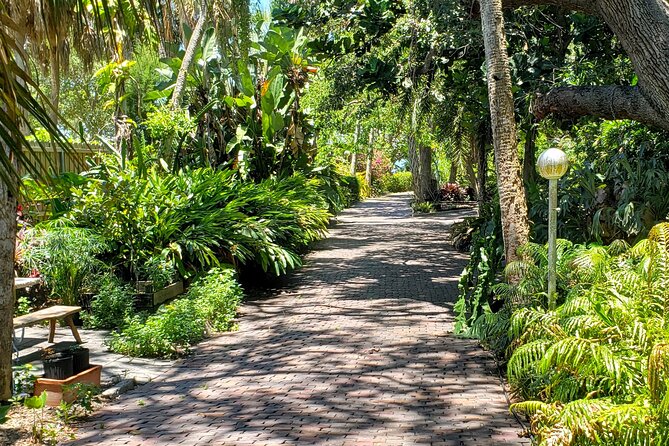
Also, the setting helps. St. Petersburg’s gulf-side atmosphere is part of the package, and the tour includes a family-owned seaside garden where wild peacocks roam. It sounds whimsical, but it matters: it reminds you this is a living place, not a museum object behind rope.
Finding the entrance: yellow arrows, orange cones, and a 30-minute head start
Logistics are simple, but you should show up with a little buffer. Look for yellow arrows pointing toward the entrance gate. The gate opens 30 minutes before each tour start time, and there are orange cones in front.
That early open time is handy for two reasons. First, it gives you time to get oriented without feeling rushed. Second, you can settle your shoes and water bottle before the guide starts talking. This is a walking-focused tour, so comfortable shoes are a must.
Admission includes a water bottle filling station on-site, which is a small detail that saves you from buying drinks at a markup. If you’re planning a day around the gulf beaches, you’ll appreciate not having to guess where the closest refill stop is.
What happens on the tour: a private walk with museum context
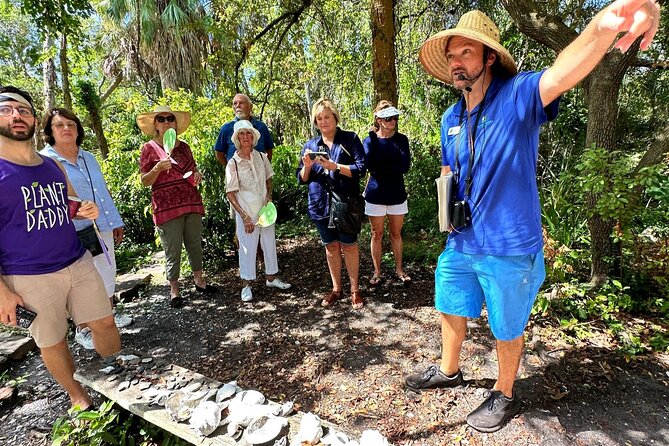
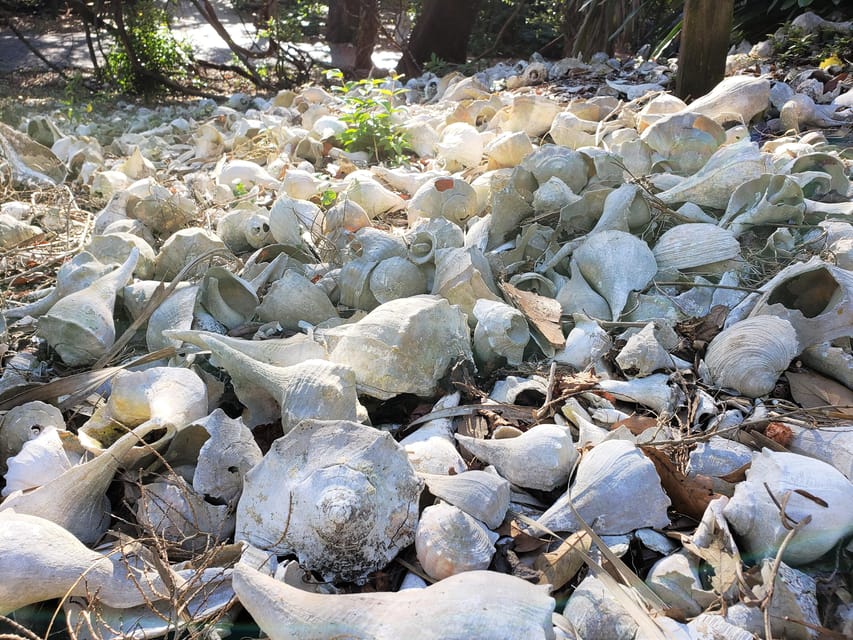
This is not a drive-by viewpoint tour. You explore the private portion of the Jungle Prada Site with a historian-led guide, and the tour includes access to the small museum with artifacts found on-site.
Here’s the practical shape of the experience:
Stop 1: The mound and what a preserved site can teach
You’ll spend time on and around the American Indian mound—one of the best-preserved in Florida. That preservation matters because it lets the guide connect features on the ground to how communities lived, worked, and built over time.
Tocobaga village life is the core thread. The site was part of a Tocobaga Indian village for 600 years. That’s long enough for patterns to form: where people gathered, how space was used, and how the land itself shaped daily life. When you’re standing near something that’s lasted that long, history stops being abstract.
A common mistake on tours like this is trying to memorize facts. I’d instead focus on the bigger takeaway: the mound is a physical record. The guide’s job is to translate what you’re seeing into human decisions—where people built, how the community organized space, and why a place like this stayed important.
Stop 2: Pinellas County connections and the gulf beach setting
The tour also pulls in the hidden history of Pinellas County and the nearby gulf beaches. That helps the site feel tied to the place you’re actually standing in today. You’ll come away with a better sense of how local geography influenced both Indigenous life and later encounters.
This part is useful even if you already know the basics of Florida history. It turns the area into a map in your head, not just a drive-through on the way to the next beach.
Stop 3: The museum artifacts, explained right after the walk
Admission includes the small museum with archaeological artifacts found on-site. I like this sequence: you see the mound first, then you get physical items you can look at and anchor the story to.
Even if you only spend a short time in the museum, it adds a layer of credibility. You’re not relying only on talk. You’re also seeing objects that came from the ground where you just walked.
Tocobaga life, then the Narváez landing: how the story changes gears
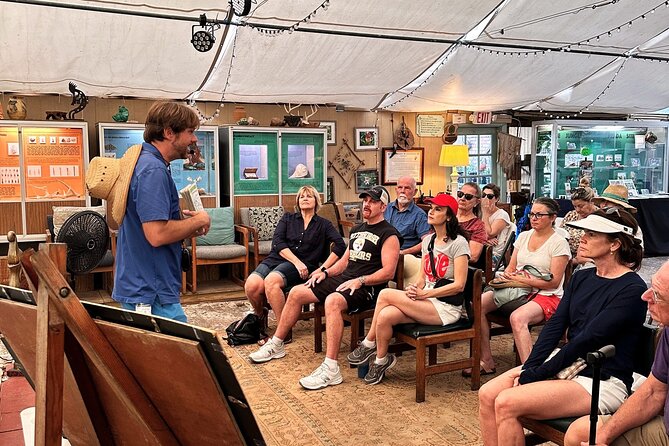
One reason this tour gets high marks is that the guide can switch between eras without losing you. The Tocobaga story is long and rooted. Then the Narváez connection arrives and everything gets tense and uncertain.
Tocobaga for 600 years
The Tocobaga Indian village connection is central to understanding the mound. The key point isn’t just that people lived here—it’s that the site reflects repetition, change, and continuity across generations.
When a guide talks about a place like this, I pay attention to whether they treat it as a living community. Here, the emphasis stays on what the site meant for real people over centuries.
1528: Pánfilo de Narváez and what the site is often recognized for
The tour also covers the idea that Jungle Prada is often recognized as the landing place of Pánfilo de Narváez in 1528. That’s a specific claim, and it’s the kind of thing you should remember as a thread during your walk.
It helps to understand why this connection matters. In European accounts, Florida’s coast becomes a stage for exploration and disaster. But the mound belongs to Indigenous history first. The guide helps you hold both stories at once, instead of treating the European episode as the only headline.
Alvar Núñez Cabeza de Vaca: the eight-year trek
You’ll hear about the survivors of the Narváez expedition and how Alvar Núñez Cabeza de Vaca led the group across North America over eight years, from Florida to the Pacific Ocean. The tour frames this as an ill-fated journey with only four survivors.
That detail is more than a dramatic footnote. It’s a reminder that the post-1528 story wasn’t a quick “got off the boat, did the thing, went home.” It turned into years of survival and movement through places that were already full of meaning to Indigenous communities.
The garden part: why peacocks don’t feel random here
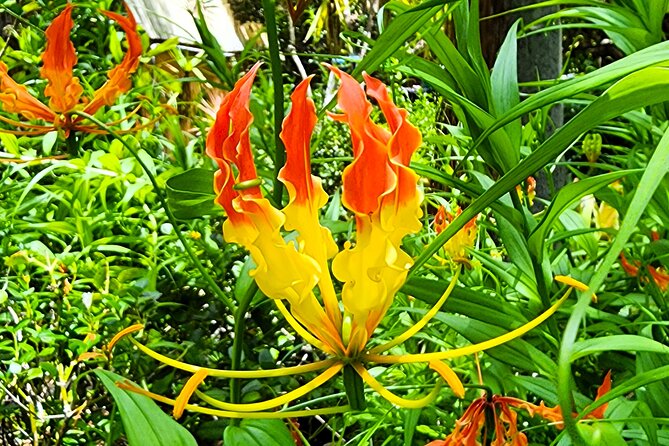
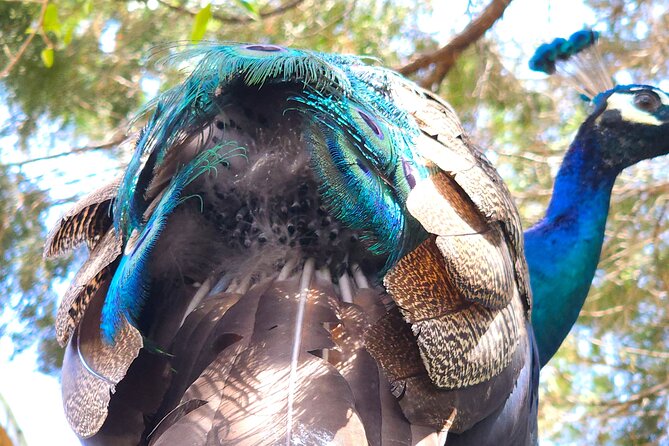
There’s a family-owned seaside garden connected to the site, and it’s also home to wild peacocks. On paper, that could sound like a side attraction. In practice, it fits because the guide often points out plants and animals as part of the experience.
I like tours where the guide links history to what you can actually see. When you notice the plants and animals as the story runs, you’re less likely to treat the past like it belongs to another planet.
Also, the peacocks aren’t there for showy photo-ops only. They contribute to the “you’re outdoors in Florida” reality. It’s a different feel than a museum hallway. You come away calmer, not just informed.
Price and value: what $18 covers for 75–90 minutes
At $18 per person, this is priced like a thoughtful local tour, not a major attraction fee. You’re paying for a historian-led guided walk, entrance to the small museum with on-site artifacts, and included practical extras like a water bottle filling station.
Two value points stand out for me:
- The tour time is focused. Ninety minutes is enough to make sense of the site without turning into an endurance test.
- You get multiple formats of learning. You walk the mound area, then you see artifacts inside the small museum, instead of only hearing stories.
The one financial catch is what’s not included: transportation to or from the site. There’s free parking at the neighboring city park, but you still need your own ride.
If you’re already driving around Pinellas County, the $18 feels like a good deal. If you’re relying on ride services and your plan is vague, factor in that extra cost and time.
Who should book this tour
This tour is a strong fit if you want:
- A short, historian-led experience with real archaeology on the ground
- A clear connection between Indigenous history and later events tied to 1528
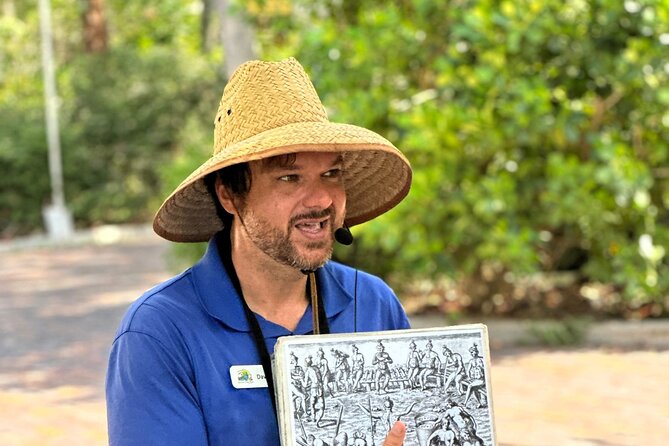
- A guide who pays attention to more than just dates—David’s explanations also include local plants and animals
- A setting that’s outdoors and pleasant, with the seaside garden and wild peacocks
It’s also wheelchair accessible, which is a major plus for anyone who needs mobility-friendly options.
My quick decision: should you book?
Yes, if you want a focused, meaningful St. Petersburg stop that goes beyond the usual postcards. The $18 price works well for what you get: the mound walkthrough, a small museum with artifacts, and a guide who can connect the story to the living place around you.
Skip it only if you don’t want to handle your own transportation. Since transportation isn’t included, you’ll need to plan getting to the free parking area and meeting the guide at the yellow-arrow entrance gate.
If you’re aiming for one great history outing plus gulf time the same day, this is an easy one to plug into your schedule.
FAQ
How long is the Jungle Prada Site History Tour?
The tour lasts about 75 to 90 minutes.
How much does the tour cost?
The price is $18 per person.
Is the museum included with admission?
Yes. Admission includes entry to a small museum featuring archaeological artifacts found on-site.
What language is the tour offered in?
The tour is offered in English.
Where do I meet the guide?
Look for yellow arrows that point toward the entrance gate. The gate opens 30 minutes before the start of each tour, and there are orange cones in front.
What should I bring?
Wear comfortable shoes. The experience also includes a water bottle filling station.
Are pets allowed?
No, pets are not allowed.
Is transportation to the site included?
No. Transportation to or from the site is not included.
Is the tour wheelchair accessible?
Yes, the tour is wheelchair accessible.
Can I cancel for a refund?
Yes. Free cancellation is available up to 24 hours in advance for a full refund.