REVIEW · NARA
Nara: UNESCO Heritage Sites & Deer Park Tour with Pro guide
Book on GetYourGuide →Operated by Trip with Goku · Bookable on GetYourGuide
Deer, lanterns, and a giant Buddha in three hours. This private Nara tour strings together the places that shape Japan’s religious life—Shinto at Kasuga Taisha, Buddhism at Todai-ji—plus the famous deer of Nara Park.
I like that it starts with the deer first, not last. The whole tone gets gentler as you feed the deer shika-senbei crackers, then shift into the quiet weight of shrine and temple.
One thing to consider: you’re on your feet for about 3 hours, and it’s not suitable for wheelchair users or people with back problems. Plan your pace, wear comfy shoes, and carry water.
In This Review
- Key things to know before you go
- Meeting at Himuro Shrine and getting your bearings in Nara Park
- Nara Park deer feeding: the sweet start with serious etiquette
- Kasuga Taisha Shrine: lanterns, Shinto meaning, and a walk through old forest
- Todai-ji Temple and the giant bronze Buddha in a massive wooden hall
- Why a small private group matters here (and why Goku is a big deal)
- Price and value: is $83 a fair deal for Nara’s big three?
- Timing, weather, and what to pack for three focused hours
- What this tour is best for (and who should skip it)
- Should you book this Nara UNESCO deer, shrine, and temple tour?
- FAQ
- How long is the Nara UNESCO Heritage Sites & Deer Park Tour?
- Where do we meet for the tour?
- What’s included in the $83 per person price?
- Are meals included?
- Is hotel pickup or drop-off included?
- Can I take photos during the tour?
- How big is the group and what languages are offered?
- Is this tour suitable for wheelchair users or people with back problems?
Key things to know before you go
- Deer Park starts the experience: you’ll feed the sacred deer right away at Nara Park
- Kasuga Taisha’s ancient forest: walk through centuries-old woods before you reach the lanterns
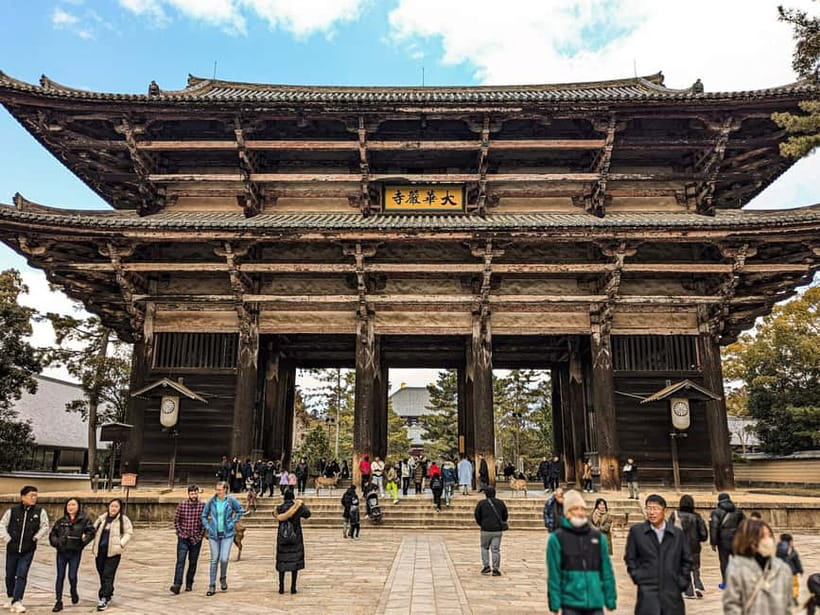
- Todai-ji’s giant bronze Buddha: see the world’s largest bronze Buddha statue in a huge wooden hall
- Small group (up to 10): easier questions and a calmer visit than big-group tours
- Goku-style hosting: expect strong queue-navigation and practical help beyond the basics
- No flash photography: bring a camera mindset that works without flash
Meeting at Himuro Shrine and getting your bearings in Nara Park
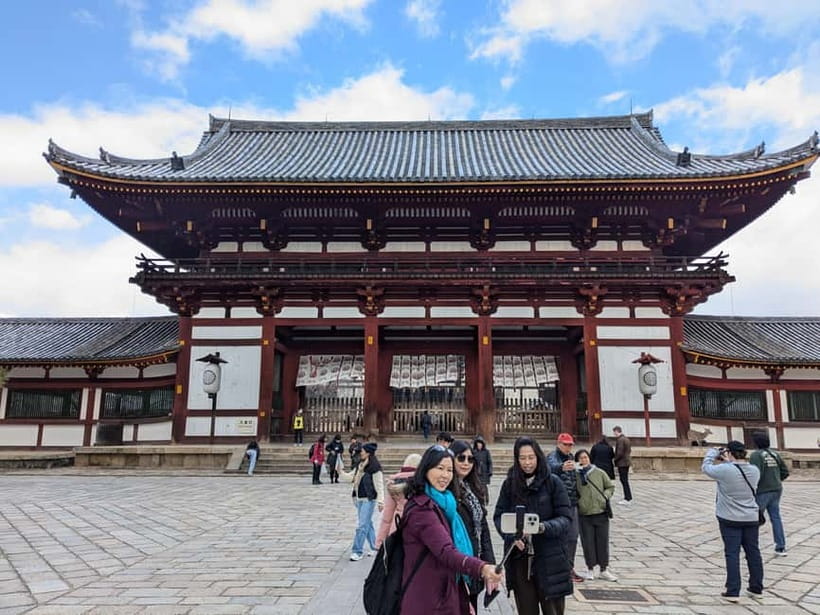
Most Nara tours dump you at the first landmark and wish you luck. This one starts at a clear meeting point: the red torii of Himuro Shrine. That matters more than it sounds—Nara’s attractions are close, but they’re not always obvious to link together when you’re tired, hot, or jet-lagged.
The tour runs for 3 hours, so the guide keeps the flow tight. You’re not looking at a long bus ride schedule or a half-day slog. Instead, it’s a focused walk-through of three UNESCO-connected highlights that would be easy to experience “separately,” but harder to understand as connected pieces of Japanese life.
Your first stop, Nara Park, is also a smart opener. Deer are a great icebreaker, and the park’s mix of nature and sacred space sets you up to notice details later at the shrine and temple.
You can also read our reviews of more tours and experiences in Nara.

Nara Park deer feeding: the sweet start with serious etiquette
You’ll meet the deer at Nara Park and learn how feeding fits the broader Shinto setting. The important part isn’t just that they’re cute (they are). It’s that the deer are treated as sacred, and that changes how you should act.
You’ll be given special crackers—shika-senbei—to feed them. Expect close-up moments: deer can approach quickly, and if you move like a startled tourist, it can get chaotic fast. The guide’s job is to keep things calm and safe, including telling you how to hold the crackers and when to step back.
A couple practical tips for your own sanity:
- Wear shoes you can pivot in. Deer feeding tends to involve short stops and quick sidesteps.
- Keep your camera ready, but remember the tour has rules about flash later. It’s easier if you already know you’ll be using natural light.
- Don’t treat it like a feed-the-friends scene. Follow the guide’s instructions like it’s part of the ceremony, because it is.
Kasuga Taisha Shrine: lanterns, Shinto meaning, and a walk through old forest
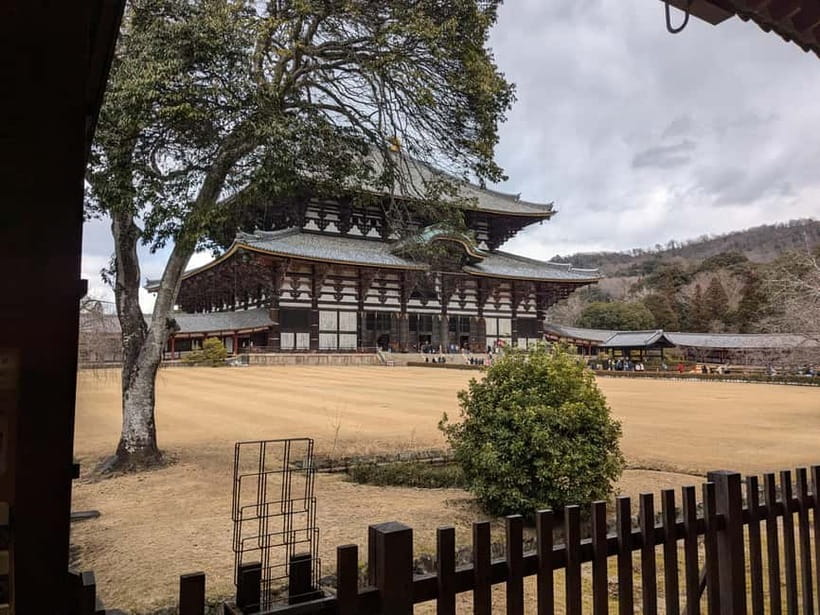
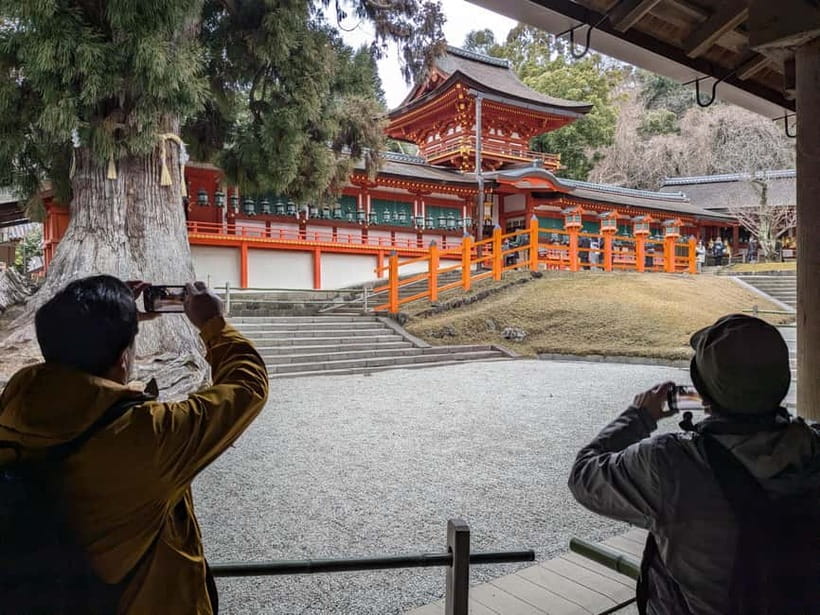
From the park’s open space, you move into a completely different mood at Kasuga Taisha. The shrine sits amid an ancient forest that has stayed remarkably preserved for centuries, and that setting changes how you experience the place.
Kasuga Taisha is known for its iconic lanterns, and here they’re more than decoration. Your guide helps you connect what you’re seeing to the shrine’s spiritual role—how Shinto practices, sacred objects, and community traditions show up in physical form.
What I like about this stop is the pacing. You’re not just photo-hunting through a crowded checkpoint. You’re walking under trees with time to notice how the forest and lanterns work together. The guide’s explanations keep it grounded: why the space feels protective, why lanterns matter, and how the shrine functions within Japanese religious culture.
If you’re the type who enjoys symbolism—colors, objects, layout—this part will click. If you’re more into architecture than meaning, you’ll still get something out of the way the forest frames the shrine approach.
Todai-ji Temple and the giant bronze Buddha in a massive wooden hall
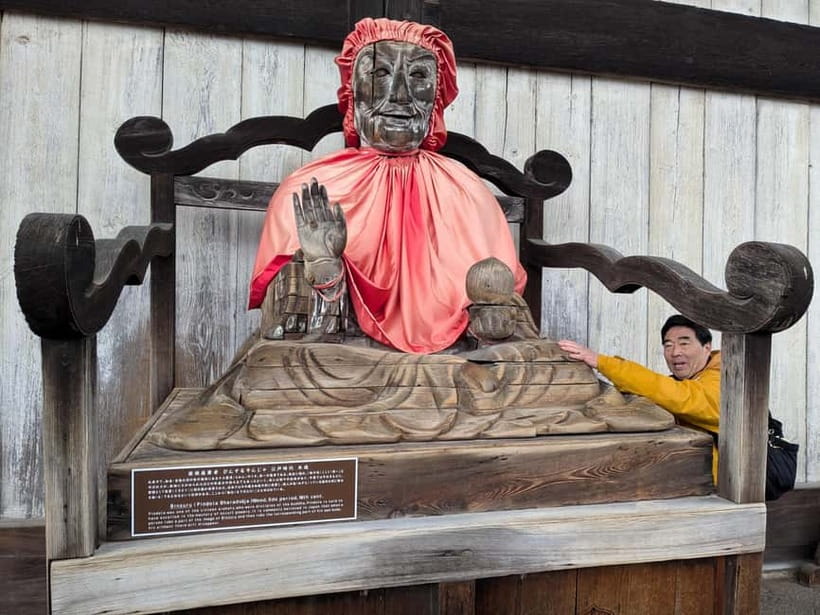
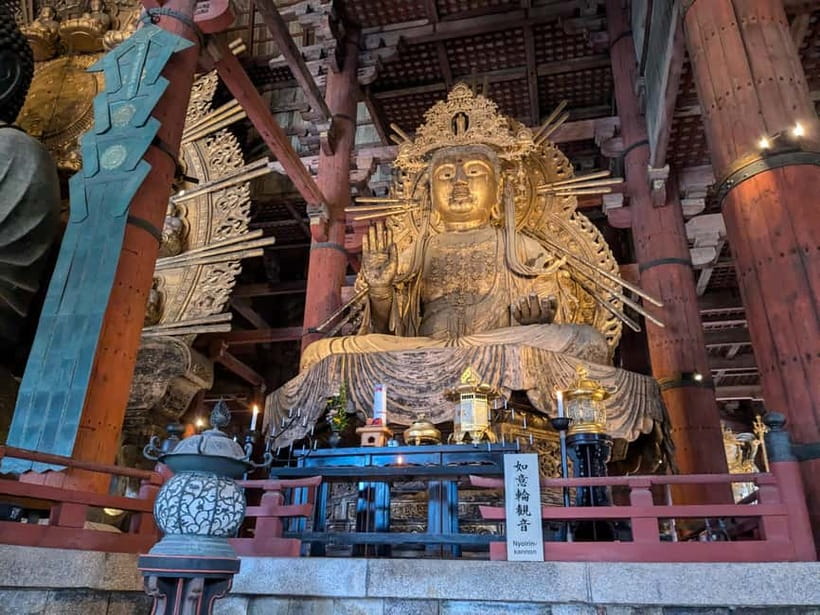
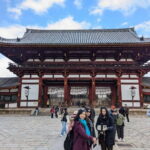
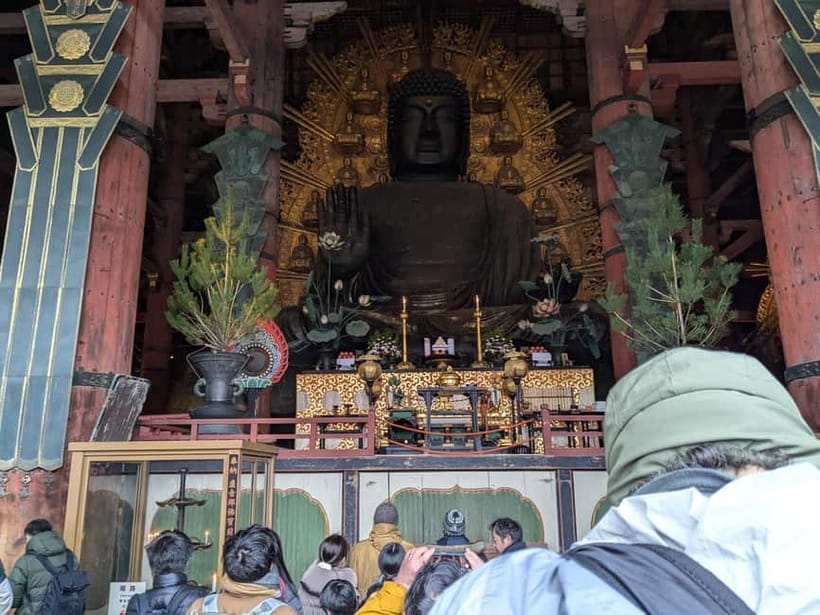
Todai-ji is the tour’s awe moment, and it earns it. You’ll see the world’s largest bronze Buddha statue housed in one of the world’s largest wooden buildings. Even if you’ve seen pictures, the scale lands differently in person.
The guide helps you read what you’re looking at—how the temple fits Buddhist history and why it matters in Japan. This is one of those spots where it’s easy to feel like you’re staring at a famous landmark without really knowing what to pay attention to. A good guide changes that by pointing out relationships: art choices, religious purpose, and why the temple became such a cornerstone.
Another value piece: queue management. The guide can help you avoid the long wait times at the temple. That’s a quiet luxury in Japan’s popular sites—less standing, more time seeing and learning.
Photography rule note: flash photography is not allowed. Plan for natural-light photos and consider taking a few steady shots rather than rapid-fire bursts.
Why a small private group matters here (and why Goku is a big deal)
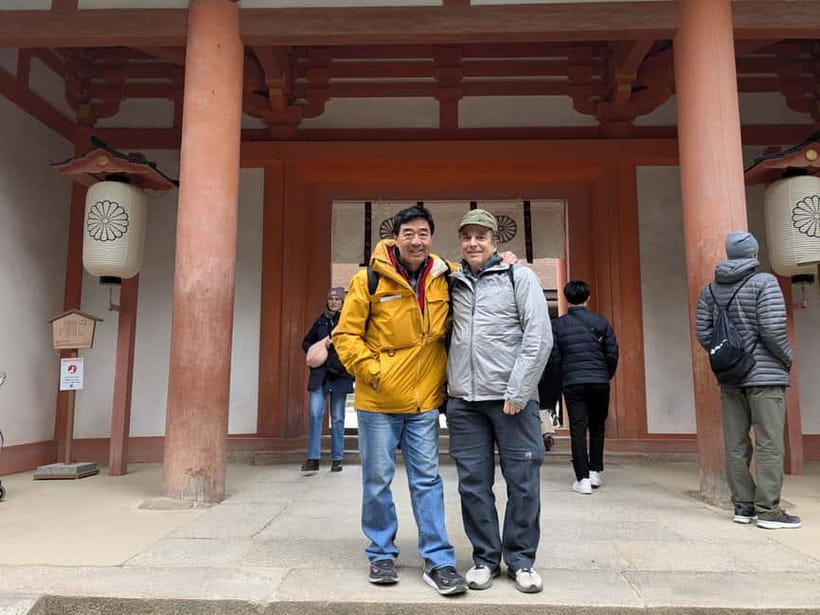
This is a small-group tour, limited to 10 participants. That’s not just about comfort. It changes the quality of the visit.
When you’re in a bigger group, questions become luck-based. Here, the guide can actually adjust to what you want to know—whether that’s religious meaning, how the deer fit into the Shinto worldview, or how Japan’s past shaped the art you see today.
The guide name that comes up often is Goku. What stands out from his style is how practical it feels, not just academic. People highlight that he can:
- Explain history and meaning in a way you can follow
- Help you move through parks and sites with less friction
- Make sure you find your next destination smoothly
- Even support food plans afterward (including helping with ramen ordering and dietary needs)
That kind of extra care matters when your time is limited in Nara. You don’t just get dropped at landmarks. You get someone who helps your day run like a plan instead of a scramble.
You can also read our reviews of more historical tours in Nara
Price and value: is $83 a fair deal for Nara’s big three?
At about $83 per person for a 3-hour private local tour, the value comes from what’s included and what’s not.
Included:
- A private local guide
- Entrance fees to all sites
- Shika-senbei crackers for feeding the deer
Not included:
- Hotel pickup and drop-off
- Meals
So the real question is: does paying simplify your day? Yes—because your guide is doing three jobs at once: interpretation, navigation, and time-saving queue help. If you’re trying to DIY Nara with the deer, shrine, and temple all in one tight window, you’ll likely spend time figuring out routes and coping with crowds.
Meanwhile, you keep control of food. Since meals aren’t included, you’re free to grab something simple nearby—ramen, snacks, whatever fits your schedule. And if you want guidance, the experience’s guide has shown up with practical food help in past days.
My rule of thumb: if you want the meaning behind the big sights, and you want to spend your energy looking instead of organizing, this price makes sense.
Timing, weather, and what to pack for three focused hours
Three hours can feel short until you’re walking between shaded forest paths, open park areas, and temple grounds. Come prepared.
Bring:
- Comfortable shoes
- Camera
- Sunscreen
- Water
Weather planning matters because you’re outdoors for at least part of the experience. If it’s hot, you’ll want water and sunscreen early, not after you’re cranky. If it’s rainy, you’ll still be moving through the forested shrine area, so expect damp surfaces.
Also note the rule about flash photography. Your camera is fine—just don’t use flash inside the sites.
What this tour is best for (and who should skip it)
This tour is a strong fit if you want:
- A guided explanation of Shinto and Buddhism at the places where they’re practiced and represented
- A smooth, time-efficient route through Nara’s most famous heritage sites
- A calmer vibe than you’d get with huge tour groups
- A memorable start with deer feeding that still follows respectful etiquette
It may not be the right fit if you:
- Have back problems (the walking can be tough)
- Use a wheelchair (it’s not suitable for wheelchair users)
- Hate being outside in any kind of weather
If you’re healthy and comfortable walking at a moderate pace, this tour hits a sweet spot: big-name sites without a whole day commitment.
Should you book this Nara UNESCO deer, shrine, and temple tour?
I’d book it if your Nara day is about understanding more than checking boxes. The mix here is smart: deer feeding in a sacred park, the lantern-and-forest atmosphere of Kasuga Taisha, then the sheer scale of Todai-ji’s bronze Buddha.
I’d skip it or choose a different plan if you want a completely free-roaming schedule or you’re sensitive to walking time. And if you’re the type who prefers total DIY control, remember that paying for a guide isn’t just about facts—it’s also about time saved and smoother movement through popular spaces.
If you want Nara’s spiritual sights explained in a practical way, with a guide who helps your day run well, this 3-hour private tour is a solid choice.
FAQ
How long is the Nara UNESCO Heritage Sites & Deer Park Tour?
The tour lasts 3 hours.
Where do we meet for the tour?
The meeting point is the red torii of Himuro Shrine.
What’s included in the $83 per person price?
You get a private local guide, entrance fees to all sites, and shika-senbei crackers for feeding the deer.
Are meals included?
No, meals are not included.
Is hotel pickup or drop-off included?
No, hotel pickup and drop-off are not included.
Can I take photos during the tour?
Flash photography is not allowed.
How big is the group and what languages are offered?
The group is limited to 10 participants. The live guide can be in Japanese, English, Russian, Spanish, French, or Portuguese.
Is this tour suitable for wheelchair users or people with back problems?
It is not suitable for wheelchair users or people with back problems.