REVIEW · ZANZIBAR CITY
Zanzibar: Stone Town Heritage & Slave Market Tour
Book on GetYourGuide →Operated by Tropianza Adventures Ltd · Bookable on GetYourGuide
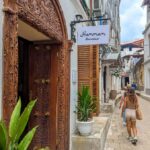
History lives in Stone Town’s alleys. On this $19 heritage walk, I love the way the route starts at Forodhani Gardens and then connects each stop to real stories, not just sightseeing. I also like that you get a Former Slave Market visit with guided context and an Anglican Cathedral stop included, which helps the heavy history land in a meaningful way. One consideration: it is a walking tour and it is not suitable for mobility impairments.
You’ll get a licensed local guide, hotel pick-up and drop-off in Stone Town, bottled water, and a route that mixes big landmarks with everyday street life. Expect photo stops, market time, and a few moments of quiet reflection—plus some optional add-ons if you want to go deeper.
In This Review
- Key highlights worth your attention
- Starting at Forodhani Gardens: where the tour sets the mood
- House of Wonders and Old Fort: Stone Town’s layered identity
- Freddie Mercury childhood home photo stop: music meets place
- Tanzanite Museum, St Joseph’s Cathedral, and Jaws Corner
- Darajani Market and Memories of Zanzibar: shop smart and eat local
- Former Slave Market and Anglican Cathedral: history handled with context
- Price and what $19 buys you in real-world value
- Practical tips for comfortable Stone Town walking
- Who should book this tour in Zanzibar?
- Should you book this Stone Town heritage tour?
- FAQ
- Where is the meeting point for the Stone Town tour?
- How do I get to and from the tour?
- What is included in the $19 per person price?
- Is the Freddie Mercury Museum included?
- Does the tour include the Former Slave Market and Anglican Cathedral?
- What should I bring for the tour?
- Which languages is the tour available in?
- Is the tour suitable for people with mobility impairments?
Key highlights worth your attention
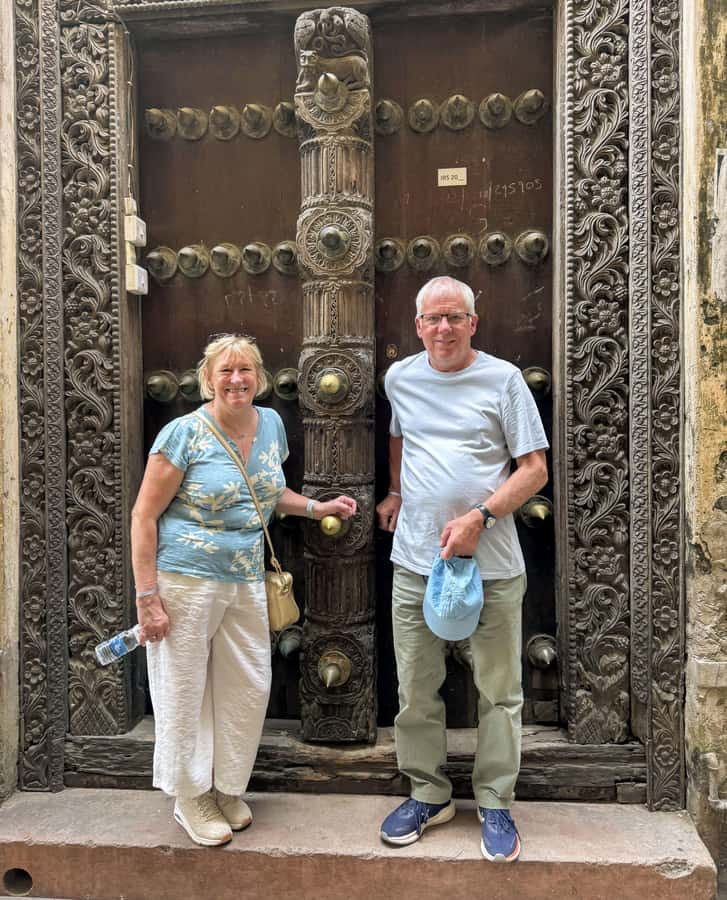
- Forodhani Gardens meet-up right across from the House of Wonders keeps things easy to find
- House of Wonders and Old Fort tie together Stone Town’s Swahili, Arab, Indian, and European influences
- Freddie Mercury childhood home photo stop gives you a personal anchor to Zanzibar pop-culture legacy
- Darajani Market and Memories of Zanzibar mix spice-and-produce energy with practical shopping time
- Former Slave Market plus Anglican Cathedral adds guided context where it matters most
- Optional Freddie Mercury Museum ($8) if you want more than a photo stop
Starting at Forodhani Gardens: where the tour sets the mood

Stone Town can feel like a maze at first. This tour’s smart start helps you get your bearings fast: you meet at the bandstand in the center of Forodhani Gardens, directly opposite the House of Wonders and next to Old Fort. It’s a practical location, and the sea breeze usually makes the first few minutes feel lighter, even when the day turns serious later.
From there, your guide sets the tone with local context while you begin threading your way into the old streets. You’ll notice how the tour balances three things at once: architecture, personal stories, and daily life. That combination is part of why this works well as an orientation walk—you’re not just collecting photos, you’re learning how to read the city.
This is also where comfort matters. You’ll be on foot, and Stone Town weather can change quickly. Bring comfortable shoes, sunscreen, and a hat so you can stay focused on the stories instead of thinking about your feet or the sun.
You can also read our reviews of more historical tours in Zanzibar City
House of Wonders and Old Fort: Stone Town’s layered identity
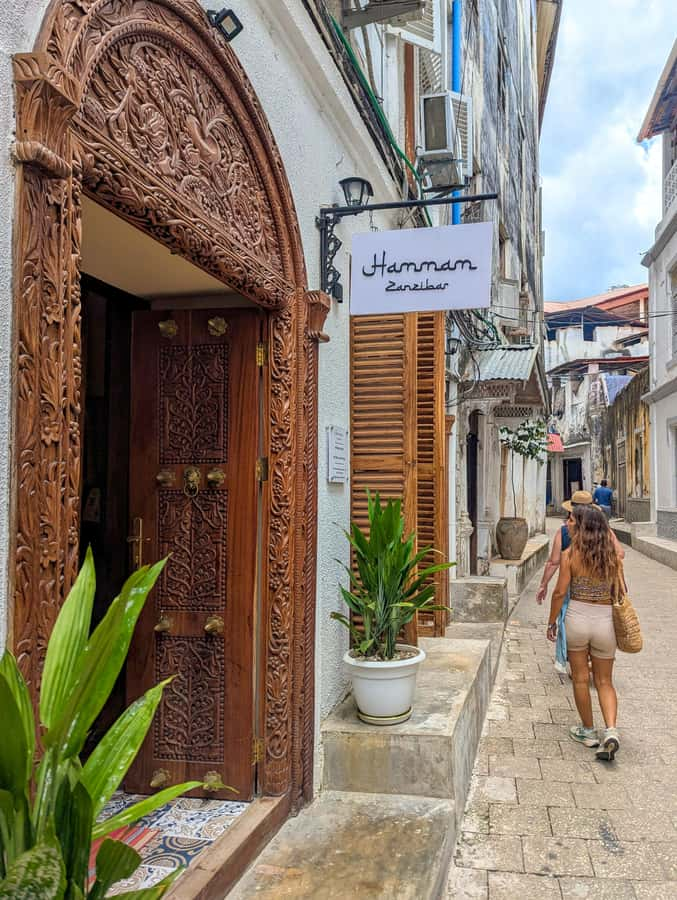
Next up are two of the easiest landmarks to recognize and the most useful to understand. The guided walk through the House of Wonders and the Old Fort helps you see Zanzibar as a place shaped by multiple cultures living side by side.
Even without needing to memorize dates or dates-of-everything, you’ll get the main takeaway your guide is aiming for: Stone Town’s identity doesn’t come from a single influence. You’ll hear how Swahili, Arab, Indian, and European heritage shows up in the built environment and the way people explain their own past. That helps a lot when you later look at doors, courtyards, and street layouts—suddenly those details mean something.
The Old Fort area is also useful for the way it breaks up the walk. It’s a natural pause point where you can reset your pace, regroup your photos, and prepare for the tighter alleys later in the tour.
If you’re the type who likes history in small, human chunks, this is a good section. You’ll get guided storytelling without the tour turning into a lecture.
Freddie Mercury childhood home photo stop: music meets place
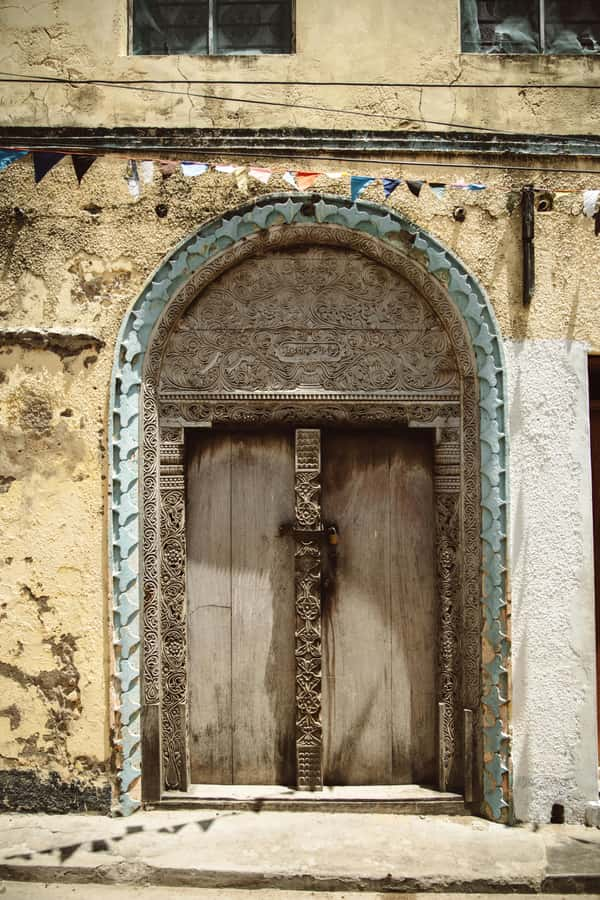
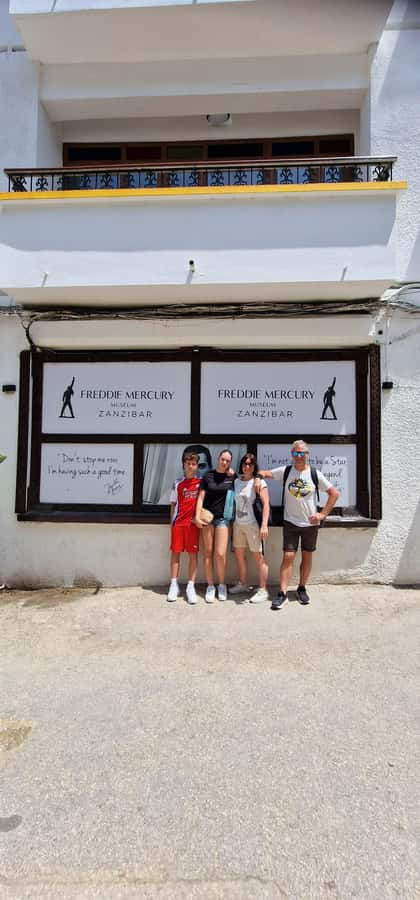
Then the route shifts to a different kind of heritage: pop-culture legacy. You’ll have a photo stop at Freddie Mercury’s childhood home, with your guide explaining why his connection to Zanzibar still matters to the island’s story today.
This stop is short, but it’s a powerful way to connect a global figure to a specific street corner. It also gives you something fun to carry through the day. When you later reach places that deal with difficult history, you’ll feel the contrast more clearly—and that contrast is part of what makes Stone Town such a memorable place to walk.
If you want more, there’s an optional add-on: Freddie Mercury Museum entry costs $8 per person. That’s not included in the base price, so you can decide based on your interests. If you’re a major fan of his music or want more context beyond the neighborhood connection, the museum can be a worthwhile next step.
Tanzanite Museum, St Joseph’s Cathedral, and Jaws Corner
After the Mercury moment, the tour keeps moving with stops that show different sides of daily Zanzibar.
You’ll visit the Tanzanite Museum, where you learn the story behind the rare blue gemstone. The tour framing here is practical: it’s not just about the rocks, it’s about why the gemstone matters and how Zanzibar’s economy and identity intersect with this material. If you’ve ever been curious about how stones move from local trade into global attention, this is the portion that clicks.
Next comes St Joseph’s Cathedral. You’ll get to marvel at its Gothic architecture, which adds another layer to the city’s cultural mix. It’s a nice change of pace from the market noise and a good chance to slow down for a few minutes and notice details.
Then you’ll end up at Jaws Corner, known as a local hangout. This isn’t the type of stop where you’re learning a single fact. It’s more about vibe—how people gather, how the city breathes, and how Stone Town feels when you’re standing where locals actually spend time.
Darajani Market and Memories of Zanzibar: shop smart and eat local
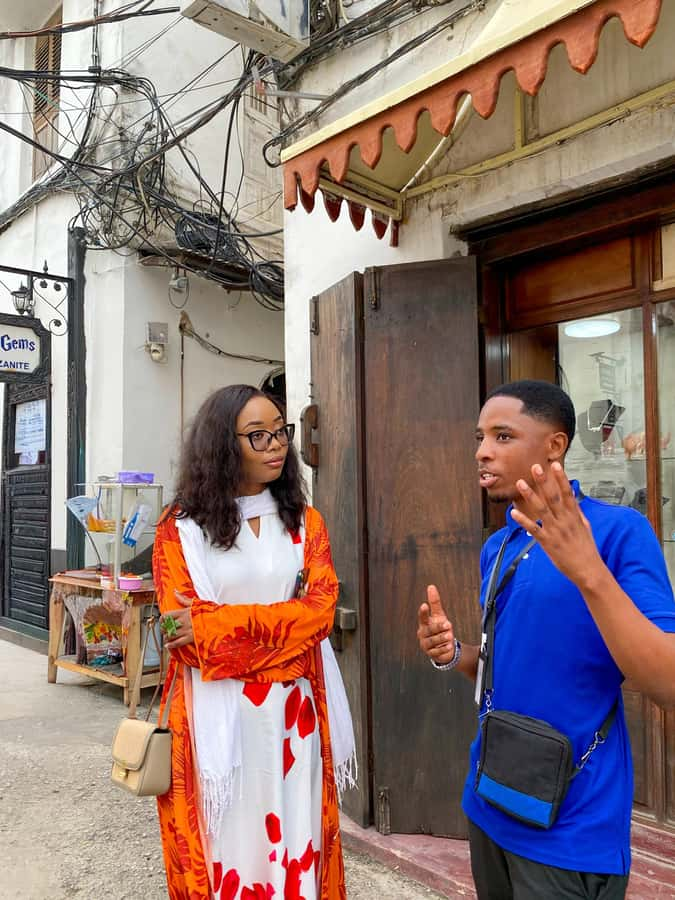
Now for the sensory hit. The tour takes you through the Darajani Market, where colors, spices, fresh produce, and handmade goods all compete for your attention. It can be overwhelming in the best way. Your guide helps you navigate so you spend time looking and asking questions, not getting lost or standing awkwardly while everyone else moves.
There’s also guided shopping time at Memories of Zanzibar, plus opportunities to taste local street snacks. That matters because shopping in markets is one thing; shopping without context is another. Your guide’s presence makes it easier to understand what you’re looking at and how to buy thoughtfully.
A quick practical tip: markets are easiest when you decide what you’re shopping for before you enter. If you want spices, focus there. If you’re hunting for crafts or souvenirs, set a budget and compare a couple of stalls before committing. The guided time is great for finding quality, but it still pays to be picky.
If you’re sensitive to crowds or smells, take it slowly here. Step aside when you need a breather, and let your guide know if you want a calmer pace. The market can be active, and a good guide will adjust.
Former Slave Market and Anglican Cathedral: history handled with context
This is the emotional center of the day, and it’s handled in a way that you’ll appreciate later when you look back on the tour.
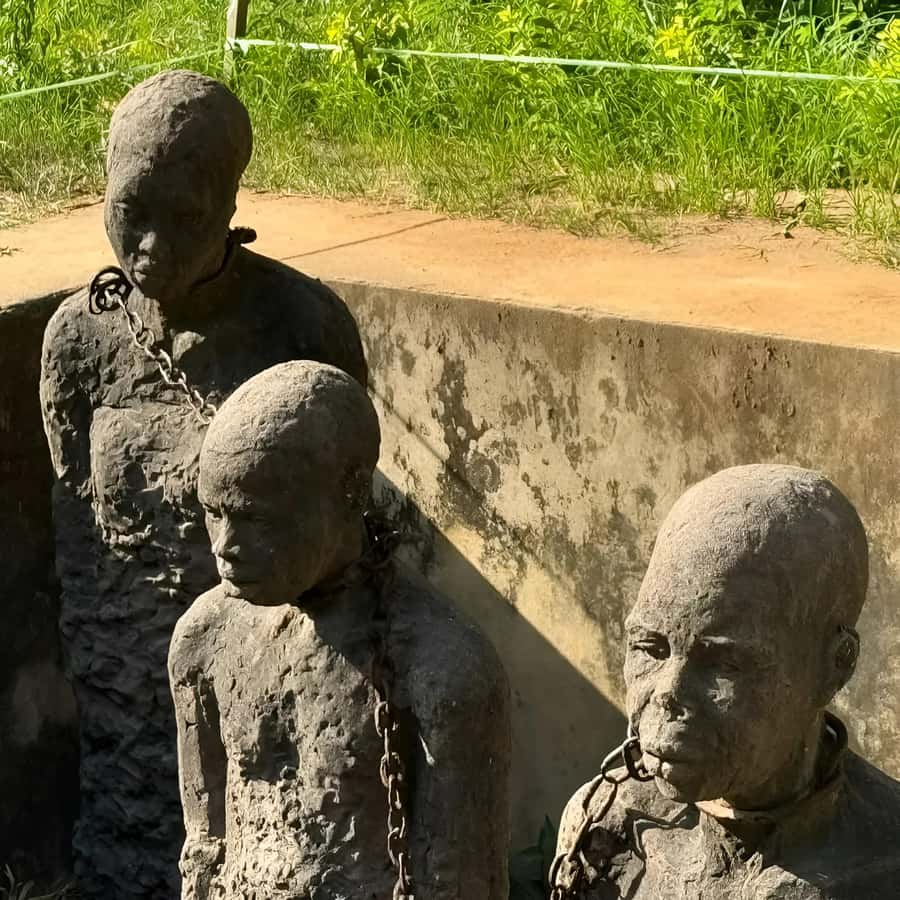
You get to visit the Former Slave Market with included entrance and a guided visit, along with the Anglican Cathedral. The goal isn’t just to point at a site. Your guide shares moving stories and helps you understand Zanzibar’s complex past and the fight to end the trade.
It’s the kind of stop that benefits from listening, even if parts of it feel heavy. If you’re the type who needs a moment to process, take it. If you have questions, this is also the right place to ask—because the guide is there to give context, not just facts.
This is also why the tour feels worth it even when you’re not the biggest history person. The market visit gives the walking route a deeper meaning, tying together architecture and culture with the human cost behind the city’s story.
Price and what $19 buys you in real-world value

At $19 per person, this tour is priced to feel accessible while still covering the parts that usually cost extra or take effort to organize yourself.
Here’s what you’re actually getting for your money:
- A licensed local guide who connects sites into a clear story
- Entrance included for the Former Slave Market and Anglican Cathedral (private tour)
- Guided walking time for Forodhani Gardens, House of Wonders, and Old Fort
- Market time at Darajani Market plus shopping opportunities at Memories of Zanzibar
- A photo stop at Freddie Mercury’s childhood home
- Bottled water
- Convenient hotel pick-up and drop-off within Stone Town
Then the optional part is clear: the Freddie Mercury Museum is not included, and it costs $8 per person if you want to add it.
Value-wise, the real win is the combination. You’re not paying for a grab-bag of random stops. You’re paying for a guide to make the city understandable, and for access to a couple of key sites that you’d otherwise have to arrange.
Practical tips for comfortable Stone Town walking
This tour runs on foot, and Stone Town streets can be uneven. Plan for that and you’ll have a better time everywhere else.
Do this:
- Wear comfortable shoes with grip
- Bring a sun hat and sunscreen
- Carry water. You’ll have bottled water with the tour, but you may still want a bit extra if it’s especially hot
- Think about weather. The tour may be affected by conditions, so check the forecast and dress for hot sun or possible rain
Don’t do this:
- Try to squeeze the whole day into a short window without buffer time. You’ll want a few minutes at key stops, and markets are slow in a good way
One more real-world note: it’s not suitable for people with mobility impairments. If that affects you, you’ll want an alternate plan.
Who should book this tour in Zanzibar?
This is a great match if you want:
- A walk-first introduction to Stone Town’s layout and key landmarks
- Personal storytelling that connects culture to places, not just photo stops
- A mix of famous sites (Freddie Mercury) and everyday Zanzibar (Darajani Market)
- A guided visit to the Former Slave Market with context and access included
It’s less ideal if you:
- Can’t handle walking on uneven streets
- Prefer only light, upbeat sightseeing with no heavy historical content
- Want long museum time without spending most of the day on the street
On the guide side, this kind of experience improves a lot when your guide is flexible. You’ll see this reflected in the kind of feedback guides like Haji and Saleh receive—people appreciate guides who explain clearly, stay friendly, and adjust the route to what you care about. If you’re traveling with specific interests, it’s worth telling the guide what you want to linger on.
Should you book this Stone Town heritage tour?
Yes—if your goal is to leave Stone Town feeling oriented, moved, and better able to read the city. The price is fair for what’s included, especially the guided access to the Former Slave Market and Anglican Cathedral, plus guided time at major cultural sites and the market experience.
If you’re comfortable walking and you don’t mind that the day includes difficult history, this tour is a strong choice. Add the Freddie Mercury Museum ($8) only if you genuinely want more from that theme; the photo stop alone already gives you a key moment tied to the city.
If you’re unsure, this is one of those tours where the guide and the flow make the difference. A good guide turns Stone Town from a blur into a story you can actually follow.
FAQ
Where is the meeting point for the Stone Town tour?
You meet at the bandstand in the center of Forodhani Gardens, directly opposite the House of Wonders and next to the Old Fort.
How do I get to and from the tour?
The tour includes convenient hotel pick-up and drop-off in Stone Town.
What is included in the $19 per person price?
The price includes an expert licensed local guide, guided walking time through Forodhani Gardens, House of Wonders, and Old Fort, Darajani Market and Memories of Zanzibar exploration with shopping opportunities, entrance to the Former Slave Market and Anglican Cathedral (private tours), a photo stop at Freddie Mercury’s childhood home, and bottled water.
Is the Freddie Mercury Museum included?
No. Entry to the Freddie Mercury Museum is optional and costs $8 per person.
Does the tour include the Former Slave Market and Anglican Cathedral?
Yes. Entrance to the Former Slave Market and Anglican Cathedral is included, with private tours.
What should I bring for the tour?
Bring comfortable shoes, a sun hat, and sunscreen.
Which languages is the tour available in?
The tour languages include English, French, German, Italian, Spanish, Swahili, and Polish.
Is the tour suitable for people with mobility impairments?
No. It is not suitable for people with mobility impairments.