REVIEW · SVOLVAER
Svolvær and Henningsvær Sightseeing and History Tour
Book on GetYourGuide →Operated by Lofoten Insight · Bookable on GetYourGuide
Lofoten hits different when you trace it through fishermen, Vikings, and WWII. This 5-hour tour strings together Svinøya fishing village scenes, an Arctic church stop, and harbor-town views with real context on fishing traditions and the islands’ geology and geography. You also get a professional photographer guide, so you’re not just seeing places, you’re learning how to frame them in cold-weather light.
I especially like the way the day connects daily life to big events, from stockfish drying culture to WWII resistance sites. I also like the pacing: with a group capped at 8, you get enough time at each stop to look closely and ask questions. The only real drawback to plan for is that food and drinks aren’t included, so you’ll want to budget for lunch or coffee in Henningsvær (there’s an opportunity there).
In This Review
- Key highlights I’d prioritize on this route
- Price and time: what $121 buys you in 5 hours
- Starting at Svinøya Rorbuer: fishing village first, not last
- Lofoten Cathedral: wooden carvings and stained glass in the Arctic
- Kabelvåg for Vikings and WWII: two eras told in one coastal town
- Henningsvær harbor time: fishing town energy plus room for lunch
- Gimsøy Church: a quiet 12th-century finish with big coastal views
- The guide and group size: why this feels smoother than bigger tours
- Who should book this Svolvær and Henningsvær tour
- Should you book it? My practical take
- FAQ
- How long is the tour?
- What’s included in the price?
- Is lunch included?
- How big is the group?
- What language is the tour guide?
- Where do I meet the guide?
- What should I bring?
- Can I cancel or change my plans?
Key highlights I’d prioritize on this route
- Professional photography guide who helps you capture Lofoten’s scenery and details
- Svinøya walking tour tied to fishing life and maritime heritage
- Lofoten Cathedral inside visit with wooden carvings and stained glass
- Kabelvåg Vikings + WWII resistance stops with saga stories and wartime context
- Henningsvær harbor and old warehouses with great photo angles
- Gimsøy Church (12th century) plus coastal views for a quiet ending
Price and time: what $121 buys you in 5 hours
At $121 per person for a 5-hour outing, you’re paying for more than sightseeing. You’re getting transportation, a guided route with multiple historical stops, and a professional photography guide for a small group. That combination is usually where these tours earn their keep: you save time (no self-routing between towns) and you don’t have to guess what matters at each place.
The tradeoff is typical for Lofoten day tours: you’ll be on the move, not lying in one spot all day. That can be perfect if you like variety—fishing village, cathedral interior, Viking/WWII stops, then two different coastal towns. Just know you’ll want comfortable shoes and clothes you can layer, because Arctic weather loves surprises.
Also, keep expectations realistic. This is not a museum crawl with hours of indoor time. It’s a story-driven field trip, where the setting does half the teaching.
Starting at Svinøya Rorbuer: fishing village first, not last
The meeting point is practical: you start outside the reception of Svinøya Rorbuer in Svolvær. If you’re staying nearby, you can also request pickup from the Tourist Information Office in Svolvær or from Lofoten Rorbuer or Marina Hotel. That’s a small detail that matters—getting to the day’s first stop without wrestling with logistics makes the whole experience feel easier.
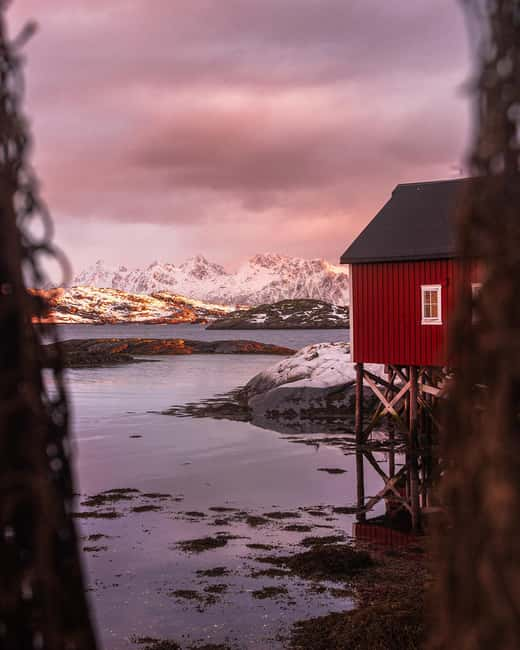
Svinøya is a smart first choice. You begin in a place built around boats, wooden cabins, and the rhythms of fishing. The short walking tour here is aimed at giving you context, not just a stroll. You’ll trace the footprint of generations of fishermen and hear how fishing traditions shaped local identity.
One of the best payoffs can be visual: on the route, you may end up seeing stockfish drying (people have called out seeing big stockfish hanging for drying). Even when that exact scene depends on timing and conditions, the guide’s focus keeps you looking at the right things—harbor details, maritime heritage, and how this coastline works for people.
If you care about photography, this opening stretch is useful because it’s all texture: wood grain, nets, cabins, and water reflections.
Lofoten Cathedral: wooden carvings and stained glass in the Arctic
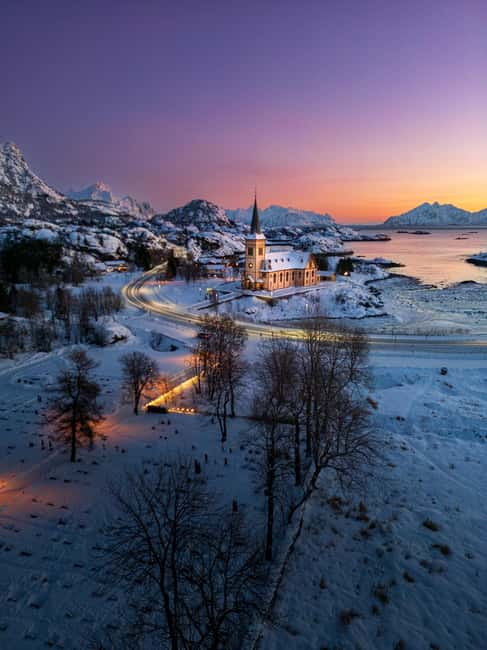
After Svinøya, the tour heads to Lofoten Cathedral. This is one of those stops where the architecture changes the mood immediately. Outside, you get that stark Arctic feel: sky, sea, and a sense of cold light. Then inside, the focus shifts to craft—intricate wooden carvings and stained glass windows.
The value here isn’t just aesthetics. The cathedral visit is framed as faith and resilience shaped by the Arctic setting. In practice, it helps you understand why church buildings mattered in communities that lived with harsh conditions and long seasons.
What I’d watch for: take a minute to look for how the light hits the stained glass, especially if clouds break. Even without being a photography expert, you’ll understand your camera settings better after a guide gives you quick direction.
If you’re short on indoor tolerance, don’t worry—this is still part of a guided rotation, not an all-day building detour. It’s long enough to appreciate the interior details, but not so long that the rest of the day feels rushed.
Kabelvåg for Vikings and WWII: two eras told in one coastal town
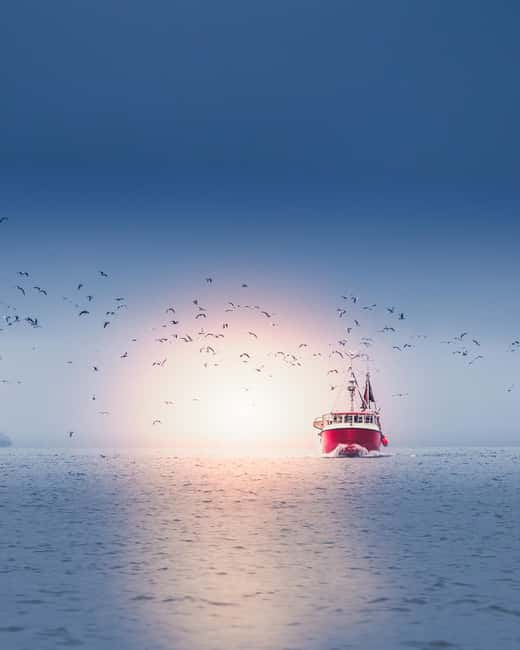
Next up is Kabelvåg, where the day’s history emphasis really turns on. The tour explains Viking history of Lofoten at the place the Vikings founded, using sagas as part of the storytelling. You’re not just hearing dates—you’re getting the cultural logic behind why settlements formed where they did, and how the sea shaped movement and power.
Then the focus shifts to WWII. You’ll visit key sites tied to the Norwegian resistance against Nazi occupation. This is where the tour earns trust by connecting landmarks to lived experience: coastal terrain, strategic locations, and how resistance activity played out in the local setting.
A detail worth highlighting: at least one guide note from prior guests points to great views from wartime-related points, including bunker views. You might find yourself standing somewhere that feels both scenic and serious at the same time. That’s the balance you want from a history tour—beauty doesn’t erase hardship, and the guide keeps both in view.
If you’re sensitive to heavier topics, this part may feel more intense than the fishing or church segments. But the overall structure helps: it’s staged after you’ve already built context about everyday life here.
Henningsvær harbor time: fishing town energy plus room for lunch
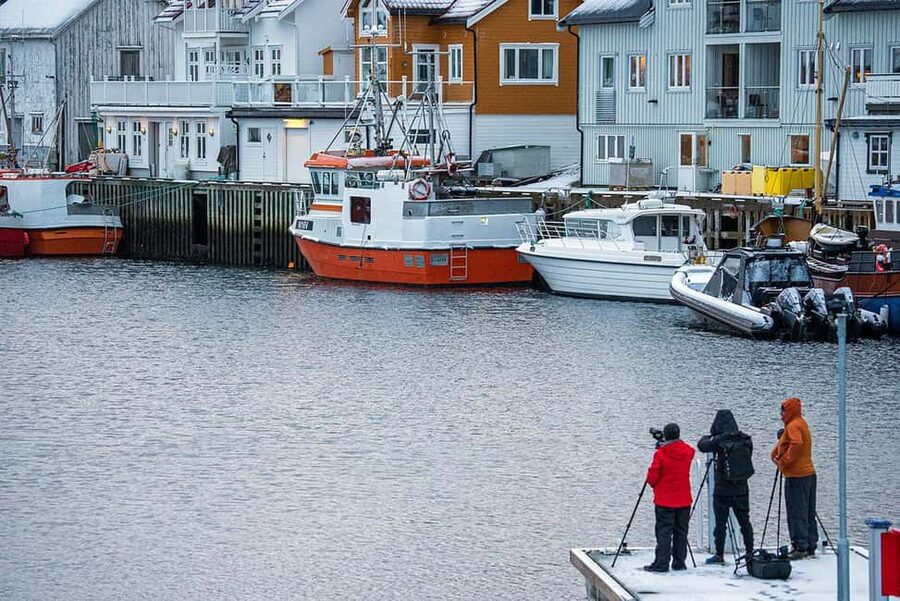
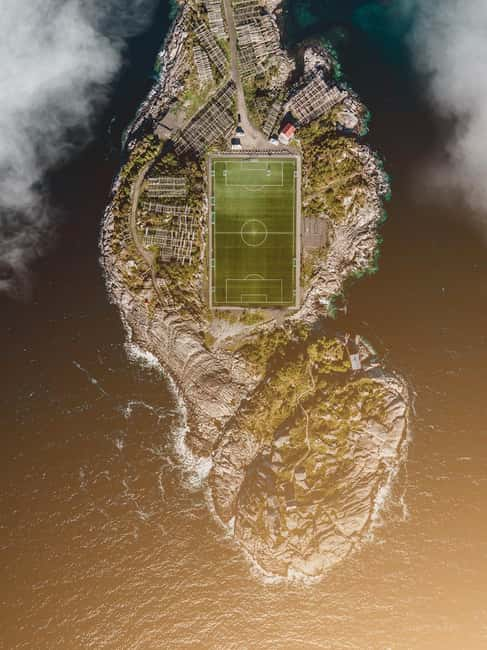
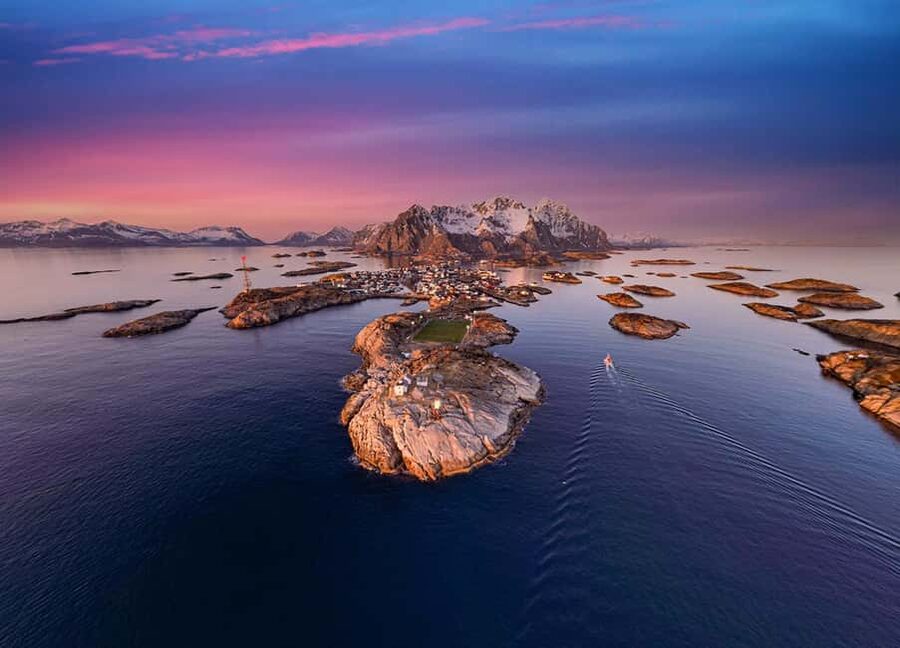
Then comes Henningsvær, a fishing village perched on the edge of the Norwegian Sea. If you’ve ever wondered how a small town can look like a postcard and still feel practical, this is the answer. The tour walks you around harbor fronts, historic warehouses, and colorful buildings.
This stop is also where the day’s photography payoff often lands. You get geometry—piers and edges—and water movement that makes even simple shots look alive. Because you’re in a small group, you’re more likely to get to the best angles rather than being herded into a single viewpoint.
There’s an important practical note: you get an opportunity to stop for lunch or coffee in Henningsvær, but it’s not included in the price. Plan for that. If you go in hungry, you’ll have time to grab something once you’re there, but you’ll want cash or card ready.
If the weather turns, the harbor can still be rewarding because you’re dealing with immediate, close-up scenes. You’re not waiting for a far-off vista to appear; you can work with what’s in front of you.
Gimsøy Church: a quiet 12th-century finish with big coastal views

The last stop is Gimsøy Church, a wooden landmark dating back to the 12th century. By the time you reach it, you’ll feel the tour’s shape: lots of stories earlier, then a calmer ending.
This is a great “pause moment.” The church is described as serene, and it sits with sweeping coastal vistas and snow-capped mountains in the background. Even if you’re not religious, this kind of setting can reset you. The guide’s job here is not to rush you through; it’s to give you time to take it in.
If you’re photographing, take a few minutes before you set up. Cold air can fog lenses fast, and inside/outside lighting contrast can trick your camera. If you’re layered, you’ll be more comfortable staying put long enough for the light to shift.
By the end, the tour drops you back at the meeting point, so you’re not stuck figuring out the return after a full day.
The guide and group size: why this feels smoother than bigger tours
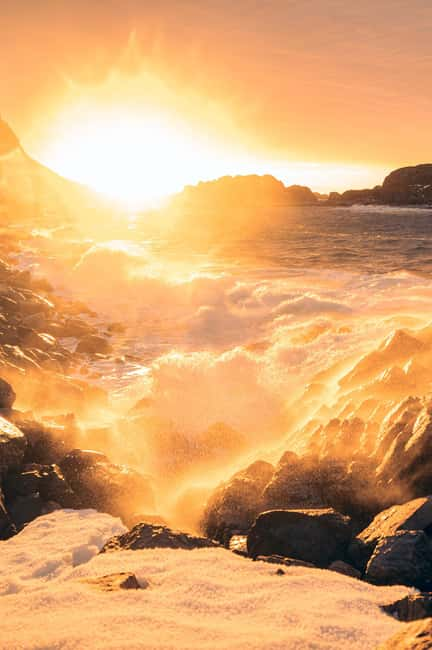
This is run by Lofoten Insight and led in English. The group is limited to 8 participants, which is one of the biggest quality signals in the whole description. Small groups mean less waiting at gates, more time for questions, and better movement between photo points without feeling like you’re on a conveyor belt.
The other standout feature is the professional photography guide. That can mean different things on different tours, but here the promise is clear: you’ll be guided through where to look and how to capture the scenes you’re seeing. One guest specifically called out Mr Dave and praised his way of showing lovely scenery and tailoring the experience to make it meaningful.
Even if you don’t care about fancy settings, a photography-focused guide helps you look at details you’d otherwise walk past: lines in the harbor, textures on buildings, the way church light changes inside, and how the coast frames every stop.
Who should book this Svolvær and Henningsvær tour
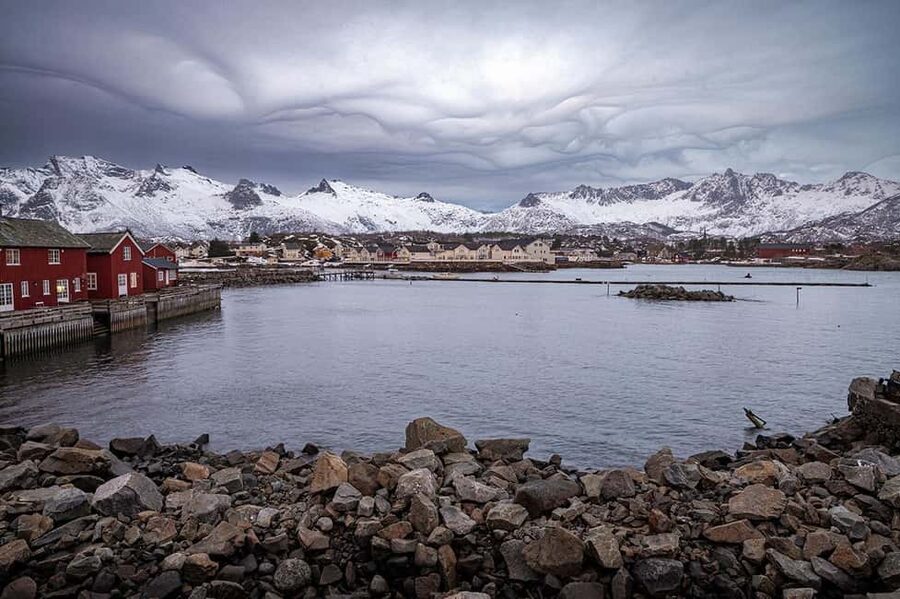
This tour is a great fit if you want a balanced mix of history and scenery in a single half-day format. You’ll enjoy it most if you like:
- Viking and WWII context tied to real places
- Fishing traditions and how they shaped Lofoten identity
- Photo-friendly towns and viewpoints
- A guided structure that keeps you from wasting time figuring out routes
It may be less ideal if you need long, unstructured free time for shopping or if you hate moving between multiple towns in one day. Also, if you dislike walking on uneven ground, stick close to your guide’s pace and be ready for short stretches on coastal village streets.
If you’re traveling with older folks or anyone who struggles with stairs, bring that up before booking, since the only explicit walking requirement mentioned is comfortable shoes—but the stops do include walking segments.
Should you book it? My practical take
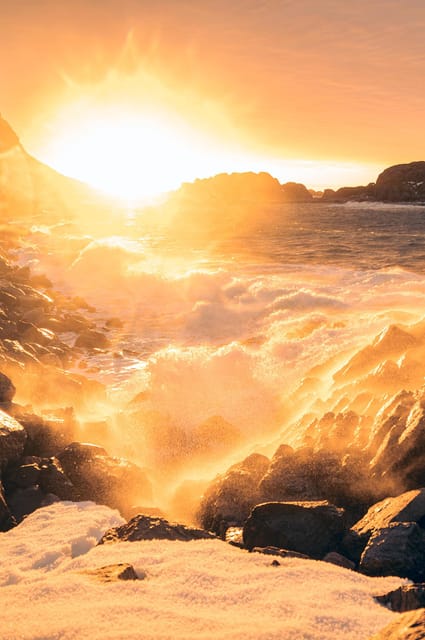
If you’re deciding between DIY sightseeing and a guided route, I’d lean toward booking this one. The value comes from three things: small group size, transportation, and a guide who connects the setting to the story. The mix of Svinøya fishing life, Lofoten Cathedral, Kabelvåg Vikings/WWII, Henningsvær harbor, and Gimsøy Church gives you a strong cross-section of what makes Lofoten feel like more than just scenery.
Just plan for the one gap: food and drinks are on you, and you’ll likely want lunch or coffee in Henningsvær. If you show up with good shoes, layered clothes, and an open mind for both everyday fishing culture and wartime history, you’ll come away with more than photos—you’ll have a clearer sense of how people lived here.
FAQ
How long is the tour?
The tour runs for 5 hours. Starting times depend on availability, so you’ll want to check the schedule when you book.
What’s included in the price?
The price includes a guided tour, transportation, and a professional photography guide.
Is lunch included?
No. Food and drinks aren’t included. There is an opportunity to stop for lunch or coffee in Henningsvær, but you’ll pay for it yourself there.
How big is the group?
It’s a small group limited to 8 participants.
What language is the tour guide?
The live tour guide speaks English.
Where do I meet the guide?
You meet outside the reception of Svinøya Rorbuer in Svolvær. Pickup may also be arranged from the Tourist Information Office in Svolvær or from Lofoten Rorbuer or Marina Hotel, if you message after booking.
What should I bring?
Bring comfortable shoes and comfortable clothes.
Can I cancel or change my plans?
The activity offers free cancellation up to 24 hours in advance for a full refund. You can also reserve now & pay later, so you don’t need to pay immediately to hold your spot.