REVIEW · MEDELLIN
Medellín: Pablo Escobar Historical Tour Complete Experience
Book on GetYourGuide →Operated by Escape to Medellín services · Bookable on GetYourGuide
Escobar’s Medellín is not a postcard. This private day takes you to the places where his power, and the city’s response, are still visible. I especially like the full, carefully timed route and the bilingual guide storytelling that keeps the day clear instead of chaotic.
Two things that really work: you get hotel pickup and drop-off in a comfortable, air-conditioned vehicle, and you cover major sites without feeling rushed through a long group line. One consideration: this is a heavy topic. If you want purely upbeat sightseeing, you may find this day emotionally intense.
I also liked the way the guide frames the story—fact-first, and focused on how Medellín changed afterward. And yes, you’ll have time to ask questions, including at the museum experience with Roberto Escobar.
In This Review
- Key highlights I’d plan around
- Why Escobar’s Medellín story feels different than you expect
- Private pickup and an 8-hour schedule that actually works
- Montesacro Cemetery: where the story turns personal
- La Catedral: the prison that looked like a statement
- Parque de la Inflexión (the Monaco building) and Medellín’s reset
- Los Olivos: the neighborhood built for the underprivileged
- Pablo Escobar monument stop: a pause that helps you orient
- Casa Museo Pablo Escobar and meeting Roberto Escobar
- What’s included (and what you’ll need to handle yourself)
- Price and value: what $180 buys you in Medellín time
- Who this tour fits best
- Practical packing tips for an 8-hour Escobar day
- Should you book the Medellín Pablo Escobar Complete Experience?
- FAQ
- How long is the Pablo Escobar Historical Tour in Medellín?
- Is this tour private or shared?
- Do you get hotel pickup and drop-off?
- What languages are offered?
- Are entrance fees included?
- Is food included in the tour price?
- Is there a minimum age requirement?
- What should I bring with me?
Key highlights I’d plan around
- Completely private, with a comfortable, safe vehicle for the full 8 hours
- Hotel pickup and metropolitan drop-off, so you’re not stuck coordinating transit
- La Catedral prison visit plus guided context on the cartel’s luxury-by-force setup
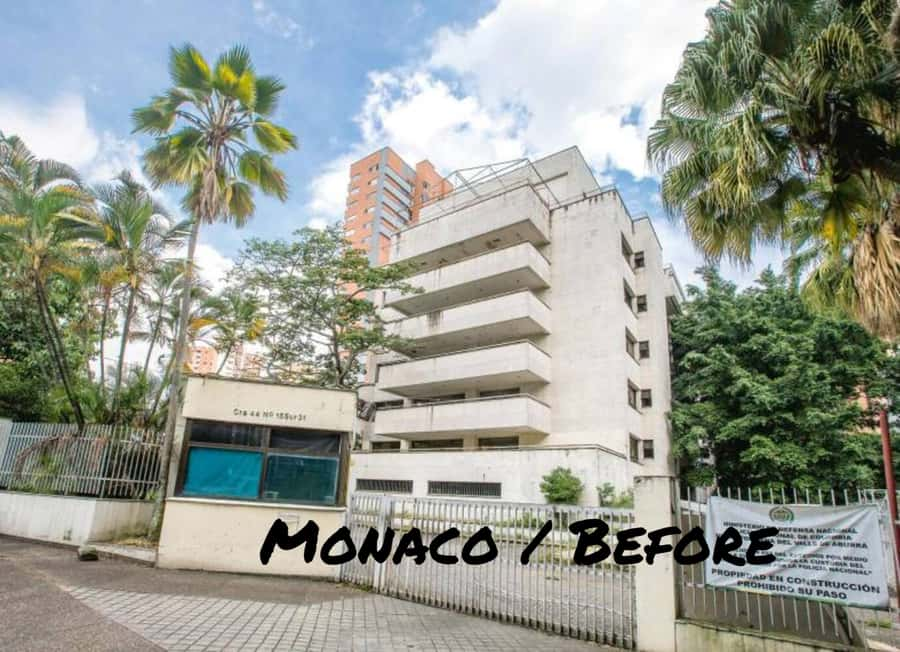
- Parque de la Inflexión (Monaco building) to see how the city repurposed a symbol
- Casa Museo Pablo Escobar with an especially notable welcome from Roberto Escobar
- Multiple stop lengths (from 20-minute photo/transfer breaks to longer guided time) so the day stays structured
Why Escobar’s Medellín story feels different than you expect
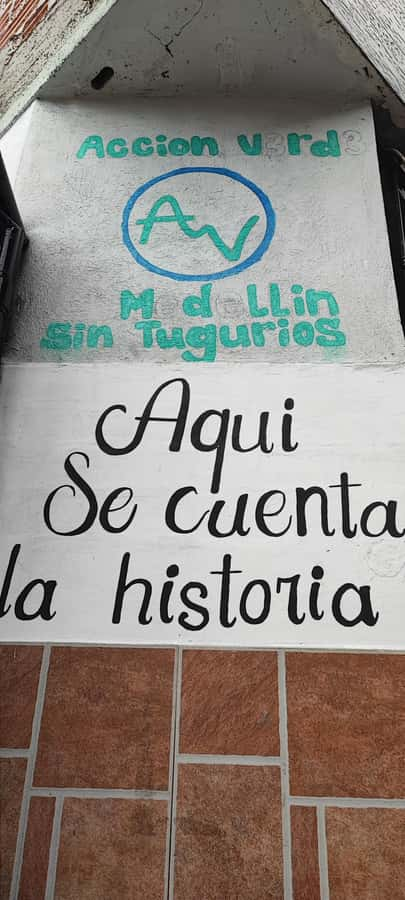
Medellín’s Escobar chapter isn’t just “crime history.” It’s also city planning, inequality, and how a community rebuilds after fear. This tour is designed around the contrasts: the man who caused massive harm, and the places where his choices left lasting marks on neighborhoods and infrastructure.
That contrast is what makes the day engaging. You’re not only looking at famous locations; you’re connecting them to what Medellín became afterward. The tour guide keeps the tone objective and reflective, so you don’t feel like you’re watching a spectacle.
Also, the pace helps. You’ll hit several iconic stops, but not in a way that turns everything into one blur. You’ll have guided time at the heavy hitters and shorter stops for photos and orientation—so you can still absorb what you’re seeing.
You can also read our reviews of more historical tours in Medellin
Private pickup and an 8-hour schedule that actually works
A private tour in Medellín isn’t a luxury add-on. It’s practical. Traffic, distance, and changing neighborhood vibes can make self-guided routing stressful—especially if you’re trying to cover specific, exact sites tied to Escobar’s story.
With this experience, you get direct pickup at your hotel (or meeting point) and then drop-off wherever you specify within the metropolitan area. That matters because it turns the day into one continuous plan instead of a patchwork of taxis and guessing.
The vehicle is air-conditioned, which sounds basic until you’ve spent time outside in the sun. Comfortable shoes and sunscreen still matter (you’ll be walking and standing for photos), but you’re not stuck sweating between stops.
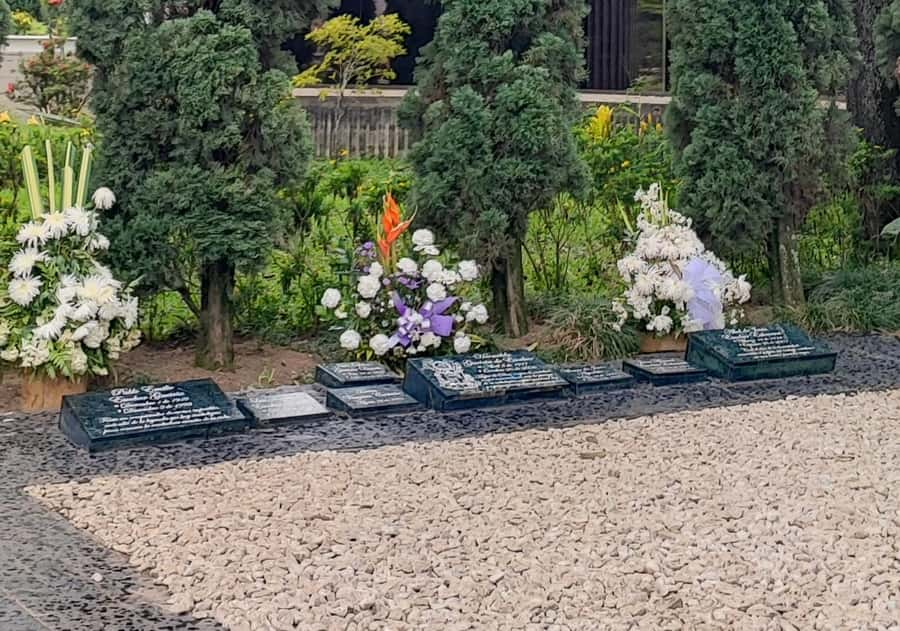
Montesacro Cemetery: where the story turns personal
The day starts at Jardines Montesacro Cemetery, with about 30 minutes there. This stop is brief enough that you won’t feel trapped in a long visit, but long enough to take it in and understand why a final resting place can become part of a public narrative.
The tone here is quieter. Instead of dramatic explanations, you get a sense of how symbols stick around after a person is gone. It’s also a reminder that the story isn’t abstract. Escobar’s impact left families, grief, and community responses behind—some of which still play out in local memory.
Practical note: wear comfortable shoes. Cemeteries can mean uneven surfaces, and you’ll want solid footing without thinking about it.
La Catedral: the prison that looked like a statement
If you’re picking one “must” from the day, this is it: La Catedral, visited with photo stop, guided tour, and about 2 hours on-site. This is where the contrasts get sharp.
This complex isn’t just a jail. It’s described as the place Escobar built himself—plus the luxury prison setup tied to the cartel boss’s inner world, including his brother and his bandits. The guide’s job here is crucial: explaining how the architecture and conditions were used to project power while holding people captive.
You’ll also hear about the end phase of the story—there’s mention of the roof where things ended. That kind of detail can make a location feel more real, because you can visualize how control worked, then how it collapsed.
What to watch for: photography is likely part of the experience, but focus on learning first. This is a site where the story matters more than the angles.
Parque de la Inflexión (the Monaco building) and Medellín’s reset
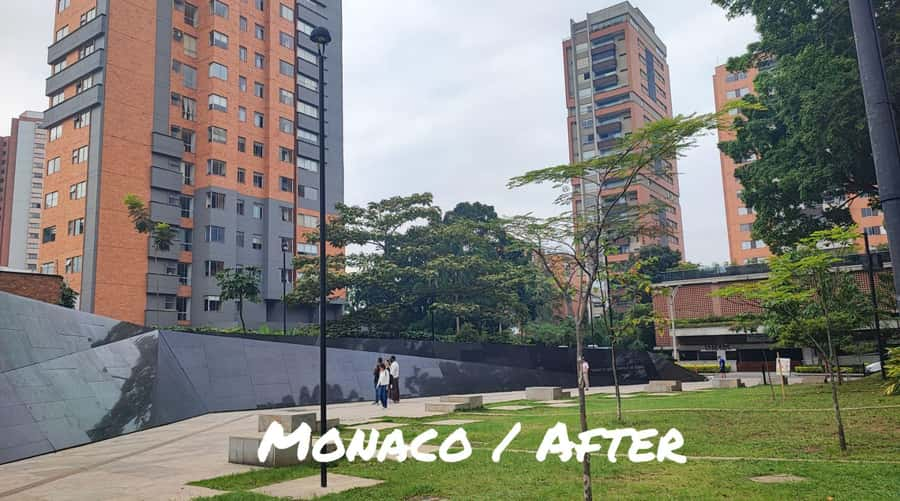
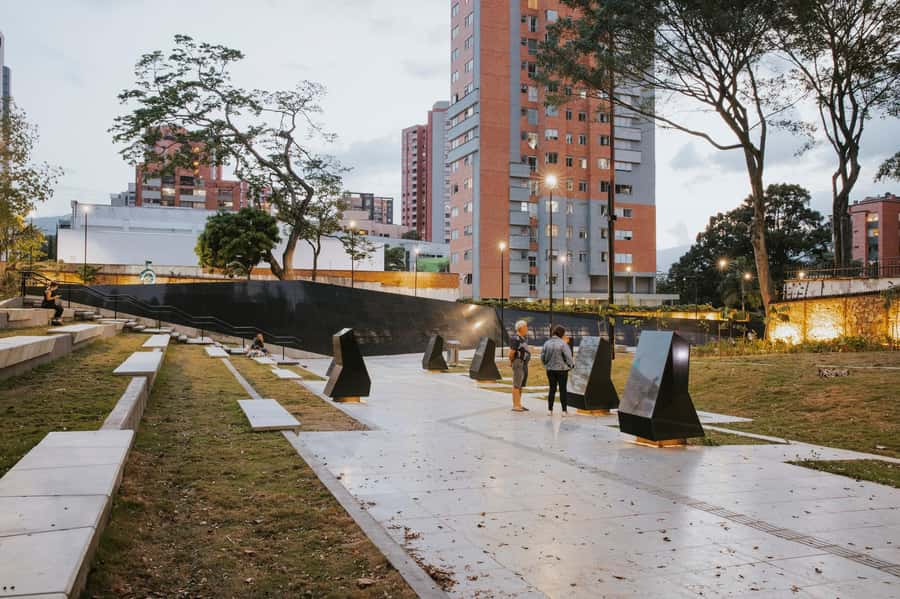
Next you’ll visit the Conmemorativo Inflexión Park, connected to the former Monaco building, and it includes a guided component with about 30 minutes total. The point here isn’t just to see a building. It’s to see how a city repurposes a symbol.
This stop works well after La Catedral because it shows the pivot from one chapter to another. Medellín didn’t just move on. It transformed. The guide ties that transformation to the larger narrative: from the dark years to the resilient city that exists today.
For you, that means you’re not only collecting facts about Escobar. You’re also learning how Medellín chooses to remember and reframe what happened.
Photo tip: bring a phone you can keep steady. You’ll likely want snapshots for the Monaco building and park spaces, but you don’t want to rush the guided explanation.
Los Olivos: the neighborhood built for the underprivileged
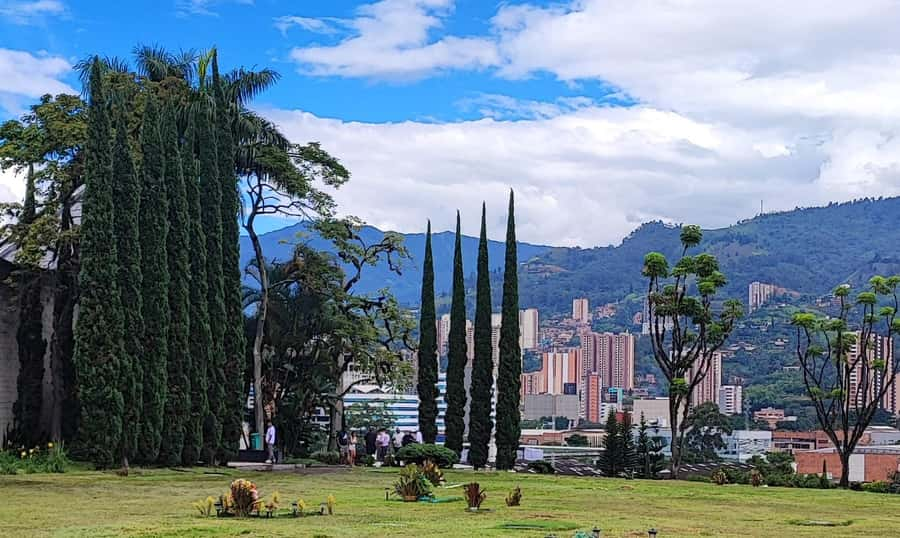
One of the most interesting (and uncomfortable) parts of the story is Los Olivos, with about 20 minutes of guided time plus photos. The tour frames it as the neighborhood Escobar built for the underprivileged—so you get a clear view of the contradiction at the center of his public image.
This stop is short, but it’s strategically placed. After darker sites like La Catedral and cemetery, Los Olivos adds an unsettling dimension: the same person linked to harm also tried to build communities. Understanding that duality is key to making sense of how power can function as both threat and patronage.
If you’re the type who likes to read between the lines, you’ll enjoy how the guide keeps the discussion grounded in the city’s transformation. If you prefer simple moral sorting, this stop might feel like it complicates things on purpose.
Pablo Escobar monument stop: a pause that helps you orient
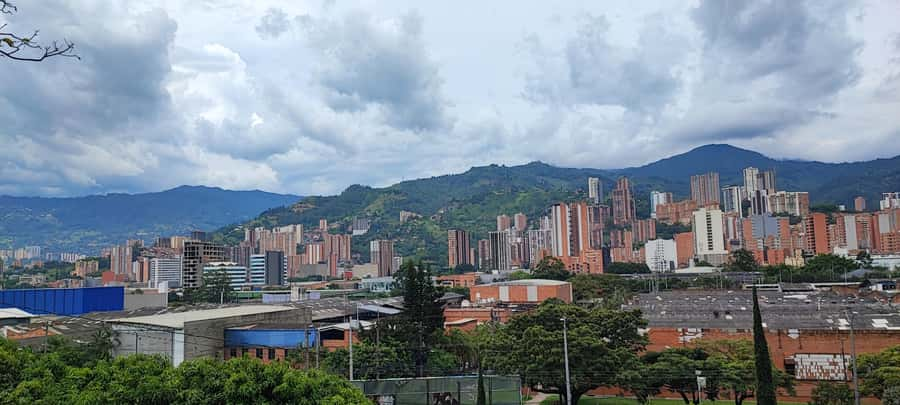
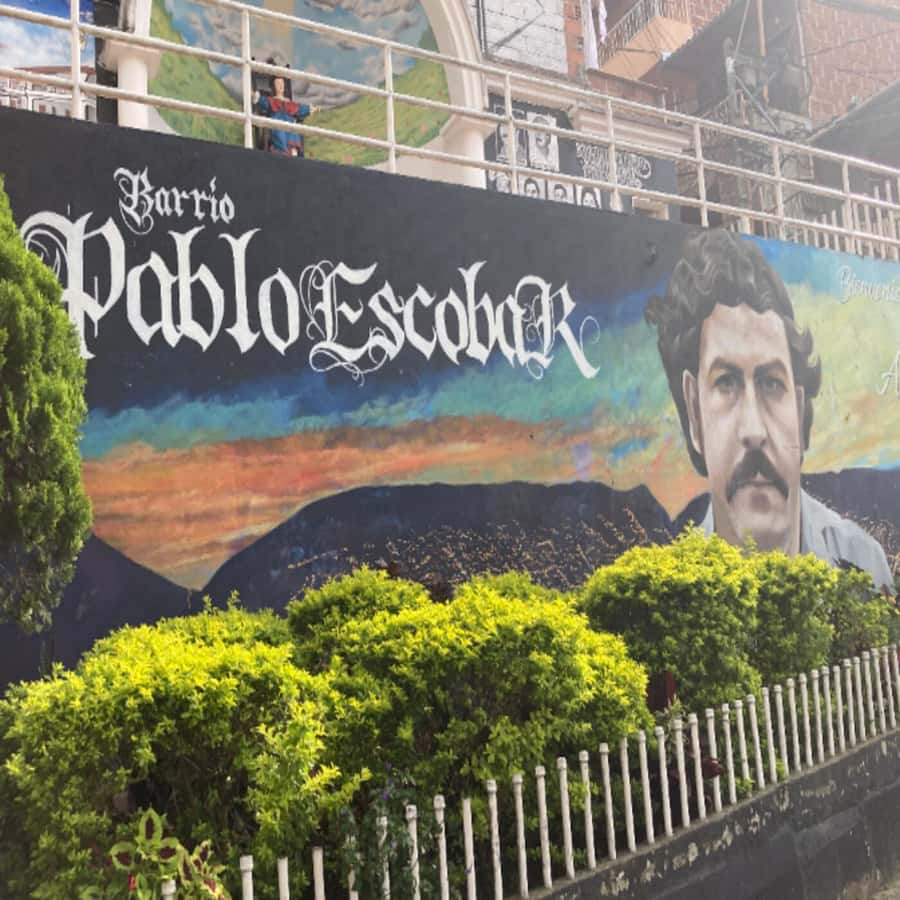
You’ll also make a stop at Pablo Escobar’s monument, with guided tour time around 30 minutes. A monument is never just stone. It’s memory made physical, and in Medellín it connects to the argument over legacy—admiration, fear, grief, and retribution all tangled together.
This is a good “reset” stop during the day. By then, you’ll have enough context to notice what the monument is communicating and what the city chooses to emphasize around it. The guide’s explanations here are helpful because monuments can be misunderstood if you’re seeing them with only outsider assumptions.
Take the time to ask questions if anything feels confusing. This portion of the day is ideally when your understanding starts forming a bigger picture.
Casa Museo Pablo Escobar and meeting Roberto Escobar
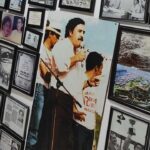
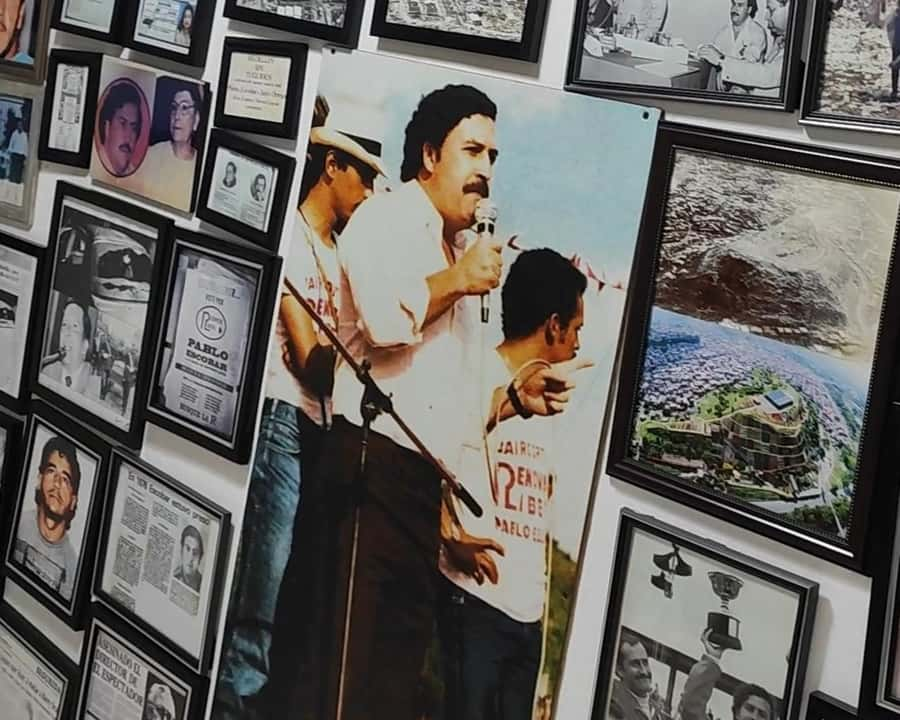
The final main stop is Casa Museo Pablo Escobar, where you’ll spend about 1.5 hours with photo stop, visit, and guided tour. What makes this different is the welcome: you’ll be received by Roberto Escobar, which adds a personal edge that most history tours can’t replicate.
This is where you’ll likely see how the story is told through objects, rooms, and curated context. The guide also connects what you see to the wider impact of Escobar’s life on Medellín and beyond.
I like museum stops at the end of the day because your brain finally has time to connect images to meaning. If earlier locations felt like “places,” the museum helps you treat them like “chapters.”
One practical point: museums can be standing-heavy. Bring comfortable clothes that don’t restrict you, and keep some cash ready for any snacks afterward, since food isn’t included.
What’s included (and what you’ll need to handle yourself)
You’re covered for the key logistical pain points: hotel pickup and drop-off, air-conditioned transfers, a bilingual guide, entrances to the former La Catedral prison and Pablo Escobar’s museum, plus access to the monument.
There’s also travel and personal belongings insurance in case of an accident, which is a reassuring extra for a long day that involves multiple locations.
What’s not included is equally important: food and souvenirs. The tour recommends bringing cash because you may want snacks and drinks while you’re moving between stops.
So here’s my practical advice: plan on a simple lunch strategy before the tour or carry money for a quick bite between locations. You’ll feel better if you’re not stuck hungry and searching for cash while everyone else keeps moving.
Price and value: what $180 buys you in Medellín time
At $180 per person for about 8 hours, this isn’t a budget excursion. But it isn’t overpriced for what it includes either.
Here’s the value math that matters:
- You get private transportation for a full day, not a shared van shuffle.
- You get entrances to major sites (La Catedral prison and the museum).
- You get bilingual interpretation with guided time at multiple stops, not just a driver who points.
- You get pickup and drop-off, which saves you money on taxis and saves your energy.
If you compare this to piecing together separate tickets and rides, the price starts to make sense. This tour is built for people who want the complete arc without doing logistics math while also trying to process a difficult story.
The price consideration is simple: if you’re only interested in one or two sites, you might not need the full day. But if you want the whole structured narrative, it’s one of the better ways to spend time in Medellín beyond typical “just take me to a view” sightseeing.
Who this tour fits best
This experience is set up as private, bilingual, and structured—so it suits visitors who want clarity and a guided thread through complex history. It’s also clearly not suitable for children under 15, which is consistent with the intensity and subject matter.
I think it works especially well if:
- you like history that connects places to stories
- you want a guide who will answer questions and explain context
- you prefer hotel-based convenience over neighborhood navigation
It may feel less ideal if:
- you want light entertainment for a full day
- you dislike visits tied to prisons or trauma-heavy themes
- you’re hoping for a quick “hit and run” of only one famous stop
Practical packing tips for an 8-hour Escobar day
Bring comfortable shoes. You’ll be walking and standing for explanations and photos. Bring sunscreen and comfortable clothes, because weather and sun exposure can be real even when you’re mostly in a vehicle.
Bring cash, mainly because food isn’t included and you might want drinks or snacks during the day.
If you want your day to go smoothly, plan to travel with a phone that stays charged. You’ll take photos at several stops, and you’ll want quick access for anything you need on-site.
Should you book the Medellín Pablo Escobar Complete Experience?
If you want the clearest, most structured way to understand Escobar’s impact on Medellín—starting at Montesacro, moving through La Catedral, then to the repurposed Monaco-era site, Los Olivos, monuments, and ending at Casa Museo—book it. The private format and bilingual guiding make a big difference when the story is complex and the locations are specific.
On the other hand, if you prefer a softer day with only pleasant viewpoints and minimal emotional weight, you might choose a different kind of Medellín tour. This one asks you to pay attention and sit with the contradictions.
My call: book it if you’re here to learn, not just to see. Skip it if you want easygoing sightseeing only.
FAQ
How long is the Pablo Escobar Historical Tour in Medellín?
It lasts approximately 8 hours.
Is this tour private or shared?
It’s a private group tour.
Do you get hotel pickup and drop-off?
Yes. Pickup is included from your hotel (or another meeting point you indicate), and at the end of the day you’re dropped off where you specify within the metropolitan area.
What languages are offered?
The live guide is available in English and Spanish.
Are entrance fees included?
Yes. Entrance to the former La Catedral prison, Pablo Escobar’s museum, and the Pablo Escobar monument are included.
Is food included in the tour price?
No. Food is not included, so it’s a good idea to have cash for snacks and drinks.
Is there a minimum age requirement?
Yes. It’s not suitable for children under 15.
What should I bring with me?
Bring comfortable shoes, sunscreen, comfortable clothes, and cash.