REVIEW · BERLIN
Where It All Began: Berlin’s Queer & Trans History Tour
Book on GetYourGuide →Operated by BerlinGuide.de · Bookable on GetYourGuide
Berlin’s queer past walks with you. This 3-hour, small-group tour pairs 200+ archival multimedia with AR Mixies selfies, so history feels immediate. One heads-up: the material covers Nazi persecution, HIV/AIDS, and other sensitive topics, so it may be hard for some people.
I like that it’s led by Jeff, a queer activist and gender scholar, with a social-science and certified sex-education approach. With a group of up to 10, the walk stays interactive and welcoming, including quiz moments and on-the-street storytelling that connect early LGBTQIA+ organizing to Berlin’s nightlife culture. The route is wheelchair accessible, but some paths can be bumpy, so plan for uneven ground.
In This Review
- Key takeaways before you go
- Why Berlin’s queer streets still teach
- Jeff’s multimedia toolkit: 200+ archives, rare audio, quizzes, AR
- The 3-hour route from Ulrichs street to Nollendorfplatz
- Trans history gets concrete, not vague
- Nazis, resistance, and what survived
- Lesbian nightlife and feminist movements in 1920s Berlin
- From AIDS activism to Pride-era influence and club culture
- Price and value: what $81 buys you
- Practical matters: what to wear, and how to handle the sensory side
- Who should book this tour
- Should you book this tour?
- FAQ
- How long is the tour?
- How many people are in the group?
- Where do I meet for the tour?
- What language is the tour in?
- What’s included in the price?
- Is the tour wheelchair accessible?
- Does the tour include sensitive content?
- Is it suitable for children?
Key takeaways before you go
- 200+ archival photos, videos, and rare audio used as part of the walk, not a slideshow at the end
- AR Mixies let you take personalized selfies with historic LGBTQIA+ figures
- Quiz + AR scenes turn “facts on a page” into active recall
- Trans history gets specific, including early gender-affirming care and the later Nazi erasure
- Nightlife moves through time, from 1920s lesbian and gay spaces to club-era influence today
- Content notes matter: Nazi Germany, HIV/AIDS, sex work, drugs, and violence are discussed directly
Why Berlin’s queer streets still teach
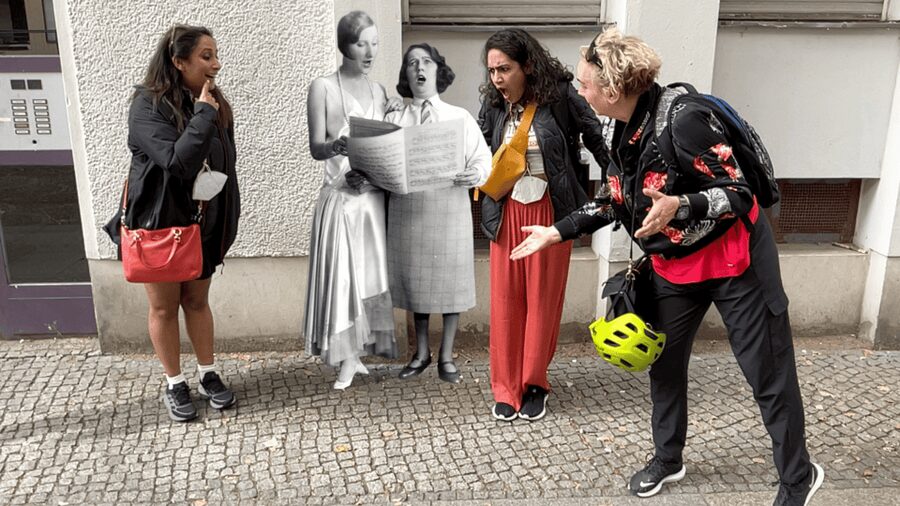
Berlin likes to present itself as modern and forward-looking, but this tour makes one point hard to ignore: the city’s LGBTQIA+ movement wasn’t invented recently. You’re tracing resistance, identity, and community formation across 150+ years, from early activists to the fight for survival under different political regimes.
What I find especially practical is the way the tour connects big history to street-level memory. Rather than treating LGBTQIA+ history as a single chapter, it threads it through neighborhoods that helped shape nightlife, activism, and public visibility over time. You end up with a mental map: where people gathered, how culture spread, and how oppression tried to cut the story short.
Still, you should know this isn’t a soft-focus walk. The guide’s approach is frank about the social reality—antisemitism, racism (including sexualized racism), homophobia, transphobia, and queerphobia—and it also addresses topics like drugs, HIV/AIDS, and sexual violence. If that’s not your kind of day, you might want to choose a different experience.
You can also read our reviews of more historical tours in Berlin


Jeff’s multimedia toolkit: 200+ archives, rare audio, quizzes, AR
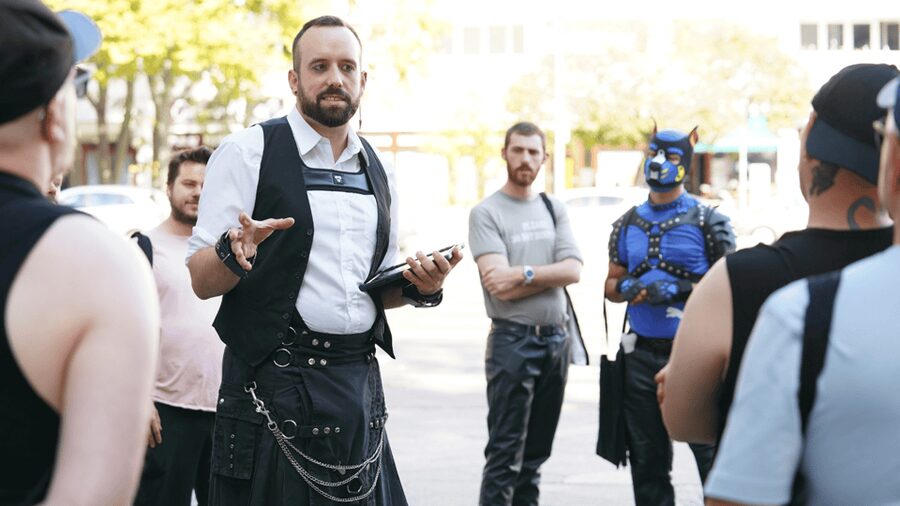
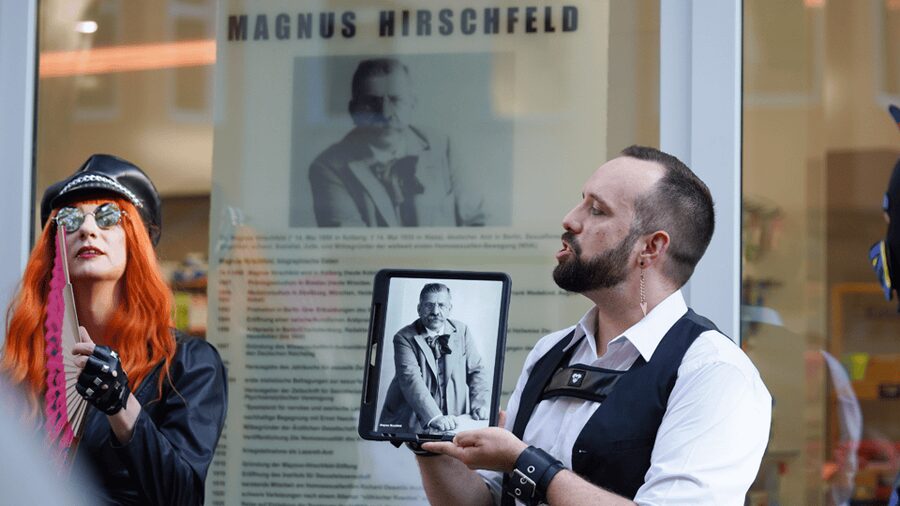
This tour’s main trick is also its best value: the storytelling isn’t only spoken. You get a multimedia experience built around 200+ archival photos, videos, and rare audio clips, plus personal quotes tied to the themes on the route.
Here’s why that matters for you. When you’re dealing with LGBTQIA+ history across eras, names and dates can blur fast. Visuals and sound make it easier to remember what happened—and how people sounded, dressed, argued, and lived. It turns abstract history into something your brain can actually hold onto.
Then come the interactive parts:
- quiz questions that test what you just heard (and keep your attention from drifting)
- AR scenes that add digital recreations to the street setting
- Mixies AR selfies, so your memory isn’t just in your head—it’s in your camera roll
Also, the tour includes videos with subtitles in German, English, or both. If you rely on subtitles or prefer them, that’s a real quality-of-life detail.
The 3-hour route from Ulrichs street to Nollendorfplatz
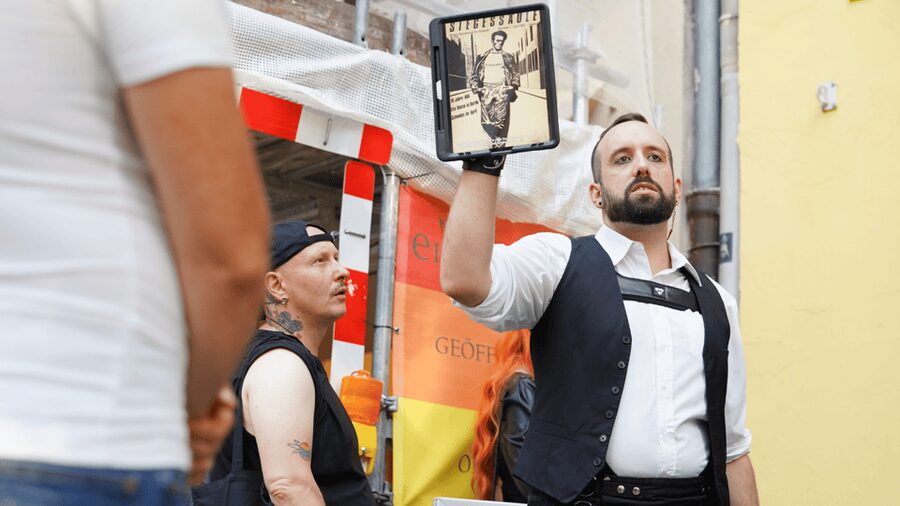
You start at Alnatura Super Natur Markt (Else-Lasker-Schüler-Straße 18), then move through a string of stops that anchor the walk’s themes in specific Berlin streets and landmarks. The pacing is guided and broken into short segments—so you’re not stuck listening for 90 minutes straight with nothing changing.
Early on, the tour sets the stage with Karl Heinrich Ulrichs and Magnus Hirschfeld, positioning Berlin as a birthplace of modern LGBTQIA+ organizing. If you want to understand how the movement grew from early identity language into political activism, this opening is the right place to start.
As you continue, you’ll move through areas connected with the city’s later queer nightlife and community life. Stops along Schwerinstraße, Nollendorfstraße, and toward Nollendorfplatz help keep the timeline moving, so that 1920s nightlife culture doesn’t feel like a separate museum wing from today’s club scene.
You also visit multiple recognizable points along the way, including Magnus-Apotheke, Prinz Eisenherz, Connection Club, Internationale Stele GEGEN DAS VERGESSEN, and Metropol. Even when the stop itself is brief, the guide uses it as a cue to connect themes: queer community spaces, feminist movements, Nazi-era crackdowns, and the long push for visibility after.
One practical thing: it ends at Nollendorfplatz. That matters because it makes it easier to keep going afterward—grab food nearby, hop onto transit, or simply decompress without having to retrace the entire route.
Trans history gets concrete, not vague
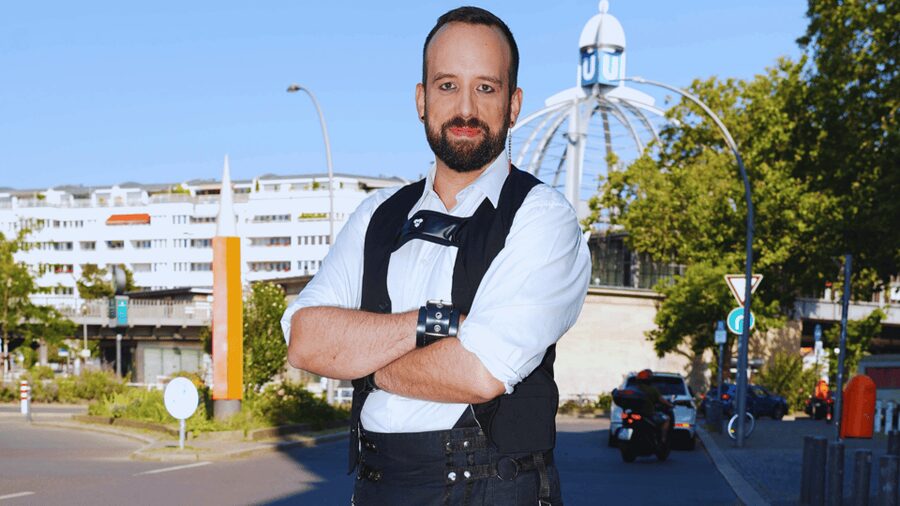
If you care about trans history, this is one of the strongest reasons to book. The tour doesn’t just say trans identity existed—it specifically describes the world’s first trans identities and gender-affirming surgeries, plus how trans people navigated life with “transvestite certificates.”
It also covers how the Nazi regime tried to erase this history. That combination—early documentation and then forced disappearance—can feel brutal. But it’s also important, because it shows why archives, photos, recordings, and oral memory matter so much for LGBTQIA+ communities. When systems destroy records, storytelling becomes survival.
The most useful takeaway for you is framing. Instead of treating trans history as an afterthought, the guide makes it part of the same continuous story as broader LGBTQIA+ resistance and nightlife culture. It’s not a side chapter; it’s integrated.
Nazis, resistance, and what survived
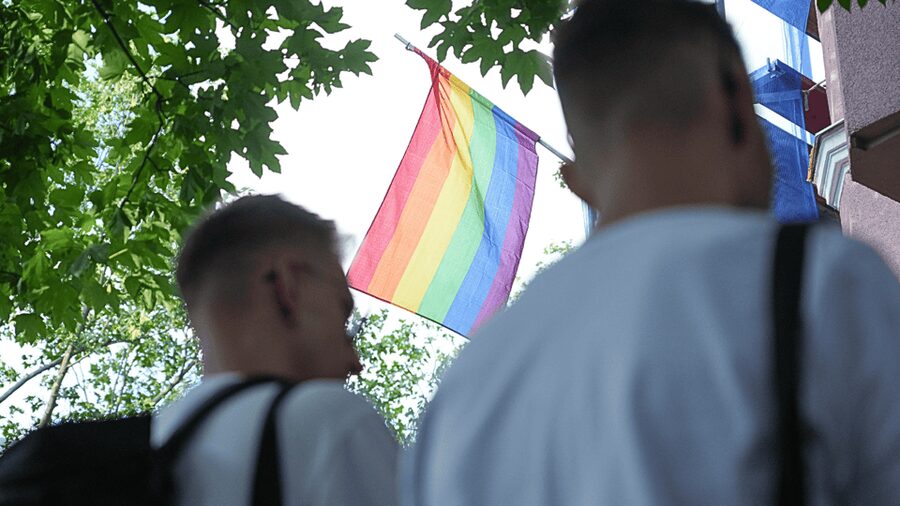
Berlin’s LGBTQIA+ story under the Nazis is covered directly. You’ll hear about Hitler’s contradictory stance on homosexuality, the persecution of queer people in concentration camps, and how queer resistance continued even when the danger was extreme.
This is also where content warnings are not just legal text—they’re a real heads-up for your day. The tour includes discussions of antisemitism, racism, homophobia, transphobia, and queerphobia, plus references to (mass) murder and sexualized violence. It may include mentions of nudity, poverty, sex, sexism, sexual abuse, and suicide.
So I’ll phrase it plainly: if you’re sensitive to trauma topics or you prefer lighter history, this might not be the right fit. If you can handle it, the payoff is that you’ll leave with a clearer sense of the stakes—how public life was controlled, how community survival depended on risky choices, and why modern activism has an urgent memory.

Lesbian nightlife and feminist movements in 1920s Berlin
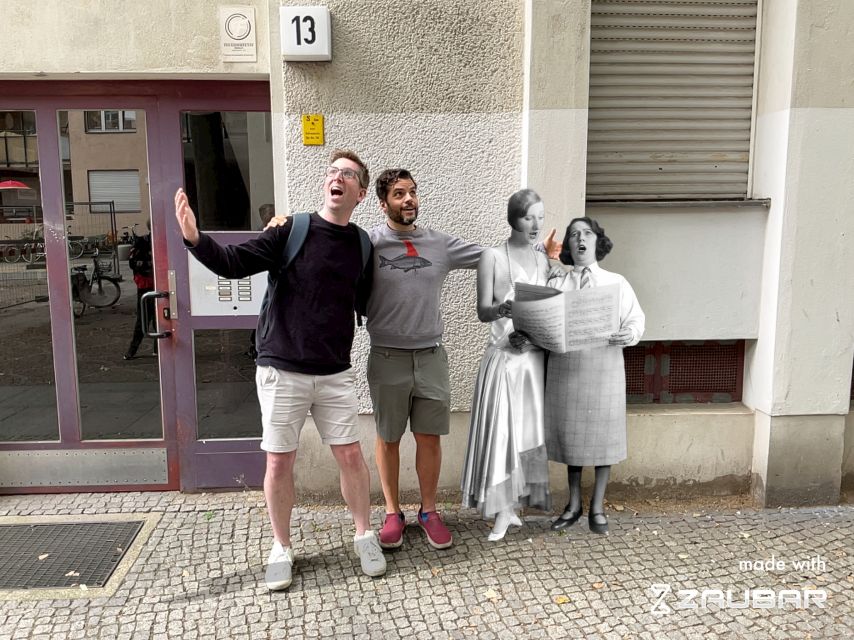
The tour spends real time on lesbian nightlife and feminist movements, taking you into the world of 1920s Berlin cabarets and bars where queer women built community and resistance.
You’ll hear about icons including Claire Waldoff, Marlene Dietrich, and Josephine Baker. The guide connects the cultural scene—song, performance, public presence—to activism and after-the-crackdown survival. That’s a useful lens: nightlife isn’t only entertainment. It’s social infrastructure.
What I like here is the balance of glamour and consequence. Berlin’s queer nightlife reputation has a famous, romantic side, but the tour links that reputation to organizing and to the risks people took. It helps you understand why certain places became symbols and why some cultural networks were targeted.
From AIDS activism to Pride-era influence and club culture
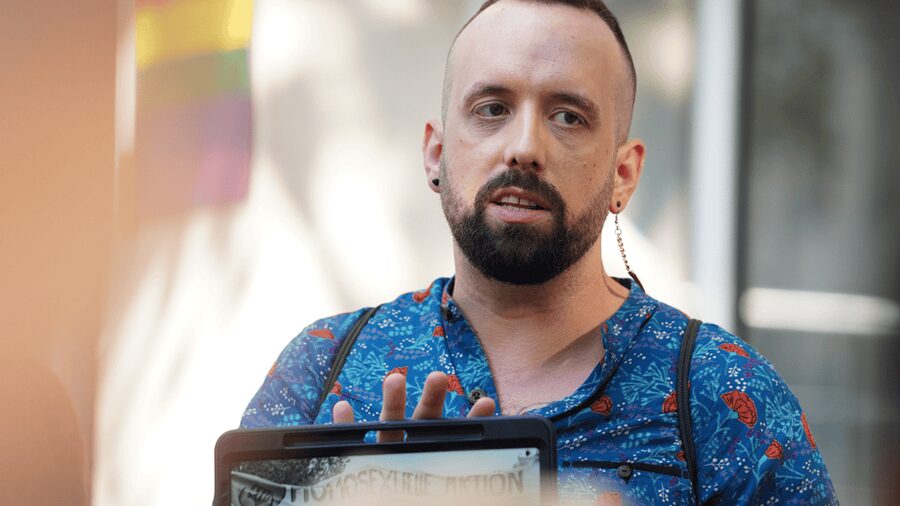
Another major thread is the fight during the HIV/AIDS crisis in divided Berlin. The tour explains how Berlin’s LGBTQIA+ community fought for survival during the crisis, including the role of SchwuZ nightclub as an activist hub. It also brings in a striking cultural reference: why the Berlin Wall was called the condom of the GDR.
Then it shifts to legacy—how LGBTQIA+ culture influenced global nightlife and Pride. The tour ties that influence to Berlin’s club scene from major names of the local era to today’s events, including Pride movements, Dyke March, and Folsom Europe.
You’ll also learn how nightlife became a kind of political language. Clubs and marches aren’t only for fun; they’re public proof that community exists, and that people can still gather despite the odds.
Price and value: what $81 buys you
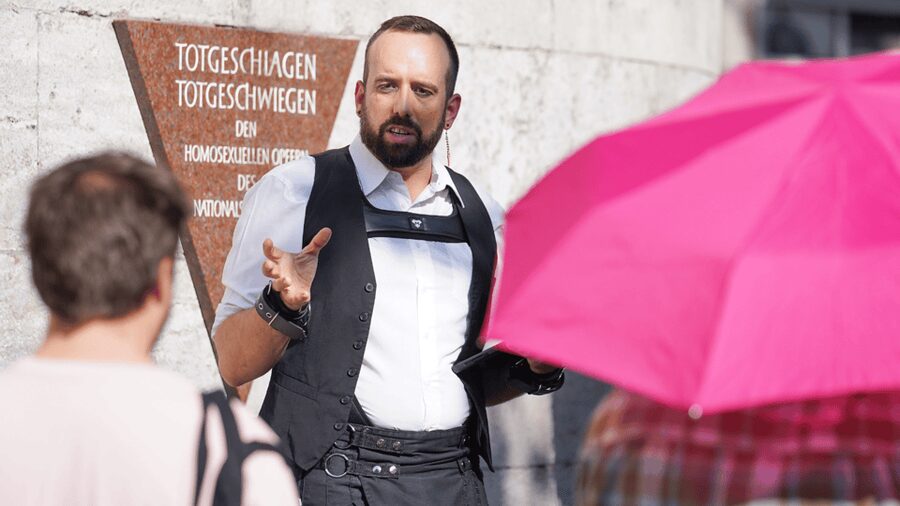
At $81 per person for 3 hours, this isn’t a cheap “quick walk” ticket. But the value is clear in the details you actually get:
- a small group (max 10), so interaction doesn’t vanish in a crowd
- 200+ archival assets (photos, videos, rare audio) used as part of the tour experience
- AR elements including personalized Mixies selfies and interactive AR scenes
- an English-speaking guide who is also an activist and gender scholar, using a structured storytelling method
If you’ve ever paid for a walking tour where the main content is just narration, this one feels more like a guided media experience on foot. The ticket price makes sense because you’re not just buying route coverage; you’re buying a carefully built timeline, plus production elements (AR, Mixies, archival media) that would be hard to replicate on your own.
Practical matters: what to wear, and how to handle the sensory side
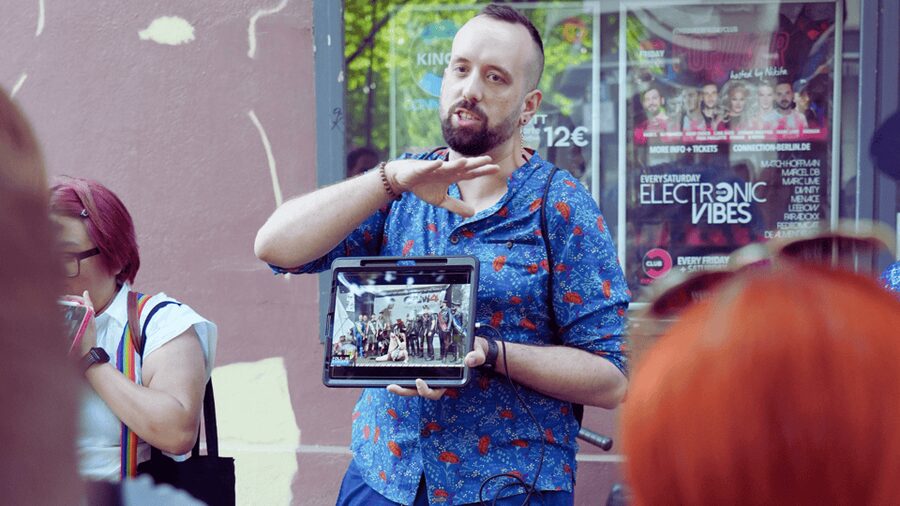
Plan for a comfortable walk. Wear weather-appropriate clothing and something you can move in. The tour is wheelchair accessible, but some paths can be bumpy, so if you use a chair, consider that when choosing footwear and route expectations.
Two other “don’t ignore this” notes:
- Some parts have high sensory input, like bright lights and loud noises (because of the multimedia elements).
- The tour includes sensitive and triggering historical topics, including Nazi Germany, HIV/AIDS, racism and sexualized racism, and sexual violence.
On the accessibility front, videos include subtitles in German/English, and for guests with visual disabilities, the guide can describe all visual materials. Accessible toilets are available upon request.
Who should book this tour
This tour is a strong match if you:
- want LGBTQIA+ and trans history that connects to real places in Berlin
- like learning through photos, audio, and AR, not just lecture-style explanation
- care about the relationship between identity, activism, and nightlife culture
- want a guide who approaches the topic with care and inclusion (Jeff’s teaching style is described as inclusive and welcoming)
It’s also the right format for people who want something structured and interactive in a short time. Three hours goes by fast when there are quizzes, media prompts, and AR stops to reset your attention.
If you’re traveling with children, note that it’s not suitable for anyone under 18. And if you know you’re easily overwhelmed by discussions of persecution, violence, and sex-related topics, take the content notes seriously before you commit.
Should you book this tour?
If you’re excited by Berlin’s LGBTQIA+ and trans history—and you’re okay with tough chapters—you should book. The biggest reason is the mix of street-level storytelling plus archival media and AR, which makes the timeline feel more real than a normal walking tour.
Book it especially if you want a guide to connect early pioneers like Karl Heinrich Ulrichs and Magnus Hirschfeld to later nightlife culture and modern Pride influence. That thread is the tour’s main power.
Skip it if you want a light, purely social walk, or if you’d rather avoid sensitive topics like Nazi persecution, HIV/AIDS, and sexual violence discussions.
FAQ
How long is the tour?
The tour lasts 3 hours.
How many people are in the group?
It’s a small group limited to 10 participants.
Where do I meet for the tour?
You meet at Nollendorfplatz in front of Alnatura Super Natur Markt on Else-Lasker-Schüler-Straße 18.
What language is the tour in?
The tour is guided in English.
What’s included in the price?
It includes the guided walking tour led by a queer activist and gender scholar, AR elements, Mixies AR selfies, and 200+ rare historical photos, videos, and archival materials, plus insider tips on modern queer nightlife and events.
Is the tour wheelchair accessible?
Yes, the route is wheelchair accessible, though some paths may be bumpy. Accessible toilets are available upon request.
Does the tour include sensitive content?
Yes. The tour includes discussions that may be sensitive or triggering, including Nazi Germany and (mass) murder, homophobia and transphobia, antisemitism and racism, HIV/AIDS and the AIDS crisis, drugs, sex work, and sexual violence topics.
Is it suitable for children?
No. The tour is not suitable for children under 18.