REVIEW · UJI
Uji: UNESCO Heritage & Tea Ceremony Walking Tour
Book on GetYourGuide →Operated by TripGuru Japan · Bookable on GetYourGuide
Three hours in Uji feels like a reset. You’ll cover UNESCO Byodoin Temple, learn tea ritual at Taihoan, and finish with bridge views and snacks.
I especially like the small group feel and the way the guide ties places together, from temple carvings to Shinto-style shrines. The tea ceremony is the other big win: calm instruction, proper etiquette, and real tea-time culture you can’t get from just watching videos.
One consideration: during the tea ceremony, photos and video are prohibited, and the ceremony is conducted in Japanese (your guide translates).
In This Review
- Key highlights to look forward to
- Getting oriented: Uji Station, a tight group, and a smooth walking pace
- Byodoin Temple: seeing UNESCO architecture with time to understand it
- Taihoan tea ceremony: peaceful ritual with real rules (and no phone)
- Tachibara and Asagiri suspension bridges: quick walking, big views
- Uji Shrine and Ujigami Shrine: Shinto-style meaning without getting lost
- Uji Bridge and snack time: matcha and sweets to end on a happy note
- Price and value: why $66 works better than it looks
- What’s included (and what to plan for yourself)
- Guide quality: why different names still point to the same standard
- Who should book this Uji tour (and who should skip it)
- Should you book Uji: UNESCO Heritage & Tea Ceremony Walking Tour?
- FAQ
- Where does the tour start?
- How long is the tour?
- What’s included in the price?
- What is not included?
- Is it okay to take photos or video during the tea ceremony?
- Is the tea ceremony conducted in English?
- What should I bring?
Key highlights to look forward to
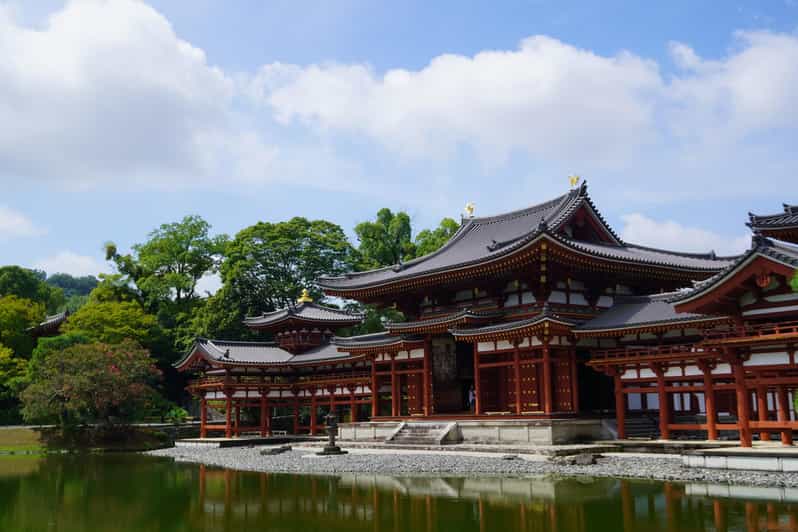
- UNESCO Byodoin Temple guided visit with about 50 minutes on-site
- Taihoan tea ceremony where you’ll follow the ritual with translation
- Tachibara and Asagiri suspension bridges for photo-worthy views over Uji
- Uji Shrine and Ujigami Shrine with guided context on cultural meaning
- Uji Bridge finish plus local snacks centered on green tea and sweets
- Max 9 people for a tour pace that doesn’t feel like a stampede
Getting oriented: Uji Station, a tight group, and a smooth walking pace
Your tour starts at JR Uji Station (South Exit), with your guide waiting in a TripGuru shirt or holding a TripGuru sign. Arrive about 10 minutes early so you’re not stressed right when you’re about to start walking and switching directions.
The group is limited to 9 participants, which changes everything. You’ll actually hear the guide over the walking noise, and you can ask small questions without waiting your turn for ten minutes. It also helps the day feel like a guided walk with stops, not a conveyor belt.
One practical point: the schedule assumes travel time, but the info specifically flags heavy morning traffic that can differ a lot from navigation apps. If you’re starting somewhere else before you reach Uji Station, give yourself extra buffer so you arrive calm, not sprinting.
You can also read our reviews of more walking tours in Uji
Byodoin Temple: seeing UNESCO architecture with time to understand it
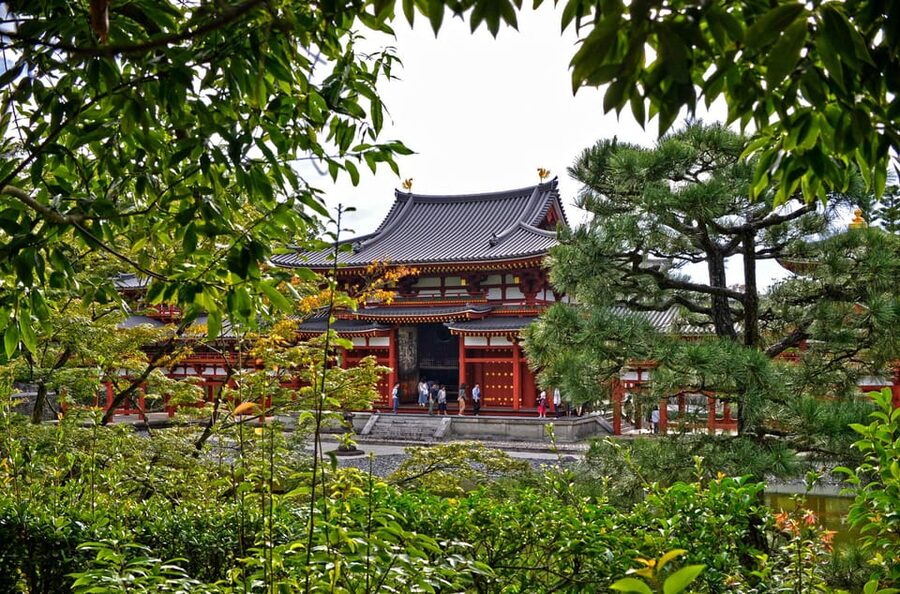
Byodoin Temple (Byodoin) is the big UNESCO anchor of this tour, and you’ll spend about 50 minutes there with a guide. This is the part where a guided approach pays off, because the temple isn’t just a pretty set of buildings—you’ll understand what you’re looking at: style, purpose, and the cultural weight behind the site.
A good chunk of the visit happens while your group is still fresh and focused. That matters because Byodoin can be one of those places where, without guidance, you end up taking photos and moving on. With time set aside for a guided walkthrough, you get the chance to slow down, notice details, and connect them to what the guide explains.
What I like about this setup is the balance: you’re getting a “must-see” UNESCO stop, but the tour isn’t only temples and formal places. The rest of the day spreads out into tea ritual, bridges, shrines, and food so you don’t feel like you’re doing the same kind of sightseeing for three hours straight.
Taihoan tea ceremony: peaceful ritual with real rules (and no phone)
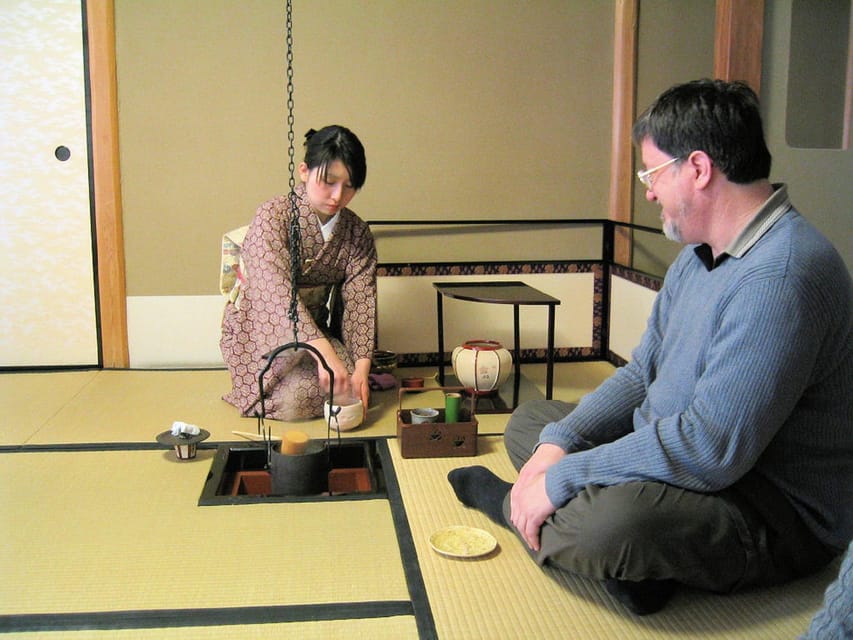
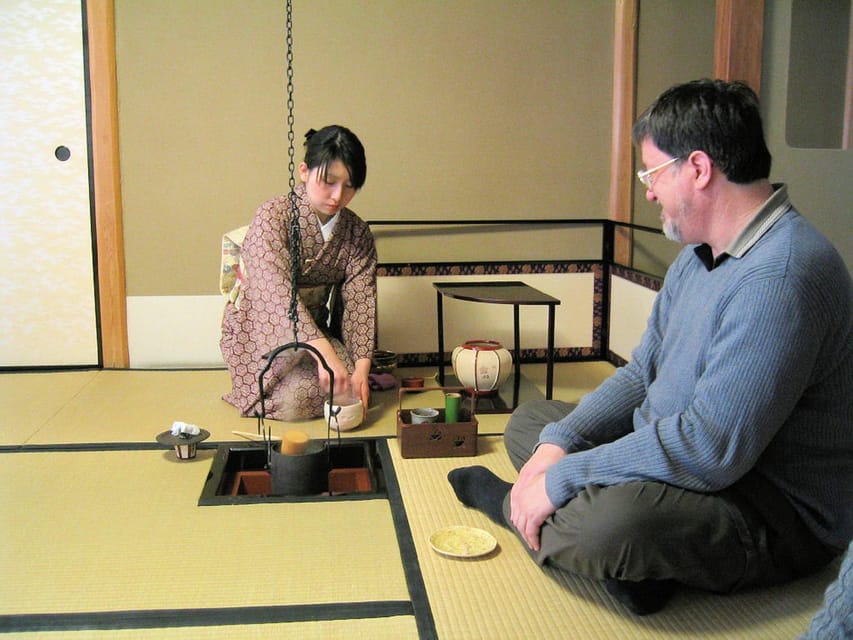
Taihoan is where the tour turns quiet. You’ll spend about 30 minutes inside the tea ceremony (part of a longer tea stop), and the goal isn’t just to watch. It’s to learn how the ritual is supposed to work—when to move, when to observe, and how the atmosphere is part of the experience.
Here’s the practical detail you should plan around: photo and video recording is prohibited during the tea ceremony. Bring your camera for other parts of the day, but treat the ceremony itself like a phone-free zone. Your best souvenir here is memory and attention.
Also, the ceremony is conducted in Japanese only, and your guide translates for you. Don’t worry that you’ll be “left out.” In fact, translation is what helps you follow the sequence and understand what each part means. It’s one of those moments where being in the room matters more than having every word—your guide makes sure you don’t miss the key points.
If you’ve ever wondered what makes tea culture more than drinking matcha, this is where the answer becomes practical: you’ll learn behavior and rhythm, not just trivia.
Tachibara and Asagiri suspension bridges: quick walking, big views
After the tea ceremony, you’ll do a short walk (about 10 minutes) and head toward two famous suspension bridges: Tachibara and Asagiri. This is a nice change of pace. You go from indoor quiet to open air, and the bridges give you viewpoints you wouldn’t get from the temple paths.
The tour puts these bridge crossings right after the tea stop, which I think is smart. Tea ceremonies reset your senses. Then you step into the scenery while your brain is ready to notice subtle shifts in light and river/hill views around Uji.
Why you’ll likely enjoy this section: bridges are straightforward to walk across, but the guide’s commentary makes you look at them with context. You’ll also get more chances for photos outside the ceremony.
Uji Shrine and Ujigami Shrine: Shinto-style meaning without getting lost
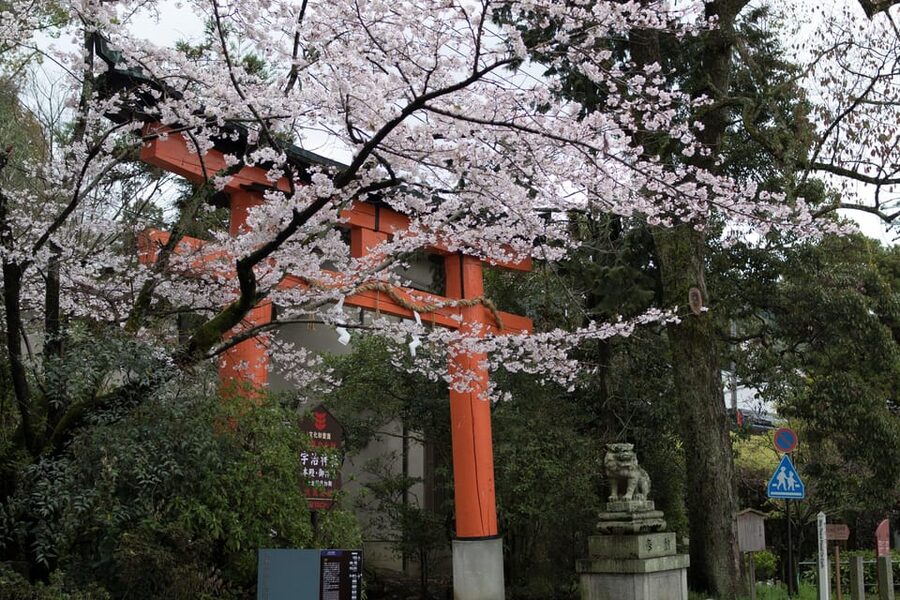
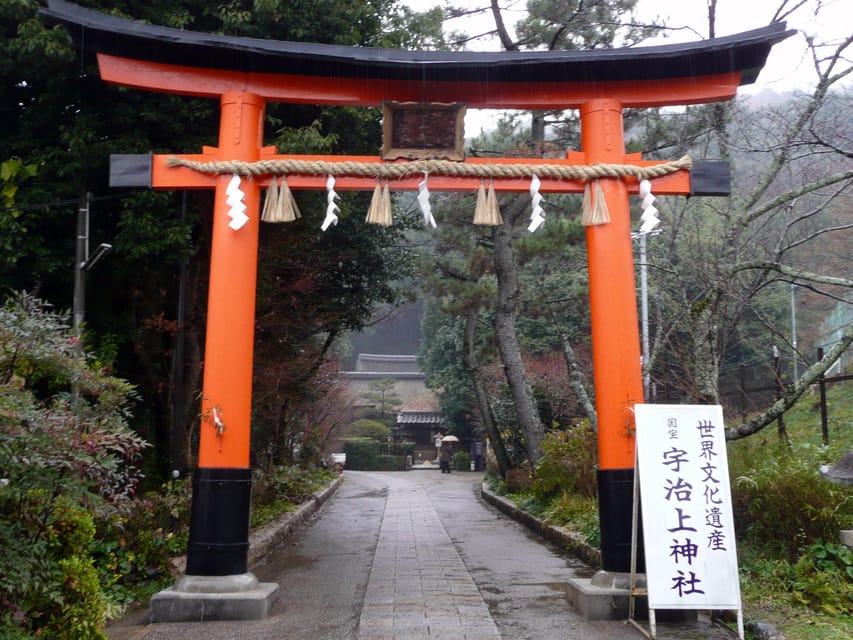
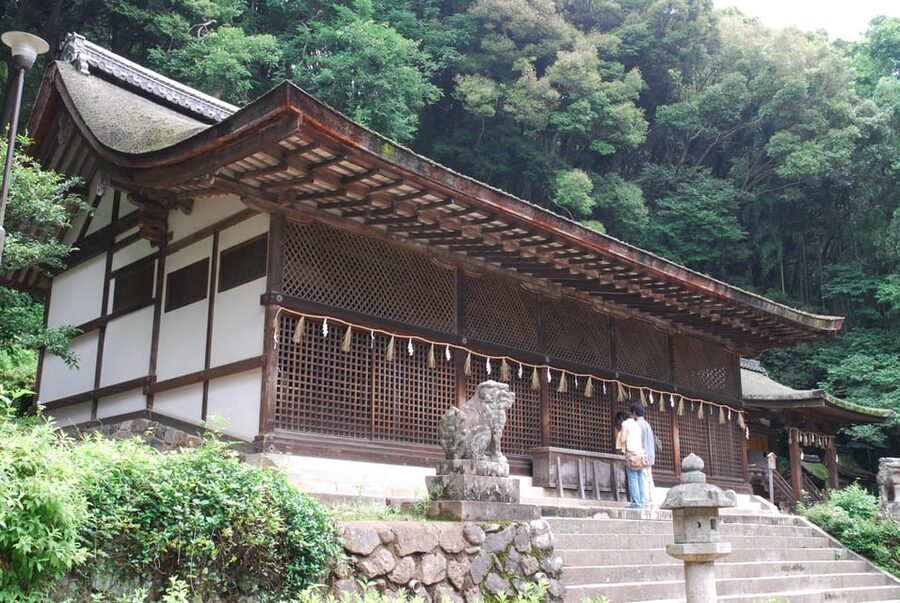
Next come the shrines: Uji Shrine and Ujigami Shrine, each with guided time (about 20 minutes each). This pairing is valuable because it gives you a fuller picture of how sacred spaces function in Uji. Temples often get the spotlight in Japan trips, but shrines are where you’ll see another side of the spiritual map.
Even if you already know some basics about Shinto and Buddhism, I like the approach here: you’re not just walking through gates. You’re getting guided context for why these places matter, and what to pay attention to when you’re standing there in person.
One practical thing: shrine areas can require you to follow site rules and move with the group. Wear shoes you trust. You’re not doing a long hike, but you are walking from stop to stop on uneven ground and paths.
You can also read our reviews of more historical tours in Uji
Uji Bridge and snack time: matcha and sweets to end on a happy note
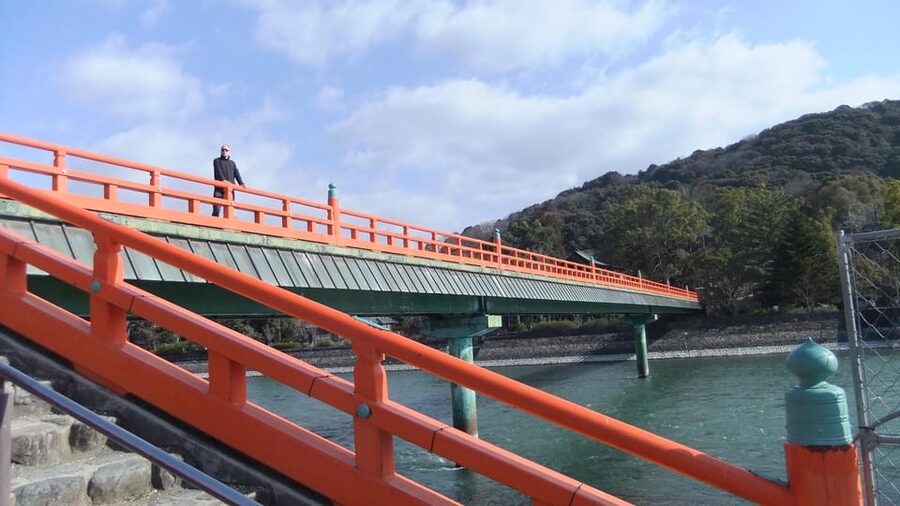
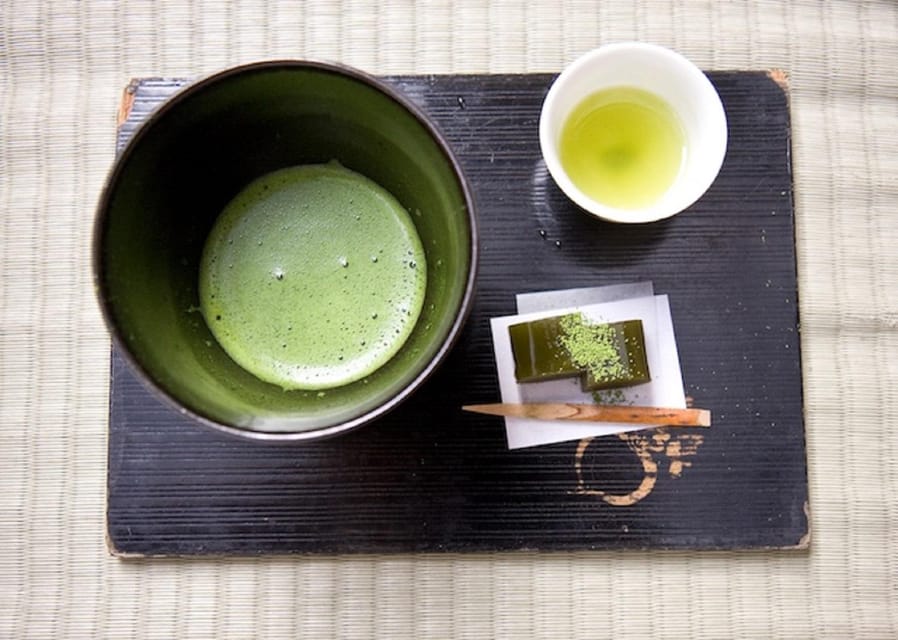
The tour finishes at Uji Bridge, and it also includes local snacks for about 40 minutes. This is where Uji’s reputation becomes concrete. You’ll taste local flavors tied to Uji green tea, and you’ll get culinary treats that match the day’s theme.
If tea culture is the main story you came for, snack time is the payoff. It’s also your chance to compare what you learned during the ceremony with what you experience in food form. Even if you’re not a matcha superfan, the tasting section is usually where Uji wins people over, because you can taste differences that generic matcha powders won’t explain.
I also appreciate that the tour doesn’t end on another formal stop. Finishing with the bridge plus snacks gives you a gentle landing: photos, a last look at the setting, and enough time to slow down before you head off on your own.
Price and value: why $66 works better than it looks
At $66 per person for about 3 hours, this tour is priced around three things that matter on the ground: an English-speaking guide, guided temple time (including entrance fees to Byodoin), and the tea ceremony component at Taihoan.
The value isn’t only about the money. It’s about how much friction the tour removes. You’re not trying to figure out where to stand, how the ceremony flows, or what the shrines and temple details mean while you’re juggling a map and your own pace. With a small group and timed stops, you get a structured day that still feels like walking through Uji, not rushing past it.
Also worth noting: tea ceremony conditions are real. Since photos and video are restricted and the ceremony is Japanese-only, having translation and guidance is part of what you’re paying for. If you like hands-on culture, this structure tends to feel like a fair trade.
What’s included (and what to plan for yourself)
Included:
- English speaking guide
- Entrance fees to Byodoin Temple
- Tea ceremony (about 30 minutes)
Not included:
- Personal expenses
- Hotel pick up and drop off
So, you’re covering most of the major “schedule locks.” You just need to handle your own spending beyond snacks and any extra purchases you want to make on matcha or souvenirs.
Bring cash as suggested, plus comfortable shoes and your camera (just plan for no recording during the tea ceremony). The shoe advice matters more than it sounds: bridges and shrine grounds are not always flat, and you’ll be happier if your feet can handle a steady walking rhythm.
Guide quality: why different names still point to the same standard

One of the best parts of this kind of tour is the guide’s ability to connect dots. I’ve seen multiple guides named across bookings—Yuko, Katsu/Katsuhiko, and Nobumasa Miyake (and also Miyake-san / Miya-san styles of reference). The common thread is that the guidance is practical: explanations that make the temple and shrines easier to read, plus thoughtful recommendations around tea and sweets.
For you, that means less guessing. You’ll leave with not just photos, but leads on what to try next if you want more matcha shopping or mochi later.
Who should book this Uji tour (and who should skip it)
This tour is a great fit if you want:
- A short, focused way to see Uji’s highlights in 3 hours
- UNESCO Byodoin, plus tea culture at Taihoan
- Bridges and shrines, not just one kind of sightseeing
- A small group pace (max 9)
It’s not a great fit if you:
- Need mobility support for walking or uneven areas
- Have medical constraints like heart problems or respiratory issues
- Are pregnant (the tour states it’s not suitable)
If you’re generally healthy and comfortable walking for a few hours, this is the kind of day trip that feels efficient but not rushed.
Should you book Uji: UNESCO Heritage & Tea Ceremony Walking Tour?
I’d book it if you like experiences that have structure and rules, especially when it comes to tea. The UNESCO temple visit plus tea ceremony plus bridges is a smart mix, and the small group size makes it feel personal without turning it into a private tour price.
Skip it if you’re picky about filming—because the tea ceremony is no-photo/no-video, and the ceremony happens in Japanese even though your guide translates key points. Also, if you want a lot of free time to wander without stopping, this format is more guided and timed than that.
If your goal is to understand Uji through temple, tea, and the calmer rhythm of shrines and bridges, this is a strong value way to do it.
FAQ
Where does the tour start?
The meeting point is JR Uji Station (South Exit). Your guide will be waiting there wearing a TripGuru shirt or holding a TripGuru sign.
How long is the tour?
The tour lasts 3 hours.
What’s included in the price?
The price includes an English speaking guide, entrance fees to Byodoin Temple, and a tea ceremony (about 30 minutes).
What is not included?
The tour does not include personal expenses, and it does not include hotel pick up and drop off.
Is it okay to take photos or video during the tea ceremony?
No. Photo and video recording is prohibited during the tea ceremony.
Is the tea ceremony conducted in English?
The tea ceremony is conducted in Japanese only, and your guide will translate for you.
What should I bring?
Bring comfortable shoes, a camera, and cash.