REVIEW · UJI
Uji Tea Ceremony and UNESCO Heritage Walking Tour
Book on Viator →Operated by TripGuru · Bookable on Viator
Uji feels like Kyoto’s quieter cousin, and this tour is a clean way in. You’ll hit Byodoin Temple and cross into tea culture at Taihoan, then connect the dots with shrines, bridges, and tastings in a tight 3 hours.
I especially like the two-part focus: first the UNESCO sights, then the living tradition of tea. The second thing I like is the small group feel, with a maximum of 9 people, which makes questions easier and photos less chaotic.
One consideration: the tea ceremony is scheduled as a short, guided experience. If you’re hoping for a long, slow sit-down with extra hands-on time, set your expectations to the time window you’ll get, and remember this is still a walking tour with multiple stops.
In This Review
- Key Highlights Worth Marking
- Why Uji Works for a Tea and Culture Day
- Getting Started at Uji Station and Ending at Uji Bridge
- Byodoin Temple: The UNESCO Stop That Sets the Tone
- Taihoan Tea Ceremony: Matcha at Its Birthplace
- Asagiri and Tachibara Suspension Bridges: Short Walk, Good Views
- Uji and Ujigami Shrines: Quiet History Without the Crowds
- Uji Bridge Finish: Green Tea and Local Food to Land the Trip
- Price and Value: Is $70 Fair for This 3-Hour Tour?
- Group Size and the Guide Factor (Why It Feels Personal)
- Timing Tips so You Don’t Feel Rushed
- Weather and Comfort: The Small Things That Matter
- Who Should Book This Tour in Uji?
- Should You Book This Uji Tea Ceremony and UNESCO Walking Tour?
- FAQ
- How long is the Uji Tea Ceremony and UNESCO Heritage Walking Tour?
- What is the price per person?
- Where do I meet the guide?
- Where does the tour end?
- What’s included in the tour price?
- Is the tea ceremony actually part of the tour?
- Do I pay entrance fees for Byodoin separately?
- Is pickup from hotels included?
- How big is the group?
- What happens if the weather is bad?
- Can I get a refund if I cancel?
Key Highlights Worth Marking
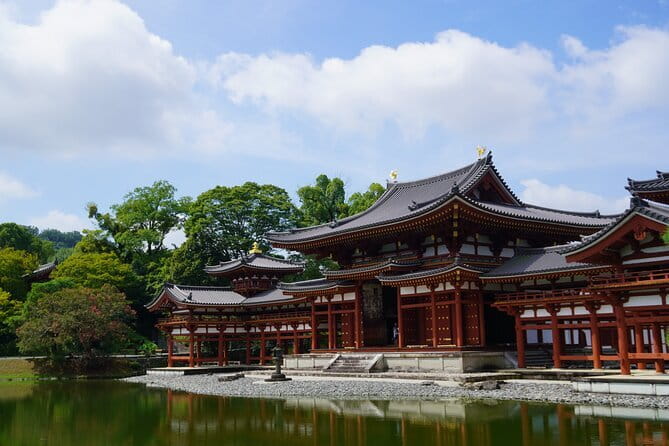
- UNESCO Byodoin Temple first with time to see the Phoenix Hall and the site’s museum area
- Taihoan tea ceremony at the birthplace of Japan’s green tea, with guided tea prep
- Scenic suspension bridges (Tachibara and Asagiri) for quick but photogenic views
- Historic shrines at Uji Shrine and Ujigami Shrine for a calmer pace between sights
- Uji Bridge tasting stop for green tea and local treats to close out the tour
- English-speaking guide who can explain what you’re seeing in plain language
Why Uji Works for a Tea and Culture Day
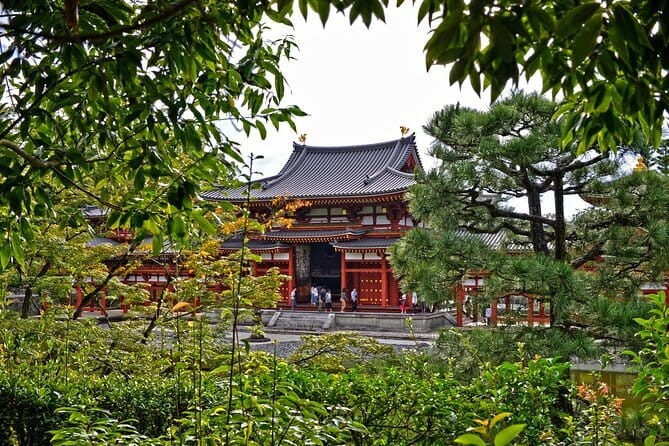
Uji is one of those places where the story isn’t locked behind glass. Tea isn’t just a souvenir here. It’s part of daily life, and the town’s layout makes it easy to move from temples to quiet shrine lanes to tea stops without a big commute.
This tour is smart because it uses the geography. You start in the temple zone, then work outward through tea-related history and sacred sites. Along the way, you get the visual rhythm of Uji: stone, water, and wooded edges that make even a short stroll feel like a real walk through the past.
And yes, there’s matcha at the end. But the tasting is the payoff, not the main act. The main act is learning why Uji matters, then seeing it with your own eyes.
You can also read our reviews of more walking tours in Uji
Getting Started at Uji Station and Ending at Uji Bridge
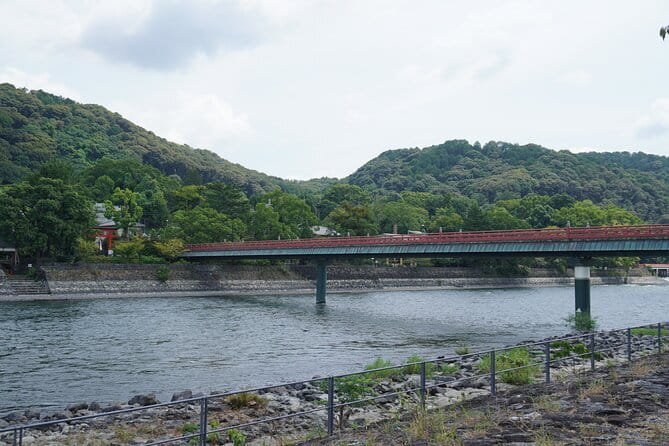
This is a classic point-to-point tour. You meet at Uji Station (address: 京都府宇治市宇治宇文字1716) at 9:45 am. You’ll finish at Uji Bridge / Otsukata Uji (611-0021, Kyoto).
The timing is built for a half-day that doesn’t overstay. Plan for around 3 hours total. With a maximum of 9 travelers, it’s paced like a walk with a guide, not a slow conveyor belt.
Two logistics notes that matter in practice:
- Hotel pickup/drop-off isn’t included. You’ll need to reach Uji Station on your own.
- It’s designed for most travelers, but you should still expect walking between stops. Wear shoes you’re comfortable in, especially if the weather is warm or a bit slippery.
There’s also mention of a mobile ticket, which is handy. You’re less likely to fumble around with printed vouchers at the wrong moment, particularly when you’re also trying to find the right entrance.
Byodoin Temple: The UNESCO Stop That Sets the Tone

The day begins at Byodoin Temple (Byodo-in), a UNESCO World Heritage Site. You’ll spend about 1 hour here, including admission.
The headline is the Phoenix Hall, a centerpiece with over 1,000 years of history. Even if you only catch a few key angles, you’ll understand why this place is famous. The architecture is the first lesson: this wasn’t built as a quick visit spot. It’s built to last, and it has that ceremonial weight.
What I like about starting here is that it gives you context before the tea. Byodoin Temple isn’t just a pretty temple stop. It’s a way to see how Japanese spirituality, art, and community life fed into traditions that eventually touched tea culture too.
A practical tip: Byodoin has more than one area worth noticing, and the experience can include the museum side. If you spot your guide pointing out details like symbolic features and the reasoning behind certain layouts, take the hint. Those explanations tend to make the building make sense fast.
If you’re taking photos, aim for a steady pace rather than rushing. You’ll want one or two clean shots, not 30 frantic ones. This stop is where your memory anchor should be.
Taihoan Tea Ceremony: Matcha at Its Birthplace
Next comes Taihoan, where the tour connects you to one of Uji’s core claims: this is the birthplace of Japan’s green tea. The scheduled time at Taihoan is listed as about 40 minutes, and the tea ceremony portion is listed as 30 minutes with admission included. In other words: you’ll have a real ceremony, but it’s not an all-day workshop.
This is one of the best parts of the tour because it teaches tea as a practice, not just a flavor. You’ll learn the basics of tea preparation in a traditional setting. You’ll also get a guide interpreting what you’re seeing, which helps you understand why people treat the ritual with respect rather than just drinking something good.
From the guide style praised in past experiences, you can also expect communication that stays friendly and clear. Several named guides on this experience have been highlighted for making history and culture feel understandable, not like a lecture you’d rather escape.
A small expectation check: since the ceremony portion is time-limited, don’t plan for long, extra practice time at the end. If you’re a true tea-nerd and want deeper, slower instruction, you might do best pairing this tour with a later tea shop visit. But for most people, this is a great first-hand introduction.
Asagiri and Tachibara Suspension Bridges: Short Walk, Good Views
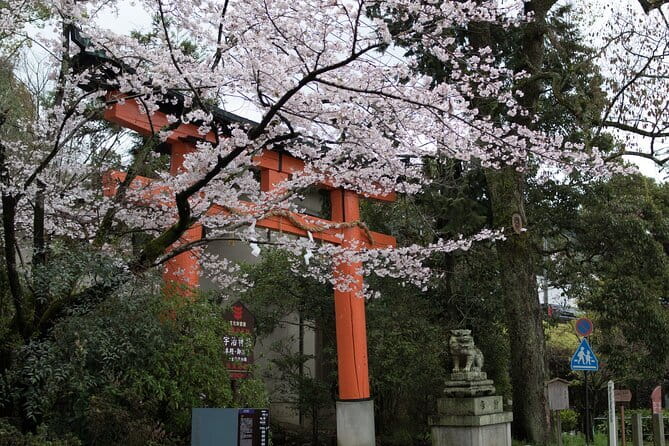
After Taihoan, you get a scenic reset with the Asagiri Bridge area, including Tachibara and Asagiri Suspension Bridges. You’ll have about 15 minutes here.
This is a “quick hit” stop, and that’s okay. The goal is not a long hike. It’s the payoff view of Uji’s landscape: water, bridge lines, and the feeling that the town is designed for walking and watching.
If you like photos, this is your moment for them. If you don’t, it’s still worth stepping out and looking up and around. Suspension bridges emphasize scale, and that’s one reason they’re so photogenic even on a short visit.
One practical consideration: with limited time, don’t lose your place. This stop is short by design, so keep your timing tight if you’re traveling with kids or if your group likes to take lots of pictures.
You can also read our reviews of more historical tours in Uji

Uji and Ujigami Shrines: Quiet History Without the Crowds
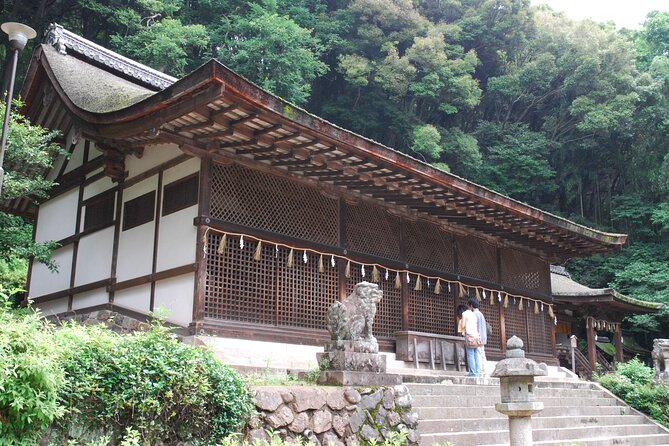
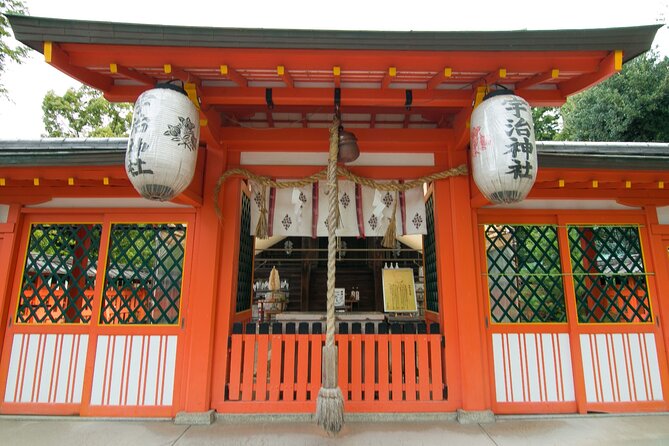
Then the tour moves into shrine territory with Ujikami Shrine listed at 20 minutes. In the overall experience flow, you’ll also see Uji Shrine and Ujigami Shrine.
Shrines change the tempo. After temples and tea, the shrine areas tend to feel calmer, and the spiritual atmosphere is part of the learning. If your guide shares why the shrines matter and what you’re meant to notice, that’s where the tour becomes more than sightseeing. It turns into a sense-making walk.
I like these shrine stops because they balance the day. You’re not only walking through big-ticket monuments. You’re also seeing how sacred spaces shape everyday routes in a place like Uji.
Also, these shrine stops are listed as admission free, so you’re not juggling extra ticket steps mid-tour. That matters on a schedule with multiple locations.
Uji Bridge Finish: Green Tea and Local Food to Land the Trip
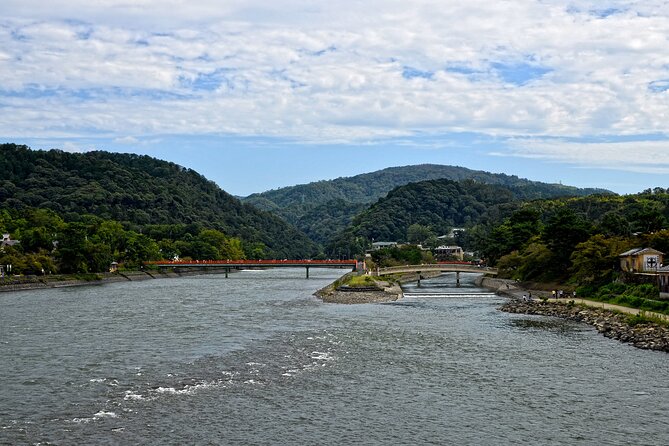
The last major stop is Uji Bridge with about 45 minutes set aside. This is where you’ll get the taste-based closing: Uji’s renowned green tea plus local delicacies.
This ending stop is important for two reasons:
- It gives you a break after walking.
- It helps you remember the tea ceremony by linking it to what you can buy and taste immediately after.
If you came for matcha, this is the moment to order based on what you learned earlier. If you came for history and temples, it still works because tea here functions like a cultural summary. You finish with something physical you can take away, not just images.
Also, the guide guidance can be useful here. In past experiences, guides have been praised for sharing matcha recommendations to visit after the tour. That kind of practical suggestion can help you spend your remaining time in Uji wisely rather than guessing.
If you’re sensitive to crowds, note that your time window is controlled by the tour schedule, but you still may be near pedestrian areas at the end. Plan to keep your pace steady and your group regrouping simple.
Price and Value: Is $70 Fair for This 3-Hour Tour?
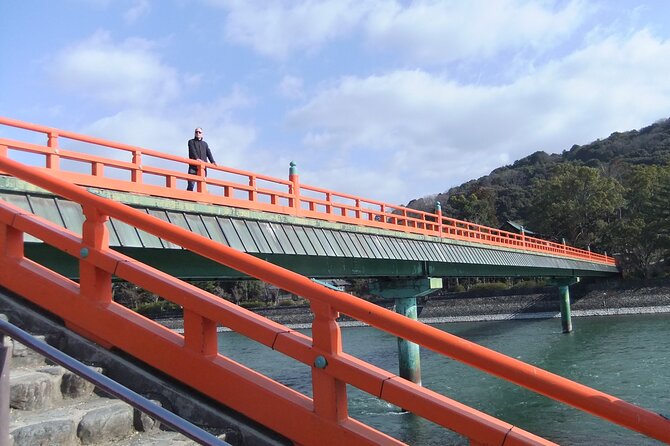
At $70 per person, this is not a bargain-basement walking tour. It also isn’t priced like a private driver day. So what are you actually buying?
You’re paying for a few high-value items that add up quickly if you did them alone:
- An English-speaking guide who ties the stops together, instead of you reading signs for three hours
- Entrance fees to Byodoin Temple included
- A tea ceremony at Taihoan with the ceremony time built in
- Group structure with a maximum of 9 travelers, which usually improves the quality of attention
When I look at tours like this, I mentally ask: could I piece it together myself without losing the story? In Uji, you could technically do parts on your own, but you’d likely spend extra time figuring out the sequence and what to prioritize. Here, the sequence is already designed, and the guide helps you notice what matters in each place.
So the price feels most fair if you want both: cultural context plus a real tea ceremony experience with less planning stress. If you only want tea and don’t care about temples and shrines, or if you’re already confident navigating Uji and want full independent time, you may decide to DIY.
Group Size and the Guide Factor (Why It Feels Personal)
The cap of 9 travelers is more than a number. It changes how the tour feels. In a small group, you get faster answers and fewer pauses where people drift apart.
It also helps your guide manage the pacing. Multiple named guides have earned praise for being friendly and for making explanations easy to follow, including guides such as Naoki, Nobumasa Myake, Katsuhiko, and Maru. That recurring theme matters: this isn’t a rigid script tour. It’s a guided walk that can adjust to the group’s energy.
If you’re traveling with kids, the tour’s time structure is also designed to keep things moving without making you feel rushed at every stop. You’re still doing a lot in three hours, but the stops are broken into manageable blocks.
Timing Tips so You Don’t Feel Rushed
Since the tour starts at 9:45 am, try to arrive a bit early at Uji Station. You’ll want a minute to find your guide and settle into the flow. Then you can enjoy the first UNESCO stop without starting the day stressed.
Use the following rhythm mindset:
- Byodoin Temple: take in the Phoenix Hall area and any museum points your guide highlights.
- Taihoan: focus on the ceremony portion, then relax once it’s done.
- Bridges and shrines: treat these as interludes for views and calm.
- Uji Bridge: use the final 45 minutes intentionally, taste what you want, and ask if you should try something specific.
If you tend to over-schedule on trips, this tour is a good one to center your morning around. It gives you a coherent Uji story before you head back toward Kyoto or your next stop.
Weather and Comfort: The Small Things That Matter
This experience requires good weather. If conditions are poor, you’ll be offered a different date or a full refund.
So check the forecast the night before. Even with good indoor coverage at Byodoin and Taihoan, bridges and outdoor walking are part of the plan. You’ll have a better time if the day is dry and comfortable.
Also, consider season. If you’re visiting during a time when Uji’s colors look especially good, you’ll benefit from the natural light and scenery at the bridge stop. The tour doesn’t change for seasons, but the view does.
Who Should Book This Tour in Uji?
Book it if you want:
- UNESCO + tea ceremony + scenic walks in one morning-length plan
- A guide who explains meaning, not just facts
- A manageable group size that makes it easier to ask questions
- A structured introduction to Uji before you explore on your own later
You might skip it if:
- You hate group tours or want a fully private, flexible itinerary
- You specifically want a long tea workshop with heavy hands-on practice time
- You don’t care about temples, shrines, or historical context and only want to eat and drink
For a lot of people based on what this tour is designed to deliver, it’s a great fit for first-time visitors to Uji who are staying around Kyoto and want something that feels distinctly local.
Should You Book This Uji Tea Ceremony and UNESCO Walking Tour?
If you’re weighing this versus a DIY day, I’d choose the tour when you want your time to feel guided and connected. For $70, you get the Byodoin entry, a real tea ceremony at Taihoan, and a walk that strings the story together from temples to bridges to tasting.
I’d especially recommend it if you want to learn without turning your day into a map-reading project. And if you show up on time with comfortable shoes, you’ll get a tidy, memorable Uji morning with a matcha payoff at the end.
FAQ
How long is the Uji Tea Ceremony and UNESCO Heritage Walking Tour?
It runs about 3 hours (approx.).
What is the price per person?
The price is $70.00 per person.
Where do I meet the guide?
You meet at Uji Station, 611-0021 京都府宇治市宇治宇文字1716. The tour starts at 9:45 am.
Where does the tour end?
It ends at Uji Bridge, Otsukata Uji, Kyoto 611-0021, Japan.
What’s included in the tour price?
Included are an English-speaking guide, the tea ceremony (listed as 30 minutes), and entrance fees to Byodoin.
Is the tea ceremony actually part of the tour?
Yes. You’ll attend a traditional Japanese tea ceremony at Taihoan, the birthplace of Japan’s green tea.
Do I pay entrance fees for Byodoin separately?
No. Entrance fees to Byodoin are included.
Is pickup from hotels included?
No. Hotel pickup and drop-off are not included.
How big is the group?
The tour has a maximum of 9 travelers.
What happens if the weather is bad?
The experience requires good weather. If it’s canceled due to poor weather, you’ll be offered a different date or a full refund.
Can I get a refund if I cancel?
Yes, you can cancel for a full refund up to 24 hours in advance of the experience start time.