REVIEW · PORT LOUIS
Unveiling the Ancient and Modern Port Louis – city tour
Book on GetYourGuide →Operated by Axies Travel · Bookable on GetYourGuide
Port Louis tells stories fast. This 2-hour walk gives you Aapravasi Ghat UNESCO context and then steers you through the city’s food and neighborhoods with an expert guide, often led by Alisha, who answers questions and keeps the pace friendly. I also like the built-in tasting (Dholl Puri, Alouda, or Tamarin juice) because it turns history into something you can actually taste. One possible drawback: if your priority is lingering quietly at Aapravasi Ghat, the visit order may put it earlier in the loop, so you may want to manage your time and expectations.
You’ll get a lot of Port Louis for the money by focusing on a tight cluster of sights: market streets, Chinatown, a waterfront stop at Caudan, and a quick look at the wall art fresque. The small group size (max 10) helps you ask real questions without feeling rushed, and the guide runs the tour in English or French. Bring water, wear comfy shoes, and expect a walking-first experience rather than a bus ride.
In This Review
- Key highlights at a glance
- Aapravasi Ghat: The anchor point of Port Louis
- Central Market: Where the city’s daily rhythm shows up
- Colonial architecture: Spot the old layers while walking
- Chinatown: Cultural mixing you can read in storefronts and habits
- Caudan Waterfront: Modern Port Louis along the water
- Wall art fresque: When street creativity becomes part of the story
- The included tasting: Dholl Puri, Alouda, or Tamarin juice
- Price and logistics: What $53 buys you
- Who should book this Port Louis city tour
- Should you book this tour?
- FAQ
- How long is the Port Louis city tour?
- What does the tour cost?
- What attractions are included in the tour?
- Is food tasting included?
- Do I get hotel pickup and drop-off?
- What languages is the guide available in?
- What should I bring?
- Is the tour wheelchair accessible?
- FAQ
- What’s the cancellation policy?
- Can I reserve now and pay later?
- Is lunch included?
Key highlights at a glance
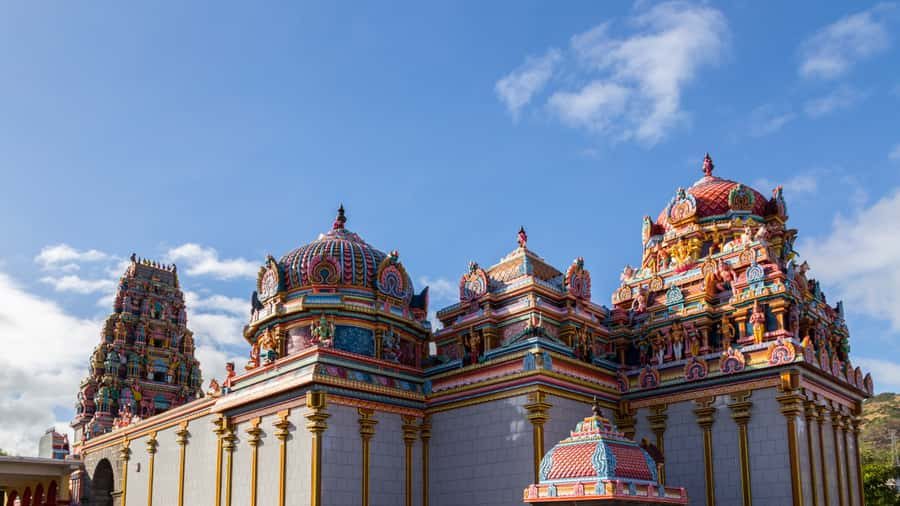
- Aapravasi Ghat (UNESCO): See where indentured labor history shaped the island’s cultural mix
- Central Market stops: Learn how everyday life connects to what you’re seeing on the street
- Chinatown on foot: Notice the cultural fusion through daily commerce and local routines
- Caudan Waterfront vibe: A modern waterfront pause with plenty to watch and photograph
- Wall art fresque: Get a quick snapshot of Port Louis street creativity, including anime-style pieces
- Food tasting: Try Dholl Puri, Alouda, or Tamarin juice as part of the route
Aapravasi Ghat: The anchor point of Port Louis
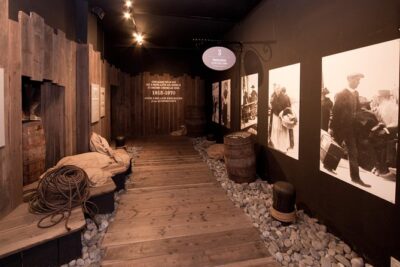
If you only have a short time in Port Louis, starting with Aapravasi Ghat makes the whole city make more sense. This UNESCO World Heritage site centers on the footsteps of indentured laborers—people whose arrival and work helped shape the cultural mosaic you still notice today in language, food habits, and community life.
What I like about this stop is that it’s not just a picture-and-leave site. A local expert guide ties the place to the wider story of Mauritius: the island shifted from colonial-era footing to the working city you see now. You’ll hear how Port Louis became a hub, and why these kinds of sites matter long after the buildings themselves do.
Practical note: this is a walking tour, so you’ll want comfortable shoes and a readiness to stand and look while the guide explains. Also, because one small scheduling issue came up—some people wish the order placed Aapravasi Ghat later—you should treat this as your priority stop. If you want extra time there, plan to arrive early to wherever your group starts and keep your camera accessible.
Central Market: Where the city’s daily rhythm shows up
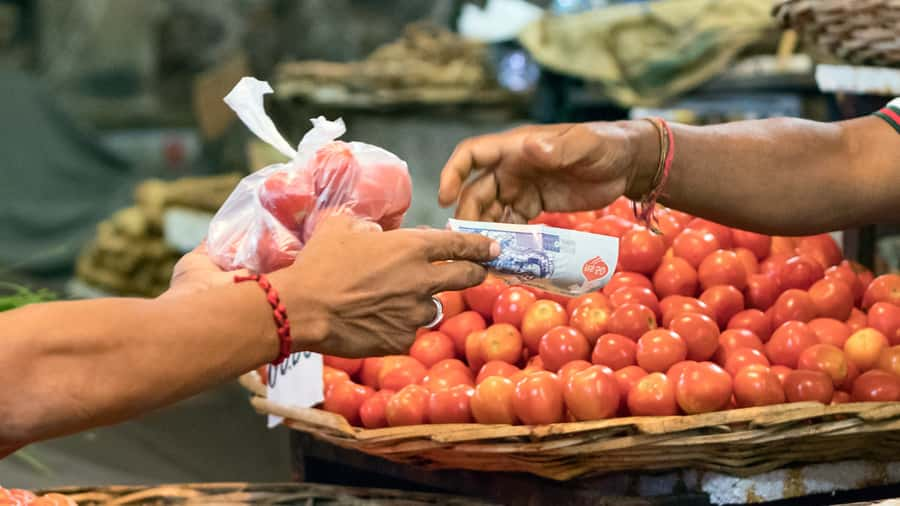
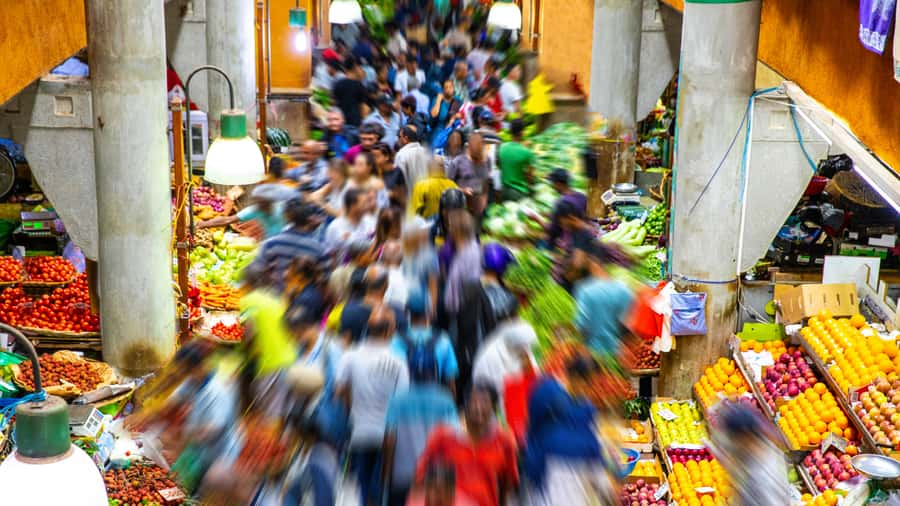
Next comes Central Market, and this is where the tour turns from historical context into street-level reality. You’ll move among colorful stalls and smell the mix of spices and prepared foods, then meet friendly vendors along the way. The guide uses the market as a storytelling tool, pointing out how different communities and cuisines connect in everyday life.
The best part here is the human side. In a short 2-hour format, you don’t get hours of wandering like you might on your own. Instead, you get quick, guided access to the energy of the place—plus a chance to ask questions about what you’re seeing and eating. This is also where the tour’s “fusion” theme becomes real. The route leans into Indian, African, and Chinese influences showing up side by side in the city’s food culture.
What to consider: markets can be crowded and loud. If you’re sensitive to noise or crowds, keep your pace steady and give your guide a heads-up early so they can keep you comfortable as the group moves.
Colonial architecture: Spot the old layers while walking
Port Louis doesn’t hide its past. As you walk through town, you’ll see colonial architecture—facades, street layout, and the overall feel of older buildings still standing in the middle of daily life. This matters because it gives you a visual timeline, not just facts.
I find it helpful when a guide frames these buildings as part of how the city functioned. Colonial structures weren’t built randomly; they reflect trade, administration, and power. When your guide explains the city’s evolution from colonial outpost to busy metropolis, those walls stop looking like decoration and start looking like evidence.
A good tip: slow down at corners. Colonial buildings often reveal details from the side—doorways, window shapes, and the way an entrance sits in relation to the street. You’ll get a better feel for the neighborhood if you pause for those small moments rather than only photographing from straight ahead.
Chinatown: Cultural mixing you can read in storefronts and habits
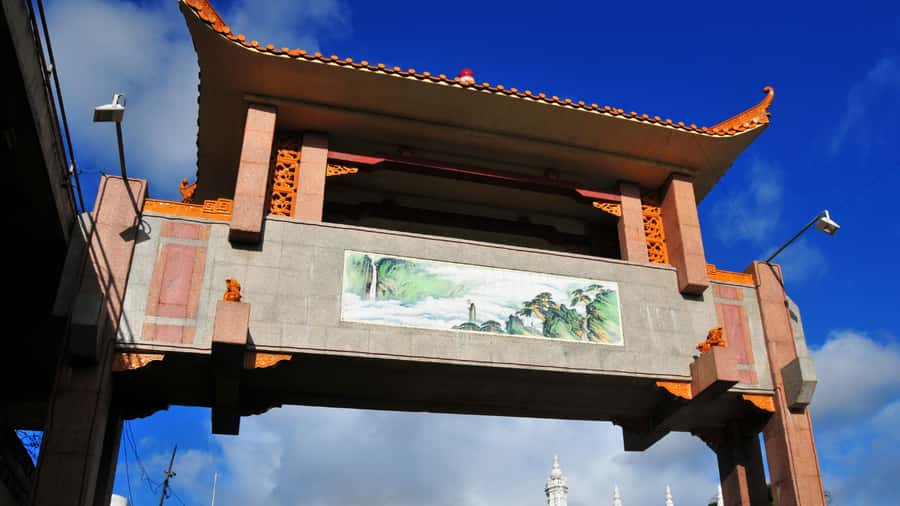
Chinatown in Port Louis isn’t presented as a theme park version of culture. The focus is on cultural fusion and real everyday encounters. As you move through the area with your guide, you’re not just looking at signs—you’re noticing how people trade, how shops operate, and how food culture overlaps.
This part of the tour works especially well if you like cities where cultures don’t feel separated by fences. Chinatown here feels like part of the city’s working fabric. The guide helps you connect it back to the bigger story: Mauritius as a place shaped by movement of people over time, with Port Louis acting as a meeting point.
What to watch: keep your senses open. Even if you don’t stop at every shop, you can learn a lot just by noticing what’s on display and how vendors communicate. If you’re the type who enjoys asking questions, this is where Alisha-style guidance pays off—she tends to answer and keep going until you understand what you’re looking at.
Caudan Waterfront: Modern Port Louis along the water
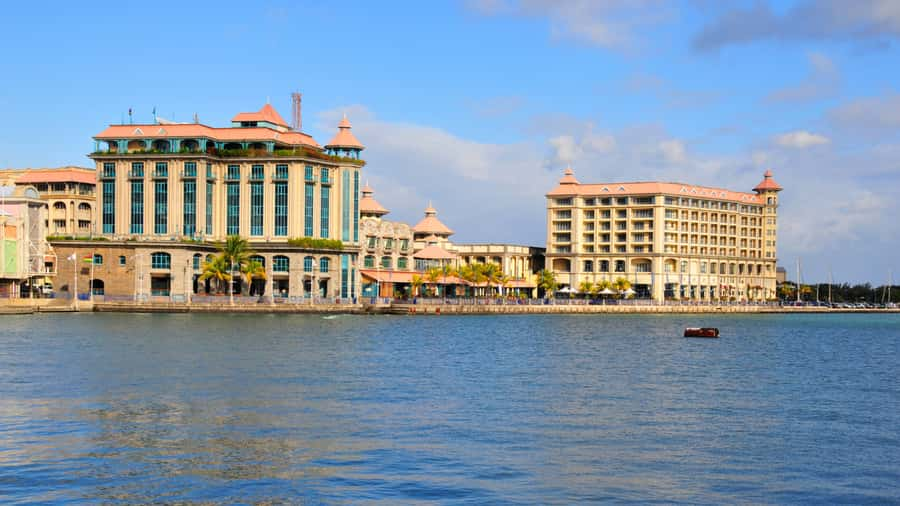
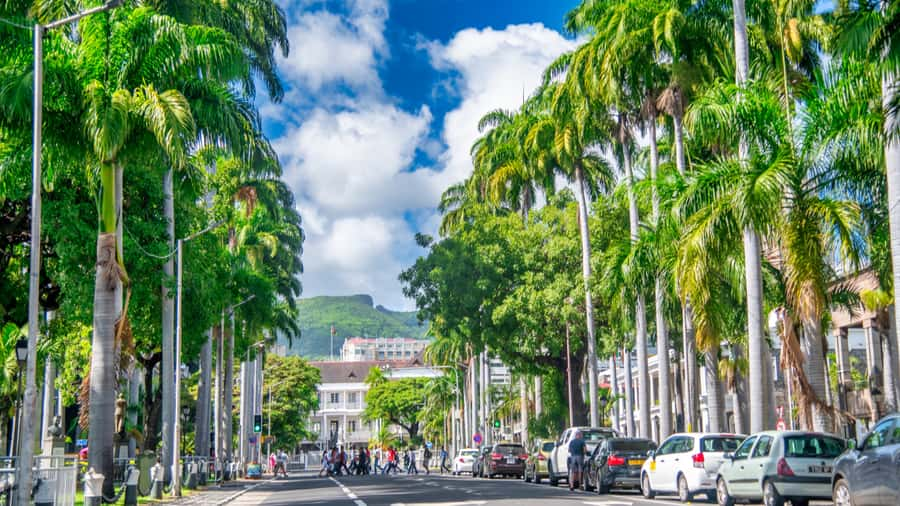
Then the route shifts to Caudan Waterfront, the modern counterpoint to the older city stops. This is your breather moment: you get a view of how Port Louis plays host to visitors and commerce now, not only how it operated in the past.
Think of Caudan Waterfront as a place to reset your eyes. After markets and historic sites, the waterfront gives you a wider sense of the city’s present-day layout. You’ll likely pause for photos and watch the movement around you—exactly the kind of “quick city vibe” stop that works well in a 2-hour tour.
Tip for getting the most out of it: keep your phone charged and your camera ready. Waterfront light changes fast, and you’ll want a few angles that show both people and architecture.
Wall art fresque: When street creativity becomes part of the story

A nice surprise on this route is the stop for a wall art fresque. One of the best details you can expect is that the guide points out anime-style wall art, which gives Port Louis a modern, playful layer you don’t always catch on standard history walks.
This stop is more than a photo moment. It shows how the city’s identity keeps evolving—through art, youth culture, and public expression. In a tour that moves between UNESCO heritage and market life, the fresque helps you understand that culture isn’t frozen in the past.
If you’re into street art, take a few extra seconds here. Look at the colors, read the expressions, and compare how the style feels compared to the older architectural surroundings. It’s a small stop that adds personality.
The included tasting: Dholl Puri, Alouda, or Tamarin juice
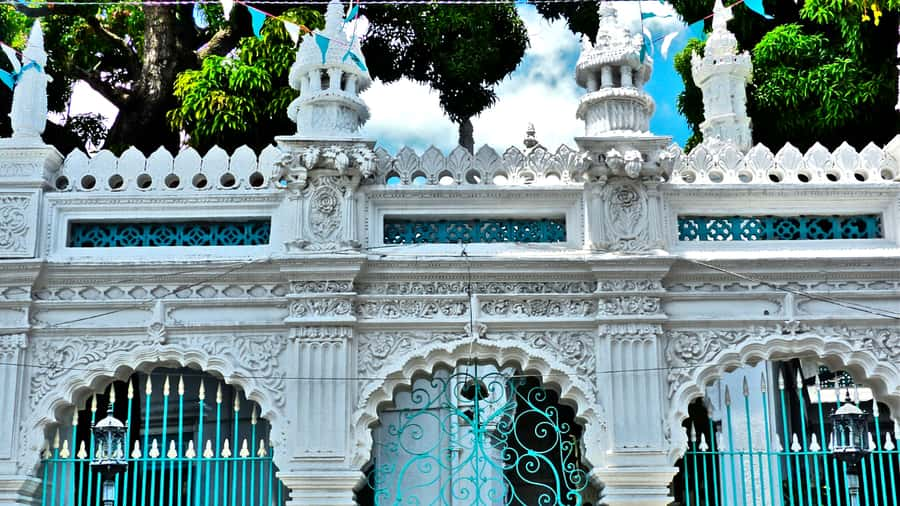
Food is built right into the experience, and I like that the tasting is part of the guide’s narrative instead of an afterthought. You’ll get a chance to try Dholl Puri, Alouda, or Tamarin juice as part of the walk.
This is the practical reason the tour delivers value: in two hours, you don’t just learn about culture—you sample it. If you’re short on time, the tasting helps you leave with a concrete memory, not just a list of stops.
What to do if you have dietary concerns: the tour data only specifies these tasting options, and lunch isn’t included. If you have restrictions, you may want to plan a light snack outside the tour so you’re not hunting for food afterward.
Price and logistics: What $53 buys you
At about $53 per person for a 2-hour guided loop, the value comes from the mix of stops you get in a short time: a UNESCO site, Central Market, Chinatown, Caudan Waterfront, wall art, and a food tasting—plus a live guide in English or French.
Here’s how I’d think about it:
- You’re paying for guided context at multiple levels (heritage, neighborhoods, modern waterfront).
- The guide and small-group limit matter because you can ask questions without being lost in a crowd.
- The included tasting helps justify part of the cost, especially if you’d otherwise spend time lining up for street food.
What you should budget for: hotel pickup and drop-off aren’t included, and lunch isn’t included. So you’ll want to plan how you’ll reach the starting point and what you’ll do for a meal after. Also, the tour is wheelchair accessible, but you’ll still be walking, so comfort gear and water are smart.
Good news for planning: free cancellation up to 24 hours in advance and a reserve-and-pay-later option can reduce the stress of syncing your Port Louis schedule.
Who should book this Port Louis city tour
This is a great choice if:
- you want a fast orientation to Port Louis in just 2 hours
- you like history tied to real streets and real food
- you appreciate small groups (up to 10) and Q&A with a guide
- you want a guide who can answer questions about Mauritius history and current life—something that came through strongly with Alisha
You might consider a different format if:
- you prefer long, independent wandering with no pacing
- you want a deeper museum-style history session rather than a street-and-sights overview
- you strongly dislike walking through busy market areas
Should you book this tour?
Yes, if your goal is to get your bearings fast and still leave with meaningful stops. The combination of Aapravasi Ghat, Central Market, Chinatown, and Caudan Waterfront gives you a balanced sweep of Port Louis—old and new, daily life and heritage, plus a food tasting to anchor it.
If you can only do one guided experience and you don’t have hours to plan a route yourself, this format makes sense. Just go in with the mindset that it’s a tight walk: wear comfy shoes, bring water, and treat Aapravasi Ghat as your main priority if you want extra time there.
FAQ
How long is the Port Louis city tour?
It runs for 2 hours.
What does the tour cost?
The price is $53 per person.
What attractions are included in the tour?
You’ll visit Aapravasi Ghat (UNESCO), Central Market, Caudan Waterfront, Chinatown, and you’ll also stop for a wall art fresque exploration.
Is food tasting included?
Yes. Food tasting includes Dholl Puri, Alouda, or Tamarin juice.
Do I get hotel pickup and drop-off?
No. Hotel pickup and drop-off are not included.
What languages is the guide available in?
The live guide speaks English and French.
What should I bring?
Bring water.
Is the tour wheelchair accessible?
Yes, the tour is wheelchair accessible.
FAQ
What’s the cancellation policy?
Free cancellation is available up to 24 hours in advance for a full refund.
Can I reserve now and pay later?
Yes. You can reserve now and pay later.
Is lunch included?
No, lunch is not included.