REVIEW · COBH
The Queenstown Story @ Cobh Heritage Centre , Great Stories of Emigration.
Book on Viator →Operated by Cobh Heritage Trust CLG · Bookable on Viator
A Victorian station turns into an emigration story. I love that you get skip-the-line entry into the Queenstown Story at the Cobh Heritage Centre, so you start fast instead of hunting around for where to stand. The museum is set inside a restored Victorian railway station on Deepwater Quay, and the timeline jumps across centuries of Irish departures.
What really won me over is how human the experience feels. I like the interactive way you can follow the story of a specific emigrant as you move through the exhibits, which makes heavy topics like the Great Famine hit closer to home. You also pick up the town’s links to major maritime history, including connections tied to Titanic and the Lusitania.
One possible drawback: it is largely self-paced. If you want someone to walk you through the meaning of every exhibit, you may have to supply that energy yourself as you read, listen, and watch.
In This Review
- Quick reasons this works in Cobh
- The Queenstown Story in Cobh: where the past starts
- Skip-the-line entry: why it matters in port
- Inside the Heritage Centre: what you actually do for 1 to 2 hours
- Stop: the Victorian station exhibition (your main event)
- Interactive touch that makes the story stick
- Genealogy support on site
- The Titanic and Lusitania connection: how it fits without taking over
- What to expect from the pace and tone
- Cafe, scones, and practical breaks
- Where it’s located (and why it’s handy for cruise days)
- Price and value: is €18.15-like admission worth it?
- Who should book this, and who might skip
- Should you book the Queenstown Story at Cobh Heritage Centre?
- FAQ
- How long does the Queenstown Story visit take?
- Is this tour guided or self-guided?
- What language is the experience in?
- Does the ticket include food or drinks?
- Does it help if I’m visiting from a cruise ship?
- Are there genealogy resources available inside?
Quick reasons this works in Cobh

- Skip-the-line admission means you can start right away, including if you are on a tight schedule in port
- A restored Victorian railway station sets the scene for Irish departures
- Interactive follow-a-person storytelling helps big history land on a personal level
- Great Famine + multiple emigration waves show why people left, not just where they went
- Maritime connections include Titanic and the Lusitania threads
- On-site genealogy help includes a genealogy consultant and access to Ancestry.com, plus you can test out Morse code
The Queenstown Story in Cobh: where the past starts
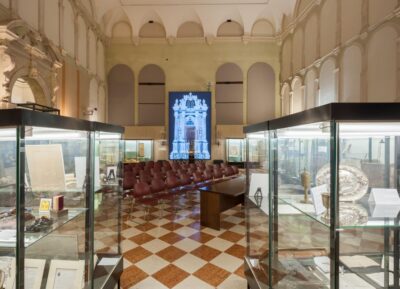
Cobh sits on the water, and this experience starts by letting you walk into history at ground level. You enter the Cobh Heritage Centre inside a beautifully restored Victorian railway station. It is the kind of building that makes you slow down just because the ceilings and the layout feel made for real travelers, not just museum visitors.
Once you’re inside, the story runs in order through time, starting with emigration going back centuries and then moving through later waves. The museum frames Cobh as a key Irish port town where emigrants set off for destinations such as the American colonies, the West Indies, and beyond. That chronological flow matters. It helps you connect the dots: why departures happened, what conditions pushed people out, and how the ocean became part of everyday life.
The value here is practical as well as emotional. You are not paying for a guided bus tour that has to keep a group together. You’re buying admission that gets you in without delay, and then you control your pace.
Skip-the-line entry: why it matters in port
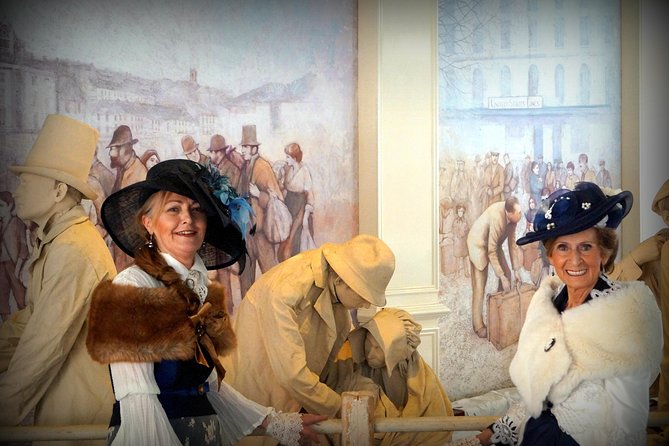
In Cobh, timing can be everything. Cruise schedules, train connections, and walking distances all shape what you can do in a day. This ticket gives you a guaranteed skip-the-line entry approach, so you can get through the front door quickly and start your visit.
That small detail adds up. Instead of spending your limited hours standing around, you use that time where it counts: in the exhibits. It is also nice that the visit is designed for independent exploration, so you can stop for what grabs you, then move on.
A helpful detail: the experience is set for a maximum of 40 travelers. Even if you do see other people, it tends to feel manageable inside rather than chaotic.
Inside the Heritage Centre: what you actually do for 1 to 2 hours
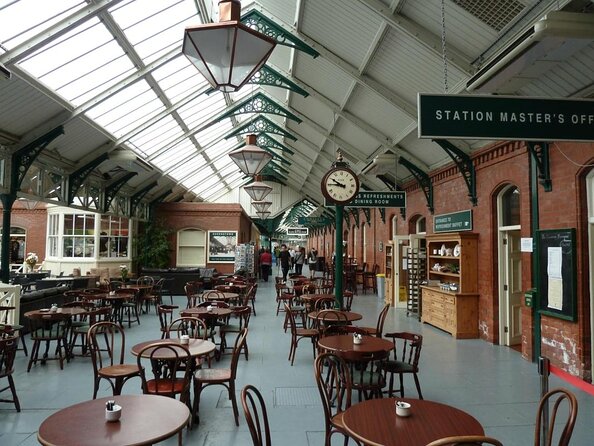
Think of this as one main stop: you enter the museum and work your way through the exhibition on your own. Most people plan on about 90 to 120 minutes, and you can usually stretch it if you find a few sections calling your name.
Here’s what the visit feels like in real terms.
Stop: the Victorian station exhibition (your main event)
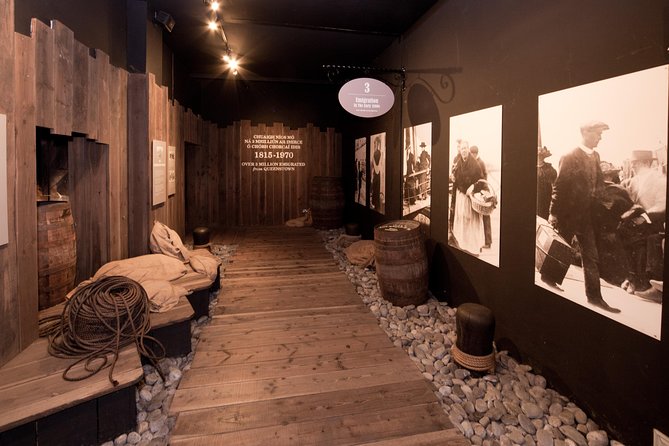
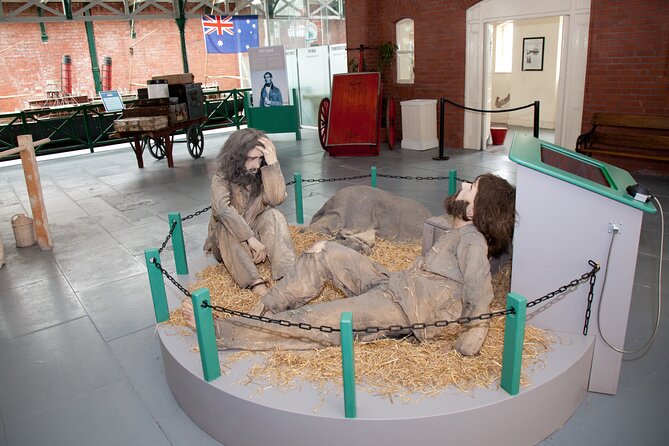
Your visit begins in the station spaces and the story starts in the 1600s. From there, the exhibits move along the timeline, showing different destinations and the shifting reasons behind emigration. You do not just get a list of facts. You get sections that build an emotional sense of what departure meant for families—what was left behind, and what hope or necessity looked like when you had to board a ship.
Two themes get special attention:
- The Great Famine context
You get clear focus on the famine and its impact, tying Irish suffering to the routes that emigrants took through Cobh.
- Cobh’s maritime connections
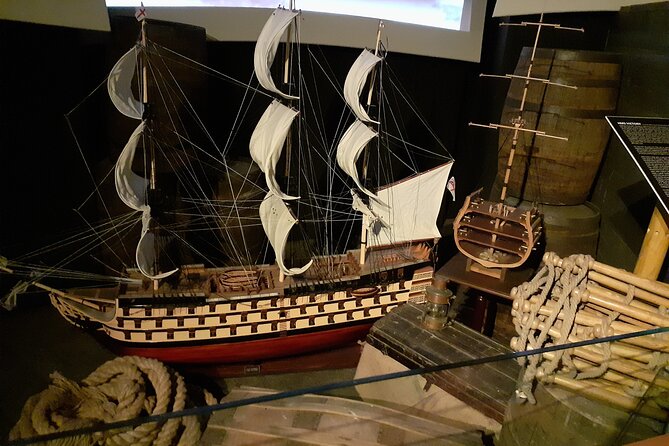
The museum connects the port town to wider sea history, including links to Titanic and the Lusitania. That’s a smart choice because many visitors arrive in Cobh already curious about famous ships, and the museum uses that curiosity to point you toward the bigger story of Irish emigration.
The exhibits also use multiple formats. You’ll find a mix of reading, listening, and watching, plus interactive moments. One example people enjoy is learning how to type Morse code. It’s not required for understanding the theme, but it adds a playful, hands-on break from the heavier sections.
Interactive touch that makes the story stick
One of the most praised parts is how the museum lets you follow the story of a named emigrant. You end up feeling like you’re stepping into the shoes of someone leaving Ireland, which makes the timeline feel less like a scroll and more like a lived journey.
That approach is great for a few different types of travelers. If you like history but struggle with dense rooms, this gives you a narrative anchor. If you are already interested in genealogy, it provides a pathway from your family story to the larger forces that shaped it.
Genealogy support on site
If family history is your thing, you’ll want to plan a little extra time. There is a genealogy consultant inside, and the museum offers access to Ancestry.com. I’m glad they include this because emigration museums can otherwise stay at the level of national history. Here, you can try to connect your questions to names, timelines, and records.
Even if you do not end up scheduling anything, knowing that support exists changes how you experience the exhibits. You walk in thinking about history, then you start thinking about your own lines and dates.
The Titanic and Lusitania connection: how it fits without taking over
Cobh is famous for ship connections, and the Queenstown Story doesn’t ignore that. But it uses the Titanic and the Lusitania threads in a way that supports the larger theme: Irish departures and what life looked like when ships carried both tragedy and opportunity.
That balance is one reason this works well. You don’t just get Titanic trivia. You get context that makes Cobh’s role feel larger than one ship. If you are visiting Cobh specifically because of a cruise stop or because you already visited a Titanic museum nearby, this is a strong add-on. It helps you connect the famous name to the human pattern underneath it: millions of people leaving Ireland and starting over.
What to expect from the pace and tone
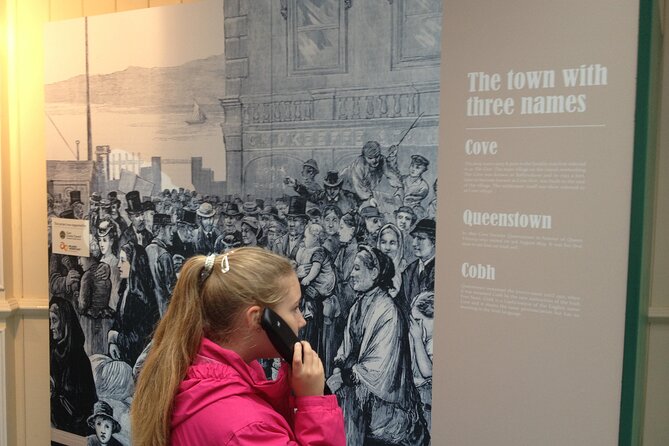
This museum is educational, but it’s also emotional. It does a good job of showing how many people left and how many did not return. You will see themes that can feel sad, especially around famine and the reality of families being pulled apart by distance and circumstance.
At the same time, the experience is not only heavy. You’ll find lighter breaks built into the visit, like the interactive Morse code moment and the fact that the museum includes gift shop time and a cafe right nearby.
If you’re visiting with kids, you might want to preview how sensitive the famine sections may be for your group. The museum is designed so most visitors can participate, and it is easy to find points of interest beyond the darkest topics, but the subject matter is real.
Cafe, scones, and practical breaks
Food and drinks are not included with the ticket. Still, plan on taking advantage of what’s around the Heritage Centre. People mention a cafe where you can grab an Irish scone with cream and jam and an excellent cuppa right before (or during) your museum time.
This matters because it helps you time the day. You can fuel up, enter refreshed, and then come back out when your head needs a breather. It also makes the whole experience more comfortable if you’re doing Cobh at a cruise pace.
Where it’s located (and why it’s handy for cruise days)
The meeting point is The Queenstown Story at the Cobh Heritage Centre, Deepwater Quay (Tel 021 4813591). It ends back at the starting point.
This location is easy to tie into a port day plan. It’s also close to other big attractions in town, including the Titanic museum area. That means you can build a simple walk: ship to Heritage Centre for your guided-free history time, then continue on to nearby sights along the waterfront.
From a logistics perspective, that is a big win. If you only have a few hours in Cobh, you want the option that minimizes commuting and maximizes time inside something that’s meaningful.
Price and value: is €18.15-like admission worth it?
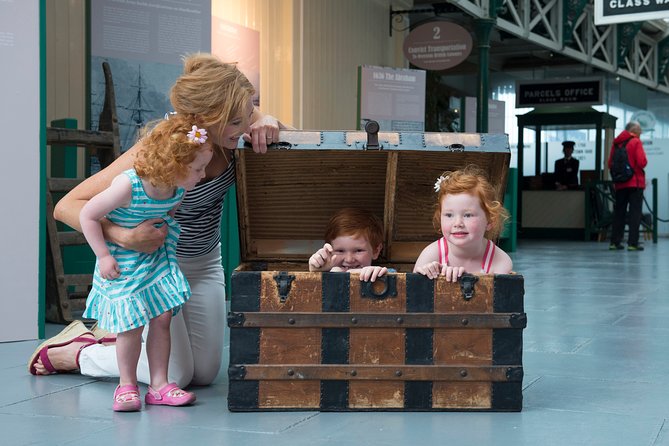
The listed price is $18.15 per person. For that, you get skip-the-line admission plus a museum experience that can easily fill 1 to 2 hours. You also get the benefit of a story that covers more than one narrow ship-focused angle. This is not just Titanic land; it’s Irish emigration history with the port at the center.
Where the value really shows is in flexibility. You can stay as long as you want and go back to sections on the same day. That means if you get pulled into a family-history corner—or if you want to linger over the visuals—you are not paying for a timed, stop-and-go group format.
And if you’re traveling in a small window, skip-the-line entry turns the museum into a high-efficiency stop.
Who should book this, and who might skip
I’d book this if you:
- want a focused museum stop that fits well into a port-day schedule
- like emigration history that goes beyond one famous ship
- enjoy interactive exhibits, including the follow-a-person concept and Morse code activity
- want a chance to explore genealogy support and Ancestry.com access on site
- appreciate learning in a self-paced way, where you can speed up or slow down
I might suggest you reconsider if you:
- hate self-guided museums and want constant narration
- need a very light, non-emotional visit, since the themes can be heavy
- need tight instruction for every exhibit to feel satisfied
Should you book the Queenstown Story at Cobh Heritage Centre?
If you’re in Cobh for a day, I think this is a strong booking. You get skip-the-line entry, a meaningful timeline of Irish emigration, and the kind of interactive, story-based approach that makes the Great Famine and maritime connections more than just names on panels. It also pairs well with other nearby waterfront sights.
If you can only do one “inside” experience, this is the one I’d choose for value. You’re not just buying entry. You’re buying time that can expand from 60 minutes into a deeper 90 to 120 minutes, plus the option to return to sections the same day.
FAQ
How long does the Queenstown Story visit take?
Plan on about 1 to 2 hours. Many people settle into the museum for around 90 to 120 minutes, depending on how much you want to read and explore.
Is this tour guided or self-guided?
It’s an independent, self-guided museum visit once you’re inside. The experience is set up for you to move through the exhibits at your own pace.
What language is the experience in?
The museum experience is offered in English.
Does the ticket include food or drinks?
No. Food and drinks are not included with the admission ticket, though there is a cafe on site.
Does it help if I’m visiting from a cruise ship?
Yes. It’s very convenient for port days because the Heritage Centre is close to the waterfront dock area, and you can get inside quickly with the skip-the-line entry.
Are there genealogy resources available inside?
There is a genealogy consultant inside and access to Ancestry.com is available, based on on-site offerings mentioned by visitors.
If you tell me your travel month and whether you’re arriving by cruise or from Cork by train, I can help you plug in a realistic time plan.