REVIEW · PUNE
Why Pune? : A Heritage Walk through Old Pune
Book on Viator →Operated by Dhruva Kalita · Bookable on Viator
Shaniwar Wada is the perfect warm-up. This is a guided heritage walk through old Pune that connects politics, religion, trade, and reform—not just sightseeing. You’ll cover about 2.2 km and 9 key landmarks in the dense city center, with a local guide who has run over 300 heritage walks and shares the Why behind the places.
Two things I really like: first, the route feels practical and human—real streets, real neighborhoods, and stops that explain how Pune grew from a hamlet into a major city. Second, the guide experience shows in the details, including clear English and frequent story-driven explanations of the sites, from Peshwa-era power to Ganesh worship and social change.
One possible drawback: Shaniwar Wada tickets aren’t included, so plan a little extra time and money for that first stop. Also, it’s a walking route through busy areas, so you’ll want comfortable footwear and a decent walking pace.
In This Review
- Why This Old Pune Walk Feels Like a Shortcut to the City
- The Small-Group Advantage with Guide Dhruva Kalita
- Key Highlights You’ll Actually Remember
- Starting at Shaniwar Wada: The Best First Page of Pune’s Story
- Lal Mahal Chitra and Chhatrapati Shivaji Maharaj’s Footprint
- Kasba Peth Ganpati Temple: Where the City Shows Its Daily Face
- Nana Wada and Rangari Ganpati: Politics in the Shape of Homes
- Bhide Wada and Social Reform: Education, Politics, and Real Change
- Pune’s Iconic Ganesh Temple Moment Between Wadas
- Tulshibaug Shri Ram Temple and the Market Route Through Old Streets
- Mahatma Jyotiba Phule Mandai: Colonial-Era Trade and the City’s Next Phase
- Price and Value: Why $16.84 Can Make Sense Here
- What to Expect on the Ground (Timing, Walking, and Practical Tips)
- Should You Book This Heritage Walk Through Old Pune?
- FAQ
- How long is the heritage walk?
- Where does the tour start and end?
- Is Shaniwar Wada admission included?
- What’s included in the price?
- What isn’t included?
- How big is the group?
- Do I need private transport to reach the start point?
- Is the guide okay for English speakers?
- What’s the cancellation window?
Why This Old Pune Walk Feels Like a Shortcut to the City
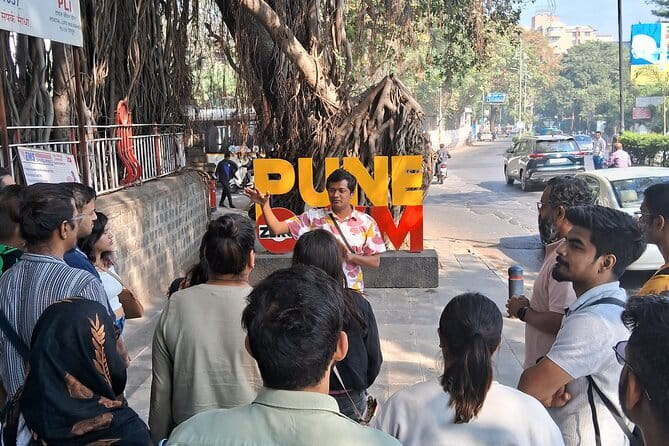
Pune can be confusing if you’re only using guidebooks. The big monuments are obvious, but the connections between them—who lived where, what people believed, and how the city organized power—can be harder to see. This walk is built to give you those links in a short time.
You’re not just ticking off temples and forts. You’re getting a guided thread: the Peshwa court begins the story, Ganesh shrines show daily religious life, Wadas explain shifting families and neighborhoods, and market stops show the city’s commercial side as it evolved. By the end, you’ll know what to look for the next day when you’re wandering on your own.
The Small-Group Advantage with Guide Dhruva Kalita
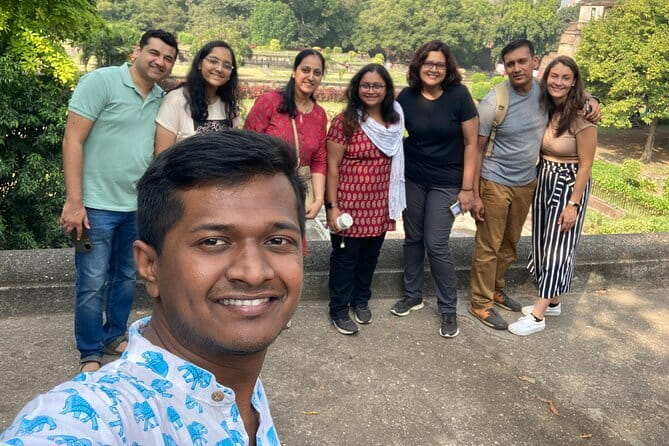
This experience runs in a group capped at 15 people, which matters more than you might think in crowded Old Pune streets. It makes it easier to pause at corners, ask questions, and actually hear the explanation instead of racing to the next stop.
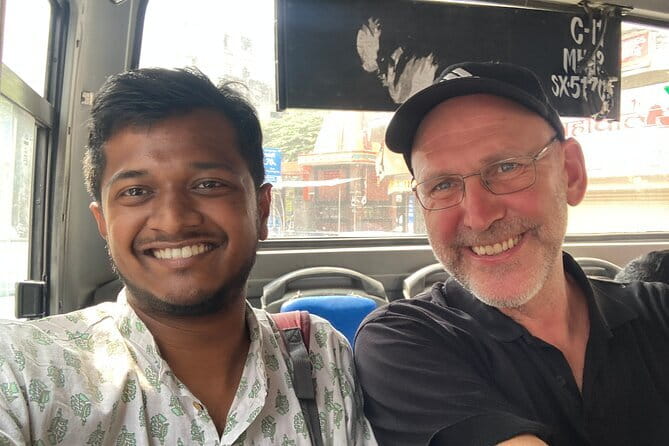
Your guide, Dhruva Kalita (often mentioned as Dhruv), leads from experience—over 300 heritage walks is the kind of track record that usually translates into smooth pacing and clear explanations. The reviews also emphasize good clear English, plus a friendly, helpful attitude that goes beyond the route when you need guidance.
You’ll also get snacks included, which is a small but smart touch on a 2.5- to 3.5-hour walk. It helps you keep energy up instead of turning your heritage walk into a hangry sprint.
Key Highlights You’ll Actually Remember
- Peshwa power at Shaniwar Wada to set the tone for Pune’s political story
- 400-year-old Kasba Peth Ganpati Temple for a grounded local feel
- Reform and revolution stops through Wadas tied to social change
- Tulshibaug area market scenes where architecture meets everyday life
- Mahatma Jyotiba Phule Mandai as a colonial-era window on trade
- Snacks included to keep the walking pace comfortable
Starting at Shaniwar Wada: The Best First Page of Pune’s Story
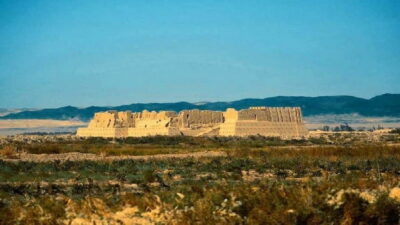
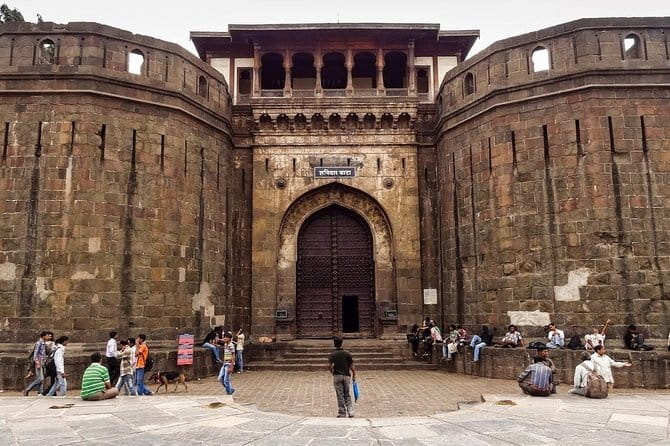
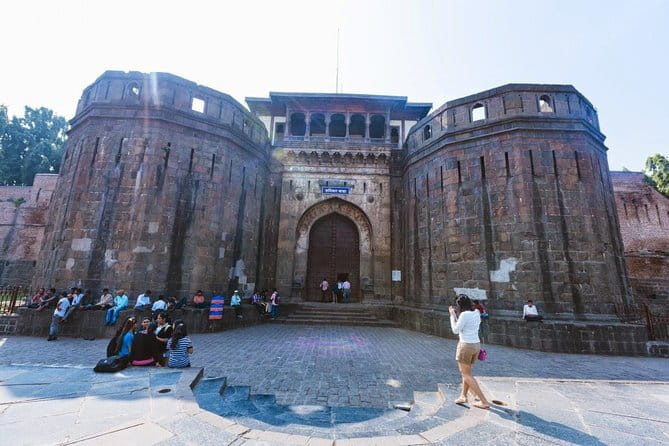
Most heritage walks start with a photo spot. This one starts with context. You begin at Shaniwar Wada (Shaniwar Peth), a former residence of the Peshwas, and you’ll cover key locations inside the palace area to set up what comes next.
This is your “why” moment. Pune wasn’t always the city it is today, and Shaniwar Wada anchors the earlier power structure that shaped the city’s growth. Expect a focused, guided start—about an hour—before the walk turns into neighborhood-level history.
Two practical notes. First, admission tickets for Shaniwar Wada aren’t included, so bring the mindset that the first stop may require a quick separate payment step. Second, because it’s the opening act, it helps to arrive a bit early so you’re not rushing through the lead-in story.
Lal Mahal Chitra and Chhatrapati Shivaji Maharaj’s Footprint
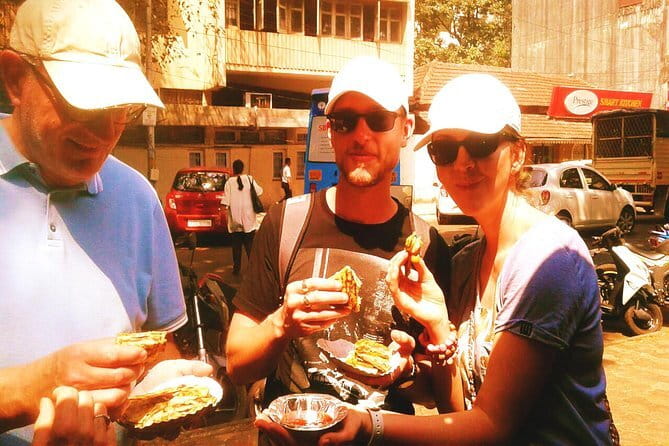
After the heavy politics of Shaniwar Wada, the next stop shifts toward royal legacy. You’ll visit Lal Mahal Chitra, described as the former residence of Chhatrapati Shivaji Maharaj—framed in a way that highlights Pune’s political landscape when it was still more village than metropolis.
This is a short stop (about 10 minutes), so think of it as a narrative hinge: the walk reminds you that leadership, place, and timing all matter. If you like history that explains cause and effect, you’ll probably enjoy how this stop reframes what you saw at Shaniwar Wada.
Kasba Peth Ganpati Temple: Where the City Shows Its Daily Face
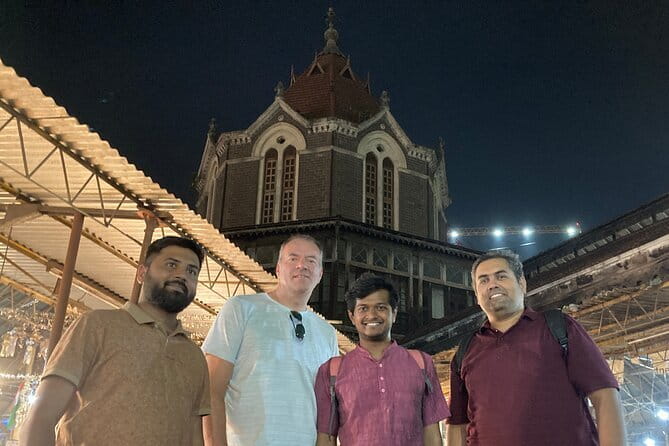
Then the walk gets more local, and that’s where the experience starts to feel real. At Kasba Peth Ganpati Temple, you’ll spend around 15 minutes at a temple said to be about 400 years old.
This stop is valuable because it’s not just grand architecture. It’s a reminder that Pune’s evolution wasn’t only driven by rulers and battles. Long before big city planning, communities organized their lives around religious rhythms—and temples like this are part of how those rhythms survived.
It’s also a nice change of pace from the more official political atmosphere. Expect a more neighborhood-feeling moment where the city’s everyday spiritual identity is easier to sense.
Nana Wada and Rangari Ganpati: Politics in the Shape of Homes

Next up is a pair of Wada-linked stops that show how political life worked at a community level.
At Nana Wada, you’ll hear stories tied to a former statesman. The explanation connects politics with changing demographics and people of the Old City—basically, how neighborhoods shift when power structures shift.
Then you’ll move to Shrimant Bhausaheb Rangari Ganpati, a house linked to a former revolutionary. This stop adds a freedom-movement layer, paired with a beautifully maintained house and stories about Pune’s contribution. It’s one of the stops most likely to stick with you if you like history that’s personal rather than distant.
A small caution: these Wadas are time-savers only if you pay attention. Each one is brief (often 10–20 minutes), so come with curiosity and you’ll get a lot out of them instead of feeling like you’re just passing by doors.
Bhide Wada and Social Reform: Education, Politics, and Real Change
The walk also includes Bhide Wada, tied to a former reformer associated with social, educational, and reformist aspects of Pune. You’ll spend about 10 minutes here, and the point isn’t a long lecture. It’s the idea that reform movements were also part of the city’s identity.
I like this stop because it stops the story from becoming only rulers and temples. Pune wasn’t only shaped by courts and religious institutions. It was shaped by people trying to change how society worked—through education and reform.
If you’re the type who reads about independence and reform but wants to connect it to streets you can stand on, this is a strong match.
Pune’s Iconic Ganesh Temple Moment Between Wadas
At one point, you pass Pune’s most iconic Ganesh and also an area described as one of India’s richest temple complexes in terms of reputation and splendour.
This is not framed as a long stop, so don’t expect a deep dive. But it’s a useful beat in the story because it shows the scale of devotion and investment that religious institutions can command in a city.
For me, this kind of stop works best when you treat it like a chapter break: you look up, notice details, and then keep listening as the guide stitches the next link into the narrative.
Tulshibaug Shri Ram Temple and the Market Route Through Old Streets
Next is Tulshibaug Shri Ram Temple (about 20 minutes). You’ll see a quaint temple and then walk through the Tulshibaug market area, which is where the experience turns into street-level Pune.
Markets are often overlooked in heritage walks, but here they’re used as storytelling tools. You’ll connect architecture and local religious spaces to the everyday movement of people and commerce around them.
If you’re used to museums, this may feel refreshingly practical. You’re not just observing the past—you’re watching the present live alongside it.
Mahatma Jyotiba Phule Mandai: Colonial-Era Trade and the City’s Next Phase
You finish at Mahatma Jyotiba Phule Mandai, with about 15 minutes at the stop. This is framed as a colonial-era vegetable market, giving you a different angle on Pune’s transformation: the city as a commercial hub, not just a political or religious center.
Ending at a market is smart for two reasons. First, you get that “real life” final note—something you could revisit on your own later. Second, the market lets you compare what you learned about older power and faith structures with the city’s trading and urban organization.
In practical terms, the tour ends at the Mandai area, about 2 km from the start point, so it’s an easy transition into more wandering or grabbing a meal afterward.
Price and Value: Why $16.84 Can Make Sense Here
At $16.84 per person, the cost can feel low for a guided route that covers 2.5–3.5 hours, includes snacks, and is led by Dhruva Kalita, who brings years of guiding experience.
The big value question is what you’ll pay on top. The one clear extra is Shaniwar Wada tickets. Meals aren’t included, and private transportation isn’t included. If you factor those into your day, the price still looks fair because the walk is structured to maximize your time in Old Pune—especially if you don’t want to figure out the connections yourself.
Also, with a cap of 15 people, you’re paying for a guided experience that doesn’t feel like a noisy group march.
What to Expect on the Ground (Timing, Walking, and Practical Tips)
Expect a total duration of about 2 hours 30 minutes to 3 hours 20 minutes and a walking distance around 2.2 km. That doesn’t sound like much on paper, but Old Pune streets can slow you down with crowds, narrow lanes, and frequent stop-and-explain moments.
You’ll also want to plan around the first stop because it includes Shaniwar Wada context and the palace admission is not included. If you want the full experience, give yourself a little buffer so you’re not mentally stressed at the start.
The good news: the route is described as near public transportation, and the walk is designed so most people can participate. If you can comfortably do a couple of kilometers at a city pace, you should be fine.
One more practical note: you’ll receive a mobile ticket, which is convenient, and confirmation is provided at booking.
Should You Book This Heritage Walk Through Old Pune?
Book it if you want Pune to make sense fast. This is best for you if you care about how power and belief shaped the city, and you enjoy guided storytelling that connects the dots between places. The mix of Peshwa-era settings, Ganesh worship sites like Kasba Peth, and reform/revolution Wadas makes it feel like more than a typical temple-focused walk.
Skip it or reconsider if you hate walking in crowded streets, or if you’re allergic to any extra ticketing at the start. And if you only want the biggest monuments and zero local detail, this won’t feel as tailored to that style.
My take: for first-time visitors and even history-minded repeat travelers, this walk is a strong way to get orientation and context. You’ll end the day with a clearer map of Pune—politically, spiritually, and socially—and that makes the rest of your time far easier.
FAQ
How long is the heritage walk?
The walk lasts about 2 hours 30 minutes to 3 hours 20 minutes, with stops of varying length across 9 key landmarks.
Where does the tour start and end?
It starts at Shaniwar Wada on Shaniwar Peth, and it ends at Mahatma Jyotiba Phule Mandai in the Mandai area (about 2 km from the start).
Is Shaniwar Wada admission included?
No. Shaniwar Wada tickets aren’t included, so you’ll need to plan for that admission separately.
What’s included in the price?
The experience includes snacks and uses a mobile ticket.
What isn’t included?
Not included: private transportation, Shaniwar Wada tickets, and meals.
How big is the group?
The group is limited to a maximum of 15 travelers.
Do I need private transport to reach the start point?
No—it’s described as near public transportation.
Is the guide okay for English speakers?
The available information indicates clear English from the guide.
What’s the cancellation window?
You can cancel for a full refund up to 24 hours before the experience starts. After that, the amount paid isn’t refunded.