REVIEW · WARSAW
Small-Group Historical Guided Tour of Warsaw with pick up/drop off. Public Tour.
Book on Viator →Operated by Warsaw Guided Bus City Tours · Bookable on Viator
Warsaw in three hours is a hard trick. This small-group walk-and-drive gives you the Royal Route overview plus Old Town landmarks, with stops that tell the story behind the pretty facades. I love how the pace mixes bus time with short, focused walks.
My favorite part is the hotel pickup and drop-off in an air-conditioned minivan. It saves you from puzzle-solving trams and buses on a first day, and you still get real guidance at the key monuments and squares.
One consideration: you do spend a chunk of time walking through busy areas like the Old Town, and the pace can feel brisk. If you want a long snack-and-stroll break in the Old Town, plan to come back later—or ask to extend your time after the tour.
In This Review
- Key Things to Know Before You Go
- First-Day Warsaw Orientation in About Three Hours
- Hotel Pickup, Air-Conditioned Minivan, and the Small-Group Advantage
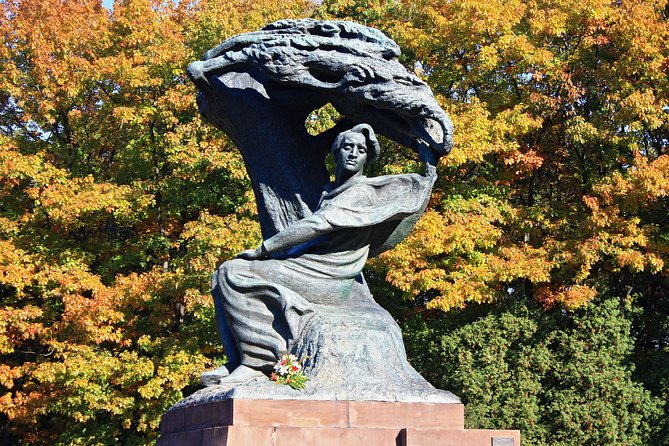
- Łazienki Royal Gardens: Where Warsaw’s Past Survived
- The Royal Route and the Royal Castle Exterior (No Long Museum Detours)
- Ghetto Heroes, POLIN, and Umschlagplatz: Honest Stops You Can Handle in One Loop
- Old Town Square, St. John the Baptist, and the Feeling of a Rebuilt City
- Barbican and the Warsaw Uprising Monument: Fortification Meets Memory
- What You’re Really Paying for at Around $60
- Pace, Crowds, and Who This Tour Fits Best
- Should You Book This Warsaw Historical Highlights Tour?
- FAQ
- What time does the tour start?
- How long is the Warsaw tour?
- Is hotel pickup and drop-off included?
- What group size is this tour?
- What language is the guide speaking?
- What refreshments are included?
- Does the tour let me visit POLIN on my own?
- Can I cancel for a full refund?
Key Things to Know Before You Go
- Small-group format (max 20): easier to hear the guide and stay together during photo stops.
- Comfort-first logistics: pickup/drop-off by air-conditioned minivan plus bottled water and drinks.
- Royal Route highlights on the outside: you get major sights, including the Royal Castle exterior, without committing to extra museum time.
- POLIN + WWII memorials: you’ll see the Ghetto Heroes monument, Umschlagplatz, and related sites as part of one coherent story.
- Old Town highlights in one sweep: Rynek Starego Miasta, the Barbican, and the Uprising monument are all close enough for a walk.
First-Day Warsaw Orientation in About Three Hours
If you’re trying to get your bearings fast, this is the kind of tour that works. You’ll cover a meaningful chunk of central Warsaw, then finish in the Old Town area—so you can keep exploring right after.
What makes the timing feel smart is the mix of “drive between” and “walk for a purpose.” The Royal Gardens stop gives you a calm start, then the tour pivots into heavy World War II sites that explain why Warsaw looks the way it does today. You end with landmark Old Town architecture and monuments that are much easier to understand once you’ve heard the context.
Also, the duration is short enough that it fits on a tight schedule. Start at 10:00 am, and you’re usually back to the Old Town or your hotel same day, with enough energy left to find dinner.
You can also read our reviews of more tours and experiences in Warsaw.


Hotel Pickup, Air-Conditioned Minivan, and the Small-Group Advantage
This tour is built around one big convenience: pickup and drop-off. The minivan collects people from hotels, hostels, apartments, and B&Bs in the city center, so you aren’t stuck carrying your day bag to a meeting point.
Inside, you’re not just being transported. You’re moving with a professional guide who can point out the “why” behind what you’re seeing. A max group size of 20 also helps in practical ways: you tend to hear the commentary, and the guide can manage pacing at each stop.
I also like that the tour includes stil water, Coca Cola, and Polish chocolate candies. It’s a small thing, but it removes the annoying mid-tour scramble for a drink—especially helpful if the day is a warm one (or if you’re walking a bit more than you planned).
Łazienki Royal Gardens: Where Warsaw’s Past Survived
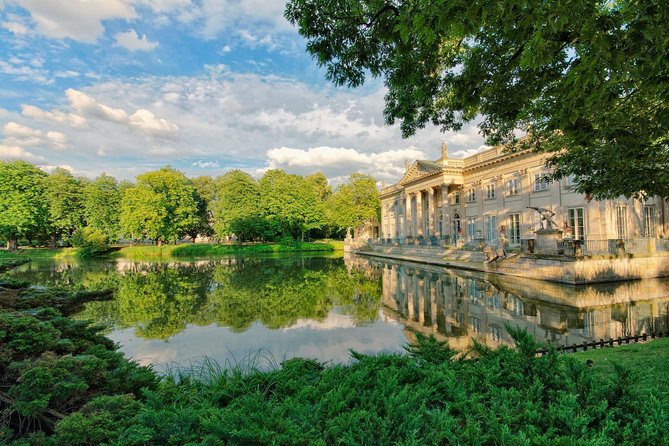
The tour starts at Łazienki Krolewskie, the Royal Gardens. This is not just a pretty opener. The area sits in a district that was not destroyed during the Second World War, so a lot of what you see connects directly back to the 18th century.
It’s a clever first stop because it changes your mood. Before the tour gets serious with memorial sites, you get a green, open setting where monuments and palace-garden style details feel less like “history homework” and more like a living public space.
You’ll also get a free admission stop here, which matters in terms of value. It means your money is going toward the guide and transportation—not an endless list of paid entrances.
One practical note: even though this start is calmer, you’re still on a schedule. Wear comfortable shoes and be ready to move between viewpoints without long lingering.
The Royal Route and the Royal Castle Exterior (No Long Museum Detours)
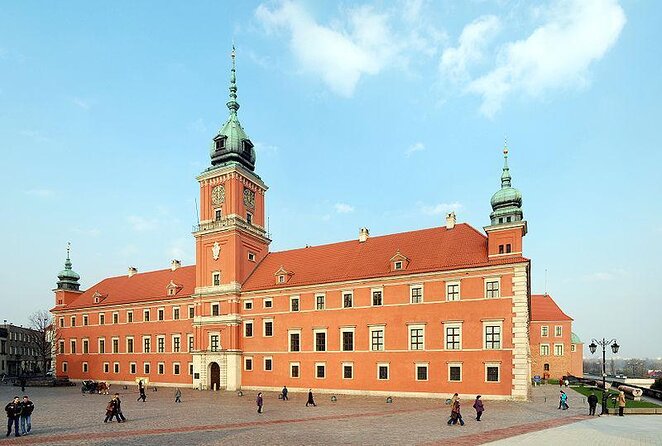
You’ll hear about the Royal Route, including the Royal Castle. This is one of those Warsaw stories you can’t really skip: the castle was blown up during the Warsaw Uprising in 1944, then rebuilt in 1984.
The tour includes seeing the Royal Castle from the outside. That sounds modest, but it’s actually smart if you have limited time. You get the iconic silhouette and the sense of place, without losing half your day to added ticket lines or extra museum pacing.
If you’re the type who likes to understand how a city re-made itself after catastrophe, this exterior stop hits. You can stand in the square, look at what was reconstructed, then mentally place it against the 20th-century break in continuity.
And because you’re not inside, you can spend your energy on the other walking stops that are harder to do well on your own—like the memorial sites and Old Town defensive walls.
Ghetto Heroes, POLIN, and Umschlagplatz: Honest Stops You Can Handle in One Loop
Then the tour turns toward World War II. It doesn’t bury the lead, and it doesn’t rush the meaning.
You’ll visit the Monument to Warsaw Ghetto Heroes, followed by a quick area connection to POLIN, the Museum of the History of Polish Jews. The museum is presented as modern and interactive, and the tour specifically sets you up to visit it on your own after the guided portion because it doesn’t require a guide to follow.
You’ll also have another free admission stop at this stage, which is a big deal for budgeting. The main value is that you’re seeing how these sites fit together geographically and thematically: resistance, remembrance, and education in the same general zone.
Next comes Umschlagplatz, one of the most heartbreaking places in Warsaw. This is where Nazis loaded Jewish people into carriages for transport to Treblinka. Even if you only see a small portion of the area, it lands as a powerful, grounded stop—one that reframes the rest of your day.
A good tip for your own comfort: go slowly in your head here. Take a breath before photos. If you’re sensitive to heavy history, this is still a manageable visit because it’s framed as part of a short circuit, not an all-day memorial marathon.
You can also read our reviews of more historical tours in Warsaw

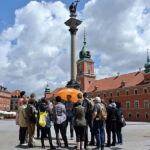

Old Town Square, St. John the Baptist, and the Feeling of a Rebuilt City
Once the tour arrives in the Old Town, you’ll see why this area is one of Warsaw’s top “walk it in person” neighborhoods.
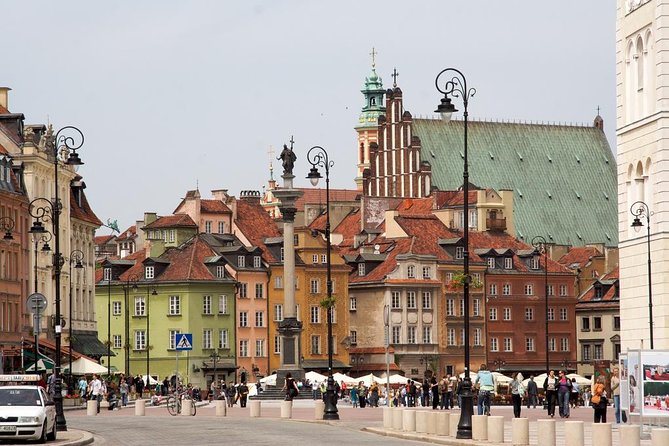
The guide leads you around Rynek Starego Miasta, the Old Town Square. This is where the atmosphere feels almost theatrical—yet you’re reminded that the city center was destroyed during the Warsaw Uprising and rebuilt afterward. Hearing that while you’re standing in the rebuilt space makes the details more meaningful, not less.
You’ll also visit Archikatedra Sw. Jana Chrzciciela, the Archcathedral Basilica of St. John the Baptist. The building is in Masovian Gothic style, and it was completely demolished during the Warsaw Uprising by Nazis, then rebuilt in 1960. Even if you don’t go inside (the tour data highlights the stop with free admission), the story of the structure alone is worth your attention.
This is where I think the tour does something practical: it pairs beauty with rebuilding. You’re not just told that Warsaw was damaged; you’re shown what was rebuilt, and roughly when. That gives you a mental timeline for understanding the city you’re walking through.
If the Old Town is crowded, that’s normal. It’s one of the most photogenic areas in the city. Just keep close to the group and don’t assume you can drift far and still catch the guide later.
Barbican and the Warsaw Uprising Monument: Fortification Meets Memory
Near the Old Town highlights, you’ll pass through the Warsaw Barbican (Barbakan Warszawski). It’s part of the old defensive wall, and it’s known for Gothic style details and handmade red bricks. In person, defensive architecture can feel surprisingly human—more about protection and survival than intimidation.
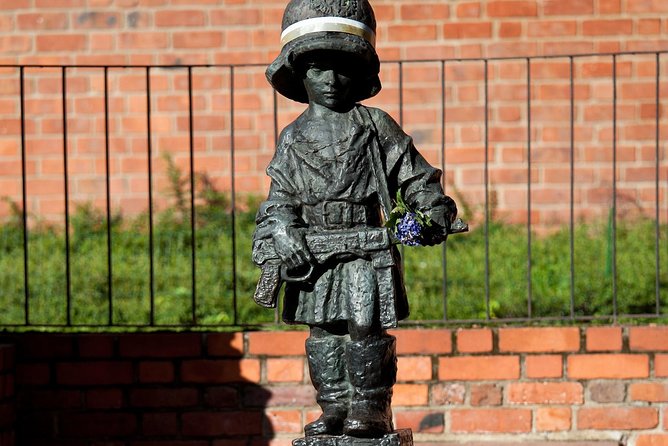
Right after that, the tour takes a short walk to the Monument to Warsaw Uprising Fighters. This one is described as expressive and symbolic, and it’s easy to see why. It’s the kind of monument that helps you connect the WWII history you just heard with what you’re standing in now.
These two stops work as a pair. The Barbican shows how Warsaw’s older defenses were shaped by its earlier eras, while the Uprising monument forces you to face the 20th-century reality. Together, they help you read the city like a story, not a list of sights.
After the tour, you can choose to stay around the Old Town area or be dropped at your accommodation, which is handy if you want to keep walking while the square is still in your head.
What You’re Really Paying for at Around $60
At about $60.49 per person, the best way to judge value is to count what’s included—not just the guide.
You’re paying for:
- a professional guide who manages timing and context across multiple areas
- transportation by air-conditioned minivan with hotel pickup and drop-off
- free admission stops at each listed site
- small included refreshments (water, Coca Cola, Polish chocolate candies)
This isn’t a “just walk around” experience. The ride time is part of the design, letting you cover enough territory to feel like you did something big, without wasting your morning figuring out transit.
If you were to do this on your own, you’d likely spend more on transport and you’d miss some of the linking story between Royal Route sites and the WWII memorial stops. And in Warsaw, where reconstruction is a major theme, having a guide connect the dots can save you from getting lost in dates.
Pace, Crowds, and Who This Tour Fits Best
Let’s talk reality. This tour includes several short walks and multiple stops that are emotionally serious. Most people find it manageable, but a few factors can affect how it feels.
First is walking pace. Some people have said the guide moves a bit fast, which can be an issue if you like lingering for photos or you’re traveling with anyone who prefers slower progress. If that sounds like you, keep an eye on where the group is moving and don’t let yourself get stuck behind.
Second is time distribution. The Royal Gardens stop takes a meaningful block, while other Old Town areas are shorter. If your main goal is pure wandering in the Old Town, plan to continue exploring on your own after the guided portion ends.
Who I think will love it:
- First-time visitors who want a clear overview of Warsaw in one morning
- People who want both architectural highlights and meaningful WWII context
- Travelers who like the comfort of pickup/drop-off and don’t want to chase buses on their first day
Who should be cautious:
- If you want long museum time, this tour mostly gives you exteriors and guided orientation, not deep, inside-only sightseeing
- If you strongly dislike crowds, the Old Town square can get busy, and you’ll want to stay close to the group
Should You Book This Warsaw Historical Highlights Tour?
If you’re trying to make the most of limited time, I’d book this. It’s a practical “get oriented and understand the city” tour, with the right mix of Royal Route landmarks, Old Town architecture, and WWII memorial stops that give Warsaw its emotional backbone.
The big selling points for most people are the pickup/drop-off convenience, the small-group size, and the guide-led storytelling that makes rebuilt places feel coherent. Plus, the tour ends in the Old Town, so you can keep exploring immediately.
Only choose it if you’re comfortable with a guided pace and short walking sections through crowded areas. If you want a slow, leisurely day with lots of independent wandering, you may want to pair this with another flexible afternoon instead of expecting this one tour to do everything.
FAQ
What time does the tour start?
The tour starts at 10:00 am.
How long is the Warsaw tour?
It’s about 3 hours.
Is hotel pickup and drop-off included?
Yes. Pickup and drop-off are included by air-conditioned minivan from accommodations in the city center.
What group size is this tour?
The tour has a maximum of 20 travelers.
What language is the guide speaking?
The tour is offered in English.
What refreshments are included?
The tour includes still water, Coca Cola, and Polish traditional chocolate candies.
Does the tour let me visit POLIN on my own?
Yes. After the guided portion, you can be dropped off to POLIN, where the museum is described as interactive so you can visit without needing a guide.
Can I cancel for a full refund?
Yes. You can cancel up to 24 hours in advance for a full refund. If you cancel less than 24 hours before the start time, the amount paid is not refunded.