REVIEW · TRIVANDRUM
Heritage & Cultural Walk of Trivandrum 2 Hour Guided Walking Tour
Book on Viator →Operated by Yo Tours · Bookable on Viator
Trivandrum feels big, until a good guide makes it click. This 2-hour heritage walk gives you a focused way to see the city’s big landmarks and its quieter lanes, with a guide who turns history, architecture, and everyday culture into something you can actually follow. I like that you start with major context (Kanakakunnu Palace) and end at a civic hub (Kerala Government Secretariat area), and I really like the story-first, English/Hindi commentary style that helps even short sightseeing feel meaningful. One thing to keep in mind: it is still a walking tour with a set route, so you’ll spend some time moving between sights, and if you expected a strictly lane-hopping-only experience, you might find the pace a little more “street-to-street” than you hoped.
You’ll cover places most people rush past: the Napier Museum with its 19th-century art and natural history collection, the Keralam Museum of History and Heritage, a Mateer Memorial Church stop, plus the Connemara Market area known for its street-vendor shopping. Expect lots of practical framing too—how to orient yourself, what areas make sense for food and shopping, and how to spot what’s worth a second look later.
Bring sensible walking shoes and plan for good weather, because this experience requires it. Also, no bottled water or snacks are included, so you’ll want your own small hydration plan for that warm Trivandrum sun.
In This Review
- Key things to know before you go
- Why Trivandrum’s Heritage Walk Works in Just 2 Hours
- Kanakakunnu Palace Flag Post: Starting With a Sense of Place
- Napier Museum: 19th-Century Collections and the Objects You Can Picture
- Keralam Museum of History and Heritage, Plus Mateer Memorial Church
- Rama Rao Lamp, Old Houses of Kerala, and the Trail Through Learning
- 150-Year-Old Latin Rite Cathedral and the Morning-to-Market Shift
- Guide Style: English & Hindi Storytelling (and the Names You Might Hear)
- Price and Value: What $11.35 Gets You (and What It Doesn’t)
- Walking Comfort, Timing, and Pace Reality
- Who Should Book This Walk—and Who Should Skip It
- Should you book the Heritage & Cultural Walk of Trivandrum?
- FAQ
- Is the heritage walk about museums, churches, or markets?
- How long is the Trivandrum heritage walking tour?
- What’s included in the price?
- What’s not included?
- Where do you start and where do you finish?
- Can I join as a solo traveler?
- Do the guides speak English?
- Do I need good weather?
- What about refunds if my plans change?
Key things to know before you go

- Two hours, real orientation: It’s short on purpose, designed to help you find your bearings fast.
- English & Hindi guides: A storyteller guide explains history and details clearly in these languages.
- Napier Museum plus multiple heritage stops: You get museum context, religious architecture, and shopping streets in one loop.
- Hidden lanes are part of the route: You should find smaller side streets and easier-to-miss corners.
- Ends near major government landmarks: You finish at the Kerala Government Secretariat area, handy for continuing your day.
- No hotel pickup and no snacks: You meet at Kanakakunnu and handle water yourself.
Why Trivandrum’s Heritage Walk Works in Just 2 Hours
The best part of this tour is that it’s built for “I have limited time” reality. In about two hours, you get a guided thread through the city: palace area → museum cluster → heritage and church stops → market and older streets → finish near the Secretariat. That structure matters because it reduces the guesswork that usually comes with first-day sightseeing.
Also, the guide is more than a facts reader. The included “storyteller” approach is meant to give you context: why certain buildings exist, how different eras show up in the details, and how local life fits around the monuments. When your guide points out what to pay attention to, you start noticing things on your own after the tour ends.
You can also read our reviews of more tours and experiences in Trivandrum.

Kanakakunnu Palace Flag Post: Starting With a Sense of Place
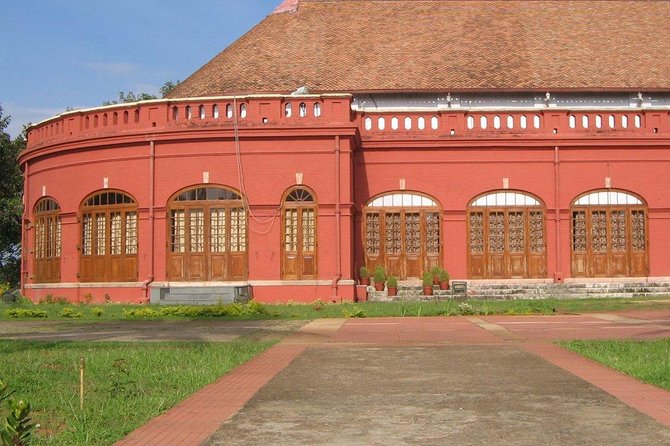
You meet at the Kanakakunnu Flag Post right by Kanakakunnu Palace Road. This is a smart start point because it immediately tells you where the “formal” city story begins—state-level history and ceremonial space—before you move into museums and day-to-day streets.
The tallest national flag in India flying at Kanakakunnu is the anchor here. You’ll use it as a visual landmark to orient your day. From there, the walk naturally transitions from the palace atmosphere toward places that hold objects, records, and architecture that explain the region’s identity.
If you’re the kind of traveler who likes to understand a city rather than only photograph it, this start helps a lot. You’re not guessing what’s important.
Napier Museum: 19th-Century Collections and the Objects You Can Picture
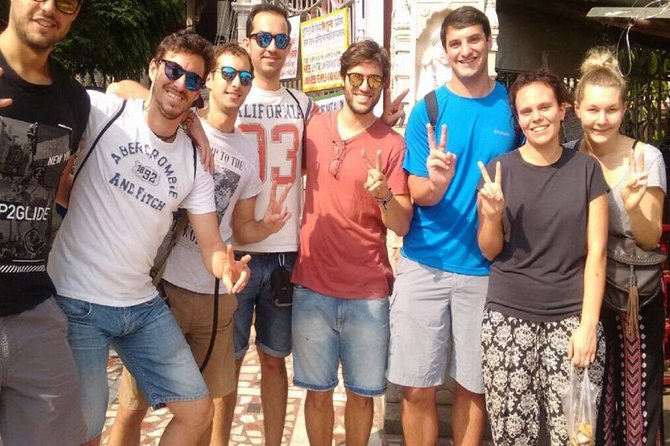
Napier Museum is one of the tour’s biggest value stops. It’s described as a 19th-century art and natural history museum, and you’ll get historical artifacts highlighted along the way—bronze idols, ancient ornaments, a temple chariot, and ivory carvings.
Here’s why I think this stop is so useful on a short walking tour: it gives you something concrete to remember. A guided route through a museum (even if you’re not spending hours inside) helps you connect the dots between local culture and the older craftsmanship you’re seeing around town. It’s also a nice “tempo change” from walking—your brain gets to switch modes for a bit.
If you’re interested in artifacts tied to regional traditions, this is the place to pay close attention. The guide’s job is to make you see the museum objects as part of a living story, not just old items behind glass.
Keralam Museum of History and Heritage, Plus Mateer Memorial Church
Next comes Keralam—Museum of History and Heritage. This is your bridge between museum storytelling and the city’s broader cultural identity. You’re also stopping at Mateer Memorial Church, which adds an architectural and community layer to the mix.
Why that pairing works: it shows how Trivandrum’s heritage isn’t only about palaces and museums. Religious buildings and memorial sites are part of the city’s story too, because they reflect timelines, community ties, and design choices that endure.
You’ll walk away with a better sense of how people organized life—what they honored, how institutions formed, and how different eras left visible marks. If you like heritage that includes people, not just monuments, this chapter feels especially relevant.
Rama Rao Lamp, Old Houses of Kerala, and the Trail Through Learning
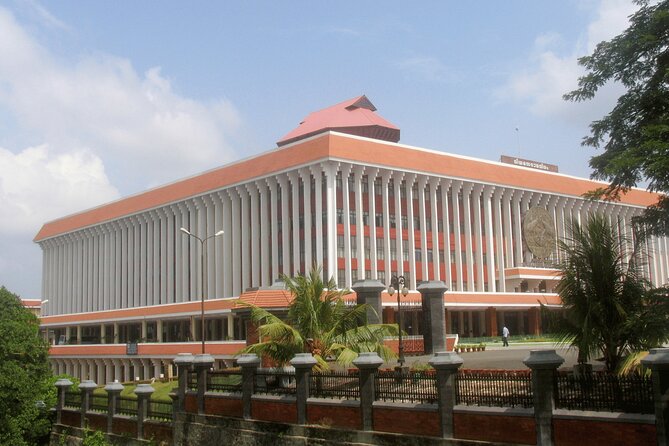
One of the more interesting segments is the stop area around the Rama Rao Lamp, plus old houses of Kerala, the State Library, and an old university-related site. These are the kinds of references that mean something only after someone explains the background, and that’s exactly what the guide is there for.
This portion tends to reward curious eyes. The “old houses of Kerala” stop is about seeing how architecture and daily life connect—shape, street presence, and local design cues. The library and university references add a different kind of heritage: not only what the city looked like, but how learning and institutions mattered.
If you’ve ever toured a city and felt like you only understood the royal or religious parts, this is the correction. It adds civic brainpower to the itinerary.
150-Year-Old Latin Rite Cathedral and the Morning-to-Market Shift
You’ll also visit an Roman Catholic Latin Rite cathedral of the Archdiocese of Trivandrum, built about 150 years ago. Even if you’re not a church-history specialist, a stop like this helps because it shows how Trivandrum’s cultural mix took physical form in major landmark architecture.
After that, the route moves toward Connemara Market. You’ll find an older Connemara Market with an arched entrance and a reputation for variety from street vendors. This is where the tour turns practical again. It’s not just heritage viewing—it’s your cue for shopping habits and everyday commerce.
Market time is a smart closer for a short walk. You end with a place that still matters today. If you want to continue your day with a light shopping wander or snack-adjacent browsing, this stop gives you a direction that feels natural, not forced.
Guide Style: English & Hindi Storytelling (and the Names You Might Hear)
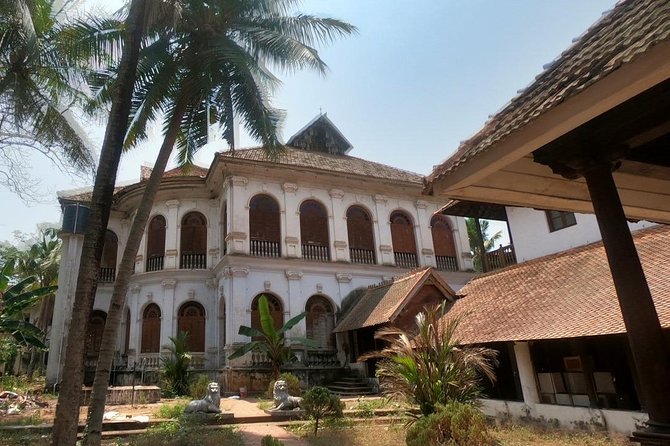
A big part of the experience is the guide. The tour includes a highly trained storyteller guide who can speak English & Hindi, and the best guides keep things clear without sounding like a lecture.
From the guide approaches I’ve seen highlighted through past participant experiences, a few names come up often—Suresh/Sureshkumar, Gokul, Vijay, Biju, Hareesh, Naveen, and Siddharth/Siddaharth. The common thread isn’t just vocabulary. It’s pacing and responsiveness. Guides like this tend to slow down when questions pop up and keep the walk from feeling like a checklist.
One practical thing I like: the tour isn’t only about monuments. Guides are also willing to help you think through the next step—where it makes sense to eat, where to shop, and how to spend your time after the tour ends. If your goal is to leave with a workable plan, that matters.
Price and Value: What $11.35 Gets You (and What It Doesn’t)
At about $11.35 per person for a two-hour guided walk, this is priced like a solid “first-day orientation” tool rather than a deep paid excursion. And honestly, that’s how I’d treat it. You’re paying for interpretation and route guidance across several notable stops, not for private driver service or a long museum day.
Value is highest if:
- you’re arriving in Trivandrum and want structure
- you like history when it’s explained in plain language
- you want a manageable itinerary without studying a map for hours
What you’ll still need to budget for is simple: bottled water and snacks are not included, and there’s no hotel pickup/drop-off. Also, the tour is weather-dependent, so if you’re traveling during shaky forecast days, keep flexibility.
For the price, you’re getting a lot of variety in stops: palace/flag area, a major museum, heritage and church sites, then a market segment. That mix is what makes the cost feel fair.
Walking Comfort, Timing, and Pace Reality
This is a walking tour of about 2 hours, and the meeting point is at Kanakakunnu Flag Post area, while the tour ends at the Kerala Government Secretariat main block statue area in Palayam. That start-to-finish structure helps you see more in less time, but it also means you shouldn’t expect a zero-street-transfer day.
One drawback worth acknowledging: there’s a small risk the walk can feel more like getting from point A to point B than wall-to-wall lane-hopping. If your top priority is “only tiny streets and only hidden lanes,” you may want to set expectations before going. If your priority is a helpful overview with a few quieter touches, it’s a good fit.
Also, plan for humidity and sunlight. Since bottled water and snacks aren’t included, I’d bring a refill option if you can, and wear shoes you trust for uneven pavement.
Who Should Book This Walk—and Who Should Skip It
I’d book this if you:
- want an easy, guided way to get your bearings in Trivandrum
- enjoy museum context paired with street-level culture
- like short tours where you can come back later and revisit favorites
- prefer a guide who speaks English & Hindi clearly
I’d consider skipping or switching if you:
- only want long museum time (this is still a short walk)
- dislike tours that include movement on main streets
- expect snacks or a full refreshment plan built into the ticket
If you’re on a tight schedule, this tour is built for you. It’s a practical way to start understanding the city instead of just scanning it.
Should you book the Heritage & Cultural Walk of Trivandrum?
Yes—if you want a low-stress, short guided introduction that connects major landmarks to real cultural context. The route hits the biggest “anchors” (Kanakakunnu, Napier Museum, heritage and churches, Connemara Market) and ends in a place that’s easy to keep exploring from.
If you’re very sensitive to pace or you dislike any walking between sights, make sure you’re comfortable with a two-hour guided route before you commit. Otherwise, this is one of those tickets that helps you stop guessing and start seeing.
FAQ
Is the heritage walk about museums, churches, or markets?
It includes all three. You’ll see the Napier Museum area, you’ll stop by a Latin Rite cathedral and Mateer Memorial Church, and you’ll end at Connemara Market.
How long is the Trivandrum heritage walking tour?
The duration is about 2 hours.
What’s included in the price?
You get a friendly storytelling guide who speaks English and Hindi, plus access to hidden lanes and places, and local tips and recommendations.
What’s not included?
Hotel pickup and drop-off, bottled water, and snacks are not included.
Where do you start and where do you finish?
You start at the Kanakakunnu Flag Post on Kanakakunnu Palace Road. You finish at the Kerala Government Secretariat main block, near the statue area at Palayam.
Can I join as a solo traveler?
Yes. The experience is described as a private tour/activity where only your group participates, and confirmation is received at booking.
Do the guides speak English?
Yes. The guide can speak English and Hindi.
Do I need good weather?
Yes. The experience requires good weather, and if it’s canceled due to poor weather, you’ll be offered a different date or a full refund.
What about refunds if my plans change?
Free cancellation is available. You can cancel up to 24 hours in advance for a full refund. If you cancel less than 24 hours before the start time, the amount paid is not refunded.