REVIEW · WROCLAW
Wroclaw: Third Reich and World War Two Historical Tour
Book on GetYourGuide →Operated by WratislaviaTour · Bookable on GetYourGuide
Wrocław remembers the war in plain sight. On this WWII historical tour, you’ll walk through the Old Town where the city sat under Germany until the end of World War Two, and where the 1945 siege left huge parts of the city damaged or destroyed. I love that the story is grounded in specific places, not just sweeping dates.
I also like the way the guide turns monuments into real human context. Stops such as Wolności Square, the former Gestapo building, and the White Stork Synagogue give you a sense of how daily life was reshaped by occupation, fear, and persecution. You’ll likely hear the name Michael praised for staying clear, communicative, and ready for questions.
One possible drawback: because so much was destroyed in 1945, you won’t see a lot of intact wartime streets and buildings. If you’re expecting to stroll through a museum-like neighborhood of preserved WWII structures, this tour may feel more like careful reconstruction than sightseeing.
In This Review
- Key highlights at a glance
- Wrocław’s WWII story: how the city’s streets explain the war
- Where the tour starts: Monopol Hotel to a focused 2-hour walk
- Old Town and Wolności Square: the “stage” the war changed
- The former Gestapo building: when architecture turns into a clue
- White Stork Synagogue and Jewish heritage: stories you can’t skip
- Dietrich Benchoffer Memorial: why a name can matter more than dates
- University Church and Ossolineum Garden: beyond the war, still connected
- Sand Island and Cathedral Island: ending where the city feels different
- What’s actually there today: manage expectations about preserved WWII sights
- Price and value: what $31 gets you in 2 hours
- Who should book this tour, and who might want to choose differently
- Should you book the Wrocław WWII historical tour?
- FAQ
- FAQ
- How long is the Wrocław WWII historical tour?
- Where does the tour start?
- Where does the tour finish?
- What language is the tour offered in?
- Is the tour wheelchair accessible?
- Does the tour run in bad weather?
- Is hotel pickup or drop-off included?
- What is included in the ticket price?
- What should I bring regarding food and drinks?
- Is there a minimum number of participants?
- Are monument hours guaranteed?
Key highlights at a glance
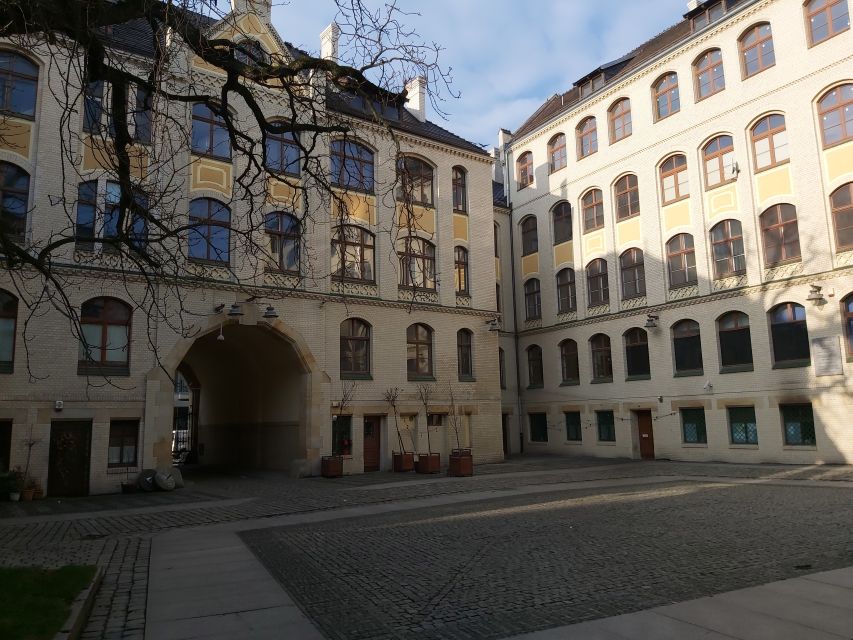
- Monopol Hotel starting point with a guide holding a World War Two Tour sign
- Old Town walking route that stays focused on WWII turning points
- Former Gestapo building as a major anchor stop
- White Stork Synagogue and stories of Jewish heritage and the Holocaust
- Dietrich Benchoffer Memorial connecting names to events
- Finish at Cathedral Island for a strong visual wrap-up
Wrocław’s WWII story: how the city’s streets explain the war
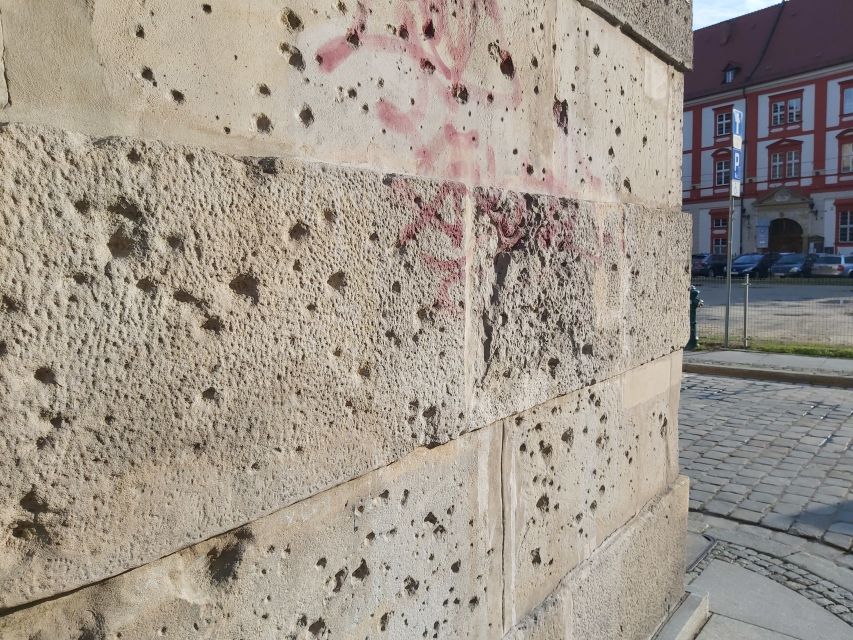
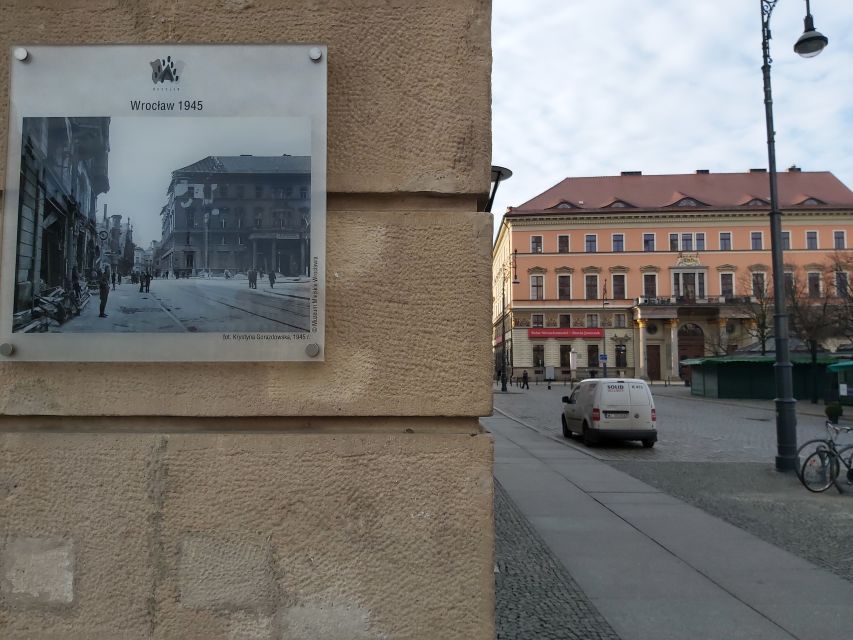
Wrocław’s WWII past isn’t tucked away behind glass. It’s built into the route you walk, because the city’s fate changed dramatically during the siege between February and May 1945. When most buildings were damaged or destroyed, the “old city” you see today is partly the result of what had to be rebuilt afterward.
That’s why this tour works so well. You’re not just getting a list of sites. You’re getting a way to read the city: what was there before, what got wiped out, and how the surviving and rebuilt pieces shape the feel of the Old Town now.
Where the tour starts: Monopol Hotel to a focused 2-hour walk
You meet at the main entrance of Monopol Hotel, and your guide has a sign reading World War Two Tour. From the start, the plan is simple: a guided walk through key landmarks, ending on Cathedral Island. The total time is 2 hours, so the pacing is brisk but not rushed.
One practical note: expect a fair bit of walking. You’ll be moving between several stops, including across the Old Town area and then toward the island zone. Wear shoes you’d happily walk in for an hour straight, not just for photos.
Because it runs rain or shine, bring a rain layer or a compact umbrella if your weather is unpredictable. Since you’ll be outside for most of the experience, being comfortable changes everything.
Old Town and Wolności Square: the “stage” the war changed
Your tour begins in the Old Town district and keeps tightening the timeline until you’re sitting in the reality of occupation and siege. You’ll hear how Wrocław was under German rule until the end of World War Two, and why that matters for understanding what you see today.
A highlight early on is Wolności Square, which helps you orient in the city’s center. Squares are useful in history tours because they’re where power shows up: governments, public messages, and crowds all tend to gather in the same kinds of places across time. Here, the square is treated as a reference point so the guide can connect wider WWII events back to the geography you can actually stand on.
The former Gestapo building: when architecture turns into a clue
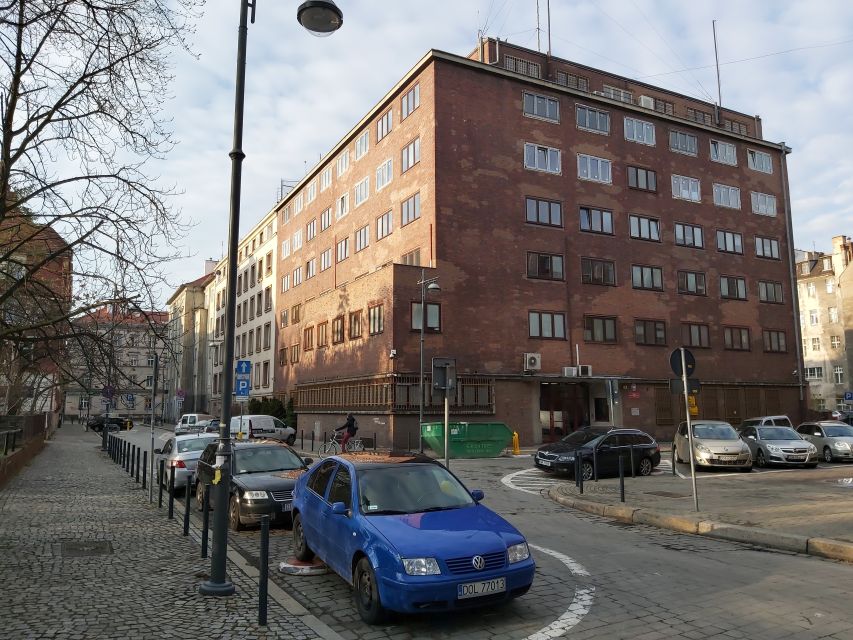
One of the most important stops is the former Gestapo building. Even if you’ve read about the Gestapo before, what hits differently in person is the immediacy: this is a structure associated with repression, surveillance, and terror. The guide’s job is to keep that from becoming abstract.
What I like about this stop is how it frames questions you should be asking while you look. Instead of treating the building like a generic landmark, you’re encouraged to connect the walls to the lived experience of people under occupation. You’ll also get enough context to understand why later memorials and Jewish-history stops aren’t separate topics—they’re connected to how persecution unfolded.
If you’re sensitive to heavy subject matter, consider setting your expectations up front. This isn’t a cheerful walk. But it can be a meaningful one, especially if you want the story told clearly rather than glossed over.
White Stork Synagogue and Jewish heritage: stories you can’t skip
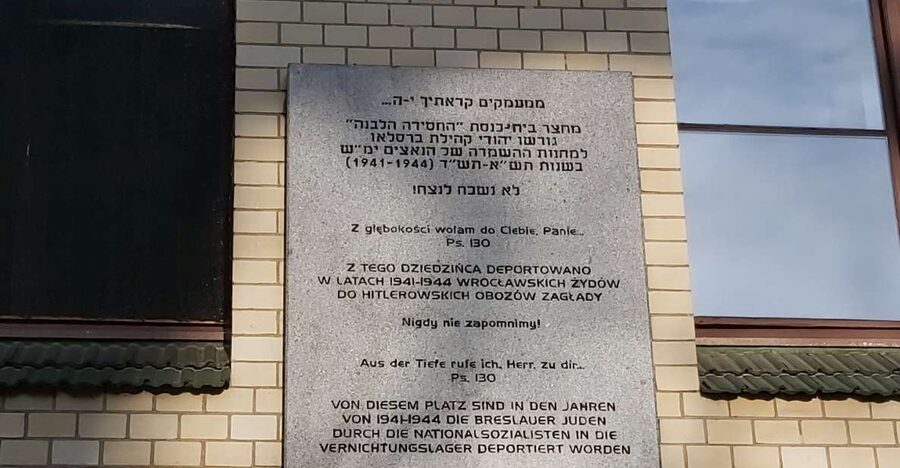
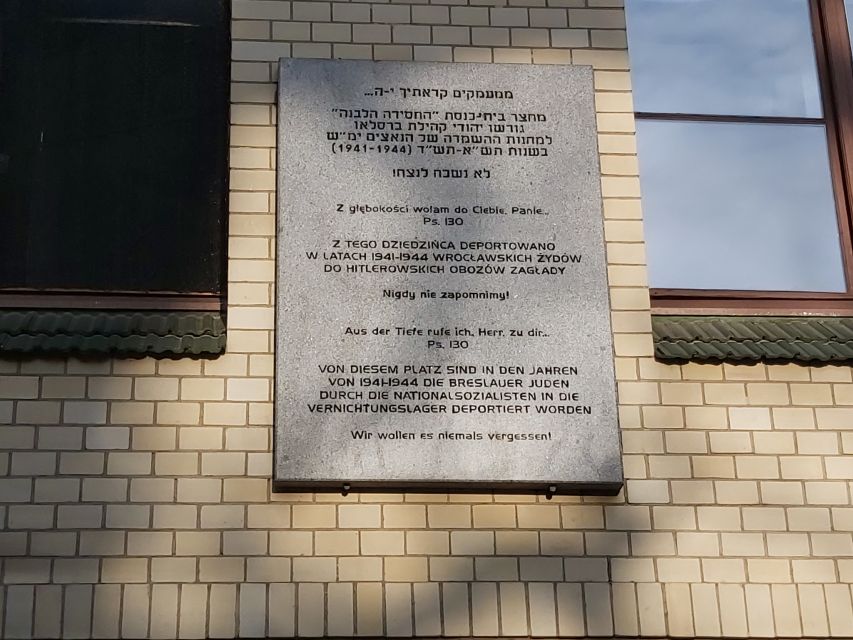
This tour doesn’t treat Jewish heritage as a side note. It gives it a dedicated moment at the White Stork Synagogue, alongside discussion of local Jewish heritage and the Holocaust. The point isn’t just to name places—it’s to restore presence.
In a city like Wrocław, where borders and governance shifted over time, Jewish life has to be understood in context: a community rooted in the place, then pushed into catastrophe. On this tour, the guide’s commentary helps you see the synagogue area as a link between everyday community life and the violence that followed.
If you care about history that centers victims and survivors rather than only institutions, this portion is likely to feel like the emotional heart of the tour. It’s also a place where good interpretation matters, because the physical details can be subtle if you don’t know what to listen for.
Dietrich Benchoffer Memorial: why a name can matter more than dates
Another stop is the Dietrich Benchoffer Memorial. Memorials can feel like an afterthought on tours, but here they’re used to keep history personal. Benchoffer’s name gives the tour a bridge from the big machinery of WWII to individuals caught up in resistance, repression, and consequences.
This is where I’d recommend you slow your listening pace. The memorial stops work best when you let the guide finish the story, then look again at the setting with that context in mind. Even in a short tour window, these moments can make the strongest impression.
University Church and Ossolineum Garden: beyond the war, still connected
Not every stop is a direct “WWII trauma site.” You’ll also pass key landmarks like the University Church and the Ossolineum Garden. At first, that can sound like a detour. But in practice, these stops help you understand what survived, what was damaged, and what shaped post-war rebuilding.
Think of it this way: WWII history isn’t only the siege and the destruction. It also includes what life tried to rebuild afterward. These quieter landmarks are the tour’s way of reminding you that culture and education existed here before, during, and after the worst moments.
If you like tours that show continuity instead of only tragedy, this part is a nice balance. And if you prefer strict, battlefield-style history, you can still enjoy these stops because the guide links them back to the broader story.
Sand Island and Cathedral Island: ending where the city feels different
The tour finishes on Cathedral Island after visiting Sand Island along the way. Ending here works well because it gives you a visual reset. You’ve spent time in heavy subject matter and the compression of the WWII years, and then you shift into a different mood of the city.
Islands and river-adjacent areas tend to feel more open in Wrocław, so you can process what you just learned while still seeing more of the city. It’s also a practical finish: you’re not left wandering alone at the end if you want a straightforward place to transition to food or sightseeing afterward.
What’s actually there today: manage expectations about preserved WWII sights
A fair warning, based on how the city suffered: Wrocław took enormous damage in the 1945 siege, and most buildings were affected. That means you won’t walk through a neighborhood where the WWII look is preserved on every block.
Instead, you’ll see a mix of surviving elements, memorials, and places connected to wartime roles—plus the partially rebuilt infrastructure that shapes what you experience now. Some people may wish for more physical “time capsule” material. But if you like history told through interpretation—using what remains and what stands for what’s been lost—this tour delivers.
In other words: this isn’t about “perfect preservation.” It’s about learning to read what’s visible and what isn’t.
Price and value: what $31 gets you in 2 hours
At $31 per person for a 2-hour guided tour, the value comes from structure and interpretation. You’re not just walking between points. You’re paying for a licensed guide to connect the city’s wartime role, German rule, the siege, Jewish heritage, and the Holocaust into one coherent route.
You also get a focused set of major landmarks in one go: Wolności Square, the White Stork Synagogue, Dietrich Benchoffer Memorial, and the former Gestapo building, plus supporting stops like University Church and Ossolineum Garden. For a short time window, that’s efficient.
What’s not included is just as important: there’s no hotel pickup/drop-off, and no food or drinks. So if you’re planning meals afterward, budget time to grab something on your own near Cathedral Island.
Who should book this tour, and who might want to choose differently
This tour fits best if you:
- Want a guided narrative of WWII in Wrocław rather than reading on your own
- Care about the Jewish heritage and Holocaust portion, presented as part of the city’s story
- Prefer practical stops tied to real locations, including a major site associated with the Gestapo
You might consider a different option if you:
- Want to see lots of intact WWII structures in their original form
- Prefer lighter or purely architectural tours
- Are very limited on walking and need minimal movement between sites
It’s also a good match for solo travelers who like asking questions. One reason the guide reputation stands out is that you’ll get detailed answers, not just a script you’re expected to absorb silently.
Should you book the Wrocław WWII historical tour?
If you’re the type of traveler who likes history with names, places, and a clear timeline, I’d book it. The route stays concentrated around the most important WWII-linked landmarks, and the guide’s communication style gets consistently praised for being detailed and responsive.
If heavy topics are hard for you, go in with your eyes open—but don’t assume the tour will be vague. It’s designed to explain what life might have been like during World War Two in a city that lived through occupation and the 1945 siege.
Also, with a very high rating (4.9 across 43 reviews), it’s a solid bet for a first or early visit to Wrocław’s Old Town—especially if you want more meaning than a quick photo stop.
FAQ
FAQ
How long is the Wrocław WWII historical tour?
It lasts about 2 hours.
Where does the tour start?
You meet outside the main entrance of Monopol Hotel.
Where does the tour finish?
The tour ends at Cathedral Island in Wrocław.
What language is the tour offered in?
The live tour guide speaks English.
Is the tour wheelchair accessible?
Yes, it is listed as wheelchair accessible.
Does the tour run in bad weather?
Yes, it takes place rain or shine.
Is hotel pickup or drop-off included?
No, hotel pickup and drop-off are not included.
What is included in the ticket price?
A licensed tour guide and all fees and taxes are included.
What should I bring regarding food and drinks?
Food and drinks are not included, so you’ll need to plan for that on your own.
Is there a minimum number of participants?
Yes, the tour requires at least 4 participants to operate.
Are monument hours guaranteed?
Monuments’ operating hours can change, so it’s wise to keep that in mind.