REVIEW · KOCHI
Fortkochi Heritage Walking tour with a local guide
Book on GetYourGuide →Operated by Biju's Tours · Bookable on GetYourGuide
Old Kochi tells stories on every corner. This Fortkochi Heritage Walking tour, led by Biju, a local storyteller born and raised in Old Kochi, strings together Fort Kochi, Mattancherry, and Jew Town through centuries of Arab, Chinese, Portuguese, Dutch, and British influence. You’ll see how those layers shaped what you eat, how buildings look, and how people lived.
I love the story-led way the route connects architecture and everyday life. And I really like the hands-on, practical stops like traditional papadam and candle-making, plus Dhobi Khana laundry—so the history doesn’t stay frozen in photos.
One thing to consider: it’s a 3–3.5 hour walk with short tuk-tuk rides, so heat and humidity can be rough if you pick a late afternoon start.
In This Review
- Key things that make this tour worth your time
- Old Kochi is the lesson here, not a list of sights
- The route starts at Kashi Art Café, then you get moving
- Fort Kochi and the spice trade: ginger warehouses and processing you can picture
- Candle-making, papadam-making, and Dhobi Khana laundry
- Mattancherry and the Dutch Palace stop (and why Fridays change things)
- Jew Town and Paradesi Synagogue: a living community story
- Chinese fishing nets and everyday Kochi life
- What you’re really paying for with a $25 price
- What to bring, how to dress, and when to avoid discomfort
- Should you book this Fort Kochi heritage walking tour?
Key things that make this tour worth your time
- Local guide born in Old Kochi: Biju tells the city the way locals do, with details that fit the street corners.
- Spice-trade focus, not just monuments: you’ll visit ginger warehouses and spice processing areas.
- Traditional making you can actually see: candle-making, papadam-making, and Dhobi Khana laundry are part of the walk.
- Colonial-era sites across empires: Dutch Palace (included) and other Portuguese-style and Dutch-era landmarks shape the route.
- Jew Town context around Paradesi Synagogue: the Jewish quarter’s history is explained, and entry depends on opening days.
- Short tuk-tuk hops to keep it comfortable: it’s not 100% walking, but you still need real walking stamina.
Old Kochi is the lesson here, not a list of sights
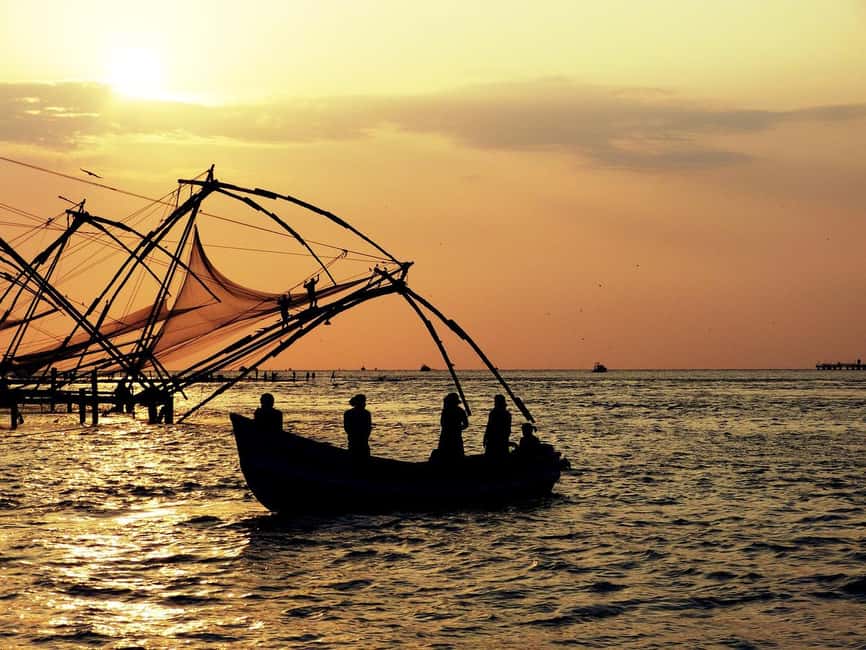
Fort Kochi can feel like a postcard if you wander on your own. This tour works differently. You follow Biju through the streets as if you’re reading a timeline: Arab and Chinese trading days show up in customs and influence, then the Portuguese period leaves its mark in church-style architecture, and the Dutch era shows up in the way power and buildings were organized. The British chapter rounds it out.
What makes that approach satisfying is that you’re not only hearing dates. You’re seeing how influence traveled—through food, materials, and port life. That’s why the tour leans into the spice trade and craft production: these aren’t “extras,” they’re the engine of Kochi’s global connections.
You can also read our reviews of more walking tours in Kochi

The route starts at Kashi Art Café, then you get moving
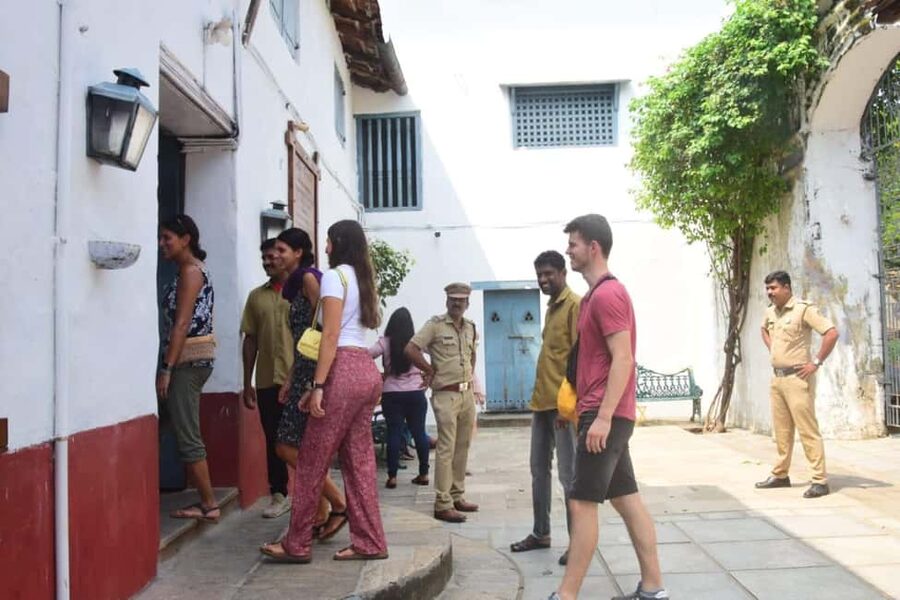
Your meeting point is Kashi Art Café on Burger Street, Fort Nagar, Fort Kochi. Plan to arrive about 10 minutes early. Your guide will ask your name, and the group gets lined up before setting off.
The timing matters because the tour is 3 hours and includes both walking and short tuk-tuk rides. The walking portion is designed for about 3–3.5 hours of total effort, so you want comfortable shoes from the start. If you’re used to short city strolls, this will still feel like a proper morning/afternoon activity.
Also, English is the working language. It’s a storytelling style tour, so expect explanations tied to what you’re standing next to—not a lecture tone.
Fort Kochi and the spice trade: ginger warehouses and processing you can picture
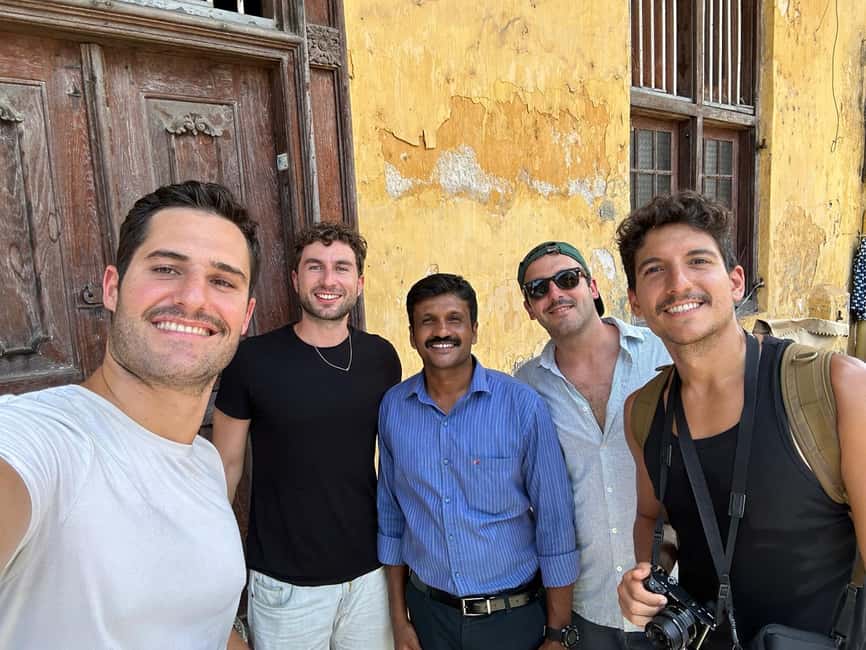
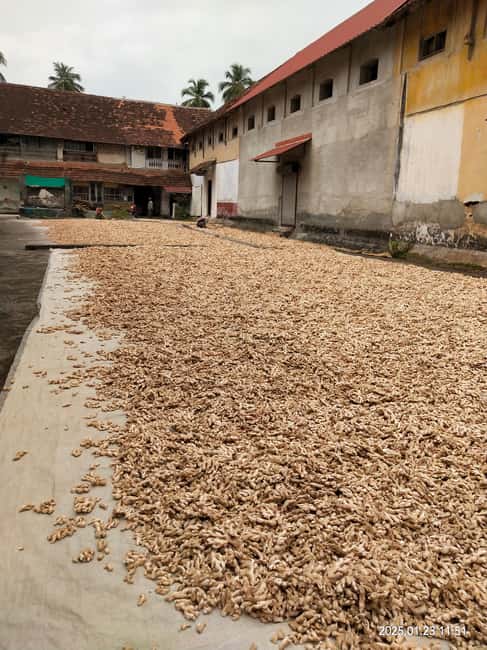
One of the strongest reasons to book is the way the tour treats Kochi as a spice-trading hub. You’ll spend time with the city’s spice legacy, including visits to ginger warehouses and spice processing areas.
Why this matters: spices are easy to romanticize as souvenirs. But when you see storage and processing spaces in context, you start understanding the logistics behind the romance—where goods were held, how work was organized, and how Kochi fit into worldwide trade networks. Even if you don’t shop for spices, you’ll come away with a clearer mental map of how this port city operated.
If you want photos, you’ll get plenty. More importantly, you’ll understand what you’re photographing.
Candle-making, papadam-making, and Dhobi Khana laundry
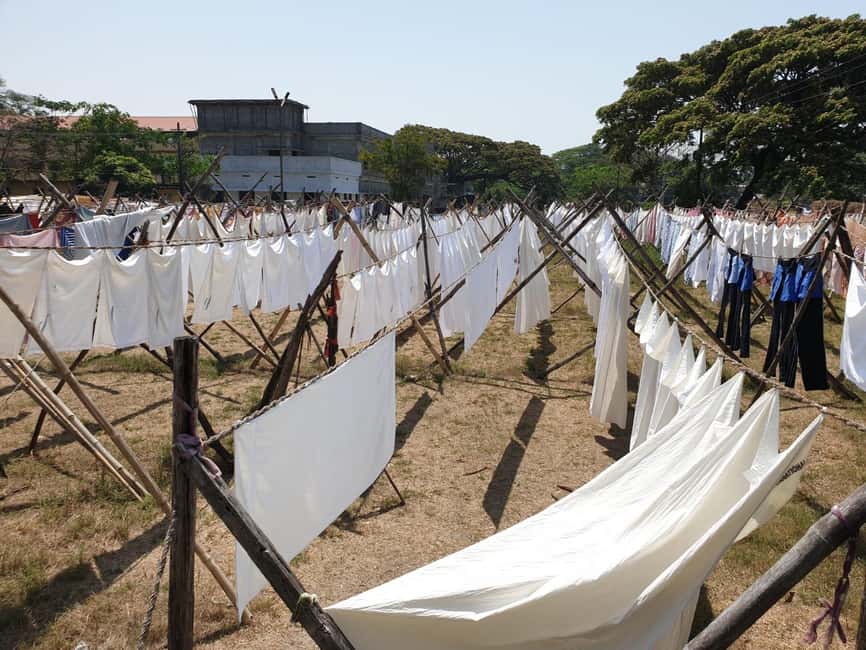
This is where the tour gets practical in a good way.
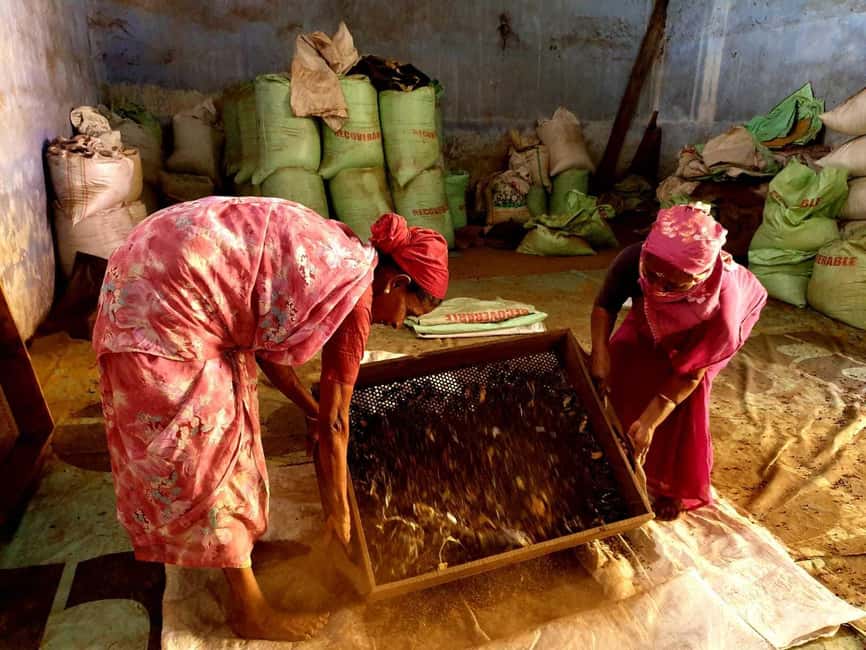
You’ll visit traditional units for candle-making and papadam-making. These stops show craft techniques that are still part of daily life, not staged performances. Watching food and household production up close also helps you connect the historical trading story to what people consume and use now.
Then there’s Dhobi Khana, the open-air laundry area. It’s an excellent “daily life” contrast to the colonial buildings and trade-story stops. You’re not only learning how Kochi was shaped by outside powers—you’re also seeing how ordinary work continues on.
One practical consideration: these are active craft and laundry environments. Wear shoes you don’t mind getting scuffed, and keep water handy. Bring an umbrella if rain is possible, since open spaces are part of the experience.
Mattancherry and the Dutch Palace stop (and why Fridays change things)
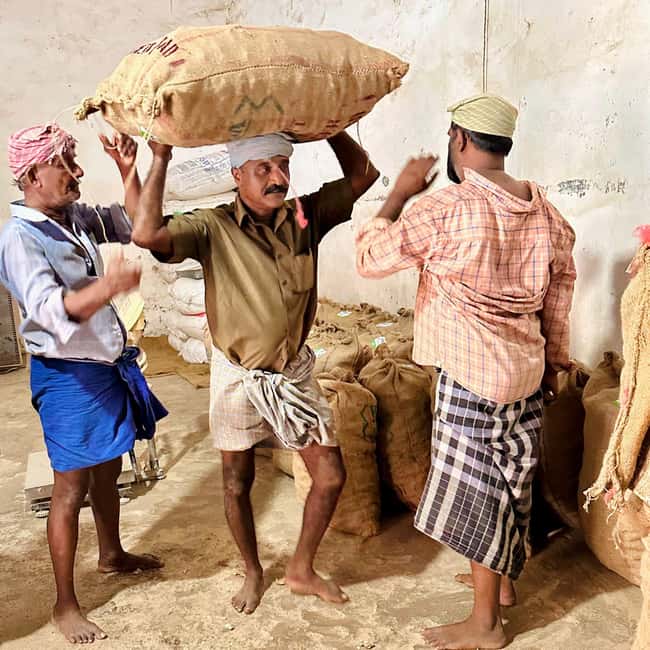
Mattancherry is where the tour’s colonial thread tightens. Dutch Palace (Mattancherry Palace) entry is included, and it’s typically one of the anchors of the afternoon. This is one of the places where you’ll feel the Dutch presence in the buildings and the look of power structures.
There’s a key scheduling detail: the Dutch Palace is closed on Fridays. On those days, the tour includes alternate sights. So if you’re traveling on a Friday and this palace is your top priority, plan to confirm the substitute stops with the guide message you’ll receive before the tour.


Jew Town and Paradesi Synagogue: a living community story
Jew Town (Jewish Quarter) is a major highlight, partly because it’s not just about a single building. You’ll hear how different communities lived side by side—over time—and how that shaped Kochi’s social fabric.
The tour includes a visit to Paradesi Synagogue, but opening days can matter:
- Paradesi Synagogue is closed on Friday afternoon, Saturdays, and Jewish holidays.
If it’s closed on your day, the tour should route you to alternate sights. That’s important for planning your expectations. The broader Jew Town story still comes through, even if you can’t enter the synagogue building itself.
If you’re the type who likes context (not just architecture), this section can be a turning point. It helps you see Kochi as a port city where trade and migration formed long-term communities—not just temporary visitors.
Chinese fishing nets and everyday Kochi life
Expect to see the famous Chinese fishing nets. The tour’s format is built for close viewing, so you can watch how the nets operate rather than only taking a distant snapshot.
This stop also helps you balance the European-era and spice-trade stories. It brings you back to the working coastline—where history connects to how people still earn a living.
A small but useful detail: the tour often includes time for a short break in between walks. In past runs, that has included grabbing a local drink like a lassie. It’s not a guarantee, but it’s common to have a moment to cool down and regroup.
What you’re really paying for with a $25 price
At $25 per person for a 3-hour walking tour, the value is in three places:
- Included entry: Dutch Palace is included. That immediately reduces your out-of-pocket costs compared with tours that only explain and point.
- Craft and trade stops: candle-making, papadam-making, ginger warehouses, spice processing areas, and Dhobi Khana aren’t the kind of “optional” museum add-ons that disappear if you choose to do things yourself.
- Access through a long-time local: Biju has been running Fort Kochi and Mattancherry tours for about 10 years, and that kind of experience shows in how he routes you to smaller, story-heavy corners and keeps the pace moving.
There are a couple of cost considerations:
- Synagogue entrance fees are not included, even though the route includes Paradesi Synagogue as a stop when it’s open.
- You may make purchases at markets or artisan units, but that’s optional.
Overall, if you want more than sightseeing photos—if you want the why behind the buildings and crafts—this price can feel very fair.
What to bring, how to dress, and when to avoid discomfort
You’ll cover real ground, so pack for walking and weather:
- Comfortable shoes
- Sunglasses and sunscreen
- Hat (sun can be intense)
- Umbrella (useful for sudden showers and shade)
- Insect repellent
- Scarf (handy for sun, wind, or when you want extra coverage)
Dress rules are also worth noting:
- Avoid short skirts and sleeveless shirts.
If you’re considering the timing, remember that heat can be a factor. One practical note from past timing: 2pm–5pm can be very hot and humid in February. If you’re sensitive to heat, prefer a morning slot.
Finally, the tour isn’t suitable for everyone:
- Not recommended for limited mobility, wheelchair users, severe back problems, heart conditions, or pregnant women.
Should you book this Fort Kochi heritage walking tour?
Book it if you want Kochi explained through the things that made it a global crossroads: spices, crafts, trade warehouses, and community landmarks. I also think it’s a great fit if you like guides who can connect multiple eras without turning them into a dry textbook.
Skip it (or choose a different format) if you don’t handle 3–3.5 hours of walking well, or if access to Paradesi Synagogue matters more to you than the wider Jew Town story. And if you’re traveling on a Friday, double-check that you’ll be happy with the alternate sights since Dutch Palace is closed that day and synagogue hours can shift.
If your goal is to leave Fort Kochi with a clearer sense of how Arab, Chinese, Portuguese, Dutch, and British influence shaped daily life—this tour is built exactly for that.