REVIEW · DALI
9 days Ancient Town Tour
Book on Viator →Operated by Ciel Yunnan · Bookable on Viator
This route has big scenery days and small-town days. You’ll move through Dali and Lijiang, with detours into Bai, Hui, and Tibetan culture along Yunnan’s old Tea Horse Road corridor. It’s a private, English-guided plan that keeps the logistics from eating your time.
Two things I really like: you get a set itinerary with built-in admissions on key sites, and you’re not stuck figuring out transport between remote stops. The other win is pacing that mixes famous highlights (like Tiger Leaping Gorge) with quieter places such as Nuodeng and Shaxi.
One possible drawback: this can feel like a marathon. If you don’t enjoy long drives plus active sightseeing, you’ll want to pace yourself and bring comfortable walking shoes.
In This Review
- Key Highlights You’ll Feel Immediately
- Dali to Lijiang: a real Tea Horse Road loop, not just ancient-town hopping
- Pickup, private group travel, and the English guide advantage
- Day 1 in Dali Ancient Town: Nanzhao-era atmosphere on arrival
- Xizhou Morning Market and Donglianhua Village: Bai and Hui culture in plain view
- Weishan Old Town plus Weibaoshan Taoist sites: temples with real architectural work
- Shaxi Ancient Town and Shibaoshan: cliffside Buddha art and a slower way to move
- Tiger Leaping Gorge to Shangri-La: river drama, then Tibetan prayer wheels
- Ganden Sumtseling Monastery and the ride to Lijiang: Tibetan scale and town energy
- Lijiang Ancient Town early, plus Baisha, Shuhe, and Jade Lake views
- Price and logistics: what $1,820 buys you, and what you still plan for
- Should you book this Ancient Town Tour?
- FAQ
- Does the tour include pickup from the airport or railway station?
- Is this a private tour?
- What meals are included?
- Are admission tickets included for the sights?
- What should I budget for if I book?
- What if I need to cancel?
Key Highlights You’ll Feel Immediately
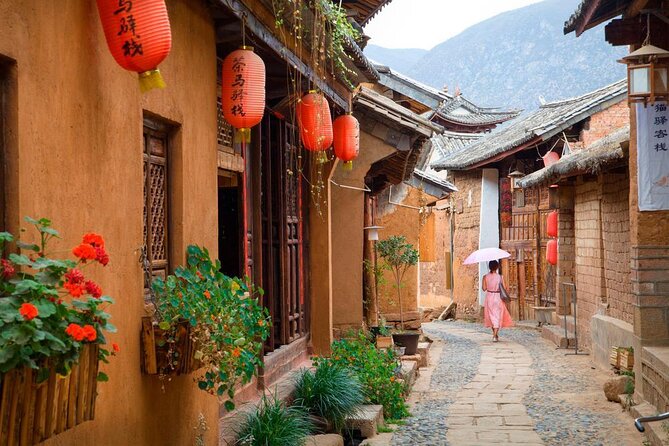
- Tea Horse Road villages beyond the postcards: Bai and Hui communities, not just the headline sights
- Hard-to-arrange stops are handled for you: places like Weibaoshan Taoist sites and Tiger Leaping Gorge
- An English-speaking guide plus private group travel: fewer delays, more time on site
- Tibetan culture in Shangri-La County: Ganden Sumtseling Monastery and local markets
- Ancient towns early enough to breathe: Lijiang-style touring before the biggest crowds
Dali to Lijiang: a real Tea Horse Road loop, not just ancient-town hopping
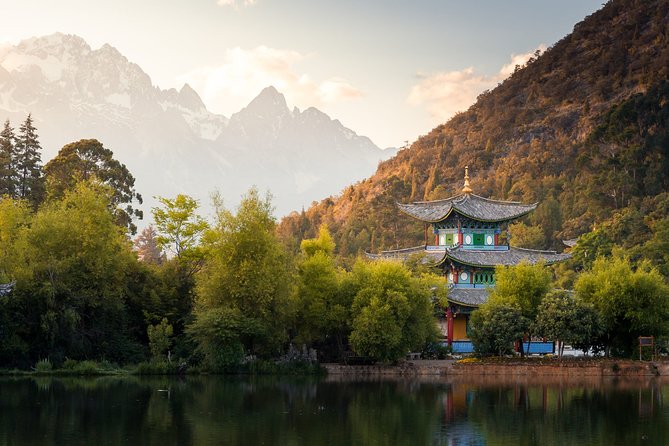
This is a classic north-to-south Yunnan circuit that starts in Dali and ends in Lijiang, with a string of culturally different towns in between. The tour’s theme is less about one single attraction and more about seeing how Yunnan’s ethnic groups lived, traded, and built places of worship along historic routes.
What makes it feel worthwhile is the mix. You’ll get the well-known Instagram stops, but you’ll also spend time in smaller towns where the day-to-day looks more normal: markets, older streets, tea and daily food culture, and religious sites tied to Ming and Qing-era architecture.
Because it’s built as a package with pickup, transport, guiding, and included meals and lodging, you also save the mental energy of planning. That matters if it’s your first time in China or your first time in this region.
Pickup, private group travel, and the English guide advantage
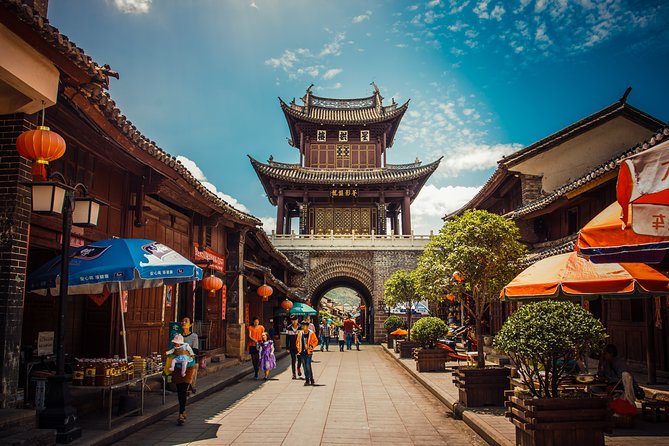
The tour uses an air-conditioned vehicle and includes an English-speaking guide. On arrival day, you’re met at the airport or railway station by a guide holding a nameplate, then transferred to your hotel by private car. The hotel check-in is after 14:00, so plan for an easy arrival rather than expecting immediate room access.
This setup is ideal if you want to avoid the typical “where do we go next?” stress. You’re also less likely to get stuck waiting around for tickets, directions, or translation.
One more practical note from real-world experience with this kind of tour: you can end up with a specific guide and driver team. In past groups, Nancy and Ms Yanzi have been highlighted for clear explanations, and Mr. Herr and Mr. Hu have shown up as drivers/partners. If you have preferences (like no smoking in the car), it’s smart to say so upfront; one concern raised in the past was driver smoking.
Day 1 in Dali Ancient Town: Nanzhao-era atmosphere on arrival

Your first day is all about getting grounded in Dali Old Town after pickup and transfer. The tour includes time at Dali Ancient Town, with an admission ticket included.
This is the right way to start: rather than rushing straight to a mountain or a long drive, you land, settle into the rhythm of the old town, and get a feel for the area. You’ll see the layered past of Dali as the former seat of the imperial capital of Nanzhao, which sets context for the rest of the trip.
Practical tip: since hotel check-in is after 14:00, you may want a light plan for the remaining hours—mostly easy strolling, early sleep, and hydration.
Xizhou Morning Market and Donglianhua Village: Bai and Hui culture in plain view
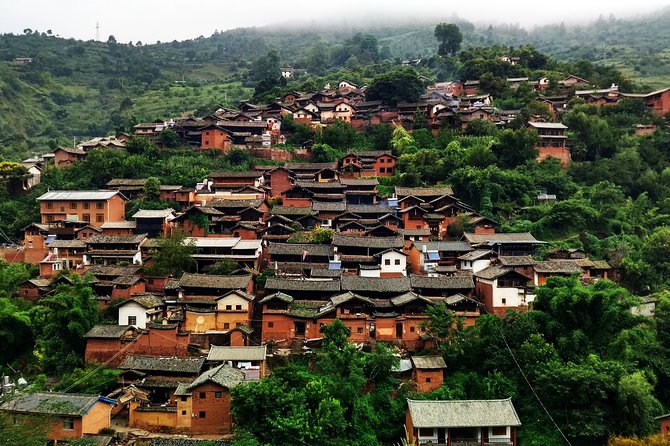
Day 2 takes you to Xizhou Town for the Xizhou Morning Market. Admission is free, and you get a focused look at old, well-preserved folk houses linked to Bai culture. It’s not a staged museum vibe; it’s a real morning scene.
Then you head to Weishan (with a stop along the way at Denglianhua Village). Denglianhua is a Hui minority settlement, and the included visit includes the Tea and Horse Museum plus a local mosque. That combination is useful because it connects trade history with living religious architecture.
After that, you tour Weishan Ancient City and have time to wander wooden houses, small stalls, and a museum with unique artifacts. Since the admission is free here, the value comes from your time on foot and your guide’s storytelling.
What to expect: photo opportunities, but also lots of small details—doorways, courtyards, neighborhood streets. If you like travel that feels human-scale, this is one of the better days.
Weishan Old Town plus Weibaoshan Taoist sites: temples with real architectural work
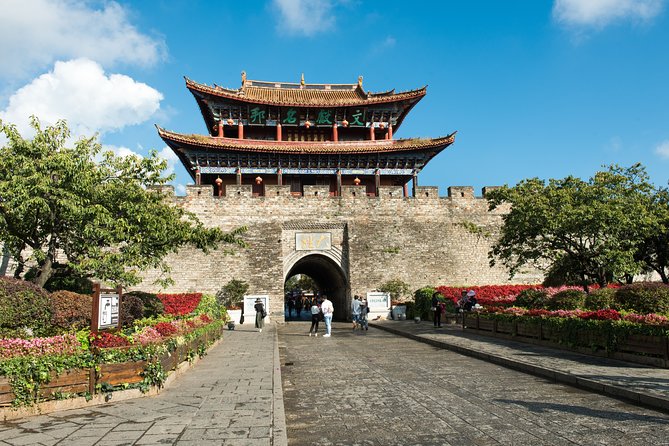
On Day 3, the schedule balances a temple visit with travel time. First up is Weibaoshan Mountain, one of China’s famous Taoist mountains, where there are 22 Taoist temples built during the Ming and Qing dynasties.
Admission is included, and the attraction here isn’t just the label “Taoist.” It’s the number of temples and the architecture from those later imperial periods. If you’re the type who enjoys religious sites for their design and craftsmanship, this stop feels like a strong use of tour time.
After that, you travel to Nuodengzhen (about a 4-hour drive). This village is described as the “Millennium Bai Village,” and it’s known as a historic and cultural village in Yunnan’s mountainous region. You get a sightseeing hour on arrival day, and then a second morning on Day 4 to wander the ancient buildings and cultural relics from the Ming and Qing dynasties.
One thing to keep in mind: mountain villages often mean cooler air and changeable weather. Bring a layer, even if Dali felt warm.
Shaxi Ancient Town and Shibaoshan: cliffside Buddha art and a slower way to move
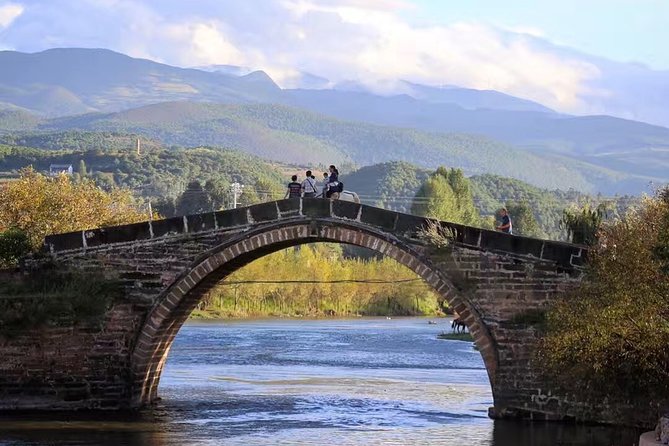
Day 4 brings you to Yunnan Shaxi Ancient Town after another long transfer. On the way, you’ll pass ancient bridges, and once you arrive, you explore the old town, the Shaxi River, and Xingjiao Temple. Admission is free for this portion, so the value depends on how much you enjoy walking and letting the day unfold.
Day 5 is the highlight for many people who like dramatic religious sites: you start at Shibaoshan Caves and Baoxiang Temple, which hangs on the cliff and houses colorful Buddha statues inside. Admission is included, and you also get a guided walk component (including time walking from Shibaoshan Caves to Shaden, where specified).
Then you swing back to Shaxi Ancient Town for the afternoon, with an included option to explore the countryside by bike or horse. Admission is included for that activity, but the bigger benefit is that you’re moving beyond the town center and seeing how the surrounding terrain shapes daily life.
If you’re prone to motion sickness or you’re worried about physical strain, ask the guide in advance what the bike/horse option looks like on the day. The data also flags moderate fitness, and real-world feedback has noted this can be a lot if you don’t like long, steady walking.
Tiger Leaping Gorge to Shangri-La: river drama, then Tibetan prayer wheels
Day 6 moves to Tiger Leaping Gorge (Hutiao Xia). This is one of those scenic names you’ve probably heard, and the tour treats it respectfully: you get time to see the gorge on the Jinsha River, with admission included.
Then the drive continues to Shangri-La County, where you stroll Shangri-la Old Town and visit Guishan Temple, which is described as home to a massive prayer wheel. Admission is free for the old-town stroll, with the temple visit included in the plan.
This day works because it changes your brain. One moment you’re looking at a dramatic canyon view; the next you’re in a town setting with religious symbolism you can actually walk up to.
Practical note: canyon days often mean cool winds and sun gaps. Bring sunscreen and a layer you can adjust.
Ganden Sumtseling Monastery and the ride to Lijiang: Tibetan scale and town energy
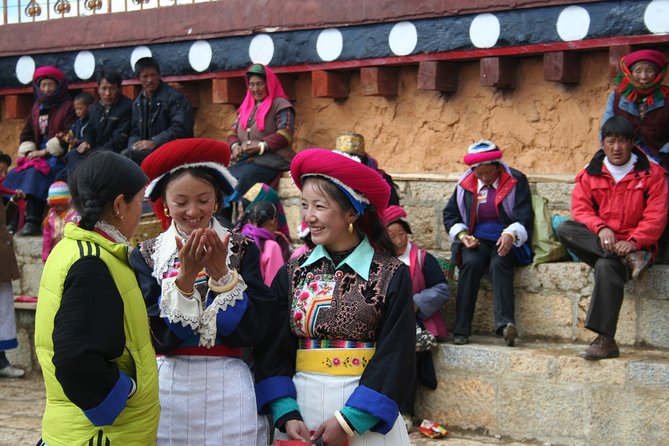
On Day 7, you start with a pickup at your hotel and visit a local Tibetan market, then head to Ganden Sumtseling Monastery. This monastery is described as the largest Tibetan monastery in Yunnan, nicknamed Little Potala. Admission is included.
The key value here is scale. Monasteries like this aren’t just architecture; they’re a place where you can understand how communities organize devotion and daily rhythms.
After Shangri-La, you travel to Lijiang (about 4–5 hours). This is one of those long-transfer days, so it helps that the vehicle is air-conditioned and you’re not doing logistics yourself.
Lijiang Ancient Town early, plus Baisha, Shuhe, and Jade Lake views
Day 8 is your Lijiang “see it before it gets crowded” day. You visit Lijiang Ancient Town, with the schedule designed so you can explore before the biggest crowd pressure. Admission is included for the Dayan Naxi Ancient Concert component, and the plan also includes time at Black Dragon Pool and a chance to watch or join local square dancing.
Later, you go to Baisha Village for a Lijiang Mural visit, and then you head to Yuhu (Jade Lake) Village for views over the Jade Dragon Snow Mountain. After that, the itinerary includes visiting Naxi Baisha Village and Shuhe Village.
This mix is useful: you get town atmosphere, a cultural performance element, a natural viewpoint, and two village areas that help you understand the Naxi living spaces around Lijiang.
One practical caution: if you want to go higher altitude around Jade Dragon Snow Mountain, you should tell the tour team in advance so arrangements can be made. That’s been flagged as important, because altitude and logistics can change your experience.
Price and logistics: what $1,820 buys you, and what you still plan for
At $1,820 for 9 days, the price only feels high if you compare it to do-it-yourself travel. Compared to the cost of a private driver, English guiding, accommodation, and meals, it’s closer to a “buy time and reduce stress” deal.
Included value you should notice:
- Accommodation (so you’re not hunting hotels each move)
- Meals: breakfasts (8), lunches (7), dinners (3)
- Transport in an air-conditioned vehicle
- English-speaking guide
- Bottled water
- Multiple admission-ticket-included stops like Dali Ancient Town, Weibaoshan Taoist sites, Tiger Leaping Gorge, the monastery portion in Shangri-La, and parts of the Lijiang day
Not included (so budget for it):
- Tips for driver and guide
- Travel insurance
- Flights and visa fees
- Personal expenses
My advice: if you’re a first-timer in Yunnan or you prefer guided pacing, this price can feel fair. If you love independent travel and don’t mind figuring out transit and tickets, you can probably do it cheaper—but you’ll likely spend more time managing details yourself.
Should you book this Ancient Town Tour?
Book it if you want a structured Yunnan circuit that covers Dali + Shaxi + Tiger Leaping Gorge + Shangri-La + Lijiang, with an English guide and included lodging and meals. This is especially good for your first time in the region or for anyone who wants to see more than one “world” without the hassle of arranging everything between towns.
Skip it (or adjust your expectations) if you dislike long drives, lots of walking, or you’re sensitive to altitude changes. The tour notes moderate physical fitness, and there’s also a real warning that the schedule can feel like a marathon if you’re not used to steady sightseeing for many hours.
If you do book, send the team your preferences early—especially anything related to altitude plans and how you feel about long walking days. That’s the easiest way to make the trip match your comfort level.
FAQ
Does the tour include pickup from the airport or railway station?
Yes. On Day 1, you’re met at the airport or railway station by a guide holding a nameplate and transferred to your hotel by private car. The hotel is noted as available after 14:00.
Is this a private tour?
Yes. This is listed as a private tour/activity, meaning only your group participates.
What meals are included?
The tour includes breakfast (8), lunch (7), and dinner (3).
Are admission tickets included for the sights?
Some are. The itinerary specifies admission included for certain stops like Dali Ancient Town, Weibaoshan Taoist sites, Shibaoshan caves/temple, Tiger Leaping Gorge, Ganden Sumtseling Monastery, and parts of the Lijiang day. Other stops are marked as free.
What should I budget for if I book?
You’ll still need to plan for tips for the driver and guide, travel insurance, flights, and visa fees (visa is required for most travelers). Personal expenses are also not included.
What if I need to cancel?
You can cancel up to 6 days in advance for a full refund. Shorter timelines reduce or eliminate refunds, based on the local time of the experience start.