REVIEW · VARANASI
Heritage Walking Tour in Varanasi
Book on Viator →Operated by Spiritual Tours of Varanasi · Bookable on Viator
The Ganges turns a walk into a lesson. In just about two hours, this Varanasi heritage walking tour links major Shiva sights with the river’s working spiritual spaces, so you get the why behind the visuals.
I love that it’s built around real places people use, not just photo stops. And I especially like the way your guide, often Manish, keeps things organized while staying patient and responsive to your pace and questions.
One consideration: Manikarnika Ghat is a cremation ground, so you should expect emotionally heavy moments and plenty of activity around death rituals.
In This Review
- What makes this walking tour special
- A morning walk from Girja Ghar Chauraha to the Ganges edge
- Kashi Vishwanath Temple: Shiva and the Jyotirlinga pull
- Nilkantheshwar Temple Ghat and the Beach of Narmada stop
- Man Mandir Ghat: 16th-century windows into devotion
- Domraja Palace and the Dom community behind the cremation grounds
- Kathwala (Nepali) Temple: Kanthwala wooden artistry
- Manikarnika Ghat: death, ritual, and the Ganges at work
- How your guide Manish turns stones and steps into meaning
- Value for around $21: what you gain in two hours
- Who should book this Varanasi heritage walk
- Should you book this Varanasi heritage walking tour?
- FAQ
- How long is the Heritage Walking Tour in Varanasi?
- Where does the tour start?
- Is this tour private?
- What ticket do I receive?
- Are there admission fees for the stops?
- Can I cancel for free?
What makes this walking tour special
- Kashi Vishwanath Temple as a major Shiva stop tied to the Jyotirlinga tradition
- Man Mandir Ghat with 16th-century Raja Man Singh of Amer connections and ornate window carving
- Domraja Palace and the Dom community’s role as custodians of cremation grounds
- Nepali Temple (Kathwala / Mini Khajuraho), including the meaning behind the name Kanthwala
- Manikarnika Ghat on the Ganges, one of Varanasi’s most important cremation ghats
A morning walk from Girja Ghar Chauraha to the Ganges edge
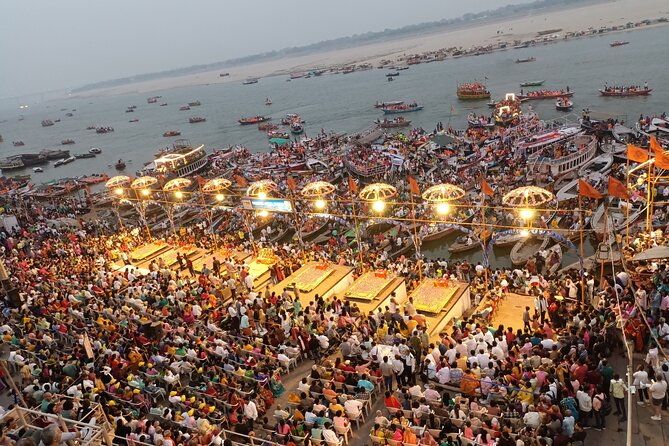
This tour is designed for the morning along the ghats, the stepped riverbanks where Varanasi life and faith meet. You start at Girja Ghar Chauraha and end back there, which is a real help when you’re still trying to learn where you are in Varanasi.
It’s also a private experience, meaning only your group participates, so you’re not forced into a crowd rhythm. The plan is roughly 2 hours, and the stops are fairly timed (some around 10–20 minutes, with one longer segment). That pacing matters because the ghats can feel maze-like—short blocks help you take everything in without burning out.
Logistically, you’ll have a mobile ticket, and the meeting area is noted as near public transportation. Good news if you’re pairing this with other Varanasi plans: you’re not stuck planning a complicated trek across town just to begin.
You can also read our reviews of more walking tours in Varanasi

Kashi Vishwanath Temple: Shiva and the Jyotirlinga pull
The walk begins with Kashi Vishwanath Temple, a Hindu temple dedicated to Shiva in Vishwanath Gali. It’s not a minor side shrine—it’s listed as one of the twelve Jyotirlinga shrines, which is a major pilgrimage category in Shaivism.
What I find useful here is how this stop sets the tone. Varanasi can feel like spiritual overload at first. But when you start with a place that’s clearly tied into a wider religious map (the Jyotirlinga idea), it helps you understand that what you’re seeing along the ghats isn’t random—it’s connected.
Expect to be close to temple life and the lanes that serve pilgrims. The guide’s job at a moment like this is to help you make sense of the symbols and why a Shiva-centered city creates so much movement around the river.
Nilkantheshwar Temple Ghat and the Beach of Narmada stop
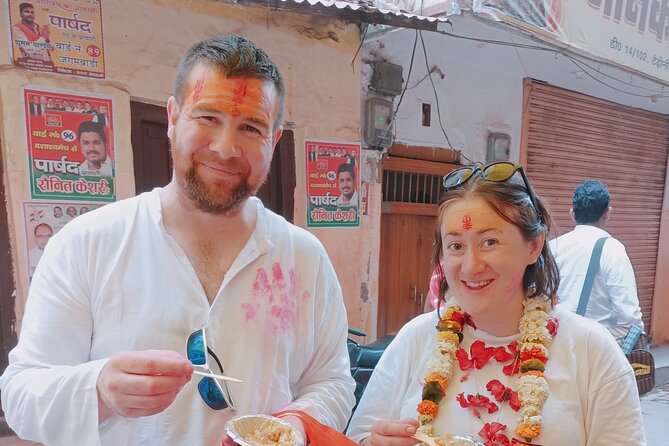
Next you head to Beach of Narmada, Nilkantheshwar Temple Ghat. This is one of those locations where the names alone tell you something: a ghat area framed by the “Narmada” reference, and a Shiva-linked temple name through Nilkantheshwar.
You’re there for about 20 minutes, which is long enough for a couple of things: to orient yourself to the ghat’s riverfront layout and to understand how this spot fits into the overall river-spiritual rhythm of Varanasi. If you’re new to the city, this segment is your “slow down and watch” moment before you move into places that are even more intense.
A practical note: ghats are working spaces. Even when a stop is brief, you’ll be sharing space with locals moving through their day.
Man Mandir Ghat: 16th-century windows into devotion
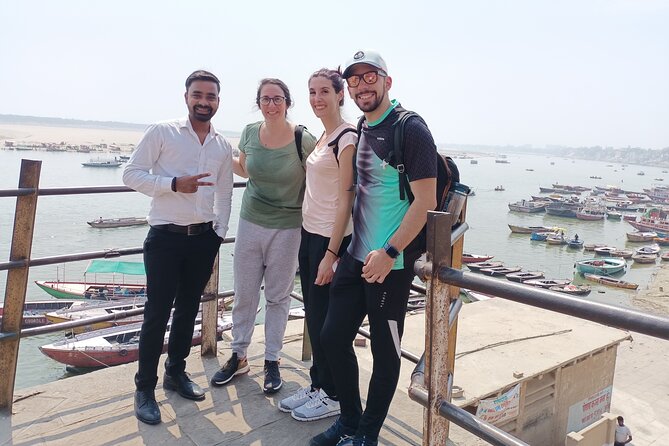
Man Mandir Ghat (earlier known as Someswara Ghat) is a standout stop for architecture and storytelling. It was built in the 16th century CE by Raja Man Singh of Amer, and it was later renamed after him. The site is also noted for a magnificent palace here and for exquisite ornate window carvings.
You’ll spend about 20 minutes here, and this is one of the best times in the tour to slow your brain down and look carefully. Ornate window work isn’t just decoration—it’s a sign of how rulers invested in sacred spaces and how art traveled with religion and power.
If you like tying names to structures, this ghat is useful. You hear who built it, when, and how the details still signal status and devotion. It’s also a nice contrast to purely ritual-focused stops, because you’re seeing craftsmanship up close.
Domraja Palace and the Dom community behind the cremation grounds
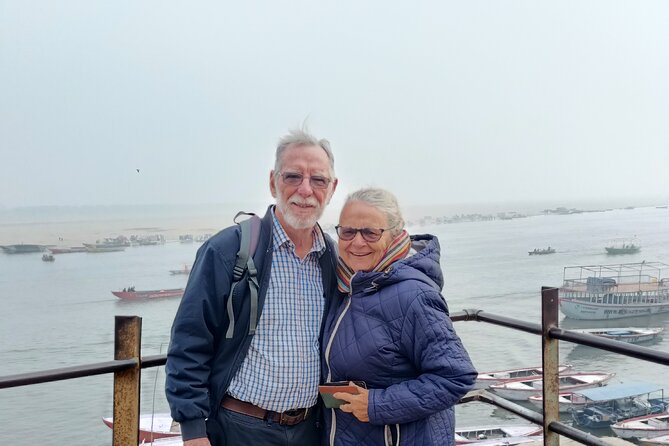
Domraja Palace is short—about 10 minutes—but it carries major weight. The Dom community is described as the traditional custodian of the cremation grounds. The Doms are described as keepers of a sacred fire that is never allowed to die down, and as the cremators of the dead.
The tour connects this role directly to what happens at Manikarnika Ghat, where the Dom community is described as having the chief cremation undertakers. That link matters. Without it, a cremation ghat can feel like only spectacle. With context, it starts to feel like a system—roles, rituals, and responsibilities that keep daily sacred work running.
Because the subject matter is serious, keep your tone respectful and your questions thoughtful. This stop is here to explain meaning, not to sensationalize death.
You can also read our reviews of more historical tours in Varanasi

Kathwala (Nepali) Temple: Kanthwala wooden artistry
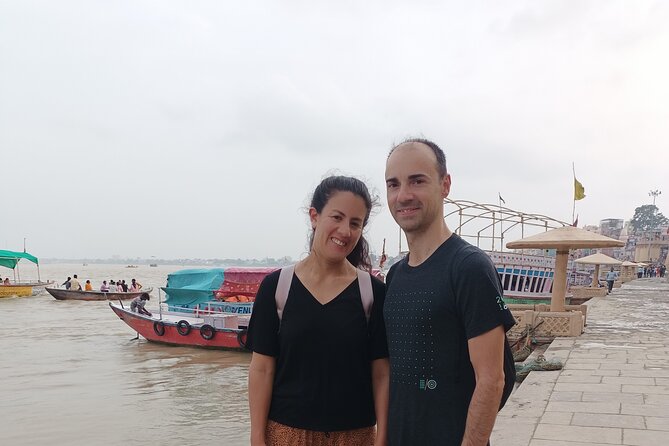
Then you shift from river life to temple life at Nepali Temple, also known as Kathwala Temple. It’s described with multiple names: Shri Samrajeswar Pashupatinath Mahadev Mandir, Kanthwala Mandir, and Mini Khajuraho.
One detail I like a lot for helping you remember the place: Kanthwala is noted to mean wooden. That gives you a simple mental handle while you’re standing there, because you can focus on what makes this temple feel different from stone-dominant religious architecture you might see elsewhere.
You’ll have about 20 minutes here. This is a good stop when you want your tour to breathe—less intensely physical than the ghats, more about symbols and stories. The guide can also explain the mix of names tied to Shiva forms and associated Hindu worship traditions, turning the jumble of temple titles into something you can follow.
Manikarnika Ghat: death, ritual, and the Ganges at work
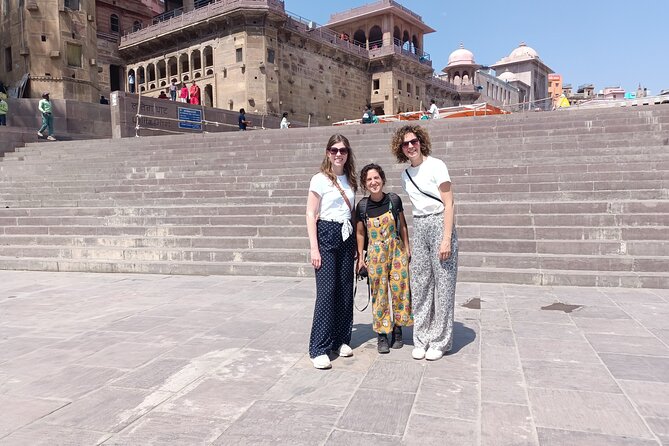
The final major segment is Manikarnika Ghat. It’s described as one of the holiest cremation grounds among Varanasi’s sacred riverfronts, located on the Ganges. In Hinduism, death is described as a gateway to another life marked by spiritual ideas of transition and renewal—so this place is not just about ending. It’s about what comes next.
You’ll spend about 30 minutes here, which is longer than most stops on the walk, and that makes sense. This is the emotional center of the route, and time helps you process what you’re seeing.
A key consideration: even if you choose not to stare, you’ll still be near ongoing rituals connected to cremation. If you get uncomfortable with strong sights or smells, you should know this up front before you commit.
How your guide Manish turns stones and steps into meaning
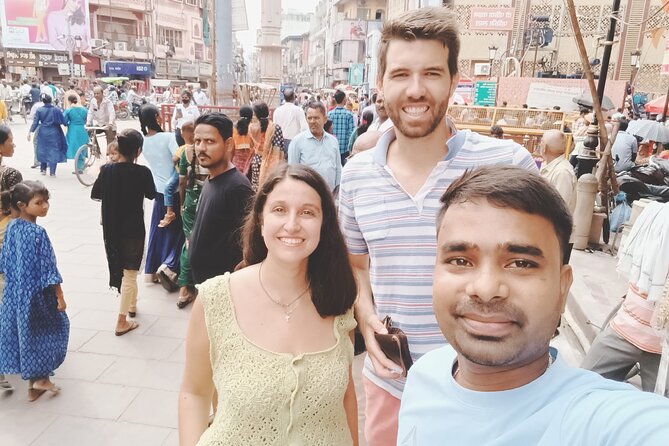
The biggest reason this tour gets consistently strong ratings is the guide experience. In the feedback, Manish comes across as attentive, patient, and very willing to answer questions. People also highlight that his English is strong, and that he can adapt to a pace that works for you—one review even called out a slower rhythm for someone traveling with an older mother.
That matters more than it sounds. Varanasi’s “stuff happening everywhere” can make sightseeing feel like you’re just moving from one landmark to the next. A patient guide changes it into a route you can understand. You hear what the place is, why it exists, and what name you’re actually looking at—like the multiple titles for Nepali Temple or the relationship between Domraja Palace and Manikarnika Ghat.
If you like asking follow-up questions, this is your kind of tour. The format is private, so you’re not forced to keep pace with strangers who aren’t interested in the meaning behind the carvings or the structure of Shiva worship.
Value for around $21: what you gain in two hours
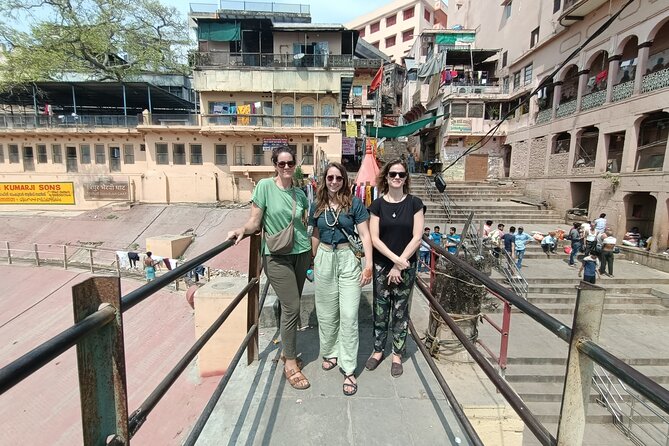
At $21 for about 2 hours, the value is mostly about focus. This isn’t a long full-day undertaking. Instead, it’s concentrated on a tight cluster of iconic places around the Ganges ghats and major temple sites.
Another value signal: the stops are marked as admission ticket free. That means you’re paying primarily for guidance, explanation, and route planning around places that are easier to understand with local context.
You’re also getting a walking tour style rather than a vehicle-based one. In Varanasi, that’s the right trade-off. The best parts aren’t only views from a distance. They’re the details you see when you’re close—temple lanes, ghat geometry, and the way riverfront spaces hold spiritual work.
If you’re trying to do one guided experience early in your trip, this price point makes it a low-risk way to get oriented.
Who should book this Varanasi heritage walk
This is a good fit if you want a guided introduction to Varanasi’s spiritual geography—especially the Shiva anchors and the riverfront ritual spaces. It’s also a solid choice if you like culture and architecture and you want someone to connect the dots for you, stop by stop.
It can also suit people traveling with mixed energy levels. One theme from the feedback is that the guide adapts and prioritizes comfort, which is helpful when you have different walking preferences in the group.
The main “think twice” factor is emotional readiness. Manikarnika Ghat is a cremation ground, and that can be heavy even if you already know what to expect. If you’re very sensitive to death rituals, plan another kind of day.
Should you book this Varanasi heritage walking tour?
Book it if you want a clear, walkable route that links temple devotion with the working spiritual life of the Ganges ghats—and you want a guide like Manish who can explain what you’re seeing in plain language.
Skip it (or consider an alternative) if cremation-related spaces are going to overwhelm you. The tour doesn’t hide the reality of the place, because that honesty is part of the understanding.
If you’re on a time crunch and you’d rather pay a fair amount for a focused guided walk than piece together multiple stops on your own, this one is a strong option.
FAQ
How long is the Heritage Walking Tour in Varanasi?
The tour duration is approximately 2 hours.
Where does the tour start?
The start point is Girja Ghar Chauraha, Girja Ghar, Varanasi, Uttar Pradesh, India. The activity ends back at the meeting point.
Is this tour private?
Yes. It’s a private tour/activity, and only your group participates.
What ticket do I receive?
You receive a mobile ticket.
Are there admission fees for the stops?
The listed stops are marked as admission ticket free.
Can I cancel for free?
Yes. You can cancel up to 24 hours in advance for a full refund.