REVIEW · TIRANA
Albanian Heritage Walking Tour in Tirana
Book on Viator →Operated by Albanian Night · Bookable on Viator
A short cultural stop can change how you see a city. Albanian Night in Tirana pairs a ticketed performance with real cultural context, from folk wedding moments to living traditions. I especially like the chance to dress in traditional clothing and join in the dance, and I love that the same site also has Albanian Bazaar for handmade souvenirs that support local artisans. One possible drawback: the tour itself is only about 20 minutes, so if you want extra classes or a longer look around, you’ll need to plan extra time on your own.
This is a practical option when you’re short on time but still want something genuinely Albanian. The cultural center is free to visit whenever you want, while the show and daily classes need a ticket, and you can use a mobile ticket at the venue. If you’re hoping for a long walking route through Tirana’s neighborhoods, this is more of a focused stop at one strong cultural hub than a full-on stroll.
In This Review
- Key highlights you’ll actually care about
- Why Albanian Night is a smart first stop in Tirana
- Getting there and how the 20 minutes work in real life
- The Albanian Night show: costumes, folk dance, and the Leka-led wedding scene
- What to do when they invite you to dance (and how to not freeze)
- The drink and the small comfort that makes it feel worth it
- Albanian Bazaar on site: souvenirs with a real local story
- Price and value: why $7.15 can make sense here
- How this fits different travel styles (and who should book)
- Practical tips before you go
- Should you book Albanian Heritage Walking Tour in Tirana?
- FAQ
- How long is the Albanian Heritage Walking Tour at Albanian Night?
- What is the price per person?
- What does the ticket include?
- Where do I meet for the experience?
- Will I need to buy any extra tickets?
- Do they use a mobile ticket?
- Is it near public transportation?
- What is the maximum group size?
- If you want to go ahead
Key highlights you’ll actually care about
- A 20-minute ticketed program so you can fit it into a busy Tirana day
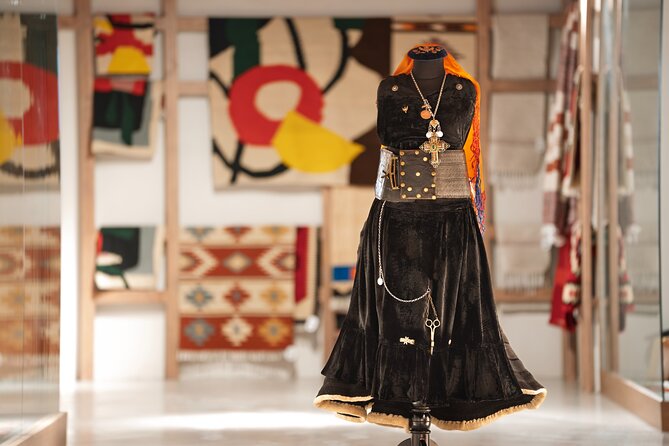
- Costume dressing and dance participation you can join, not just watch
- Leka as the host/moderator, guiding the ceremony with humor and context
- A Kanun-linked theme that connects traditions to older social rules
- Albanian Bazaar on site, useful for gifts and supporting craft work
- Small-group feel with a maximum of 60 people
Why Albanian Night is a smart first stop in Tirana
If you want a fast way to understand Albania beyond photos, start here. Albanian Night is Tirana’s first-ever ethnocultural center focused on traditions, customs, gastronomy, and history. The big win is that the cultural info isn’t delivered like a lecture. It’s built into a show that blends storytelling, music, and audience involvement.
I like the way the program touches different parts of Albanian culture at once. You’re not only watching folk dance; you’re also learning the meaning behind what you see—through a themed performance that includes role-play elements from times tied to the Kanun, Albania’s ancient legal codex. That detail matters, because it gives the traditions more weight than just costumes onstage.
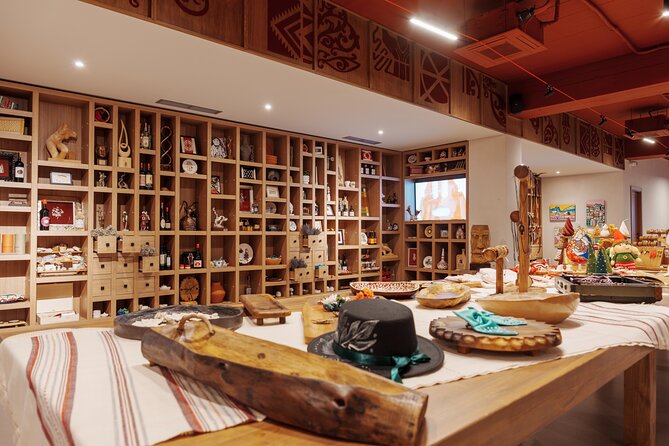
The other reason I recommend this stop: it’s also a place to shop for real craft items without turning it into a stressful market hunt. Albanian Bazaar is the largest souvenir shop and artisanal hall in the Balkans (per the venue’s own claim), so you’re likely to find more than mass-produced trinkets. And since purchases support the artisanal economy and income for rural Albanians, it’s shopping with a purpose.
You can also read our reviews of more tours and experiences in Tirana.

Getting there and how the 20 minutes work in real life
Your meeting point is Albanian Night, Levels -1 & -2, Rruga e Kavajës, Tiranë. The experience ends back at the same spot, so you’re not left stranded across town. It’s also listed as near public transportation, which is useful in a city where you may want to keep your day flexible.
Plan around the fact that the core experience is short: about 20 minutes with admission included. That sounds tiny, and it is. But the format is built to give you the main payoff fast. You’ll get the show experience plus a traditional drink, and then you can decide whether you want to stay longer inside the cultural center.
One practical thing: you’ll have a mobile ticket. Bring it up on your phone and keep it handy at arrival. Confirmation is received at booking, so you should be able to show your ticket without complicated back-and-forth.
Also, note the venue offers add-ons. If you want more than the show window, you can buy additional tickets or services on site. Just don’t assume every class or event runs at the exact time you’ll be there.
The Albanian Night show: costumes, folk dance, and the Leka-led wedding scene
Stop 1 is the heart of it: Albanian Night itself, where the signature show takes you into Albanian tradition through an interactive performance.
The show experience is built around a few big elements:
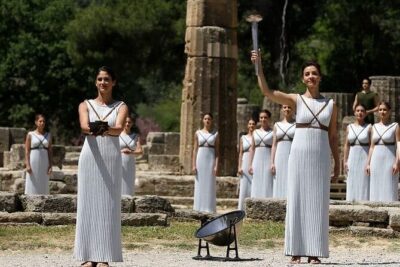
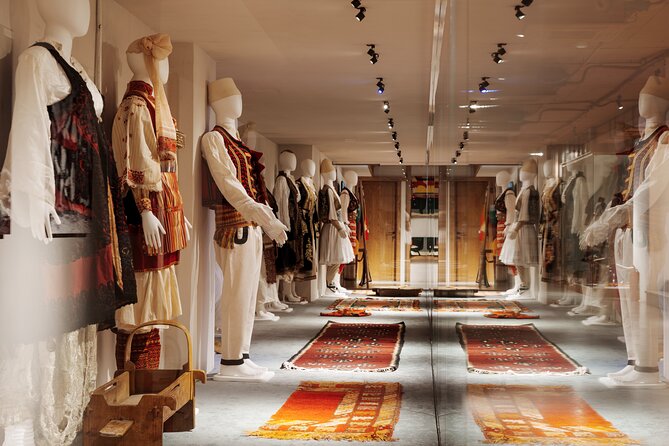
First, you’re invited into costume dressing. People can choose traditional outfits from different Albanian regions, and then wear them as part of the performance. That’s not a side activity; it’s part of what the cast uses to explain how ceremonies and community roles are expressed through clothing and movement.
Second, the performance has roots in older cultural framing. One described highlight is the idea of playing roles as villagers from times associated with the Kanun, Albania’s ancient legal codex. Even if you don’t know the Kanun already, the show gives you enough context to understand why it’s referenced: it’s a way of linking customs to older community structures and expectations.
Third, there’s a wedding-focused segment that comes across like a full ceremony presentation, with folk songs and dancing. You’ll see performances by singers and dancers who clearly know how to hold attention. And the host/mc, named Leka, moderates the different parts of the event while explaining what you’re seeing in a humorous, easy-to-follow way.
The big practical takeaway: this isn’t a passive show. The cast invites you to participate, including dance participation in a way that doesn’t feel like a random spotlight. You’re treated like part of the group at the right moments.
What to do when they invite you to dance (and how to not freeze)
If you’re the type who worries about being on the spot, good news: the program is designed to pull you in without making it awkward. You’ll likely notice the rhythm shift when the cast wants audience involvement. That’s your cue to say yes—at least to trying.
Here’s how to approach it so you get the most value:
- Say yes early, when they first ask or guide you. It reduces hesitation later.
- Keep your movements simple. Folk dance steps are often easier than they look once someone shows you how your timing should land.
- Follow the people next to you. The best dancer onstage isn’t the benchmark; your neighbor in traditional clothes is.
- Treat the costume as part of the experience, not just a photo prop. In this show, clothing and role-play go together.
Also, you’re not just being asked to stand there. The cast’s job is to explain the meaning of what’s happening while you’re involved. With Leka acting as moderator, the tone tends to stay light, so you can relax and focus on learning through doing.
And yes, it’s okay if you don’t become a dancer by the end of 20 minutes. The win is that you’ve participated in the ritual layer of culture, not only watched it from a distance.
The drink and the small comfort that makes it feel worth it
The ticket includes a traditional Albanian drink. The listing is specific that it’s not soda/pop—so you can expect something more local than a generic bottle.
For value, I like included extras like this because they signal what the venue wants you to feel: you’re not only there for entertainment, you’re there to experience small pieces of everyday culture. In a short program, that matters. You leave feeling like the money went toward more than just seats and stage lights.
If you’re sensitive to timing, the included drink is also helpful. You don’t have to scramble for refreshments before or during the show window.
You can also read our reviews of more historical tours in Tirana

Albanian Bazaar on site: souvenirs with a real local story
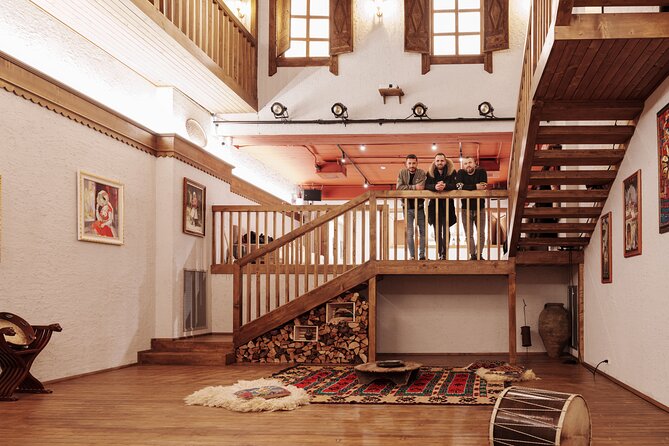
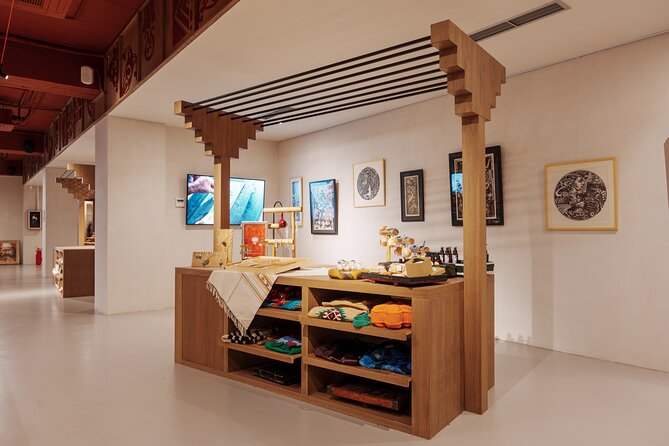
After (or alongside) the show time, Albanian Bazaar is one of the most practical reasons to pick this experience. It’s described as the largest souvenir shop and artisanal hall in the Balkans, housed within Albanian Night.
What I’d look for in a place like this:
- Handmade goods created by local craftsmen and artists
- Items that feel regional, not just generic souvenirs
- Work that shows craft details, like textiles, decorative pieces, or handcrafted items with visible effort
The key point isn’t just variety. The venue frames purchases as income support for rural Albanians and as part of preserving traditional craftsmanship. That gives you a better feeling about what you bring home, because it ties spending to community livelihoods rather than only packaging or novelty.
If you’re the kind of traveler who hates souvenir chaos, this is a strong option. You get one stop with a shop that’s part of the cultural mission, instead of wandering into random stalls where quality varies a lot.
Price and value: why $7.15 can make sense here
At $7.15 per person, this is priced like a cultural snack, not a big evening production. The trade-off is obvious: the experience is short—about 20 minutes.
So what makes it good value?
1) You’re paying for more than a performance
You’re paying for entry to the show portion, audience participation, a traditional drink, and the chance to wear traditional clothing as part of the program.
2) It’s a focused “start Albania” moment
If you have limited time, it’s hard to beat a short, structured cultural introduction. You’ll understand what Albanian folk traditions feel like in motion, not only as images.
3) There’s extra time potential without extra pressure
The cultural center can be visited free of charge at any time, while the show and daily classes need a ticket. That means even if your schedule doesn’t perfectly match the show timing, you may still be able to explore the space when it works for you.
One more value note: the maximum group size is 60 travelers. That doesn’t guarantee intimacy, but it suggests you’re less likely to be swallowed by a huge crowd.
How this fits different travel styles (and who should book)
This experience is a strong fit for:
- First-timers in Tirana who want a quick cultural introduction
- People who learn by doing, not only watching
- Friends or couples who want something easy to attend together with a social vibe
- Families who like participatory shows (as long as the kids are comfortable joining in)
- Solo travelers who want an activity with a friendly, guided feel
It might not be your best choice if you’re hunting for:
- A long guided walk through multiple Tirana neighborhoods
- A schedule-heavy program with multiple classroom sessions
- Something purely academic and lecture-based
Think of it like this: you’re buying a short window into Albanian tradition, plus the chance to interact with it. If you want more, you can add time at the cultural center or look for other ticketed programs there.
Practical tips before you go
A few small moves can improve your odds of a smooth experience:
- Check timing for the show and classes so you’re not arriving at a dead moment. The show and daily classes require a ticket, while the center is free to visit anytime.
- Plan for participation even if you’re shy. The show is built to include guests.
- Wear comfortable shoes in case you’re moving around during setup or dancing moments.
- Give yourself a bit of slack for the bazaar, since it’s part of the venue’s appeal.
If you’re doing Tirana in one day, I’d treat Albanian Night like an early anchor. It can give you a cultural “map” for the rest of your trip.
Should you book Albanian Heritage Walking Tour in Tirana?
Book it if you want an easy, low-risk taste of Albanian culture in a short time. For the money, you’re getting costume dressing, a folk performance with participation, a traditional drink, and access to a major craft-and-souvenir hall on site. It’s also in a venue that calls itself an ethnocultural center, and the program is clearly designed to explain what you’re seeing without making it heavy.
Skip or rethink it only if you’re expecting a long walking route or if you’re very schedule-dependent and can’t match the show window. Since the core experience is around 20 minutes, you’ll want to make sure you’re there when the performance is happening.
If your goal is to leave Tirana with more than photos—and you like your culture interactive—this is an excellent bet.
FAQ
How long is the Albanian Heritage Walking Tour at Albanian Night?
It’s approximately 20 minutes.
What is the price per person?
The price is $7.15 per person.
What does the ticket include?
Admission is included, along with a traditional Albanian drink (listed as not soda/pop).
Where do I meet for the experience?
You meet at Albanian Night, Levels -1 & -2, Rruga e Kavajës, Tiranë, Albania.
Will I need to buy any extra tickets?
The cultural center can be visited free of charge, but the Albanian Night show and daily classes require a ticket. Additional tickets or services may be purchased at the venue.
Do they use a mobile ticket?
Yes, this experience uses a mobile ticket.
Is it near public transportation?
Yes, it’s listed as near public transportation.
What is the maximum group size?
The experience has a maximum of 60 travelers.
If you want to go ahead
If you book, keep your eyes on the show timing so you don’t miss the part with costumes, dance participation, and Leka’s explanations. Then add a little extra time for Albanian Bazaar, because that’s where the souvenir hunt turns into craft shopping with a story.