REVIEW · AHMEDABAD
Ahmedabad: Full Day City tour with Heritage Walk & transfers
Book on GetYourGuide →Operated by Go City Adventures · Bookable on GetYourGuide
Ahmedabad can feel like a puzzle you solve with your feet. This full-day tour strings together major sites from a 15th-century mosque to Gandhi’s story at Sabarmati Ashram, so the city’s layers click into place. I love the architecture mix—Islamic details alongside Hindu-style design—and I also love how the day explains the “why,” not just the “where.”
The second big win for me is the Adalaj Stepwell stop, including the surrounding garden area. It’s scenic, but it’s also a smart break from constant motion, with time to slow down and look closely. My other favorite part is ending at the Vallabhbhai Patel National Museum, where you connect Independence-era politics to the physical places in the city.
One consideration: this is a walk-heavy day. If your feet get cranky easily, plan for a lot of time on foot before you settle back into the transfers.
In This Review
- Key Highlights You’ll Actually Feel During This Day
- Entering the 8:00 AM Mosque Circuit (and Why It Starts Here)
- Islamic-Hindu Architecture: The Visual Thread That Links the Day
- A Short Ride to Sabarmati Ashram: Gandhi’s Story in Plain Sight
- Adalaj Stepwell and Garden: When the Day Lets You Breathe
- Hutheesing Jain Temple: Dharmanatha and the Power of Temple Design
- Sidi Saiyyed Mosque: Tree of Life Latticework Up Close
- Vallabhbhai Patel National Museum: Bringing Independence History Together
- Price and Pace: Is $125 for 8 Hours Good Value?
- Transfers and Timing: What the 3:00 PM Finish Means for You
- Who Should Book This (and Who Might Skip It)
- Practical Tips to Make the Day More Comfortable
- Should You Book Ahmedabad’s Full Day Heritage Walk and Transfers?
- FAQ
- How long is the Ahmedabad city tour?
- What time does the walking tour start?
- Is hotel pick-up and drop-off included?
- Is this a private group tour?
- Which major sights are included?
- What’s the main highlight of Sidi Saiyyed Mosque?
- Who is the museum dedicated to?
- Is there an English-speaking guide?
- Can I cancel and get a full refund?
- Is there a pay-later option?
Key Highlights You’ll Actually Feel During This Day
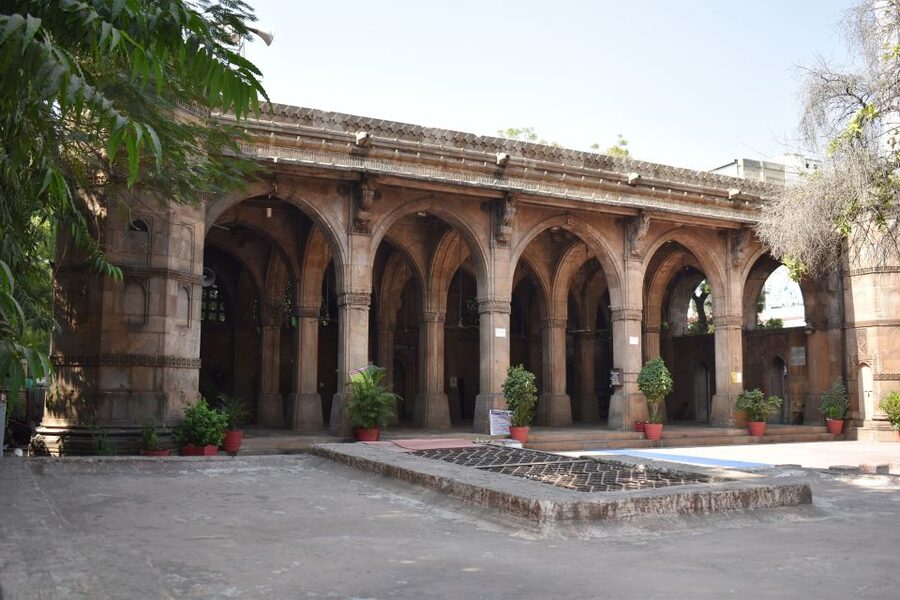
- 8:00 AM start at a 15th-century mosque built by Ahmad Shah I, with close attention to pillar and wall craftsmanship
- Islamic-Hindu architectural blend, not just a random list of famous buildings
- Ahmad Shah’s Tomb pass-by, giving extra historical context as you move from stop to stop
- Adalaj Stepwell + garden as a calmer, more scenic pause in the schedule
- Sidi Saiyyed Mosque latticework (Tree of Life) for one of Ahmedabad’s most recognizable details
- Vallabhbhai Patel Museum with short films and artifacts tying together Independence and the unification of princely states
Entering the 8:00 AM Mosque Circuit (and Why It Starts Here)
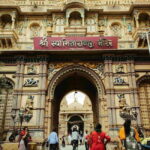
The day kicks off at 8:00 AM with hotel pick-up and then a focused walking start. You begin inside a 15th-century mosque built by Ahmad Shah I, and you’ll be looking at details up close—especially the precision work on pillars and walls. This isn’t a “stand and pose” start. It’s a guided look at how the structure was designed, and what makes it feel different from one-color, one-style architecture.
You’ll also pass by Ahmad Shah’s Tomb on your route. That’s a small add-on, but it matters because it helps you place the walking tour in a larger timeline. Instead of treating the mosque like an isolated landmark, you begin to see it as part of Ahmad Shah’s era and ambition.
If you’re someone who likes a clear beginning, this schedule works. By the time you leave the first site, you’ve got a visual theme in your head, and everything later feels less random.
You can also read our reviews of more walking tours in Ahmedabad
Islamic-Hindu Architecture: The Visual Thread That Links the Day
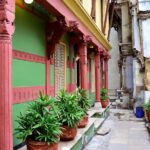
Ahmedabad is famous for religious buildings, but what you’ll appreciate most here is the mix. The tour highlights how certain structures show an interplay of Islamic and Hindu architectural elements. You’ll notice it early at the 15th-century mosque, where the building’s design language doesn’t feel like a strict, single tradition.
Later, you’ll get another strong dose of style at the Sidi Saiyyed Mosque. This is the stop with the famous latticework, often called the Tree of Life. The patterns aren’t just pretty; they give you a way to understand how artisans used geometry and repetition to create a sense of growth, shade, and rhythm.
Then you’ll shift again at the Hutheesing Jain Temple, a 19th-century temple devoted to Dharmanatha. Even with different faith traditions in the lineup, the guide’s job is to help you connect the dots: why the forms look the way they do, and how local culture shaped the buildings you see.
That’s what makes the tour more than a drive-by checklist. You’ll walk away with a mental “style map” of Ahmedabad.
A Short Ride to Sabarmati Ashram: Gandhi’s Story in Plain Sight
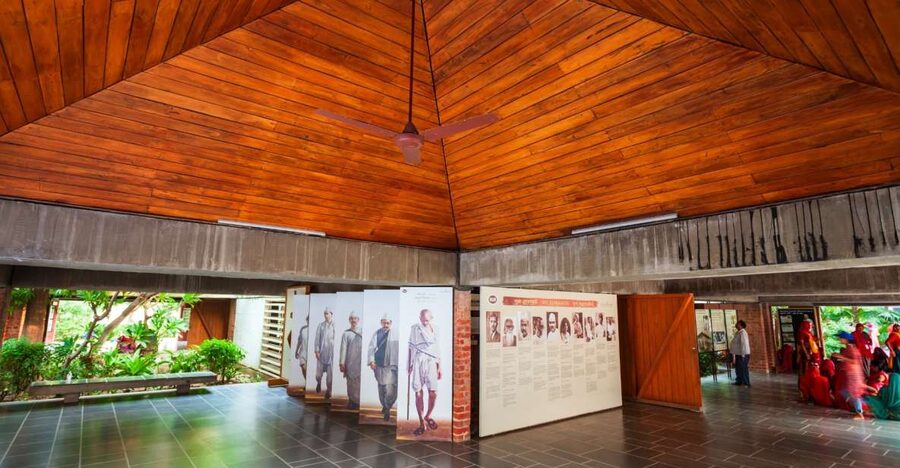
After the morning walking, you’ll move by ride to Sabarmati Ashram. This is where the tour turns from architecture into real-world history. You’ll visit the site connected with Mahatma Gandhi’s life during a key period, and the guide’s explanation ties the freedom struggle to what you’re seeing on the ground.
What I like about this stop is the specific connection: you learn about how the Salt March movement was affirmed from there. That matters because it links a famous event to a physical place, not just a date in a textbook.
This part of the day also balances the earlier focus on design. Mosques and temples are about stonework and pattern. Sabarmati Ashram is about people, choices, and momentum. Together, they make a fuller picture of why Ahmedabad’s identity is tied to both faith and activism.
Plan to slow your pace a bit here. Even if you’re ready for museums, this is one location where you’ll understand more by watching, reading what you can, and letting the place sink in.
Adalaj Stepwell and Garden: When the Day Lets You Breathe
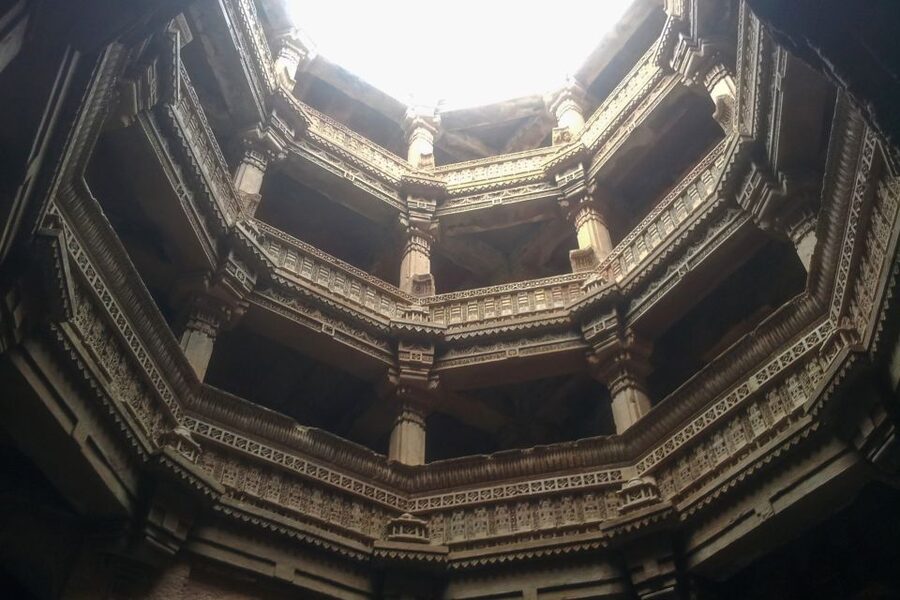
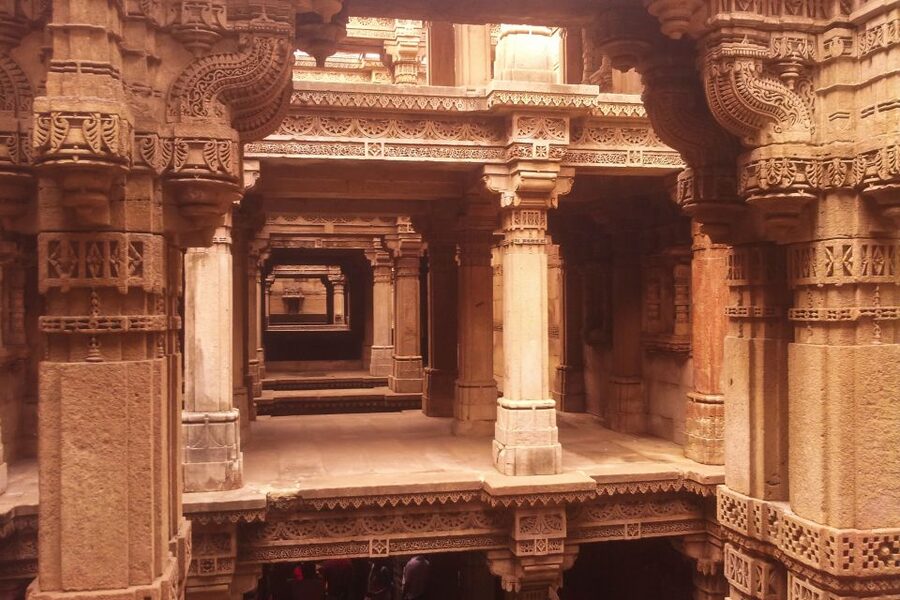
Then comes one of the most enjoyable breaks: Adalaj Stepwell and its surrounding garden area. Stepwells are functional structures, but in Ahmedabad they also become social and scenic spaces. Here, you’re not only going to the stepwell itself—you’re also spending time around the garden setting, which helps the stop feel like a small reset in the middle of the day.
This is a good moment to take photos, yes, but also to notice the geometry. Stepwells are all about layers, angles, and a sense of descent. The guide helps you see what you’re looking at instead of only calling it beautiful.
If you’re traveling with anyone who usually gets “museumed-out,” this is often the part that brings them back. It gives you scenery and structure in the same visit, and it’s easy to enjoy without needing background knowledge.
Hutheesing Jain Temple: Dharmanatha and the Power of Temple Design
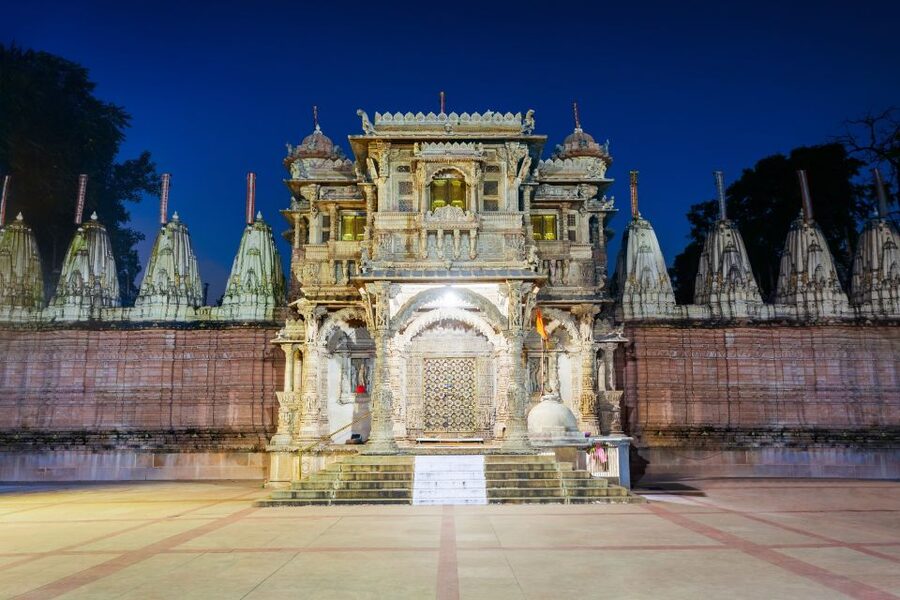
Next on the route is Hutheesing Jain Temple, a 19th-century Jain temple devoted to Dharmanatha. This is a strong contrast to the earlier mosque visit, and the tour handles that change well. You don’t just swap locations; you change the “lens” you’re using—moving from the language of Islamic and Hindu blend in one structure to the devotional focus of another.
The guide talks you through what to notice in the temple’s structure. You’ll get a sense of why the design matters to the people who come here and how the temple’s form supports religious practice.
Even if you don’t feel like you know Jain history, the visit works because the architecture is readable. You can appreciate the craft, the layout, and the devotion in the details without needing a long prep.
And importantly, the timing fits. By the time you reach this temple, your brain has already accepted that the day is about switching faith and style—but staying connected by context.
You can also read our reviews of more city tours in Ahmedabad
Sidi Saiyyed Mosque: Tree of Life Latticework Up Close
The Sidi Saiyyed Mosque is one of those places where you see the famous feature first in your mind, then finally in real life. The highlight is the latticework, often described as the Tree of Life. From a distance, it looks like pattern. Up close, it becomes craftsmanship and structure.
What I like most here is that the tour doesn’t treat this as a single “icon photo.” The guide points out the exquisite designs and explains what you’re looking at in a way that makes the building feel intentional rather than ornamental.
If you’re the type who enjoys architecture but gets bored with long explanations, this stop usually does well because the artwork gives you something to focus on while you listen. You can visually track the details as they’re being described.
This is also a good place to slow down and look upward. A lot of the magic is vertical—made for attention, not for rushing.
Vallabhbhai Patel National Museum: Bringing Independence History Together
By the end of the day, you’ll head to the Vallabhbhai Patel National Museum. This is your final stop and it ties the entire day into politics, not just monuments.
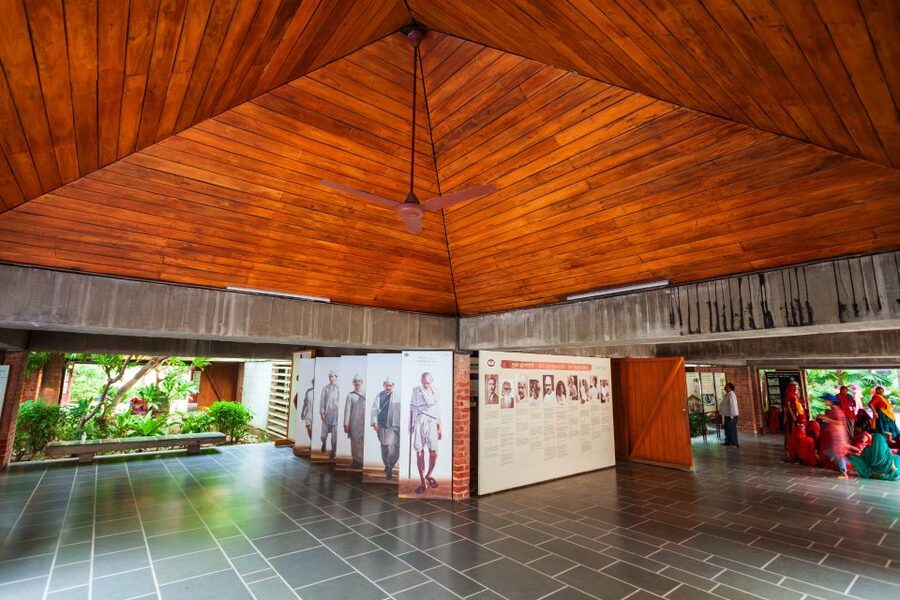
The museum is dedicated to Independent India’s first home minister, and the guide’s framing connects Patel’s work to the unification of more than 500 princely states. That’s a big number, and it helps you understand why Patel is often described as central to how the country formed.
You’ll also see short films and displayed artifacts. Even if your history knowledge is basic, this is the kind of museum that can still land well because you’re not only reading. You’re watching, scanning artifacts, and getting a guided narrative that turns complex events into something you can follow.
A smart tip for this part of the day: pace yourself. By late afternoon, your legs may be tired, so decide what matters most to you. If films are your thing, give them priority. If artifacts are your thing, focus on those and let the films act as background context.
Price and Pace: Is $125 for 8 Hours Good Value?
At $125 per person for an 8-hour day, the value depends on how you like to travel. For me, the price starts to make sense because you get a full circuit: multiple major sites, a live English guide, and hotel transfers that keep you from having to coordinate your own route.
The private-group angle also matters. Even when you’re just one family or a small group, you tend to get more flexibility with the pace and questions. One reviewer credited a guide named Mr. Murtaza for being patient and well spoken, and for explaining sites and history in detail. If your guide has that same approach, the day feels like a guided education rather than a timed stopover.
Where the price can feel less appealing is if you’re a very fast walker who hates downtime. This schedule has structured walking plus transfers, and it ends around 3:00 PM. If you want a slower, fewer-stops style day, you might feel stretched by the sequence.
Still, for a first-time Ahmedabad day that covers major faith sites and connects them to Gandhi and Patel, it’s a solid deal—especially if you’re trying to avoid the guesswork of hopping between places on your own.
Transfers and Timing: What the 3:00 PM Finish Means for You
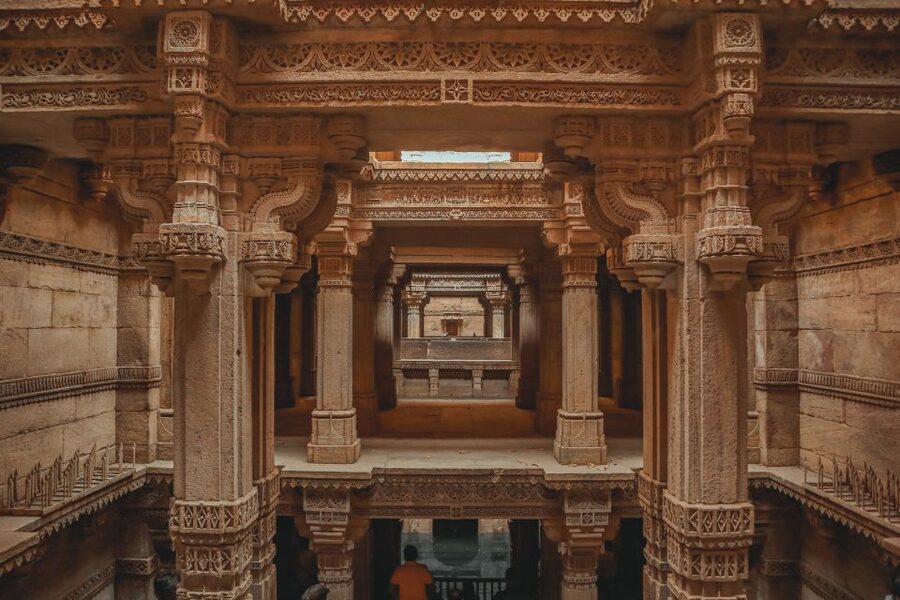
The tour ends by 3:00 PM, and you’ll be transferred back to your hotel. That end time is useful because it gives you a late afternoon buffer for your own plans—rest, a relaxed meal, or extra time in one neighborhood without the day already being over.
It also means the stops are planned with momentum. You won’t have hours at each site, but you’ll get guided orientation and enough time to enjoy the signature features: the mosque details, the stepwell garden, the temple focus, the Tree of Life latticework, and then the museum films and artifacts.
If you’re someone who likes to return to your hotel only once, this schedule helps. The transfers take the stress out of between-stop navigation.
Who Should Book This (and Who Might Skip It)
This tour fits best if you want a one-day overview that’s actually connected. If you like architecture, you’ll enjoy the Islamic-Hindu design thread and the way the tour explains what makes each stop distinct. If you care about modern history, you’ll appreciate how Gandhi and Patel are placed into the physical story of the city.
You might choose something else if you dislike walking for long stretches. The day is structured around walking and inside visits, and you’ll want comfortable shoes. You’ll also want to carry snacks and water, because the day covers a lot of ground before the afternoon museum finish.
If you’re traveling with mixed interests—someone who likes buildings, someone who likes history, and someone who likes photos—you’ll likely find common ground here.
Practical Tips to Make the Day More Comfortable
A few practical things can make a big difference.
- Wear comfortable shoes. This is a day of moving, not just sightseeing from one spot.
- Bring snacks and water so you can handle the longer stretches between breaks.
- If you prefer deeper explanations, ask your guide questions as you go—this tour is built for you to understand the context, not only observe.
Also, since the tour includes a live English guide, you’ll get clearer interpretation as you move between religious sites. That helps turn “I saw it” into “I understood it.”
Should You Book Ahmedabad’s Full Day Heritage Walk and Transfers?
I’d recommend this tour if you want one organized day that gives you a working understanding of Ahmedabad. You get major architecture highlights, a stepwell garden moment, and two big history anchors—Gandhi at Sabarmati Ashram and Patel at the museum—without needing to stitch together transport and timing on your own.
If you’re sensitive to walking time or you prefer a slower rhythm, treat it as a full-day commitment. But if you’re up for a guided, connected route that makes the city feel logical, this is a strong choice.
FAQ
How long is the Ahmedabad city tour?
The tour lasts 8 hours.
What time does the walking tour start?
The walking tour starts at 8:00 AM.
Is hotel pick-up and drop-off included?
Yes. You’ll be picked up from your hotel, and after the tour ends by 3 PM, you’ll be transferred back.
Is this a private group tour?
Yes, it’s listed as a private group.
Which major sights are included?
You’ll visit Sabarmati Ashram, Hutheesing Jain Temple, Adalaj Stepwell (and its surrounding garden area), Sidi Saiyyed Mosque, and Sardar Vallabhbhai Patel National Museum. The route also includes a start at a 15th-century mosque built by Ahmad Shah I, and you pass by Ahmad Shah’s Tomb.
What’s the main highlight of Sidi Saiyyed Mosque?
The famous latticework is highlighted, often referred to as the Tree of Life.
Who is the museum dedicated to?
The Vallabhbhai Patel National Museum is dedicated to Sardar Vallabhbhai Patel, described as Independent India’s first home minister.
Is there an English-speaking guide?
Yes. The tour includes a live tour guide in English.
Can I cancel and get a full refund?
Yes. Free cancellation is available up to 24 hours in advance for a full refund.
Is there a pay-later option?
Yes. You can reserve now and pay later.