REVIEW · KUSADASI
Ancient City of Ephesus – Half Day Tour from Kusadasi
Book on Viator →Operated by City of Sultans · Bookable on Viator
Four hours at Ephesus is a sweet spot. This half-day tour from Kusadasi links the big Roman landmarks in a logical walk from Magnesia Gate to major ruins like the Celsus Library, with an air-conditioned ride doing the heavy lifting between stops.
I especially like the chance to go with a professional licensed tour guide plus skip-the-line access for buying tickets. That combo matters here because you want to spend your energy on the stones and stories, not queues.
One thing to plan for: entrance fees and lunch are not included, and with the tour clocking in at about 4 hours, it’s more of a highlights tour than a slow, deep exploration.
In This Review
- Key highlights worth knowing before you go
- Kusadasi-to-Ephesus in one half-day: what this tour really buys you
- The Magnesia Gate route through Ephesus’s main monuments
- How the guide changes what you notice
- Celsus, the theater, and the real-life feel of Roman city planning
- What you should do if you love details
- Temple of Artemis in 45 minutes: the Seven Wonders connection
- Skip-the-line ticket help, licensed English guides, and the small-group pace
- A note on pace and comfort
- Craft stops and shopping time: carpets, weaving, and pottery
- Price and value: is $39 a fair deal for Ephesus?
- Who this Kusadasi Ephesus tour is best for
- Should you book this half-day Ephesus and Artemis tour?
- FAQ
- FAQ
- How long is the Ancient City of Ephesus half-day tour from Kusadasi?
- Is pickup included, and where does the tour start from?
- Is the Temple of Artemis included, and how much time do you spend there?
- Are entrance fees included in the price?
- Is lunch included?
- Is there free cancellation?
Key highlights worth knowing before you go
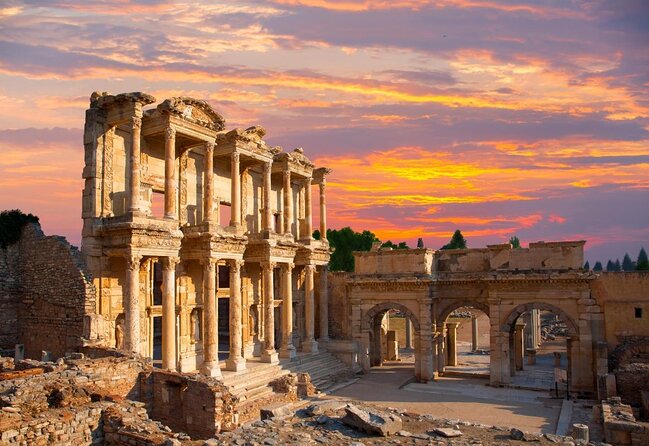
- Magnesia Gate downhill start: a smooth way to orient yourself as you work your way through the ruins.
- Clear time blocks: about 2 hours for Ephesus and 45 minutes for the Temple of Artemis.
- Skip-the-line help for ticket purchase: reduces friction before you even step into the ancient sites.
- Small group size (max 15): easier pacing, easier questions, and less feeling rushed.
- English guidance with licensed professionals: you get context for what you’re seeing, not just names on signs.
- Craft-stop possibilities: some departures add low-pressure carpet or pottery stops, based on past guest experiences.
Kusadasi-to-Ephesus in one half-day: what this tour really buys you
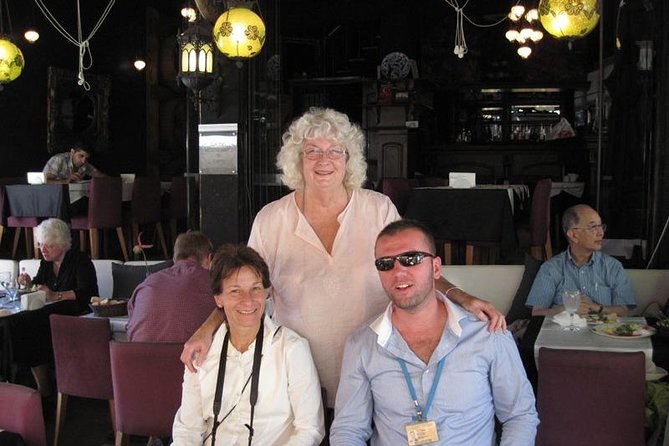
If you’re using Kusadasi as your base, a half-day Ephesus outing can be a smart move. The main reason is simple: you get to see the headline sights without spending most of your day on logistics. The tour runs about 4 hours, and you get pickup from the cruise port or central Kusadasi hotels, which saves you from figuring out transportation on your own.
Also, this is built for a small crowd, with a maximum of 15 travelers. That matters in places like Ephesus where groups can feel like stampedes. Here, the pacing is more human—enough time to look up, not just shuffle forward.
And the practical comfort is real. You’re traveling by air-conditioned vehicle, which can be a big deal in warmer months and still helpful when you’re moving around in a schedule-tight day.
The biggest value, though, is that the tour doesn’t just drop you at a gate and wish you luck. You start with a guided route that follows how the city unfolds. That makes your visit make sense fast, especially on a time-limited itinerary.
You can also read our reviews of more city tours in Kusadasi
The Magnesia Gate route through Ephesus’s main monuments
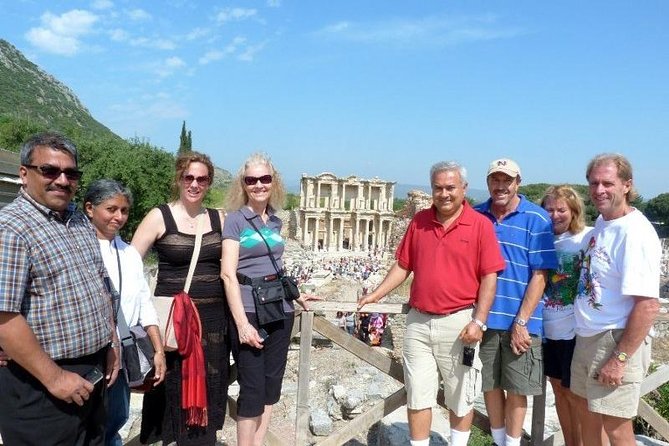
Ephesus is the kind of place where first-timers often feel overwhelmed. This tour tackles that by starting you at the Magnesia Gate and guiding you into a slow, downhill walk through the ruins. That downhill flow is not just scenic—it helps you understand the site’s layout as you go.
About 2 hours are set aside for the Ancient City of Ephesus, and the stops along the way are the core hits:
- Odeum: a reminder that music and performance culture mattered in this Roman provincial capital.
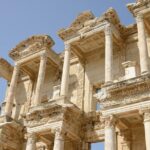
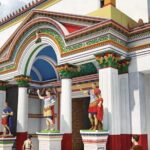
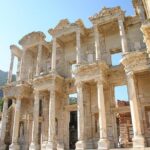
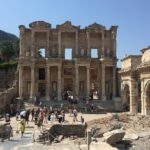
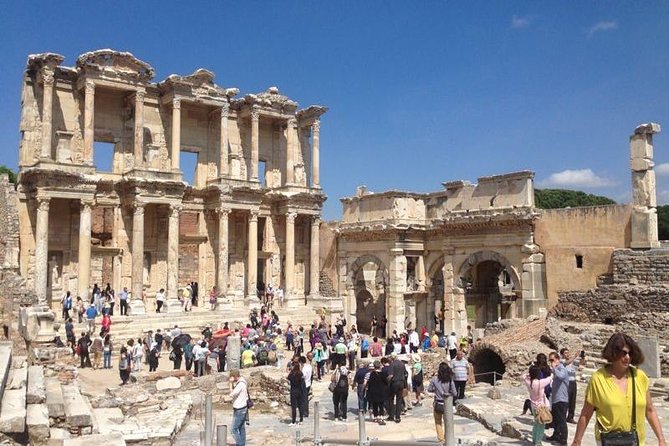
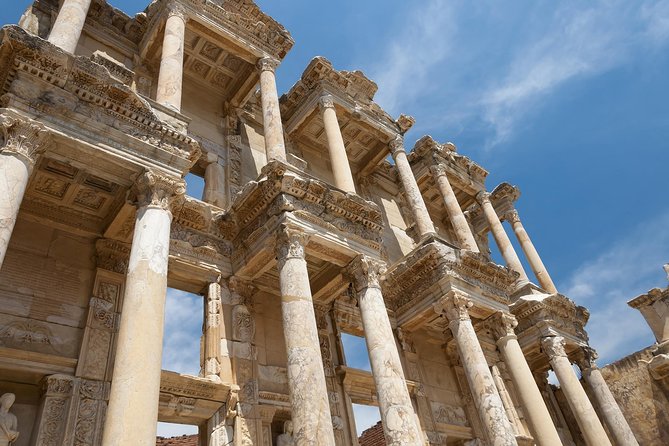
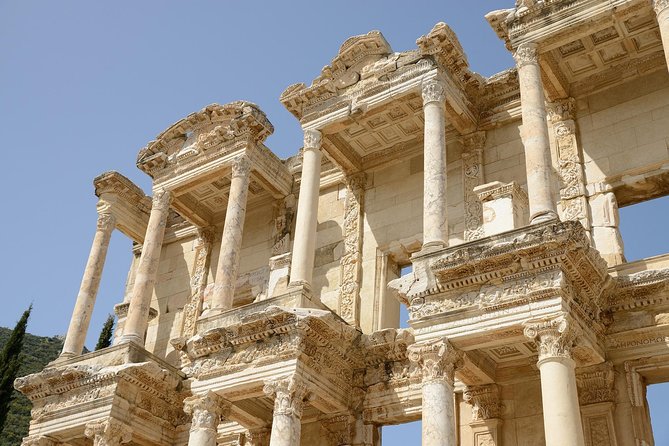
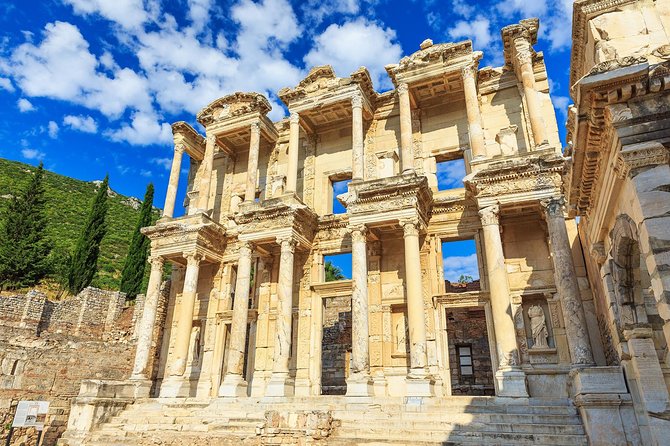
- Celsus Library: one of the most recognizable structures in the area, useful as a visual anchor for your visit.
- Temple of Hadrian: a stop that points you toward the political and religious mix of Roman rule.
- Fountain of Trajan: a quick reality check that this city wasn’t just ruins—it was built for daily public life.
- Great Theater: where you can step back and picture how people gathered in the open air.
What I like about this structure is that it gives you a thread. You’re not bouncing randomly between far-apart places. You’re walking a route where each major ruin builds on the last one, so the whole “Roman provincial capital” idea becomes easier to grasp.
How the guide changes what you notice
A good guide turns stones into scenes. Based on past experiences, guides such as Medi have focused on the big picture—Greek, Roman, and Turkish history—so you understand why each place looks the way it does. Other guides, including Darae and Pina, have been praised for being clear and easy to follow, with explanations that help you connect the architecture to the people who used it.
And yes, this is where skip-the-line ticket help matters. The tour includes skip-the-line access to buy Tickets, which can be the difference between a relaxed start and a frustrating one. You still need to budget for the actual entrance fees, but the time-saver is real.
Celsus, the theater, and the real-life feel of Roman city planning
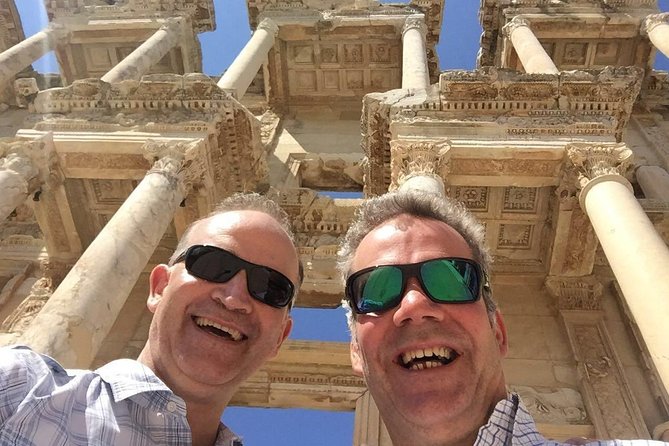
When you’re standing near the Celsus Library and the Great Theater, the experience can hit you in a very practical way: you start thinking like a visitor from 2,000 years ago. People didn’t stroll for entertainment the way we do today. They moved through a designed city where learning, worship, civic life, and public gatherings were part of the daily rhythm.
Here’s how to make the most of the time you’re given.
First, slow down at the major photo points and actually look for how things line up. The library area helps you orient yourself to the Roman fascination with prestige and public knowledge. Then the theater gives you scale—how crowds would have filled the space, and how sound would have carried across an open crowd.
Second, don’t rush the middle stops. The Odeum, Temple of Hadrian, and Fountain of Trajan are less famous than the theater, but they’re the glue. They help you understand that a Roman city wasn’t one giant monument. It was a system.
One more small planning note: you’ll be walking through an outdoor archaeological site. Comfort matters. Wear supportive shoes, and expect that uneven ground and long sightlines are part of the deal. A half-day itinerary means you should pace yourself so you don’t end up sprinting at the end.
What you should do if you love details
If you’re the type who wants every inscription and every building’s story, this tour is still a strong starting point. But it’s designed for a highlights format. Your best strategy is to pick two or three areas where you’ll truly linger—often that means focusing on Celsus plus the Great Theater—and treat the other sites as high-value previews.
Temple of Artemis in 45 minutes: the Seven Wonders connection
After Ephesus, you head to the Temple of Artemis, with 45 minutes on the site. This is the stop that many people recognize by name. It’s tied to the legend of the seven wonders of the ancient world, even though what you see today is different from what once stood here.
In that short window, the trick is to shift your mindset. Instead of trying to recreate the lost grandeur in your head from every angle, focus on understanding what the site represents. Artemis is one of the reasons this region became a magnet for worship and wealth. Seeing the temple area helps you connect the Ephesus story to a larger Mediterranean world.
If you’re a first-timer, this is also a good reality check. Ephesus isn’t the only kind of ancient glory you’ll meet around Turkey. Artemis shows that Ephesus wasn’t isolated—it was part of a much wider network of belief and influence.
And because you’re only there for 45 minutes, come with a simple goal: get the setting in your mind, then move on. That’s the best way to enjoy it without feeling short-changed.
Skip-the-line ticket help, licensed English guides, and the small-group pace
Let’s talk about what’s included, because in practice it’s the difference between an okay visit and a smooth one.
This tour includes:
- Air-conditioned vehicle
- Skip the Line access to buy Tickets
- Professional Licenced Tour Guide
That’s a focused set of inclusions, and it makes sense for a half-day schedule. Transport keeps you on time. The guide helps you interpret what you’re seeing fast. And the skip-the-line access helps you get moving.
From past experiences shared by guests, guides like Medi have been praised for careful driving and clear context. Mehmet has been mentioned as the driver, noted for careful handling. Other guests have highlighted guides such as Pina and Darae for being personable, informative, and easy to understand.
If you care about explanations you can actually follow, this matters. Ephesus has a lot going on. With a licensed English guide, you don’t have to guess why each structure matters.
A note on pace and comfort
A maximum of 15 travelers is not just a number. In archaeological sites, it affects how often you have to stop, how long you can pause for a question, and whether the group stays together.
Also, you can participate if you’re a typical visitor. The tour data notes most travelers can join. One guest specifically mentioned that a guide listed as U—- was attentive to requests and disabilities, so if mobility or pacing is an issue, it’s worth speaking up with your guide during the day.
Craft stops and shopping time: carpets, weaving, and pottery
One of the most pleasant surprises from past experiences is that some departures may include extra time at local craft producers—like a carpet or weaving stop, or even pottery-related stops. In one account, a guest described seeing beautiful carpets at a carpet-focused stop and appreciated that there wasn’t high-pressure selling.
Another guest mentioned lunch paired with craft stops. That suggests the tour can feel more than just history-on-stones. It can also be a chance to see how modern Turkish craft continues alongside ancient sites.
Just keep expectations grounded. The official itinerary you’ll see centers on Ephesus and the Temple of Artemis. If extra craft time is offered on your day, great—plan for it like a bonus, not like a guarantee. If you don’t want shopping, you can still enjoy watching how the process works.
A good rule: decide ahead of time what you’d be willing to buy, if anything. Then you can browse without getting pulled into sales talk.
Price and value: is $39 a fair deal for Ephesus?
At $39 per person for a roughly 4-hour guided experience, this tour lands in the value category for a half-day from Kusadasi. The key is what you’re getting for that money:
- Guided route through Ephesus’s biggest structures
- Included pickup from the cruise port and central hotels
- Air-conditioned transport
- Skip-the-line access to buy tickets
- Licensed English guide
- Small group size (max 15)
Now, what’s not included is just as important:
- Entrance fees to the museums and sites
- Lunch
So you’re paying for logistics and guiding, not for the site admission itself. If you prefer to control your own ticketing and you already have a strong handle on Ephesus without needing explanations, you might feel the guide premium. But if you want the route to make sense quickly—and you want to cut down time lost to ticket lines—the price starts to look very reasonable.
Also, the half-day format is efficient. You’re not paying for a full day of transportation time, and you’re not stuck in a schedule that turns Ephesus into a distant memory by evening.
Who this Kusadasi Ephesus tour is best for
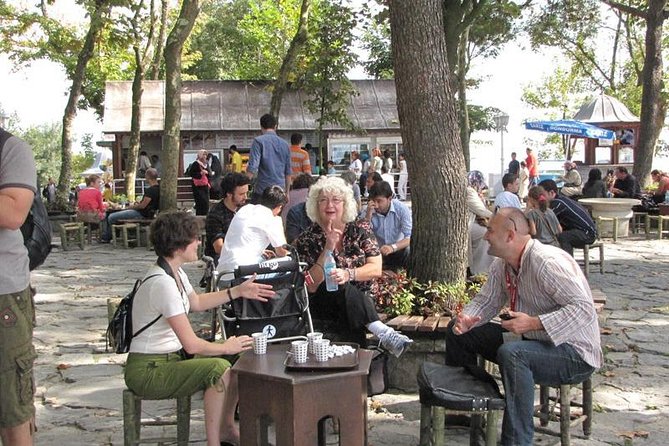
This tour fits best if you:
- Want a first-time Ephesus visit without taking a full day
- Like having a guide connect the dots between monuments
- Appreciate a small group pace
- Are cruising or staying in Kusadasi and need an efficient plan
- Prefer English commentary and clear explanations
It’s also a nice fit for winter or low-crowd periods. One guest noted that January weather was perfect and that crowds were low enough to feel like the site had more room to breathe. That’s not something you can count on, but it’s a good reminder that timing can shape how it feels.
If you’re the type who wants to read every panel, take long breaks, and slow-walk the entire site for hours, you might feel time-pressed. In that case, you’d likely enjoy an all-day format more.
Should you book this half-day Ephesus and Artemis tour?
Yes—if you want the essentials, fast, with good guidance. The combination of licensed English guiding, skip-the-line ticket purchase help, and a smart Magnesia Gate start is exactly what makes Ephesus feel manageable in limited time.
Book it if you’re doing Kusadasi as a base and you’d rather spend your hours seeing key monuments than solving logistics. Just remember to budget for entrance fees, plan for no included lunch, and treat it as a highlights tour, not a slow archaeology seminar.
FAQ
FAQ
How long is the Ancient City of Ephesus half-day tour from Kusadasi?
It runs for about 4 hours (approx.).
Is pickup included, and where does the tour start from?
Yes. Pickup is provided from the cruise ship port and all centrally located hotels in the Kusadasi area.
Is the Temple of Artemis included, and how much time do you spend there?
Yes. The tour includes the Temple of Artemis for about 45 minutes.
Are entrance fees included in the price?
No. Entrance fees to the museums and sites are not included.
Is lunch included?
No. Lunch is not included.
Is there free cancellation?
Yes. You can cancel for a full refund up to 24 hours in advance of the experience start time.