REVIEW · CEBU
BEST OF CEBU: Cebu City Heritage with Uphill Tour | Joiners
Book on Viator →Operated by Explore Cebu Tours & Travel · Bookable on Viator
Cebu’s hills have a way of turning a city tour into a full story. This 4 to 5 hour Cebu City Heritage + Uphill Tour threads together famous landmarks and a few curveballs like Sirao’s flower gardens, plus the big view stops up on the hills.
I love how the day is packed without feeling like you’re sprinting nonstop: an air-conditioned vehicle, bottled water, and a guide who keeps the route moving. I also like the human touch—guides like Rix and Tyler have a knack for sharing Cebu’s story in a way that’s funny, clear, and flexible when the roads get slow.
The main thing to plan for is timing: Cebu traffic can stretch the schedule, and that can make one of the more decorative stops (like Temple of Leah) feel optional if you’re not into that style.
In This Review
- Key highlights you’ll actually feel in the day
- Why this “Best of Cebu” route works in 4–5 hours
- Heritage of Cebu Monument and Yap-Sandiego Ancestral House
- Fort San Pedro and Magellan’s Cross: the “arrival and defense” combo
- Sto. Niño Basilica and Fuente Osmeña: respect the rules and plan for the exterior
- Taoist Temple on the hill: color, calm, and the view angle
- Sirao Pictorial Garden: Little Amsterdam, but keep it real
- Temple of Leah: Roman-style love story with a serious backdrop
- The drive, the timing, and why the van time counts
- Price and value: what $63.50 buys you in real terms
- Who should book this tour, and who might skip it
- Booking this: my quick decision guide
- FAQ
- How long is the Cebu City Heritage with Uphill Tour?
- Is pickup offered for this tour?
- What is the group size limit?
- Are entrance fees included?
- Are there dress code rules for Sto. Niño?
- Can I cancel and get a full refund?
- Should you book the Best of Cebu uphill heritage tour?
Key highlights you’ll actually feel in the day
- A small group (max 10) means easier questions, better pacing, and fewer stop-and-start headaches.
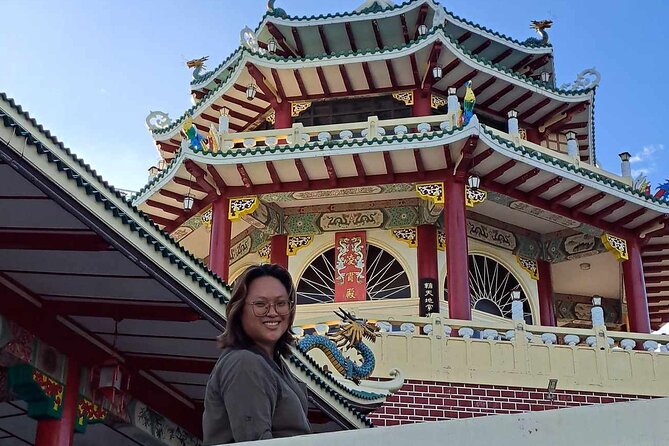
- Uphill scenery plus city icons: Taoist Temple views and Roman-style Temple of Leah, mixed with Magellan’s Cross and Fort San Pedro.
- Guide teamwork you’ll notice fast: the driver-guide combo (like the father/son team) is built around safe, careful driving.
- Multiple photo-ready landmarks: from Cebu Capitol’s neoclassical dome to Sirao’s “Little Amsterdam” flower fields.
- Admission and fees handled: key entrances are included, plus all fees and taxes are covered in the price.
- Sto. Niño Church has rules: you’ll need proper dress code, and the data explicitly notes you won’t be going inside Sto. Niño Church.
Why this “Best of Cebu” route works in 4–5 hours
This tour is built for people who want a lot of Cebu City context without doing separate tickets, separate rides, and separate plans. You’re moving through several eras of Cebu—Spanish-era touchstones, early Christianity symbolism, Chinese-influenced heritage, then up to hilltop viewpoints and gardens.
The uphill part matters because it changes the feel of the city. You’re not only walking streets; you’re getting perspective—actual sightlines over Cebu while you’re on the way to the Taoist Temple and Temple of Leah.
And yes, traffic is real. One review specifically flags heavy traffic delays, and that’s exactly what you should expect on a short, packed day. The upside is that you’ll have time to regroup in the air-conditioned van between stops, instead of sweating through transfers.
Heritage of Cebu Monument and Yap-Sandiego Ancestral House
You start with a history-and-identity stop: the Cebu Heritage Monument. It’s a dramatic, sculpted tableau by Eduardo Castrillo that visually ties together significant events and figures in Cebu’s past. This is a good opener because it gives you a “map” in your head before you start collecting individual landmarks.
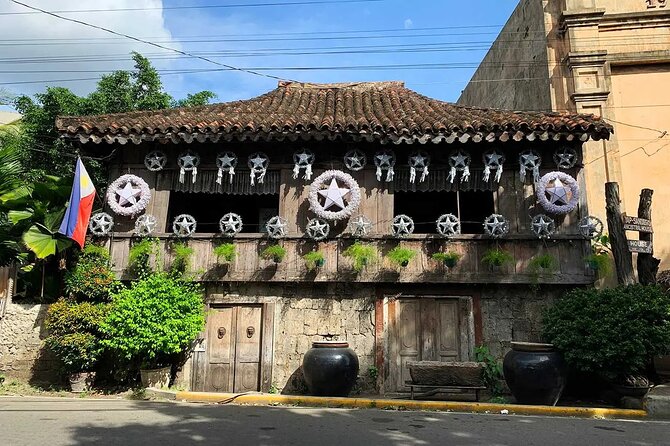
Next comes Yap Sandiego Ancestral House, a 17th-century home that blends Spanish and Chinese influences. The practical value here is simple: it helps you understand Cebu as a trading crossroads, not just a stop on a bus route. The house visit is included (you’re not guessing about ticket lines or timing).
What to watch for:
- This stop rewards slow looking. Don’t rush photos—take a moment to read the details at your own pace.
- Keep an eye on where your guide points. The architecture and cultural mix only click when someone frames what you’re seeing.
One timing note: each of these early stops is short, so if you love museums, treat this as a strong preview rather than a long deep dive.
Fort San Pedro and Magellan’s Cross: the “arrival and defense” combo
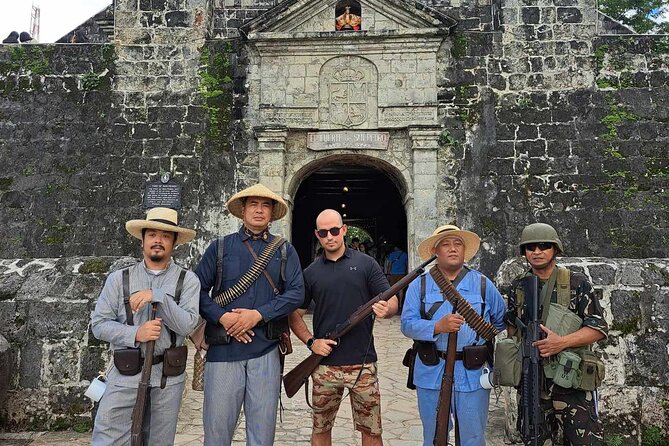
Then you hit one of Cebu’s most recognizable Spanish-era landmarks: Fort San Pedro. Built in 1738, it’s described as the oldest and smallest fort in the Philippines, and the triangular bastion setup makes it feel compact but solid. This stop is included and is worth it because it shows how Cebu protected itself during colonial times.
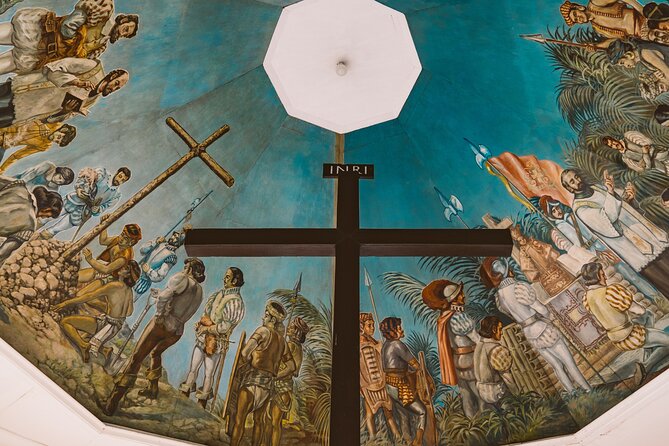
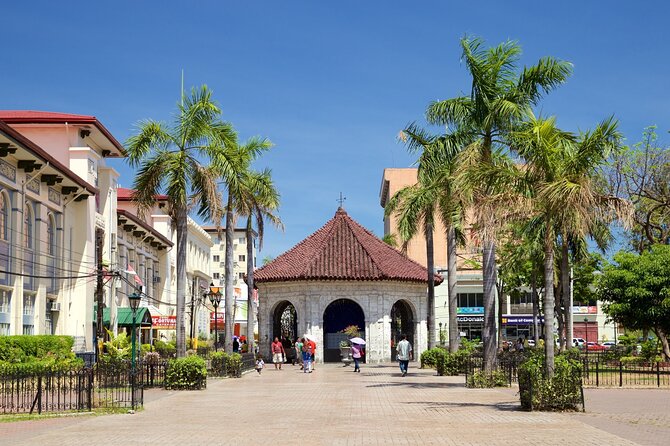
A short hop later, you’re at Magellan’s Cross, the marker tied to Ferdinand Magellan’s arrival in 1521 and the start of Christianity in the Philippines. The cross is housed inside a protective chapel, which keeps it from being just another street monument. Even if you’ve seen photos before, the chapel setting gives it weight.
Practical tips:
- Wear shoes you don’t mind walking in. These city stops are straightforward, but you’ll want stable footing.
- If you’re sensitive to crowds, be ready for a bit of jostling around the chapel and fort areas. This is peak “photo moment” territory.
Sto. Niño Basilica and Fuente Osmeña: respect the rules and plan for the exterior
Cebu’s biggest religious stop is Basilica Minore del Santo Niño de Cebu. The data is clear that you’ll need proper dress code, and it also explicitly notes that you’re not allowed to go inside Sto. Niño Church. So even if the basilica is on your list, plan on viewing from the outside/area rather than a full interior visit.
That’s one reason this stop can feel different depending on your expectations. If you came hoping for a long, quiet inside visit, adjust your mindset early—use the time to look carefully at the surroundings and let your guide point out what you should notice outside.
After that, you’ll pass Fuente Osmeña, a landmark park centered on a historic fountain. It’s a nice reset. Think of it as a place to breathe for a minute before you head toward the hilltop temples and gardens.
Taoist Temple on the hill: color, calm, and the view angle
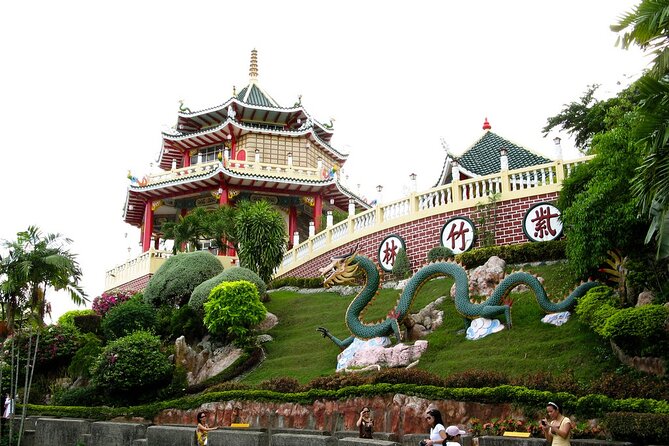
The Cebu Taoist Temple sits on a hillside overlooking the city, with construction noted as starting in 1972. You’ll see traditional Chinese temple architecture, garden areas, and a replica of the Great Wall. This stop tends to land well because it shifts the tone from European-era symbols to something distinctly local-and-international.
One review flags that the Taoist Temple can be closed to visitors sometimes. That’s the only realistic risk on this part of the day: schedules don’t always match the real-world situation. If it’s closed on your date, your guide may adjust how long you can spend around the area.
Why I think this stop matters for you:
- The uphill position changes how the city looks. You get that “from above” feeling without needing a separate sunrise trip.
- It’s visually playful but not random. The Great Wall replica and garden layout give you something to look at besides just taking a few quick photos.
Sirao Pictorial Garden: Little Amsterdam, but keep it real
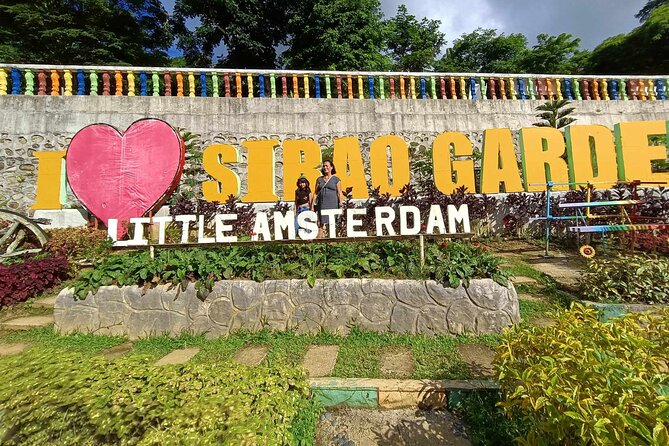
Next is Sirao Pictorial Garden, often nicknamed the Little Amsterdam. The garden is known for its colorful flower fields—especially celosia—and you’ll get a scenic break from the heritage-heavy first half of the day.
This is also the stop where expectations really matter. One review calls the garden a bit too touristy and mentions the look feeling outdated. That doesn’t mean it’s bad—it just means this is a more photo-forward attraction than a “walk-through-and-learn-everything” kind of stop.
So here’s the best way to enjoy it:
- Take the photos, then enjoy the wider view from the garden area.
- Ask your guide what’s special about the region around Sirao, rather than focusing only on the windmill-style visuals.
Since this part is included, you’re not paying extra to see it. But it’s still worth setting a “mostly scenic” expectation so you don’t feel underwhelmed if you’re picky about gardens.
Temple of Leah: Roman-style love story with a serious backdrop
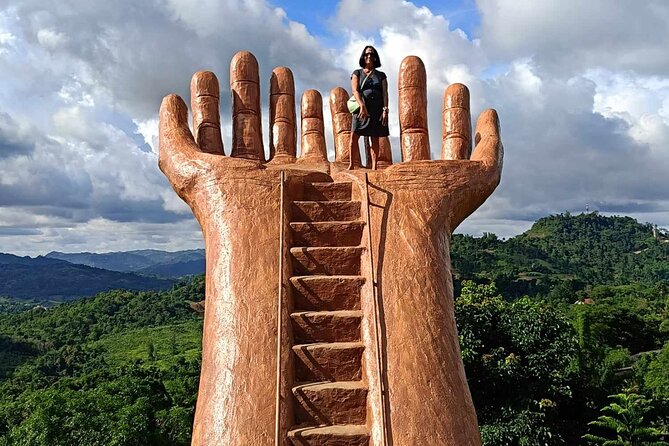
The Temple of Leah is the big dramatic finale on the hills. Built in 2012, it’s described as inspired by ancient Roman architecture and is presented as a grand tribute to love and devotion, with sculptures and mementos connected to that theme.
This is the stop that divides people. One review says you could have skipped Temple of Leah, and another review calls it an unexpected delight. Translation: if you like architectural fantasy and big photo moments, you’ll likely love it. If you want only strict “this is historically important” sites, you might feel it’s more stylized.
Either way, I like it because it gives you a change of pace. You go from street corners and forts to a hilltop monument that looks like it belongs in another country. Cebu has that habit—then you remember you’re still in Cebu.
A useful planning note: because traffic can affect timing, your experience here depends on how the day runs. If you reach it slightly delayed, don’t panic. Give yourself the full time your guide allots and treat it as a viewpoint stop as much as a monument stop.
The drive, the timing, and why the van time counts
This tour is paced for short visits at each site—think quick “see it, understand it, move on” blocks. With an air-conditioned vehicle and bottled water included, the downtime in the van becomes part of the experience rather than dead time.
And the driving matters. Multiple reviews praise how guides and drivers handle safety and navigation through busy areas. One review specifically mentions a guide (Rix) plus his driver being careful with busy locations, while another points to Tyler and a friendly, flexible style.
If you’re prone to getting cranky on buses, do this:
- Bring a hat and sunglasses even if it’s cloudy. Hills and open viewpoints can still be bright.
- Keep your phone charged. You’ll take more photos than you think at the hilltop stops and the flower garden.
Price and value: what $63.50 buys you in real terms
At $63.50 per person, you’re paying for more than rides between stops. You’re getting an air-conditioned vehicle, bottled water, help from a professional tour guide, and a Cebu souvenir. On top of that, the tour includes all fees and taxes, and several specific attractions list admissions as included.
If you were doing this on your own, the “value” would come down to three things:
- Coordinating transport around traffic and hill distances.
- Paying separate attraction tickets and figuring out timing.
- Missing the context that turns landmarks into a story you can remember.
For first-time visitors, this kind of structured route can be the fastest way to get your bearings. You’re not trying to see everything forever—you’re setting the baseline.
And if you want peace of mind, the cancellation terms are straightforward: you can cancel for a full refund if you cancel at least 24 hours in advance. (You’ll see the exact timing rules at checkout.)
Who should book this tour, and who might skip it
This tour is a great fit if:
- You’re visiting Cebu City for the first time and want a strong overview without multiple tours.
- You want an upbeat guide style. Reviews mention Rix’s humor and flexibility, Tyler’s wit, and Olivier’s talkative personality.
- You like variety: forts and crosses early, temples and gardens later.
You might consider a different plan if:
- You only want sites with strict historical gravitas and you’re not into decorative monuments. Temple of Leah can go either way.
- You hate short stop times. Even the good stuff moves quickly.
- You’re extremely schedule-sensitive. Heavy traffic can stretch the timing.
Booking this: my quick decision guide
If you want the easiest way to see Cebu City’s key icons plus the hilltop viewpoint stops in a single day, I think this tour makes sense. The combination of included admissions, small group size, and guide-led context gives you a lot of return for the price.
I’d book it especially if you’re the type who enjoys photos but also likes knowing what you’re looking at. Just go in expecting traffic delays, dress properly for Sto. Niño rules, and treat Temple of Leah as a “style and scenery” stop, not a museum lesson.
FAQ
How long is the Cebu City Heritage with Uphill Tour?
It runs about 4 to 5 hours.
Is pickup offered for this tour?
Yes, pickup is offered.
What is the group size limit?
The tour has a maximum of 10 travelers.
Are entrance fees included?
The tour includes all fees and taxes, and admission is listed as included for several stops like Yap Sandiego Ancestral House, Fort San Pedro, Sirao Pictorial Garden, and Temple of Leah.
Are there dress code rules for Sto. Niño?
Yes. Proper dress code is required, and the data notes you are not allowed to go inside Sto. Niño Church.
Can I cancel and get a full refund?
Yes. You can cancel up to 24 hours in advance for a full refund.
Should you book the Best of Cebu uphill heritage tour?
Yes, if you want a one-day route that balances classic Cebu landmarks with hilltop views and gardens, with a guide driving the context. The price feels fair for a guided, air-conditioned, small-group day where major fees are handled—just plan for traffic and expect the Sto. Niño visit to be limited by dress code.