REVIEW · BISHKEK
Bishkek: Ancient Burana Tower and Konorchek Canyons Day Trip
Book on GetYourGuide →Operated by Shaituu Travel LLC · Bookable on GetYourGuide
Red cliffs and Silk Road bricks in one day. I love the Burana Minaret climb for sweeping valley views and the Konorchek Canyon hike for those dramatic red-rock cuts; the one catch is the canyon route includes short rock climbs, so your shoes matter.
This is a solid, no-nonsense 9-hour outing from Bishkek with a live guide and a small group (up to 15). You’ll get guided time at Burana’s minaret and museum, then a guided walk through Konorchek’s canyon trails with time for photos and a real local lunch.
I also like that lunch and water are built in, so you don’t have to puzzle out food mid-adventure. Expect wind at the canyon, and bring a layer even if the hike is described as doable year-round.
11th-century Burana views: Climb brick-and-wood stairs for panoramic shots over the valley.
Museum + petroglyphs combo: You’ll see artifacts and early nomadic rock carvings in the same area.
Konorchek’s red-rock scenery: A 2 km hike through eroded red sandy formations and pale clay rock.
Moderate hiking, short scrambling: Plan for 4 rock climbs (1–3 m).
Kattama lunch included: Traditional Kyrgyz food after you work up an appetite.
Small group pace: Limited to 15, with pickup and drop-off from Bishkek.
In This Review
- From Bishkek to Burana Tower: the day starts with real momentum
- Climbing the Burana Minaret and exploring the museum
- What you’ll actually do at Burana
- The climb you should plan for
- Museum value: why it’s not just a stop
- Konorchek Canyon hike: red-rock trails, petroglyphs, and 4 short climbs
- The hike length and time
- The moderate part: rock climbs (don’t wing it)
- Weather reality: wind is part of the deal
- Kattama lunch in a local Kyrgyz cafe: fueling the second half of the day
- Your guide and small-group setup: what you gain on a 15-person max day
- Transport comfort and route timing: why the whole day fits at 9 hours
- Price and value: is $85 actually a deal?
- Optional add-on: continuing to Issyk-Kul Lake and Balykchy
- Should you book this Burana and Konorchek day trip?
- FAQ
- What does the tour cost?
- How long is the day trip?
- Where are you picked up and dropped off?
- How big is the group?
- What languages is the guide available in?
- What do I do at Burana Tower?
- How long is the Konorchek Canyon hike?
- Is the canyon hike difficult?
- What’s included for food and water?
- Can the trip be extended to Issyk-Kul Lake?
From Bishkek to Burana Tower: the day starts with real momentum
Most Bishkek day trips start with driving, but this one front-loads the payoff. You’re picked up in Bishkek and taken out with a live guide, so you don’t waste time trying to piece together transport or interpret what you’re seeing once you arrive.
The vibe is practical: you get guided context first (what Burana was, why it mattered), then you get your legs involved. That matters because Burana and Konorchek feel worlds apart—ancient brick-and-stone on one end, dramatic red canyon on the other—and having a guide keeps the story connected.
Group size stays small, up to 15. That usually means fewer bottlenecks at viewpoints and a smoother rhythm on the short hikes and climbs.
Climbing the Burana Minaret and exploring the museum
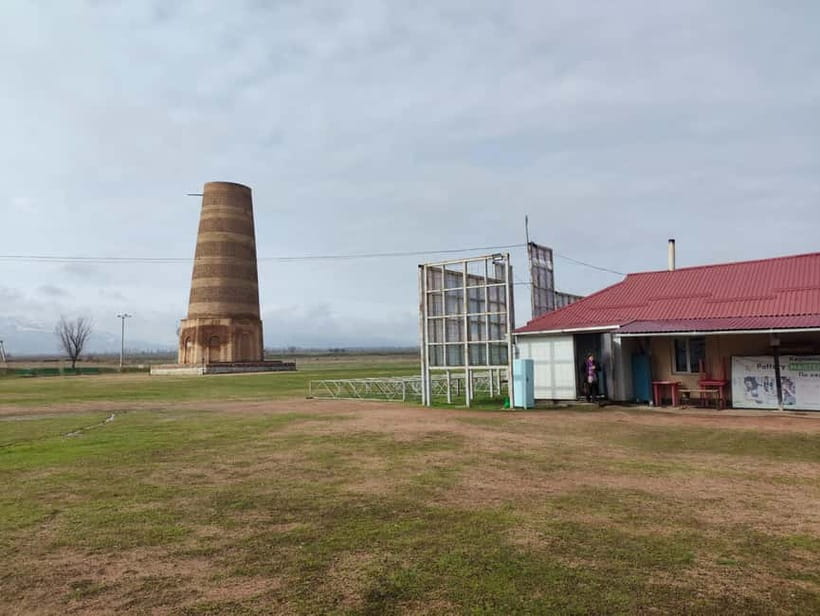
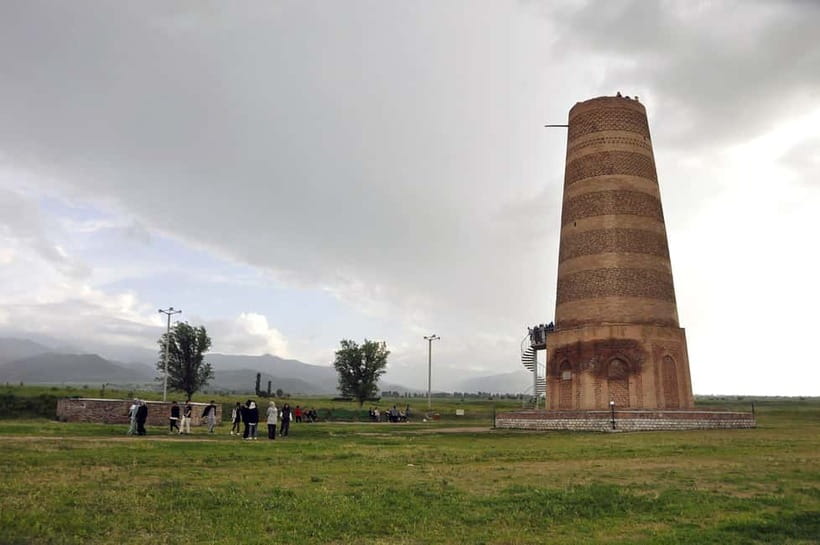
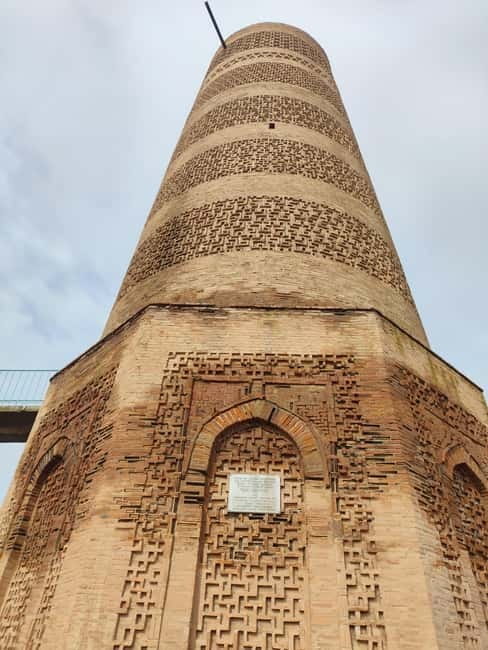
Burana Tower is the headline. This 11th-century minaret sits in the ancient city of Balasagun, tying you directly into Silk Road-era Central Asia. You’ll take a guided visit at Burana, including admission to the museum and time for wandering around the site (plus a short walk and shopping time, about 30 minutes).
You can also read our reviews of more tours and experiences in Bishkek.
What you’ll actually do at Burana
- Tour with a guide focused on the site and surrounding history.
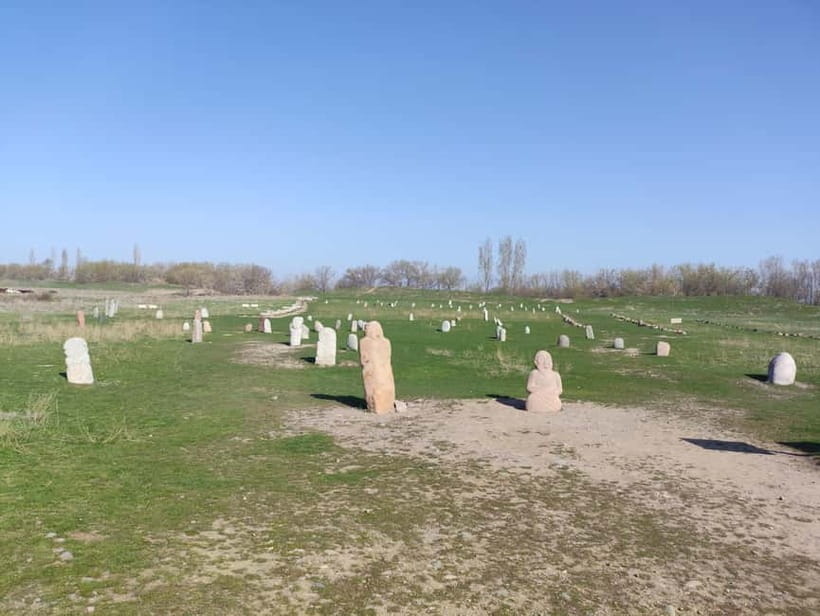
- Museum time with artifacts and displays about nomadic life and the region’s past.
- Time on site for looking at the area and taking in viewpoints.
- Petroglyph viewing nearby, tied to early nomadic cultures.
The climb you should plan for
The minaret climb is part stairway, part narrow, historic effort. You’re moving up brick-and-wood stairs for panoramic views of the valley. In at least one booking experience, the guide Mirlan was supportive when someone hesitated in the tight spaces—encouraging them to keep going until they reached the top for the views.
That’s a good clue for you: if you’re even slightly nervous on narrow stairs, you’ll feel better going in with that mindset. Take it slowly, keep your footing deliberate, and don’t rush.
Museum value: why it’s not just a stop
The museum isn’t just window dressing. It’s where the trip turns from scenery into meaning—ancient artifacts plus nomadic history help explain what you’re seeing beyond the minaret itself. If you like travel that gives you a way to remember what a place is, this museum time is worth it.
Konorchek Canyon hike: red-rock trails, petroglyphs, and 4 short climbs
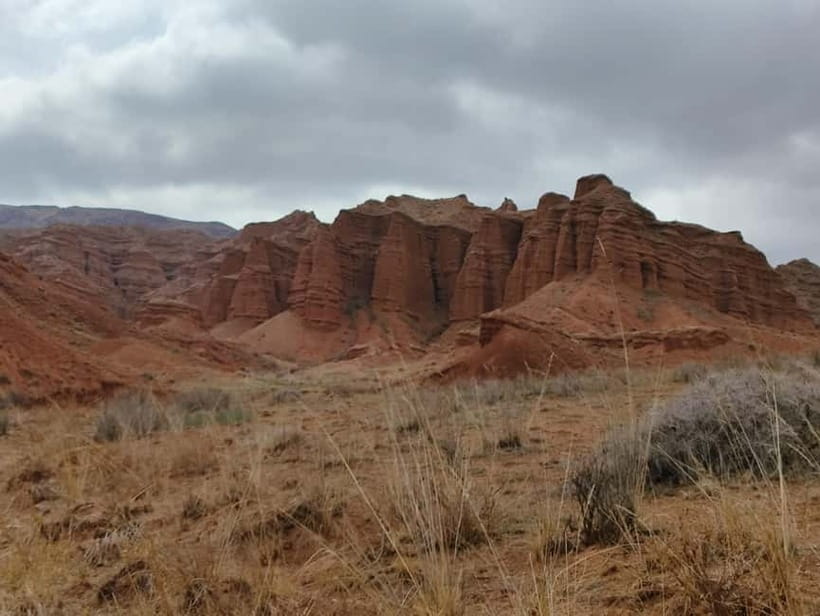
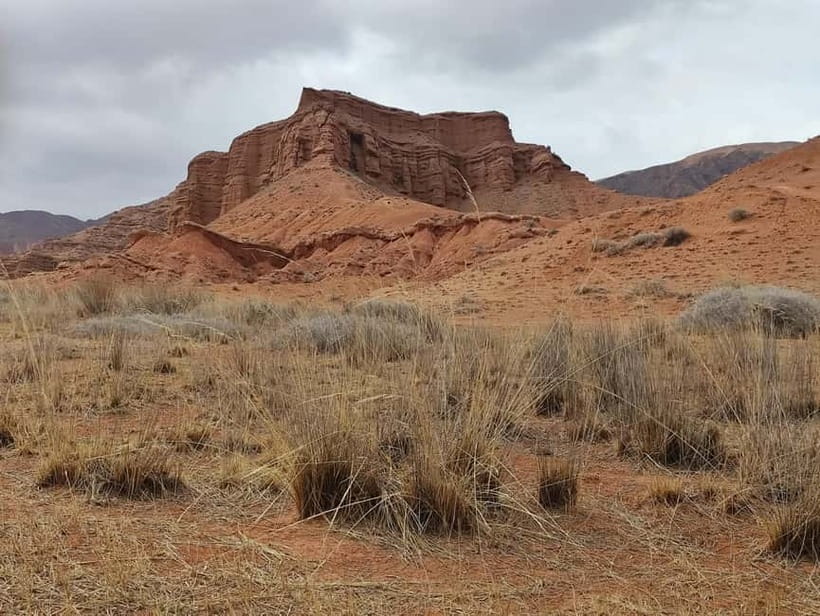
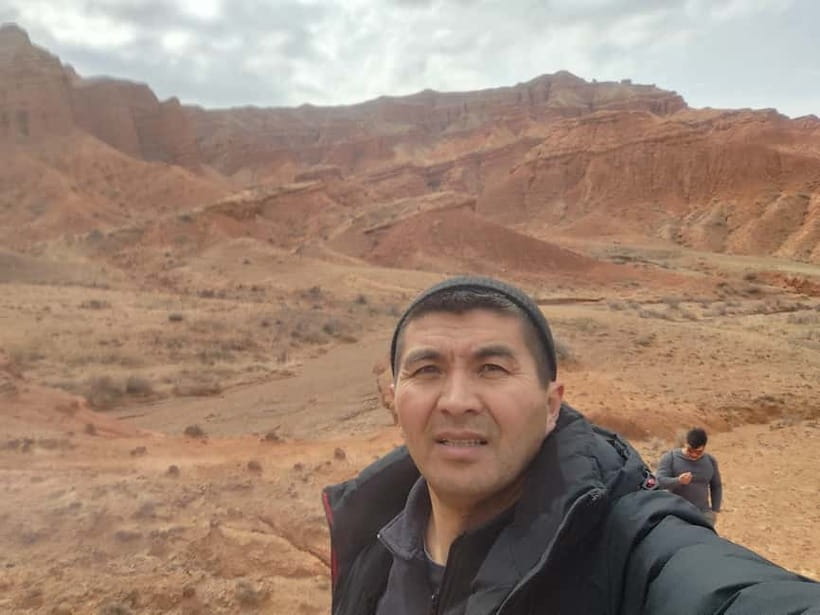
Konorchek Canyon is where the day turns athletic. After Burana, you head out for a guided walk and hike where the star is the canyon’s color—those vivid red formations shaped by rain and wind.
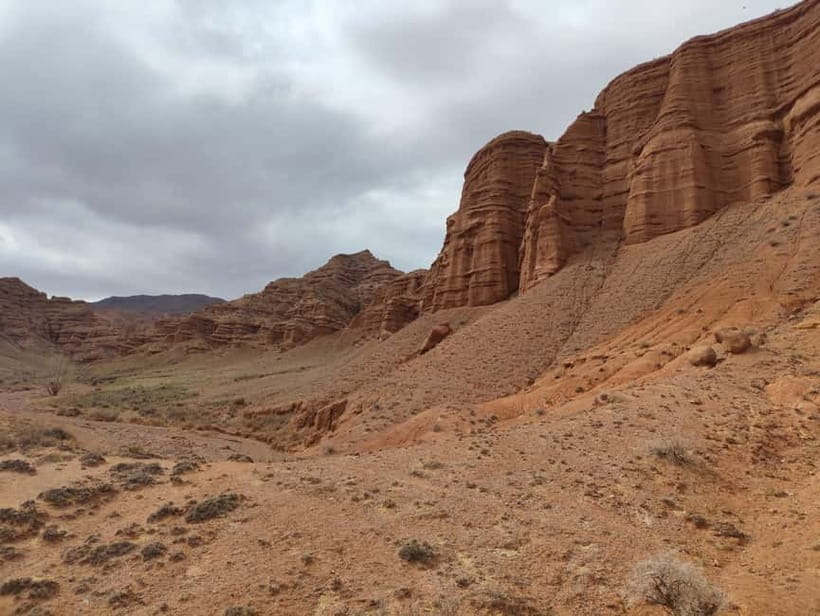
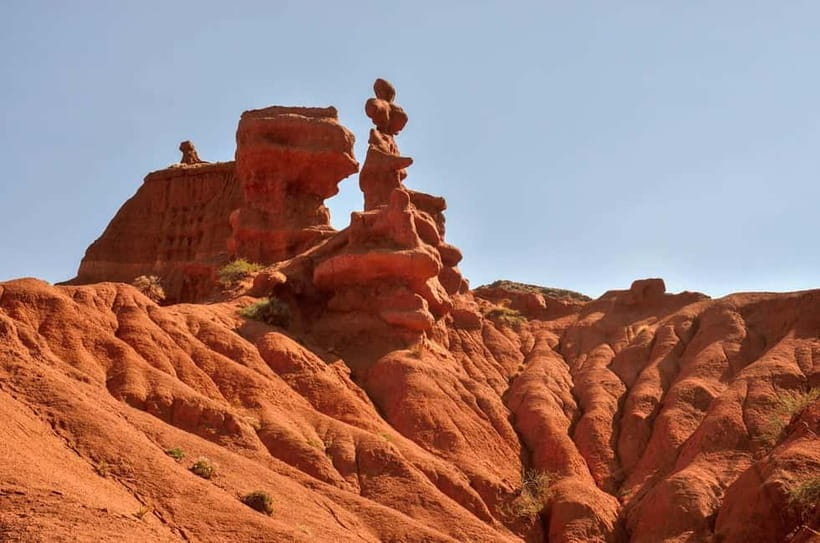
The canyon features red sandy rocks and pale geological layers (red Paleogene sand and clay rocks are mentioned), which is a big part of why the scenery looks so intense. You’re not just walking through a pretty area. You’re walking through a landform that reads like a slow-motion sculpture.
The hike length and time
The walking portion is described as an easy 2 km hike, with about 2.5 hours allocated for the canyon experience overall (guided time plus hiking). It’s also described as year-round, so you aren’t going to feel like you’re showing up only for a small seasonal window.
The moderate part: rock climbs (don’t wing it)
Here’s the part to respect: the trail includes 4 rock climbs, each roughly 1–3 meters. That’s not a technical mountaineering situation, but it is uneven and vertical enough that you need good traction.
Plan to wear non-slip shoes and comfortable, athletic clothing. If you’re thinking of sneakers with worn soles or sandals, don’t. This is the day-trip where shoes directly affect whether you feel confident or stressed.
Weather reality: wind is part of the deal
One booking described windy conditions and the guide offering a jacket. Even if the forecast is friendly, treat a canyon wind layer as standard gear. You’ll be moving, sure—but you’ll also stop for photos and pauses that make cool air feel colder.
Kattama lunch in a local Kyrgyz cafe: fueling the second half of the day
Lunch is included, and it’s not some sad afterthought. You’ll eat traditional Kyrgyz kattama after the canyon portion—at a local cafe.
Why this matters: hiking days can turn into a constant snack hunt if food isn’t planned. Here, lunch is timed for when you actually want energy back—after you’ve tackled the climbs and earned the views.
Also, there’s evidence the guide will try to help with food needs. One experience noted vegetarian accommodation. If dietary requirements matter to you, say something when you meet your guide so you’re not stuck hoping everything works out on the spot.
Your guide and small-group setup: what you gain on a 15-person max day
This trip is run as a small group capped at 15 participants, with a live guide available in English, Russian, Turkish, and Kirghiz. That language list matters because Kyrgyzstan’s history and landscape can get lost if you can’t ask questions.
In the bookings tied to this tour, the standout theme is how actively the guide supports people—not just recites facts. Mirlan, in particular, has been praised for being friendly and helpful during the tougher moments: encouraging someone through the tight minaret spaces, offering a jacket when wind picked up, and helping during the canyon hike.
There’s also a human, good-energy element. One booking even mentioned the guide teaching a silly salmon jump for fun. It’s a reminder that a good guide doesn’t just manage logistics—they manage morale.
If you want a day where you can ask questions and feel looked after, this setup works well.
Transport comfort and route timing: why the whole day fits at 9 hours
A 9-hour day trip can go two ways: either it feels efficient or it turns into a long sit-and-stare. This one is designed to be efficient by clustering activities geographically and building in guided time.
Pickup and drop-off are included from Bishkek, and transport has a strong reputation (93% of reviewers scored it perfect). That’s not a guarantee for every driver day, but it is a helpful signal: you’re spending your energy on Burana and Konorchek, not on worrying about the road conditions.
The schedule also keeps you from burning daylight. You’re at Burana first, then you move to Konorchek for the main hike, then you’re back in Bishkek afterward.
Price and value: is $85 actually a deal?
At $85 per person for a 9-hour day trip, you’re paying for the package deal: pickup and drop-off, a guide, entry/admission to the Burana Tower museum, the Konorchek hike, traditional kattama lunch, and water.
That’s where the value shows up. If you were to do this independently, you’d need a way to get out there, figure out what to see, and pay for admission on your own. Even without comparing to exact taxi or rental costs, it’s clear this price covers the hard parts: transport coordination, local interpretation, and the timed lunch.
This tour also makes sense if you’re short on time in Kyrgyzstan and want the Silk Road-meets-red-rock combo without planning a multi-stop itinerary.
Optional add-on: continuing to Issyk-Kul Lake and Balykchy
If you want to stretch the day, there’s an optional continuation. You can add Issyk-Kul Lake / Balykchy for an additional fee, and the drive time from Konorchek is described as about 40 minutes.
This is a good option if you want water-country scenery after canyon red. Just remember that adding time can mean less buffer for rest or delays, so keep your energy in mind if you’re already sensitive to hiking climbs.
Should you book this Burana and Konorchek day trip?
Book it if you want:
- A guided Silk Road hit at Burana, including museum time and petroglyphs
- A real hike with big scenery and manageable distance (about 2 km)
- A local lunch built into the schedule (kattama)
- A small group where the day doesn’t feel chaotic
Consider skipping or choosing a gentler alternative if:
- You’re uncomfortable with short rock climbs (1–3 m) and tight footing
- You don’t do well on historic stair climbs that may feel narrow
If you do book, wear non-slip shoes, pack a layer for wind, and keep your pace steady. This is the kind of day that turns history into something you can look at—then physically step through.
FAQ
What does the tour cost?
The price is $85 per person.
How long is the day trip?
The duration is 9 hours.
Where are you picked up and dropped off?
Pickup and drop-off are included in Bishkek.
How big is the group?
This is a small group, limited to 15 participants.
What languages is the guide available in?
The live guide offers English, Russian, Turkish, and Kirghiz.
What do I do at Burana Tower?
You get a guided visit, including entry/admission to the Burana Tower Museum, plus time for petroglyphs and a short walk/shopping period.
How long is the Konorchek Canyon hike?
You’ll do a 2 km hike with about 2.5 hours allocated for the canyon portion (guided tour plus walking).
Is the canyon hike difficult?
It’s described as moderate/easy overall, but it includes 4 rock climbs roughly 1–3 meters, so non-slip shoes are important.
What’s included for food and water?
You’ll have a traditional Kyrgyz kattama lunch and receive a bottle of water.
Can the trip be extended to Issyk-Kul Lake?
Yes. You can add Issyk-Kul Lake / Balykchy for an additional fee, with the drive taking about 40 minutes from Konorchek.