REVIEW · BUCHAREST
Bucharest: 3-Hour Dark History Tour with a Local
Book on GetYourGuide →Operated by Asociația Coolturală Nouă ne pasă! · Bookable on GetYourGuide
Bucharest has a darker side, and it shows. This 3-hour tour hits Bellu Cemetery and the key sites of 1989 and communist repression, with a local guide turning grim history into a real sense of place.
What I like most is how it mixes postcard Bucharest with the streets that remember revolutions, prisons, and ordinary people caught in big systems. I also like the pace and format: you walk, you take the metro with tickets included, and you get a traditional street snack without it turning into a museum sprint.
One drawback to plan for: it’s a lot of outdoor walking over uneven ground, and the subject matter gets heavy, so you’ll want steady nerves and comfortable shoes.
In This Review
- Key highlights that make this tour worth your time
- Meeting Ion Luca Caragiale National Theatre and Getting Your Bearings
- Walking pace and comfort tip
- Six Cemeteries on One Street: How Bellu Cemetery Tells Bucharest’s Story
- Bellu Cemetery: beautiful stone, uncomfortable stories
- Cats and cemetery dogs can happen
- University Square: The Revolution in Motion, Then Protest in the 90s
- Why this stop feels different from a typical history lesson
- Little Paris and the Interwar Street Life You Don’t See on Postcards
- What to watch for as you walk
- The Vampire of Bucharest: A Serial Killer Story Tied to City Mood
- If you want spooky but not chaotic
- Revolution Square and the Communist Machine: Ceaușescu, the Securitate, and the Cost of Dissent
- Why this ending works
- Price and Value: Is $55 for 3 Hours a Good Deal?
- What you should budget for
- What to Pack and What to Expect During the Walk
- Who will enjoy this most
- Should You Book This Dark History Tour?
- FAQ
- Where is the meeting point for this Bucharest tour?
- How long is the tour?
- How much does the tour cost?
- What’s included in the price?
- What should I bring?
- Is the tour in English?
- What is the group size limit?
- Is this tour suitable for children?
- Does the tour visit Bellu Cemetery and Revolution Square?
- What if I want to cancel?
Key highlights that make this tour worth your time
- Bellu Cemetery, a national historical monument packed with architectural “jewels” and strange, human stories
- One street, multiple cemeteries, including the Cemetery of the Victims of the Revolution in 1989, the Jewish Cemetery, and the Russian Soldiers’ Cemetery
- University Square, where 1989 and later anti-communist protests left a bloody mark
- Interwar Bucharest’s Little Paris era, including the sex trade and what remains of an old brothel
- The Vampire of Bucharest thread, a 1970s serial killer story woven into the city’s mood
- Revolution Square, plus the communist regime’s prisons, labor camps, and torture methods under Ceaușescu and the Securitate
Meeting Ion Luca Caragiale National Theatre and Getting Your Bearings
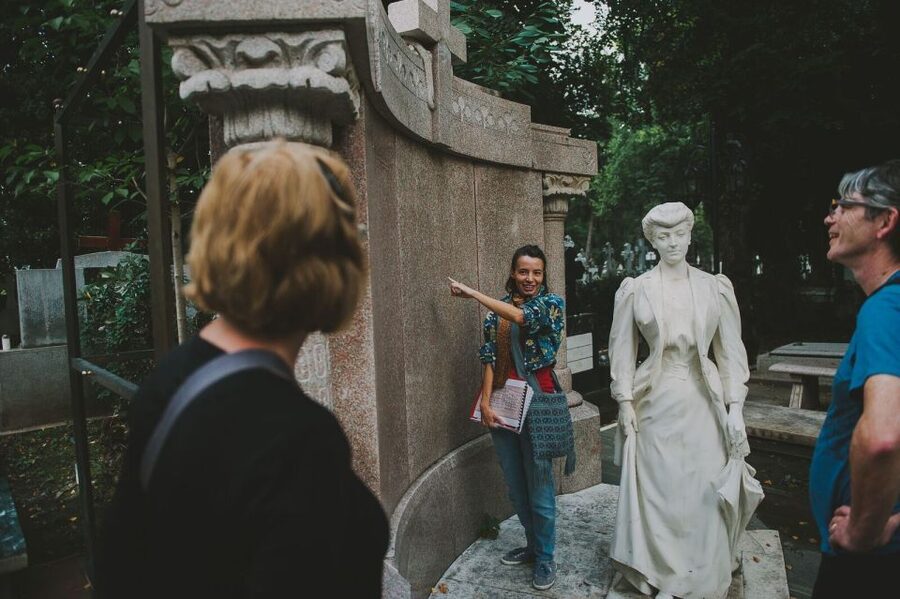
The tour starts at the main entrance of Ion Luca Caragiale National Theatre, on Bulevardul Nicolae Bălcescu 2. It’s a good launch point because you’re close enough to the center to feel like you’re moving through real neighborhoods, not hopping from one far-away site to another.
With a maximum group size of 12, the guide can actually keep track of people and answer questions without the usual herd-herding. That small group size matters on a tour like this, because it’s not just “see X, then Y.” You’re getting stories that connect places, and you’ll want time to ask what something means.
You can also read our reviews of more historical tours in Bucharest



Walking pace and comfort tip
Expect solid walking. This isn’t a sit-and-watch kind of tour. If it’s cold, dress for it. People often underestimate how quickly winter chill hits when you stop less often than you think you will.
Six Cemeteries on One Street: How Bellu Cemetery Tells Bucharest’s Story
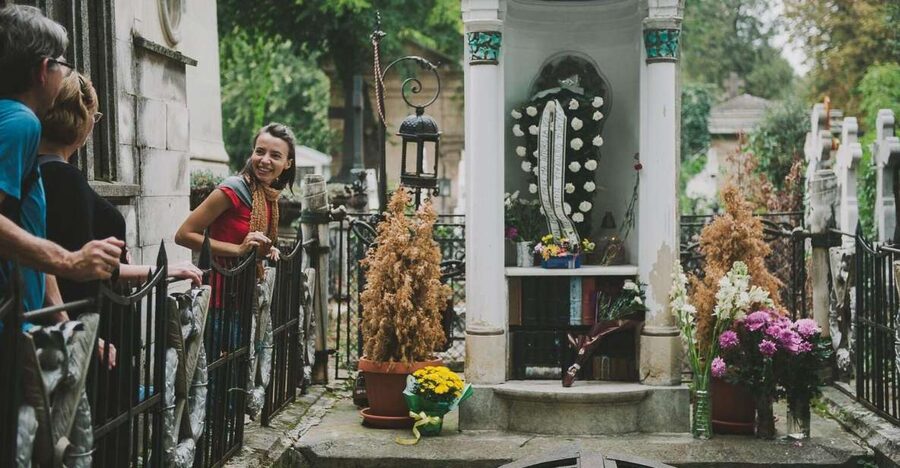
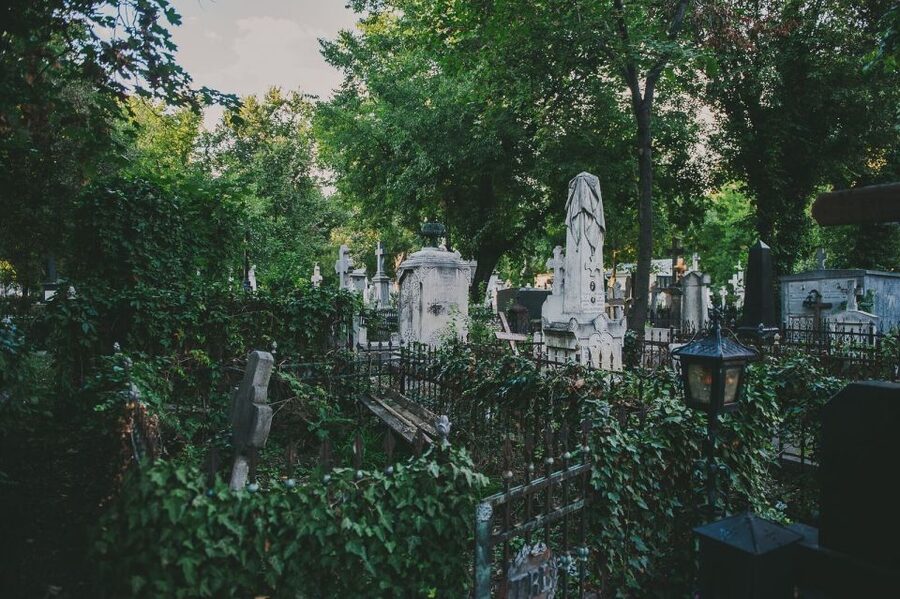
One of the most interesting parts starts before you even reach Bellu Cemetery. The route begins near a street that holds at least six cemeteries, including the Cemetery of the Victims of the Revolution in 1989, the Jewish Cemetery, and the Cemetery of the Russian Soldiers—before you visit the old historical Bellu Cemetery together.
That layout does something smart for you as a visitor. It shows how Bucharest deals with memory: not in one monument, but in a cluster of places where history, religion, war, politics, and personal tragedy all overlap.
Bellu Cemetery: beautiful stone, uncomfortable stories
Bellu Cemetery is described as a national historical monument, and it really does come across like funerary architecture with personality. The guide’s job here is crucial. Without context, cemeteries can feel like “just graves.” With a local, you start seeing why the monuments matter and how symbolism works—who built what, why certain people are remembered, and how love and fear end up carved into stone.
The tour frames Bellu as a place with contrasting emotional tones: sad love stories alongside sinister mysteries. That balance is part of the value. You’re not only getting spooky atmosphere for fun. You’re learning how Bucharest’s “dark” chapters were lived by real people—often in public view through memorials.
Cats and cemetery dogs can happen
In real-world practice, guides sometimes point out the stray cats that live around the cemetery and may bring food or treats as part of caring for them. If that’s your kind of detail, it adds warmth to an otherwise heavy setting. It also makes the place feel more alive than a staged attraction.
University Square: The Revolution in Motion, Then Protest in the 90s
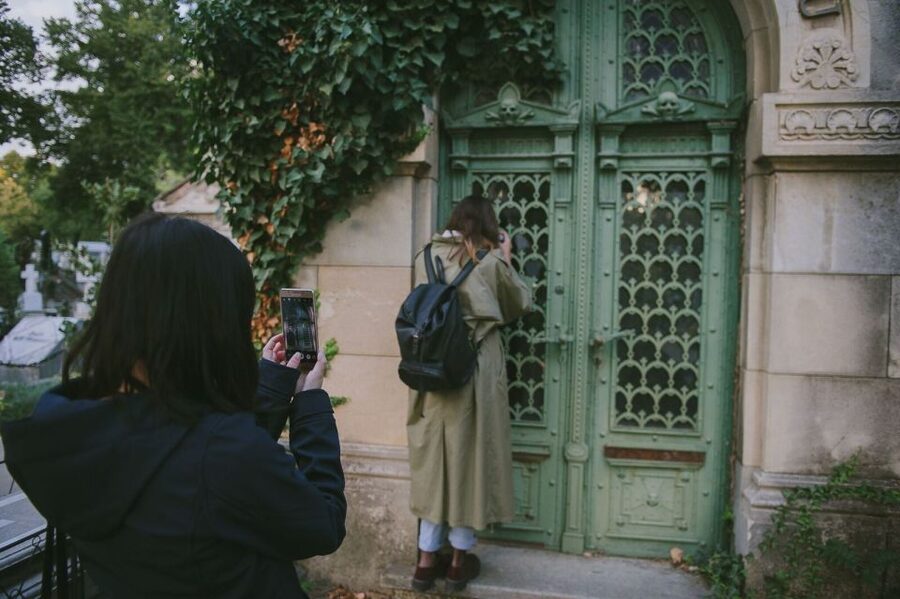
After the cemetery, you head toward University Square, one of Bucharest’s most important civic landmarks. This spot matters because it played a key role in the Revolution in 1989, and later again during anti-communist students’ protests in the 90s.
The point here isn’t just that something happened there. It’s that the square becomes a recurring stage for the same kind of conflict—power versus people demanding change. The tour leans into the uncomfortable reality that these protests were not bloodless events, and that the city’s center absorbed political violence.
Why this stop feels different from a typical history lesson
A lot of tours cover 1989 like it’s a single clean chapter. Here, you get a sense of how revolutionary momentum can echo for years, and how new generations inherit the old conflict. You’ll leave University Square with a sharper understanding of why Romania’s modern story can’t be separated from its communist aftermath.
Little Paris and the Interwar Street Life You Don’t See on Postcards
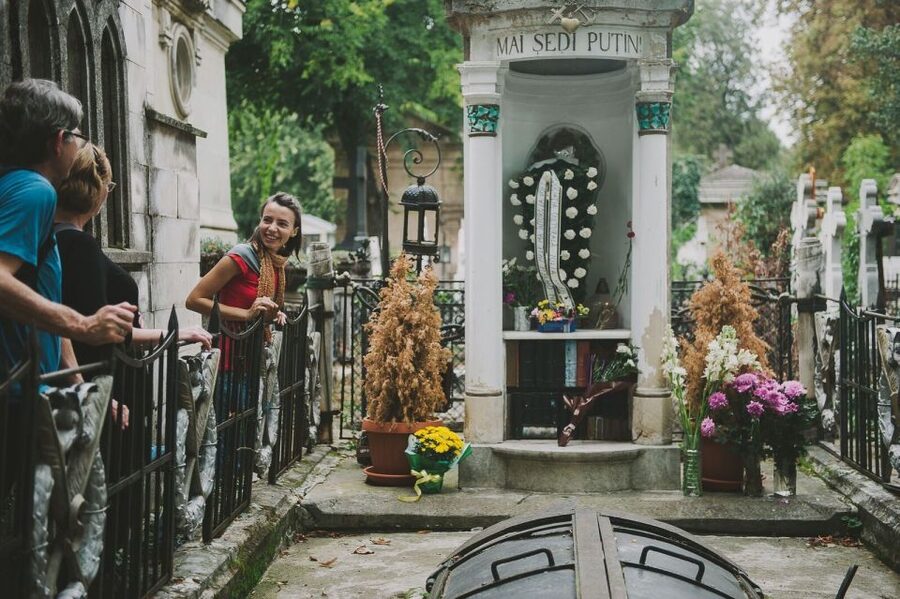
Next comes a very different mood shift: the “Little Paris” era. This is where Bucharest starts to feel stylish on the surface—sophisticated, social, modern-sounding in your imagination—while the guide also explains the darker reality underneath.
You’ll learn about the practice of sex trade in Bucharest during the interwar period, including a glimpse of what’s left of a former brothel. The way the guide frames it matters. Instead of turning it into sensational “shock history,” the tour uses it to explain how cities function: money, desire, power, and stigma all leave physical traces.
What to watch for as you walk
When the guide talks about interwar street life, keep an eye out for details that look minor but aren’t. In older city centers, architecture and street patterns often hint at how people used space—where businesses operated, how privacy worked, and why certain areas had reputations. You’re learning to read the city, not just to memorize dates.
The Vampire of Bucharest: A Serial Killer Story Tied to City Mood
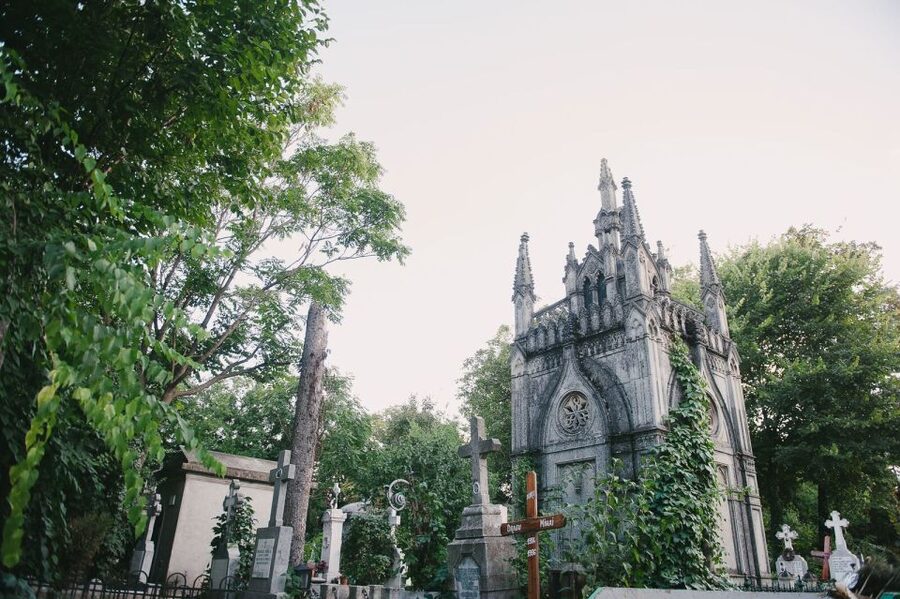
Then the tour threads in the story of a serial killer nicknamed the Vampire of Bucharest, who terrorized the city in the early 1970s.
This is the moment where the tour’s “dark history” brand becomes more thriller-like, but it still stays grounded in how fear spreads through urban life. You’re not just hearing a list of crimes. You’re hearing how a city’s atmosphere can change when people feel hunted—how rumors form, how communities respond, and how the memory of fear lingers in a place.
If you want spooky but not chaotic
This is a guided explanation, not a horror walk. You’ll have enough structure to keep up, and you’ll likely get time to ask questions if you want the guide to clarify the timeline or the connections to other eras.
Revolution Square and the Communist Machine: Ceaușescu, the Securitate, and the Cost of Dissent
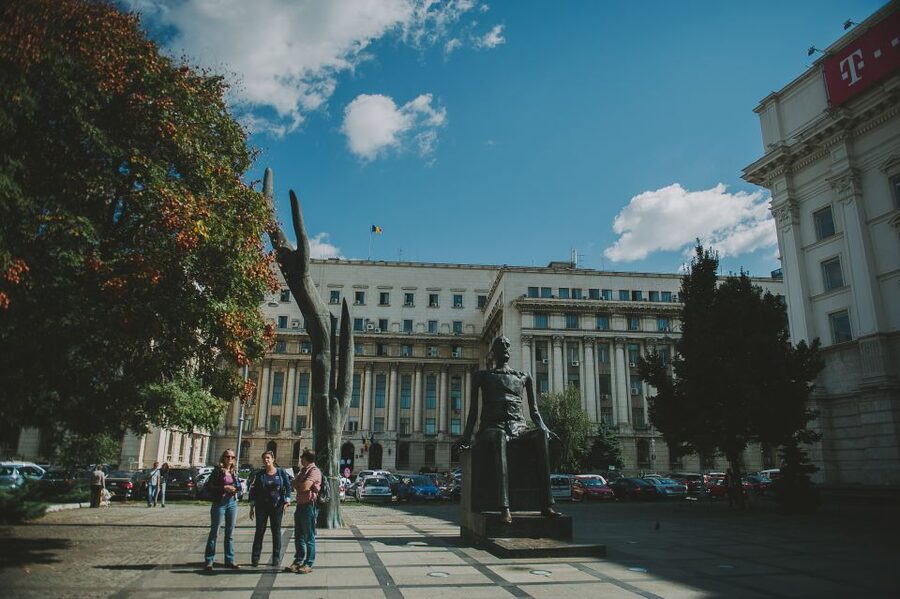
The final heavy stop is Revolution Square, where the Revolution in 1989 started in Bucharest. From here, the tour opens up the broader story of how the communist regime controlled dissent.
You’ll hear about prisons and labor camps, and about torture methods used to silence critics. The guide connects this to Ceaușescu’s dictatorship and the role of the Securitate—the regime’s feared internal security service, often described as Romania’s own KGB.
Why this ending works
This part ties everything together. Cemeteries become more than architecture. University Square becomes more than a landmark. The city starts to look like an archive of pressure—where government power left marks on both people and public space.
And because the tour ends on these political structures, you get a clear emotional arc: from personal memorials, to public protest, to how private lives were shaped by bigger systems.
Price and Value: Is $55 for 3 Hours a Good Deal?
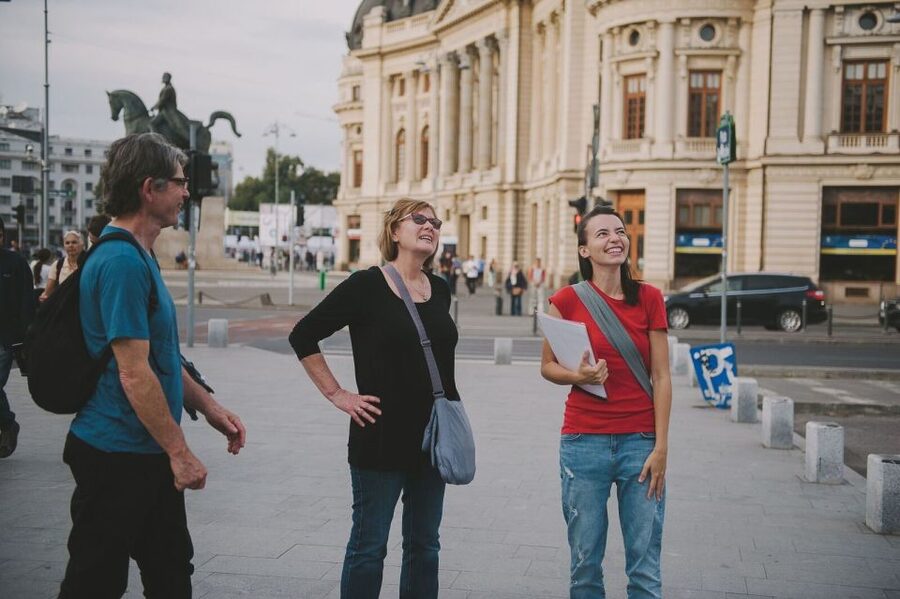
At $55 per person for a 3-hour tour, you’re paying for more than access. You’re paying for a guide who can explain how cemeteries, squares, and streets connect to Romania’s 20th-century turning points—plus included transport help and a small local food moment.
Here’s what you actually get for your money:
- A local English-speaking guide who leads the story across multiple key sites
- Metro tickets to help you move between stops
- A traditional street snack included
- A small-group setting (maximum 12), which improves the experience when you want questions answered
What you should budget for
Extra food and drinks are not included. Souvenirs and personal shopping aren’t included either. So if you plan to eat after, do it with that in mind. Also, bring your own water if you tend to get thirsty on walking tours (the tour includes a snack, not a full meal).
What to Pack and What to Expect During the Walk
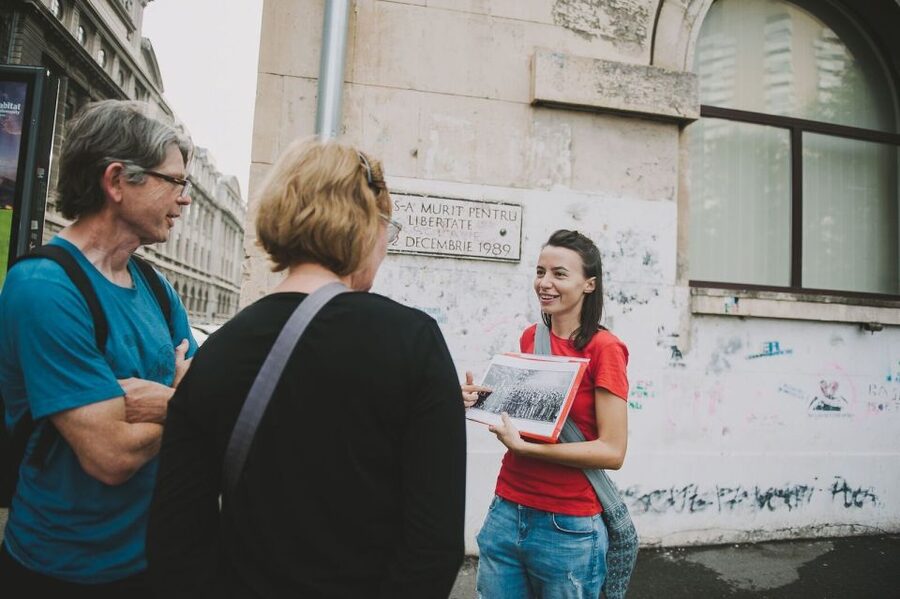
This tour is built for people who are comfortable standing and walking for stretches. The one clear requirement is comfortable shoes.
Beyond that, think practical:
- Dress for the weather. You spend time outside and you don’t always control the pace.
- If the topic hits hard for you, treat the tour like a focused visit, not a casual stroll. Pace yourself emotionally, especially around Revolution Square and the communist repression discussion.
Who will enjoy this most
This tour fits best if you’re drawn to:
- modern Romanian history
- stories with social context, not just dates
- architecture and symbolism (cemeteries are a big part of that)
- a guided city walk that feels like talking to someone who actually lives there
It’s not set up for kids under 16.
Should You Book This Dark History Tour?
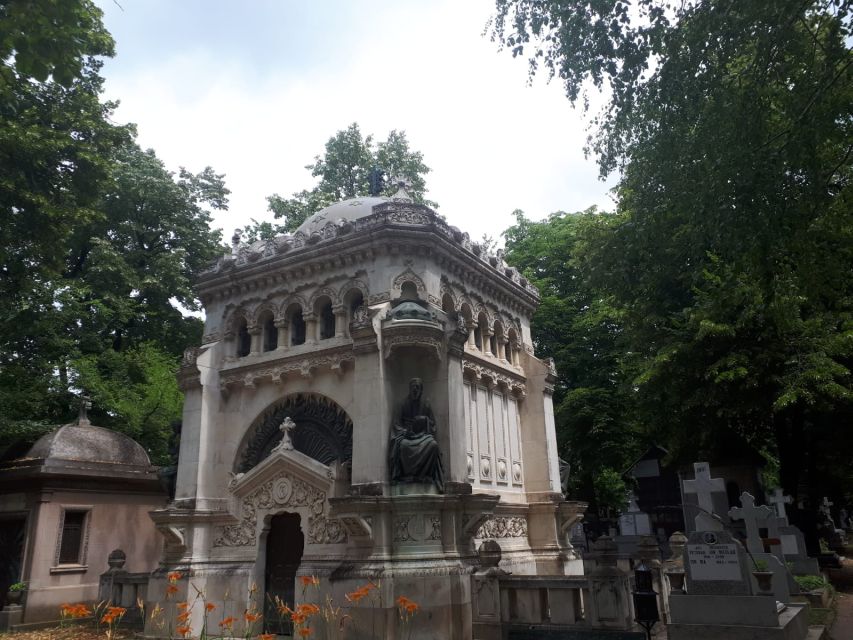
I think you should book if you want Bucharest to feel more human and less curated. The Bellu Cemetery stop, the concentration of multiple cemeteries, and the way the guide connects 1989 to later anti-communist protests give you a strong sense of how the city processes trauma.
Skip it if you want a light sightseeing afternoon or you’re easily overwhelmed by topics like dictatorship, prisons, labor camps, and torture methods. Also skip it if you have limited tolerance for outdoor walking on uneven ground.
If your goal is to understand Bucharest beyond the obvious highlights, this is one of the better ways to do it in only 3 hours.
FAQ
Where is the meeting point for this Bucharest tour?
The meeting point is at the main entrance of Ion Luca Caragiale National Theatre, Bulevardul Nicolae Bălcescu 2, București 010051, Romania.
How long is the tour?
The tour lasts 3 hours.
How much does the tour cost?
The price is $55 per person.
What’s included in the price?
It includes a local English-speaking guide, a traditional street snack, and metro tickets.
What should I bring?
Wear comfortable shoes, since the tour involves a fair amount of walking.
Is the tour in English?
Yes, it’s an English-language tour.
What is the group size limit?
The maximum group size is 12 people.
Is this tour suitable for children?
No. Travelers under 16 years of age are not permitted.
Does the tour visit Bellu Cemetery and Revolution Square?
Yes. It includes a visit to Bellu Cemetery and also covers Revolution Square.
What if I want to cancel?
Free cancellation is offered up to 24 hours in advance for a full refund.