REVIEW · YEREVAN
Sevan, Dilijan, Ancient Monasteries: Haghartsin & Goshavank
Book on GetYourGuide →Operated by ONE WAY TOUR · Bookable on GetYourGuide
Lake Sevan hits you fast. This 10-hour Armenia day trip strings together Lake Sevan views, Dilijan’s charm, and two monastery visits (Haghartsin and Goshavank) with a stop near Sevanavank—so you get nature, architecture, and carved-stone details in one long, well-paced day. I especially like the way the guide connects the places you’re standing in—so the monasteries don’t feel like random buildings—and I love how much time you’re given at Lake breaks for photos and slow strolling. The main drawback is simple: it’s a full day, with plenty of driving, so you’ll want comfortable shoes and patience when the weather gets moody.
The value is strong for $38 per person because the price covers transportation, an English-speaking guide, and bottled water—meaning you can focus on the sights instead of route-planning. Guides also show up as a standout element on this itinerary; names like Vahagn, Hayk, Jasmine, Hasmik, Anahit, Lucy, and Gevorg come up often for their storytelling style and question-friendly pace.
In This Review
- Key highlights to look forward to
- Lake Sevan: blue water, mountain air, and a real sense of scale
- Sevanavank Monastery: 9th-century stone above the lake
- Traveling toward Dilijan National Park: the scenery shift that makes the day work
- Haghartsin Monastery: forest calm and medieval church architecture
- Goshavank Monastery: intricate khachkars and a scholarly legacy
- Lake Parz: a quieter nature pause inside Dilijan National Park
- Old Dilijan (Tufenkian Old Town): restored streets, craft shops, and cafés
- Getting the most from the guide (and why it affects the whole day)
- Price and value: is $38 really a deal?
- Who this day trip is best for
- Should you book this Sevan and Dilijan monastery day trip?
- FAQ
- Where is the meeting point?
- How long is the tour?
- What’s included in the price?
- Is lunch included?
- Which major sites are visited?
- Are the monastery visits guided?
- What should I bring?
- Are there restrictions on the vehicle?
- Can I cancel and get a full refund?
Key highlights to look forward to
- Lake Sevan shoreline time for calm views and mountain backdrops
- Sevanavank Monastery with 9th-century stone work and khachkars
- Haghartsin inside Dilijan National Park with a forest setting and quiet courtyards
- Goshavank’s refined medieval architecture and intricate khachkars
- Lake Parz break for a quieter nature pause off the main road
- Old Dilijan (Tufenkian Old Town) for restored 19th-century-style streets and cafés
Lake Sevan: blue water, mountain air, and a real sense of scale
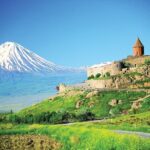
Lake Sevan is the kind of place that makes you pause mid-sentence. It sits high up, and the views feel big in every direction. Even if it’s breezy (and it often is around the water), the shoreline walk is worth it because it gives you a simple rhythm: you stand, you look, you shoot photos, then you move on to the next viewpoint without rushing.
In this day trip, you get a break plus guided time so you’re not just dropped off and left guessing where to go. I like that because you’ll come away with context—what the lake means geographically, and why it’s tied so closely to Armenian history and daily life.
Practical note: if you’re planning photos, bring what you can for wind. A light layer helps too, because the air can feel cooler near the water even when Yerevan feels mild.
You can also read our reviews of more tours and experiences in Yerevan.
Sevanavank Monastery: 9th-century stone above the lake
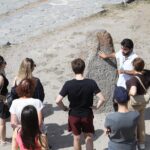
After the lake break, the tour shifts from open views to quieter, older textures at Sevanavank. This monastery is set close to the water and has the kind of medieval Armenian stone architecture that rewards slow looking. The big draw here is the mix: traditional church structures plus historic khachkars (carved cross-stones) and peaceful chapels tucked into the setting.
Why I think this stop matters: monasteries in Armenia are not just heritage sites. They’re also “time machines” for how people carved meaning into everyday landscapes. Sevanavank gives you that feeling immediately because you can compare the monastery’s stillness with the motion of the lake outside.
What to expect on the ground:
- A guided walk through the complex
- Time to observe details in the stonework
- View opportunities over Lake Sevan and surrounding mountains
If you want a photo, aim for a few different angles: one wider shot that frames the monastery against the lake, then closer images for khachkars and doorways. Those close details are often what you’ll remember later.
Traveling toward Dilijan National Park: the scenery shift that makes the day work
Between Sevan and Dilijan, the drive is part of the experience. You start with lake air, then gradually trade it for a greener, cooler atmosphere as you head into Tavush Province and the Dilijan region.
This matters because it prevents the day from feeling like only “driving between stops.” The tour uses the geography like a narrative: lake → monastery → forests → another monastery → mountain lakes → Old Dilijan streets.
You’ll also notice a practical pattern: the tour keeps rest breaks at sensible points. Those short resets—like short drives with time to stretch—add up when you’re doing this as a single 10-hour outing.
Haghartsin Monastery: forest calm and medieval church architecture
Haghartsin is one of the stops that tends to stick with people. It sits deep within the lush setting of Dilijan National Park, and that forest location changes the entire mood of your visit. You don’t feel like you’re in a busy checkpoint. You feel like you’ve stepped into a quiet pocket where courtyards and stone churches sit under trees.
This monastery dates from the 10th–13th centuries, and it shows in the craftsmanship and layout. You’ll see elegant stone churches, carved details, and areas that invite you to slow down for photos and reading the shapes in the carvings.
What I like about Haghartsin in a day trip: it’s not the only monastery you visit, so you can actually compare. Sevanavank feels lake-focused and airy; Haghartsin feels shaded, enclosed, and forest-silent. That contrast is a big part of why the itinerary works.
Quick practical tip: plan on worn soles. Paths and courtyards can be uneven, and you’ll stand more than you might expect while you look up close at carved stone.
Goshavank Monastery: intricate khachkars and a scholarly legacy
Goshavank is the other major monastery stop, and it balances the day nicely. If Haghartsin was the forest calm, Goshavank leans into refined architecture and the kind of carved-stone detail Armenia does better than almost anywhere else.
The monastery is located in Tavush’s forested landscapes, and it’s associated with medieval Armenian culture and scholarship. In other words: this isn’t just about pretty churches. It’s also about the idea that monasteries functioned as centers of learning, writing, and craftsmanship.
Key things you’ll want to look for:
- Intricate khachkars (carved cross-stones) that often have multiple layers of detail
- Impressive churches and stone architecture
- A peaceful setting that makes the carvings feel more intentional than just decorative
Timing matters here. The tour includes guided time and a photo stop, so you get both explanation and your own chance to frame shots without feeling rushed.
Lake Parz: a quieter nature pause inside Dilijan National Park
After the monasteries, you get a break at Lake Parz. This is the “exhale” stop. Lake Parz is known for crystal-clear water and a peaceful atmosphere, surrounded by dense woodlands and walking paths.
It’s not the biggest stop on paper, but it’s a good one for your legs and your head. You can take a lakeside stroll, breathe in the fresh forest air, and reset before you head into town.
Possible activities here (depending on what’s available when you arrive):
- Short walking loops around the lake
- Boating options during your break, if offered at the site
One of the few caution flags: this stop can feel popular with families, so if you want photos with fewer people, time your walking for a quiet moment—usually early or later in the break window works best.
Old Dilijan (Tufenkian Old Town): restored streets, craft shops, and cafés
Dilijan is charming, and the Old Dilijan complex gives you the best version of it for a short time. This quarter is also known as the Tufenkian Old Town, and it’s designed to bring back the spirit of 19th-century Armenia.
What you’ll notice fast:
- Restored wooden balconies
- Stone houses with a traditional feel
- Artisan workshops and cozy cafés
This is the part of the day where you shift from “monument photography” to “street wandering.” It’s also a practical way to break up the day’s heavier historical stops. Even a 20-minute guided walk helps you understand what you’re looking at—then you can choose where to linger afterward.
If you want souvenirs, this is where you’ll likely find the most meaningful items (craft-focused rather than mass-market). Just don’t let shopping swallow your time. You’ll want a little buffer so you don’t get caught late at the meeting point.
Getting the most from the guide (and why it affects the whole day)
With a day trip like this, your guide isn’t optional entertainment. It’s the difference between seeing monasteries and understanding them. This itinerary is packed enough that you’ll miss details unless someone connects them for you in plain language.
From the guides associated with this route—Vahagn, Hayk, Jasmine, Anahit, Hasmik, Lucy, and Gevorg—you’ll often see a storytelling style that makes Armenian religious history feel human: why these places were built where they were, how khachkars fit into the culture, and what to notice when you’re standing in front of the stone.
My advice: ask questions at the monasteries, not in the van. The carvings and church layouts will make your questions easier to answer—and your photos will improve because you’ll be photographing details you actually understand.
Price and value: is $38 really a deal?
At $38 per person, this trip is good value if you factor in what you’re getting for the money:
- Transportation throughout the day
- A professional English-speaking tour guide
- Bottled water
You’re also paying for the ability to see multiple sites in one go. Doing Sevan, Dilijan, Lake Parz, and two monasteries on your own would mean separate planning, separate driving, and more chance of wasted time. Here, the schedule is built to stack the best stops efficiently.
The part to consider is personal: if you’re the type who wants a long, slow day at only one monastery or only one lake, this might feel packed. But if you want one strong overview of this corner of Armenia—nature plus architecture—this price feels fair.
Also note the biggest cost you’ll likely have on top: lunch. Expect to budget around $5–10 per person.
Who this day trip is best for
This tour is a great fit if:
- You want nature + monasteries without needing a second day
- You care about Armenian architecture details and khachkars
- You’re photographing and want multiple view points (Lake Sevan, monastery settings, Lake Parz)
- You enjoy a guided story so the sites make sense fast
It’s less ideal if:
- You hate long days and lots of vehicle time
- You prefer totally free wandering with no structure at all
Should you book this Sevan and Dilijan monastery day trip?
Yes, book it if you want a high-impact day that balances Lake Sevan, two major monasteries, and Dilijan’s Old Town without extra planning. The strongest reason to choose it is the way the stops contrast—lake air, monastery stone, forest quiet, then back to town streets—so the day doesn’t blur together.
Hold off if you’re hoping for an ultra-slow pace, or if you’re sensitive to long driving. In that case, you might prefer a shorter route or a single-region day.
FAQ
Where is the meeting point?
You meet at the Komitas Yerevan State Conservatory in Yerevan.
How long is the tour?
The total duration is 10 hours.
What’s included in the price?
Transportation during the tour, a professional English-speaking tour guide, and bottled water are included.
Is lunch included?
No. Lunch is not included, and you should budget about $5–10 per person.
Which major sites are visited?
The tour includes Lake Sevan, Sevanavank Monastery, Haghartsin Monastery, Goshavank Monastery, Lake Parz, and Dilijan (including the Old Dilijan complex).
Are the monastery visits guided?
Yes. There are guided tours at the monasteries, with a photo stop and scenic viewing time as part of the plan.
What should I bring?
Bring comfortable shoes, water, and comfortable clothes.
Are there restrictions on the vehicle?
Smoking, alcohol, and drugs are not allowed in the vehicle. Food and drinks are also not allowed in the vehicle.
Can I cancel and get a full refund?
Yes. You can cancel up to 24 hours in advance for a full refund.
If you tell me what month you’re going and whether you prefer more photos or more history talk time, I can suggest the best way to plan your day at these stops.