REVIEW · WASHINGTON DC
Washington, DC: African American History Tour & Museum Entry
Book on GetYourGuide →Operated by USA GUIDED TOURS · Bookable on GetYourGuide
That bus window time in Washington, DC feels different. This 4-hour African American history tour strings together major civil rights sites and lesser-seen corners of the city, then hands you timed entry to the Smithsonian National Museum of African American History and Culture.
I especially like the way the route links monuments to names and context. Seeing stops tied to people like Mary McLeod Bethune and Frederick Douglass, then pairing it with a Smithsonian ticket, helps the big moments make sense instead of feeling like random photo ops.
One thing to plan for: you’re mostly traveling and taking photos from the curb or short stops, not wandering freely all day. And if you’re sensitive to audio, a few guests noted the bus mic could be muffled at times.
In This Review
- Key highlights at a glance
- A bus tour that connects DC monuments to real people
- The $89 value: timed Smithsonian entry plus guided DC context
- Getting started at the U.S. Navy Memorial: what the first hour feels like
- Emancipation to the Lincoln Memorial: the core civil rights storytelling stops
- Frederick Douglass and Lincoln Park: pausing for the names people forget
- Howard University and Le Droit Park: where education and neighborhood change meet
- The African American Civil War Memorial and Museum stop: why the Civil War story matters
- Freedom Plaza, Pennsylvania Avenue, and the MLK corridor: the downtown photo hits with context
- Smithsonian National Museum entry: your time starts after you get the context
- How the guide and driver shape the experience
- Practical tips so your day goes smoothly
- Who should book this tour, and who might skip it
- Should you book this African American History Tour with Smithsonian entry?
- FAQ
- How long is the tour?
- How much does it cost?
- Where do I meet the guide?
- What’s included in the price?
- Is food or drinks included?
- Do I get a guided visit inside the Smithsonian museum?
- Is this an official Smithsonian tour?
- Can I cancel for a full refund?
- Is there an option for private groups?
Key highlights at a glance
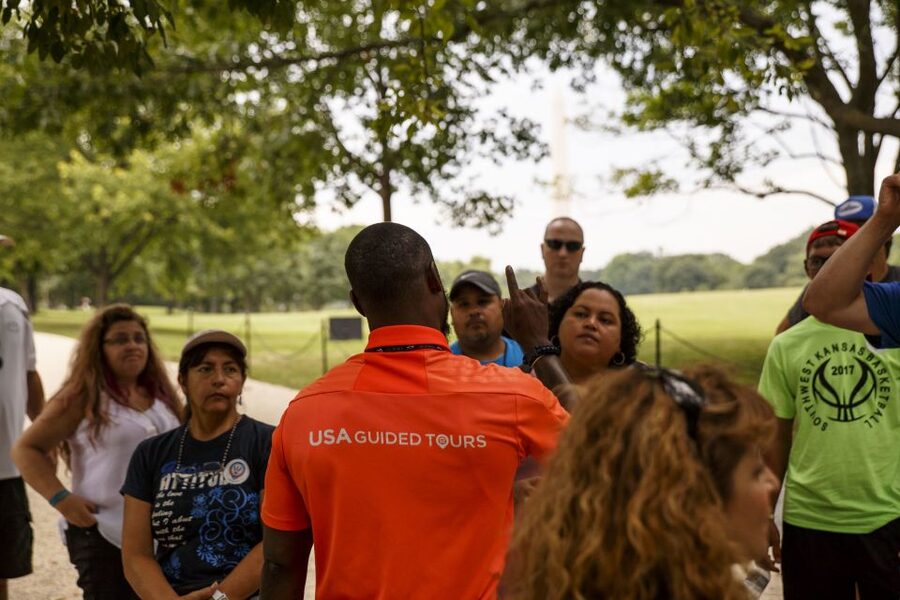
- Reserved Smithsonian entry: timed admission to the National Museum of African American History and Culture, then you explore on your own schedule
- A guided DC circuit, not just a museum day: you pass major memorials and also hit neighborhoods tied to community-building and culture
- Specific people, not vague slogans: Frederick Douglass, Mary McLeod Bethune, and key civil rights landmarks are part of the story
- Comfortable air-conditioned transportation: an easy way to cover a lot of ground without sprinting between stops
- Great guide energy: guides such as Dre and Elvis Pate (and drivers like Whiz Khalifa or Jesse, depending on the departure) help keep momentum and questions moving
A bus tour that connects DC monuments to real people
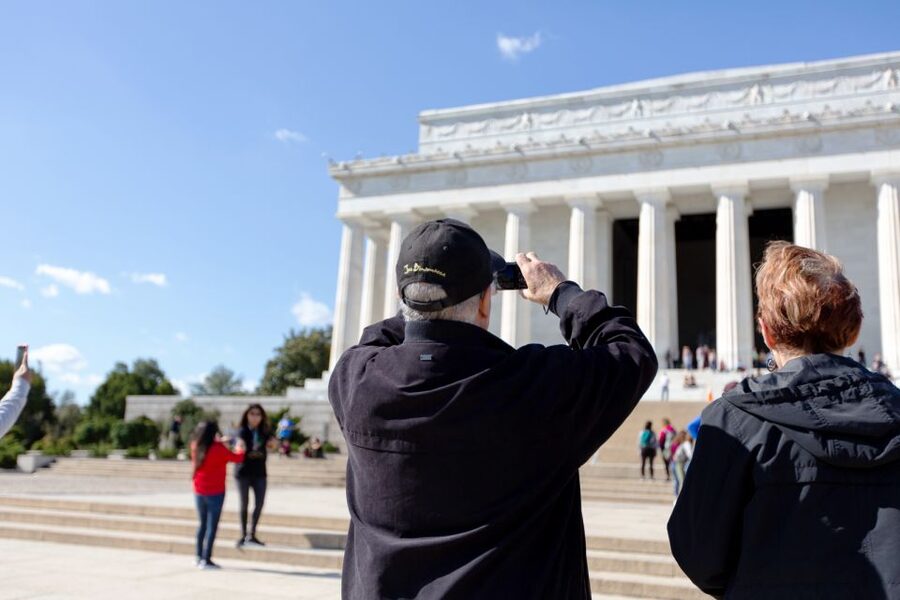
Washington, DC can feel like a museum already—big statues, wide avenues, and perfectly framed views. The problem is that most monuments don’t come with a “why it matters” sign you can read fast. This tour fixes that by building a clear storyline as you move through the city.
You start at the U.S. Navy Memorial area (meeting point can vary by the option you choose). From there, the day becomes a sequence of places tied to emancipation, organizing, protest, and the long arc of civil rights. You’ll get photo stops at major memorials, plus intentional stops where the guide points out details you could easily miss on your own.
You can also read our reviews of more historical tours in Washington Dc



The $89 value: timed Smithsonian entry plus guided DC context
At $89 per person for about 4 hours, the value is less about the bus ride and more about what you receive during that time. You get:
- a live English-speaking guide
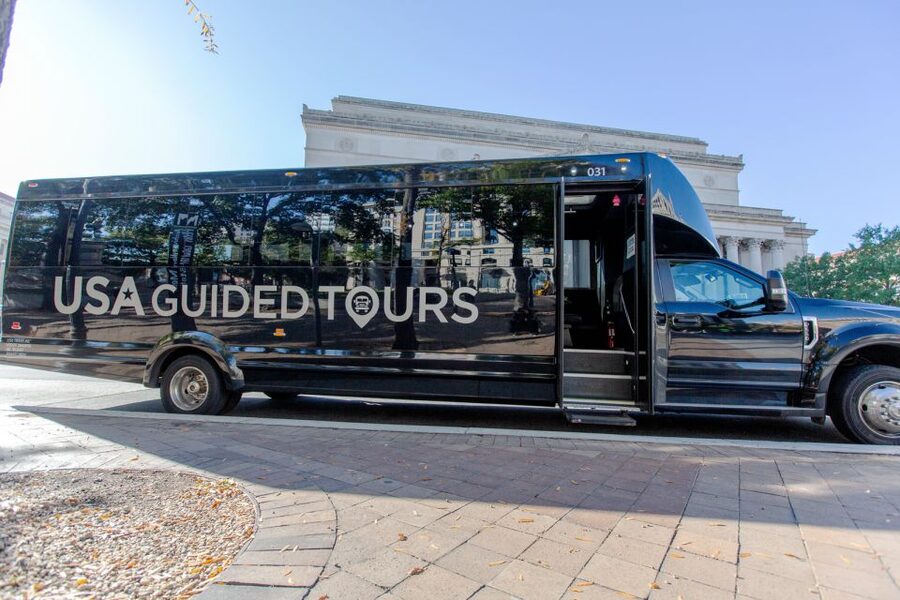
- transportation in an air-conditioned bus (helpful in DC heat or cold)
- reserved timed-entry access to the Smithsonian National Museum of African American History and Culture
The Smithsonian museum ticket alone is often the main reason people build a visit around this tour. What makes this different is that you’re not walking into the museum cold. The bus portion gives you names, themes, and landmarks to anchor what you’ll see inside.
A second value point: the museum time isn’t forced into a rigid group “tour of the museum.” You explore at your pace after your reserved entry, which matters because the museum is large and emotionally intense. You can slow down where you want, and skip what you need to.
Getting started at the U.S. Navy Memorial: what the first hour feels like
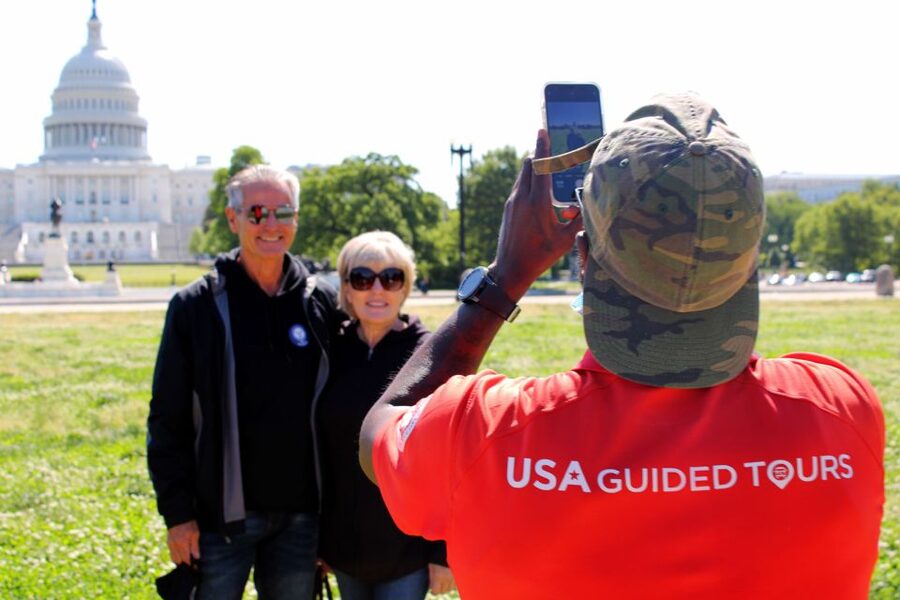
Meet near the U.S. Navy Memorial Plaza area, then settle in on a comfortable, climate-controlled bus. Your guide will set expectations quickly: the day is designed to cover the main corridors of African American history in DC without wasting time.
From the beginning, you’re learning how DC landmarks connect to real chapters of American history—especially the civil rights struggle and the people who fought, organized, taught, and led.
If you’re bringing kids or traveling with a mixed-age group, this format can help. It’s easy to keep the pace moving without everyone needing to walk for long distances at once. Just keep in mind that a few guests mentioned vehicle space could feel tighter than expected depending on the group setup, so if you’re tall or prefer extra leg room, dress accordingly and plan for a bit of closeness.
Emancipation to the Lincoln Memorial: the core civil rights storytelling stops
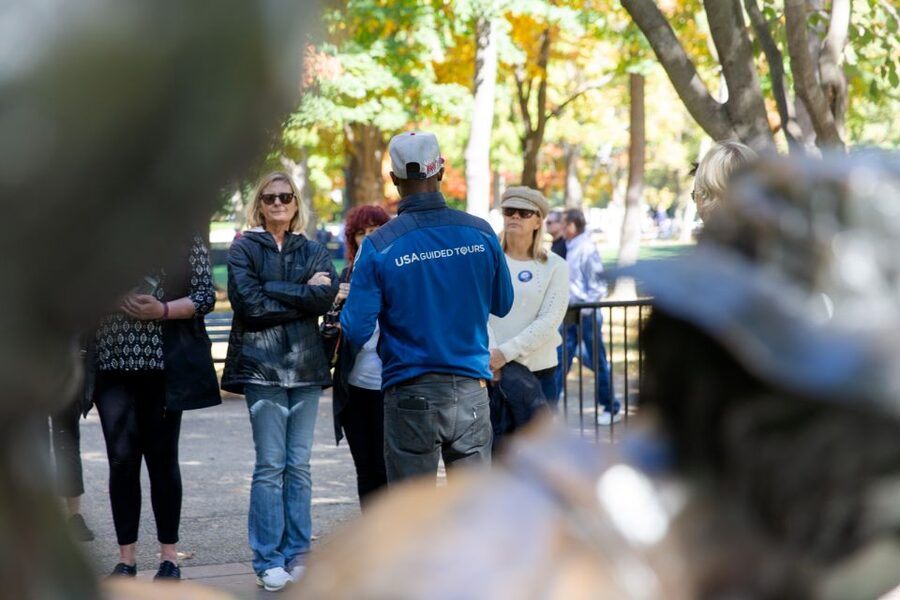
One of the strongest parts of this tour is how it uses DC’s most famous memorial geography—then ties it to African American history in a direct way.
Expect to pass or stop for photos at major sites, including:
- the Emancipation Statue
- the Lincoln Memorial (a photo stop)
- the Martin Luther King, Jr. Memorial (photo stop)
- the area tied to where King delivered the I Have a Dream speech in 1963
The “why” here matters. The Lincoln Memorial is easy to treat as just a postcard view. With a guide explaining the civil rights movement context and the sequence of events around that speech, the reflecting pool and steps start feeling less symbolic and more like a chapter you can place in time.
You’ll also make stops around Lincoln Park and nearby areas where the story widens beyond one event. The tour doesn’t just say “this happened.” It points out the people and institutions that shaped the movement.
Frederick Douglass and Lincoln Park: pausing for the names people forget

A quick curb-side stop can still be meaningful if it’s framed correctly. Outside the Home of Frederick Douglass, the guide connects Douglass’s life to abolition and civil rights progress—then you continue toward Lincoln Park.
At Lincoln Park, you’ll stop to see the statue of Mary McLeod Bethune, educator, activist, and founder of the National Council of Negro Women. That’s a smart inclusion. Bethune doesn’t always get center stage in “DC civics” tours, but she belongs there—because civil rights wasn’t only street protest. It was also education, leadership, organizing, and building institutions.
You can also read our reviews of more museum experiences in Washington Dc

Howard University and Le Droit Park: where education and neighborhood change meet
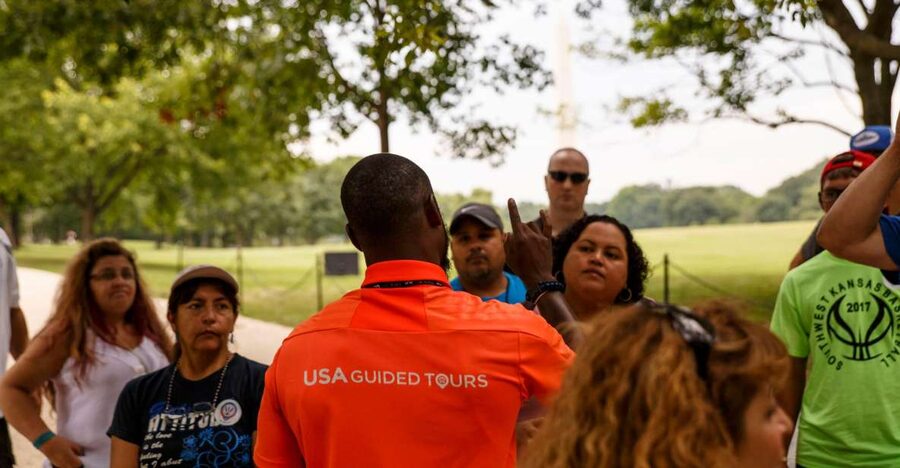
Another stop that adds depth is the time near Howard University, one of the oldest black universities in the United States. You’ll get a stroll around the campus grounds while your guide shares what Howard meant to civil rights-era leadership and intellectual life.
From there, the route moves through areas like:
- Le Droit Park
- Shaw Neighborhood
- Historic U Street
This is where the tour becomes more than a list of monuments. U Street is described as once home to one of the largest urban African American communities in the early 1900s, along with its own Black Broadway—an entertainment corridor tied to performers past and present.
If you like history that includes culture—music, theaters, nightlife, community spaces—this part lands well. It also helps you remember that civil rights history wasn’t just about laws and court dates. It was lived daily, in neighborhoods where people gathered, created, and built power.
The African American Civil War Memorial and Museum stop: why the Civil War story matters

War history in DC often gets taught through one lens. This tour shifts the lens.
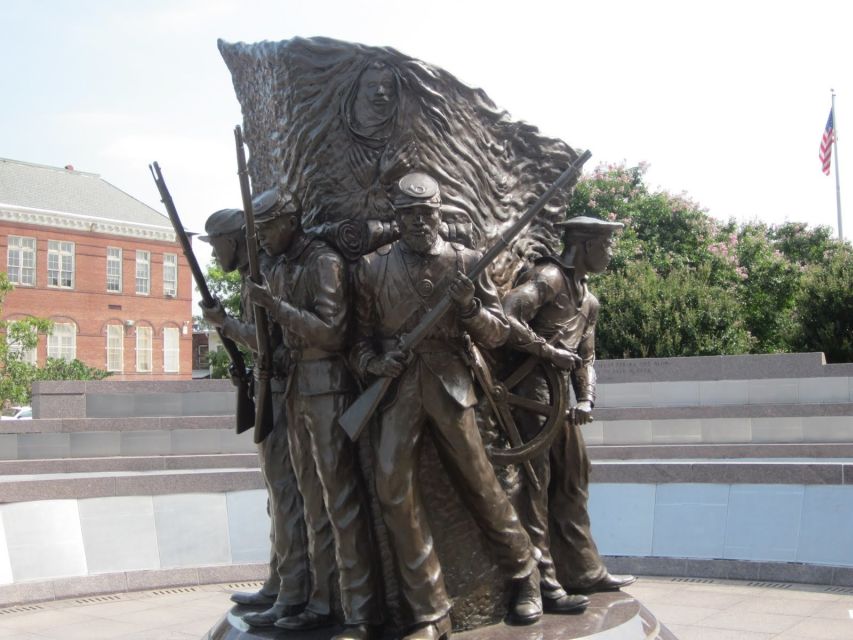
You’ll stop outside the African American Civil War Memorial and Museum to learn how the Civil War was impacted by African American soldiers who perished on the front lines. The guide frames their role as part of the broader fight that eventually fed into later civil rights gains.
This stop works for multiple kinds of visitors:
- If you know Civil War history already, you’ll get new emphasis on African American participation.
- If you’re starting from scratch, you’ll leave with a clearer sense of why this era is tied to later struggles for freedom.
Just note: this is mainly an outside stop. The museum itself isn’t listed as an internal visit during the tour window—so take what you can from the explanation and photo stop, then let the Smithsonian museum be your deeper dive.
Freedom Plaza, Pennsylvania Avenue, and the MLK corridor: the downtown photo hits with context
After the neighborhood stops, you roll into downtown DC where you’ll admire big-picture sights along Pennsylvania Avenue.
You’ll see:
- Freedom Plaza
- views of the White House area
- the Martin Luther King, Jr. Memorial
- sites associated with the National Council of Negro Women
You also enter the Logan Circle historic district, where the tour points out places including:
- the Metropolitan AME Church
- the Mary McLeod Bethune Council House
This is a good section for people who want “DC must-see” photos without spending your whole day just doing that. The difference is you’re not only taking images of famous buildings. You’re learning what institutions meant to the African American community—especially around worship, leadership, and social organizing.
If you’re traveling with someone who likes architecture and landmarks, this is a nice balance: you get the look of DC and the story behind it.
Smithsonian National Museum entry: your time starts after you get the context
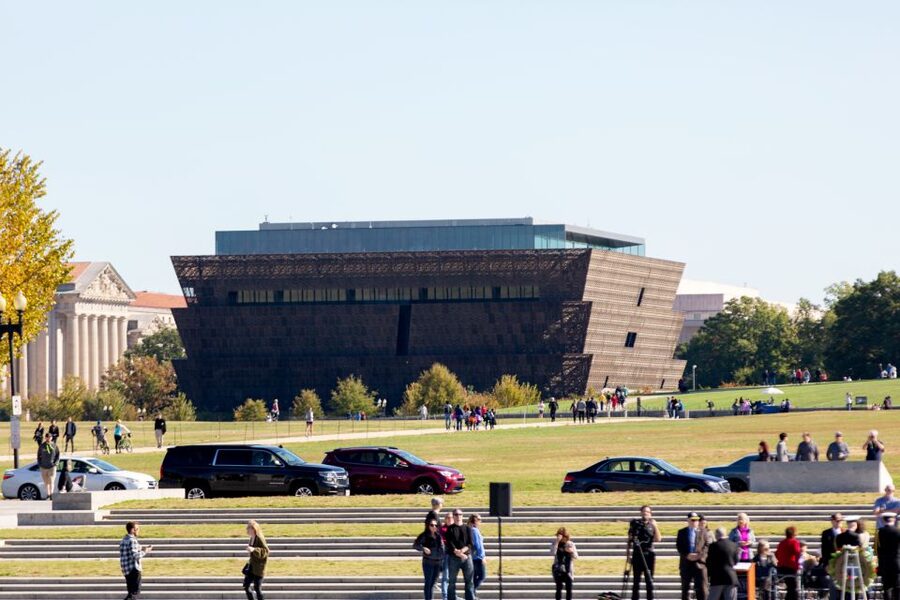
The tour ends at the Smithsonian National Museum of African American History and Culture, with reserved entry tickets. That matters a lot in real life. Timed entry reduces the “stand around waiting” part that can drain your energy.
Once you’re inside, the museum is yours to explore at your pace. That flexibility is a big deal because the exhibits are not evenly paced. Some sections pull you in fast; others you’ll want to read slowly.
My advice: don’t treat it like a checklist. Start with what hits you first emotionally, then circle back. If you’re with a group, set a meeting point and agree on a time to reconnect, since people naturally slow down at different exhibits.
One practical caution: plan for food and break time. A few guests noted museum food can feel mediocre and lines can be long. If you can, eat earlier outside the museum or pack a simple snack for the day. Hydration helps too, especially if you visit in warmer months and spend time outdoors between stops.
How the guide and driver shape the experience
This tour runs on communication. The guide doesn’t just recite facts; the best guides turn the city into a classroom you can move through.
In the past, groups have mentioned guides like Dre and Elvis Pate, with drivers including people such as Whiz Khalifa, Jesse, Calvin, and Leonard. The common thread in the feedback: guides gave clear explanations, answered questions, and helped visitors connect what they were seeing to the larger American story.
If you ask questions, you’ll likely get real answers. The tone also tends to be respectful but not stiff. Some guests even noted humor helped them process heavy material, which matters on a topic like civil rights history.
Small tech note: one guest mentioned the bus mic was muffled at times. If you’re hard of hearing or rely on clearer sound, sit closer to the front or towards where the microphone coverage is strongest.
Practical tips so your day goes smoothly
To get the most out of this 4-hour format, I’d plan like this:
- Wear comfortable walking shoes. You’ll have short stretches on foot near stops and around Howard University.
- Bring a light snack or plan food strategy. The tour itself doesn’t include food or drinks.
- Bring a phone camera with enough battery. You’ll do multiple photo stops—White House area, Lincoln Memorial, Martin Luther King, Jr. Memorial, plus neighborhood sights.
- Expect a mix of photo stops and brief pauses. This is a bus tour, so you’re seeing a lot, but not staying long at every single spot.
- Have a Smithsonian game plan once you enter. Decide whether you want to prioritize specific exhibits or just follow your curiosity.
Also worth knowing: the museum portion is not a guided Smithsonian tour. Your Smithsonian entry is timed, but you explore on your own. The bus guide is your curator for the day’s narrative.
Who should book this tour, and who might skip it
This tour is a strong fit if you want:
- a structured intro to African American history across multiple DC sites
- a guided explanation that connects monuments to people and events
- reserved entry to the Smithsonian museum so you don’t lose your day waiting in line
It’s also good for first-timers who feel overwhelmed trying to plan a DC history route alone. The bus format helps you avoid “Where do I go next?” fatigue.
You might want a different approach if you prefer:
- long on-foot exploring at each stop
- a fully guided museum walkthrough inside every exhibit room
- extra spacious seating, especially if you’re sensitive to tight vehicle comfort
Still, even with those trade-offs, the guided context + museum entry combo is hard to beat for a half-day plan.
Should you book this African American History Tour with Smithsonian entry?
If your goal is to make DC history feel human and connected, book it. For $89, you’re paying for a live guide, a comfortable bus ride that strings together the right locations, and timed admission to the Smithsonian National Museum of African American History and Culture.
I’d book especially if you’re visiting the museum anyway. This tour turns the museum into a second act instead of a standalone stop, and that usually means you remember more when you go home.
If you’re short on time and want an organized way to see major civil rights landmarks plus neighborhood history, you’ll feel grateful you didn’t try to cobble it together yourself. And when you step into the Smithsonian afterward, you’ll have names and themes in your head that make the exhibits hit harder—in the best way.
FAQ
How long is the tour?
The duration is about 210 minutes, roughly 4 hours.
How much does it cost?
The price is $89 per person.
Where do I meet the guide?
Meeting point can vary depending on the option booked, but it includes locations near the U.S. Navy Memorial Plaza area (including 701 Pennsylvania Avenue NW and 700 Pennsylvania Avenue NW).
What’s included in the price?
You get a bus tour with a guide, transportation by air-conditioned bus, and a reserved entry ticket to the Smithsonian National Museum of African American History and Culture.
Is food or drinks included?
No. Food and drinks are not included.
Do I get a guided visit inside the Smithsonian museum?
No. The museum entry is reserved, but you explore at your own pace.
Is this an official Smithsonian tour?
No. This tour is not an official Smithsonian tour, and the activity supplier’s perspective is independent of and may not represent the views of Smithsonian.
Can I cancel for a full refund?
Yes. You can cancel up to 24 hours in advance for a full refund.
Is there an option for private groups?
Yes. Private group availability is listed.