REVIEW · CHICAGO
BYOB Chicago River Guided History Tour
Book on Viator →Operated by Chicago Boat Company · Bookable on Viator
Chicago history from a barstool. You get a 2-hour BYOB cruise on the Chicago Riverwalk, with a live guide turning landmarks into stories you’ll remember. It’s an easy way to connect big events like the 1871 fire with what you can actually see on the water.
I especially like the party barge setup: a U-shaped bar, lots of room for hanging out, and coolers with ice so your drinks stay workable. I also really enjoy the guide energy I saw firsthand through the crew names you’ll likely hear on board, including Monica and Avril, with their mix of clear facts and jokes that keep the pace friendly.
One heads-up: it’s weather-dependent. If it’s cold or rough, you’ll still be outside on the water for much of the 2 hours, so plan for layers and keep your expectations realistic.
In This Review
- Quick Hits: What Makes This Chicago River BYOB Tour Work
- Entering The Riverwalk: Sweet Home Gelato To Boarding
- The Party Barge Experience: BYOB Comfort, Ice, and Views
- What You Learn Along the South Side: Ft. Dearborn On The River
- The 1871 Great Chicago Fire: History You Can Point To
- 1992 Flood Clue Under the Bridge: When Infrastructure Fails
- 1964 Buildings and The City’s Shift From Industry To Homes
- Learning The Chicago River Reverse: Waterways That Changed The City
- 1893 World’s Fair: Inventions You Still See Today
- Captain Santa’s Christmas Trees: A Winter Story On A Sailboat
- Price and Value: Is $65 Worth It?
- Who This Tour Fits Best (And Who Might Want Something Else)
- Should You Book This BYOB Chicago River History Tour?
- FAQ
- What’s the duration of the BYOB Chicago River Guided History Tour?
- Where does the tour start, and where does it end?
- Are drinks included in the tour price?
- Does the tour include snacks or food?
- How many people are on the boat?
- Is the tour dependent on weather?
Quick Hits: What Makes This Chicago River BYOB Tour Work
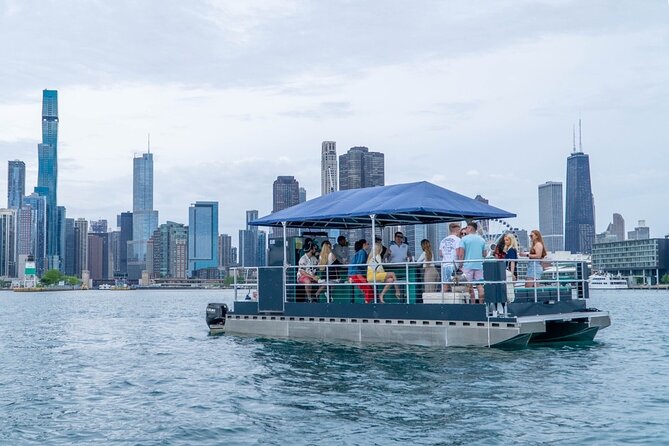
- BYOB, no glass: Bring your drinks, plus snacks if you want, while the boat handles the coolers and ice.
- Small group feel: Maximum 18 people helps the guide stay interactive instead of reading from a script.
- Real sights, real stories: You pass the areas tied to Ft. Dearborn, the Great Chicago Fire, and major infrastructure moments.
- Comfort extras on board: There’s a head (bathroom), charging ports, and seating at the bow.
- A guide team that knows how to talk: Crew members like Monica, Avril, Maria, and Kelli show up repeatedly in the best experiences.
Entering The Riverwalk: Sweet Home Gelato To Boarding
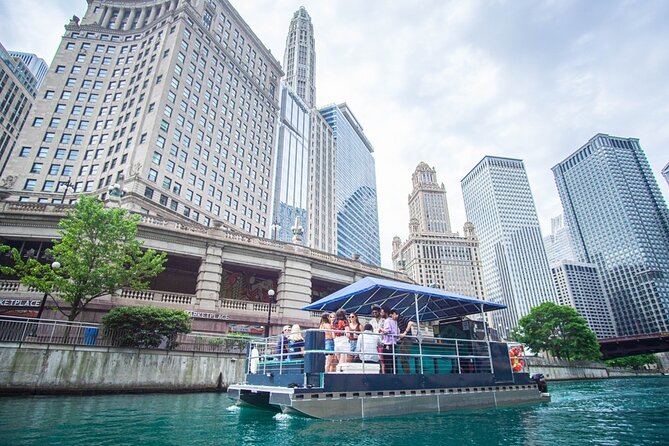
The tour starts at Sweet Home Gelato, right along the Riverwalk at 151 W Riverwalk. That’s a solid choice because you can usually grab a quick bite or a final snack before you go, and you’re already in the right area for an easy day in Chicago.
From there, you’ll head to the boat at the Chicago Riverwalk. Departures are from between the LaSalle Street and Wells Street bridges, so you get a stretch of river scenery that’s close to downtown action. The tour also ends back at the meeting point, so you’re not stuck guessing how to get home after you’ve had a couple of hours on the water.
Timing matters here. The scheduled start time is 10:30 am, and that early slot is nice because the river area can feel calmer than later in the day. Still, check the weather and dress like it’s going to matter, because it does on the water.
You can also read our reviews of more tours and experiences in Chicago.
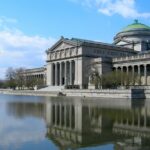
The Party Barge Experience: BYOB Comfort, Ice, and Views
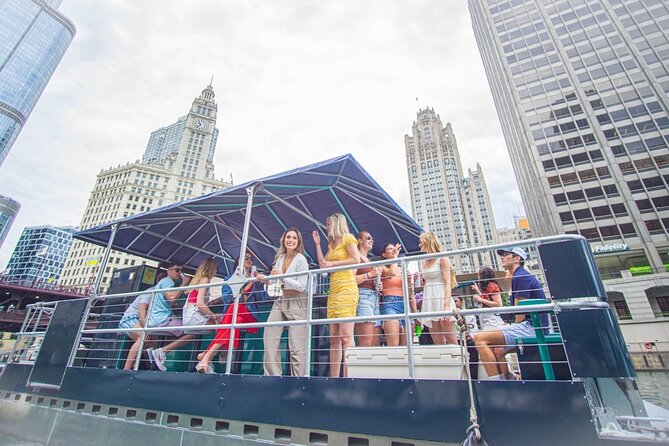
The boat is called the Party Barge, and the design is built for hanging out. You’ll find a U-shaped bar with bar stools, plus additional seating near the bow. That bow seating matters in real life because it’s where you’ll often want to stand or lean forward for the best photos.
The boat also has a head (bathroom) and charging ports, which is a bigger deal than it sounds. Two hours is long enough to want those creature comforts, especially if you’re carrying your phone for navigation or pictures.
Here’s the practical part of the BYOB rules: drinks aren’t included, but you’re welcome to bring them onboard, as long as you avoid glass. The boat provides coolers and ice, which saves you from hauling your own big cooler and trying to keep things cold in the wind off the river.
If you’re thinking about what to bring, I’d plan like this:
- A beverage you already know you’ll like, since there’s no drink purchase during the cruise.
- A non-glass way to pack it safely (tightly sealed bottles or cans).
- If you get hungry easily, bring a snack. Food isn’t included, but you’re allowed to bring it onboard.
And because this is Chicago, you should treat “cold” as a possibility even when the forecast looks decent. One of the most helpful things the guide crew accomplishes is keeping the tone fun and moving, so you don’t feel like you’re stuck waiting for the weather to cooperate.
What You Learn Along the South Side: Ft. Dearborn On The River
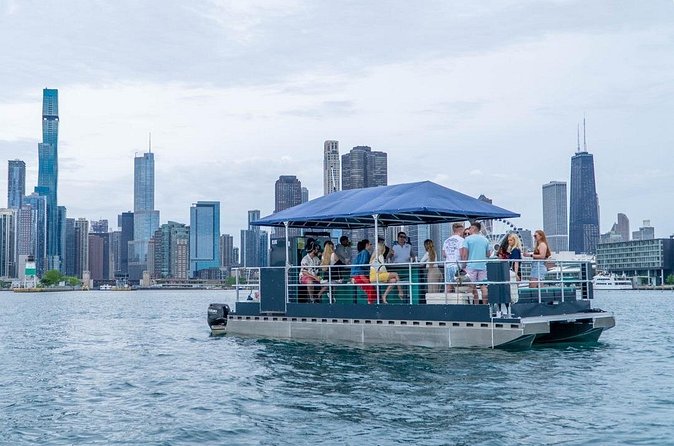
The first big story stop takes you to the south side of the river, where the site of the first American settlement, Ft. Dearborn, once stood. It’s a useful beginning because it gives you a baseline for how the area changed from early settlement to a major American city.
This is the kind of historical context that tends to feel abstract on land. On the water, it clicks faster because you’re literally moving past the geography tied to the events. You can point, you can look, and the guide can connect what you see now to what was here back then.
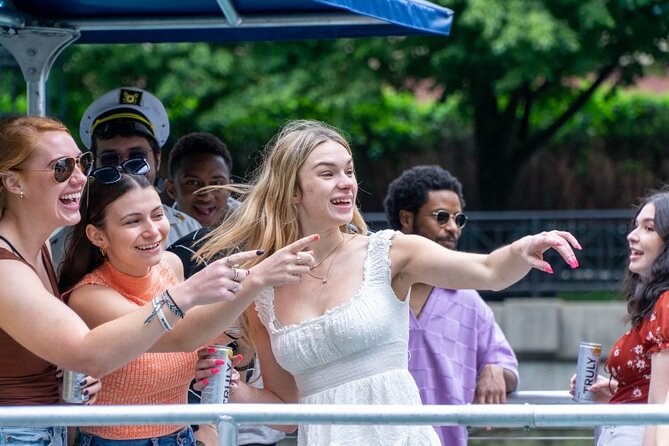
Possible drawback: if you prefer quiet, museum-style commentary, this format is more social. It’s a bar-barge cruise, so there will be talking, laughing, and the occasional clink from the U-shaped bar. If that’s not your vibe, you might still enjoy it, but you’ll need to focus a bit more on tuning the guide in.
The 1871 Great Chicago Fire: History You Can Point To
Next comes one of Chicago’s most significant turning points: the site where the 1871 Great Chicago Fire started. The key value here is that the guide turns the fire from a single famous date into a location-based story you can visualize.
A lot of cities have disasters that live in textbooks. Here, you get something more concrete: a guided walk through the river-adjacent places connected to the start of the fire, with the boat giving you perspectives that land tours can’t.
What you’ll likely appreciate is how the guide connects the city’s development choices to what happened afterward. Even if you’ve heard the story before, seeing where things began makes the whole event feel less like trivia and more like a cause-and-effect chain.
1992 Flood Clue Under the Bridge: When Infrastructure Fails
Then the tour shifts to a dramatic modern moment: in 1992, a hole formed under a bridge, leading to the Great Flood and shutting Chicago down for a whole week. This is the kind of story that makes you look at “the built environment” differently.
It also helps explain something people often miss: Chicago’s history isn’t just about famous people and old buildings. It’s about water, engineering, and what happens when systems break.
If you’re the type who likes practical history, this stop is a good match. It puts you in the mindset of “why the river matters” without turning it into a dry lecture.
You can also read our reviews of more historical tours in Chicago

1964 Buildings and The City’s Shift From Industry To Homes
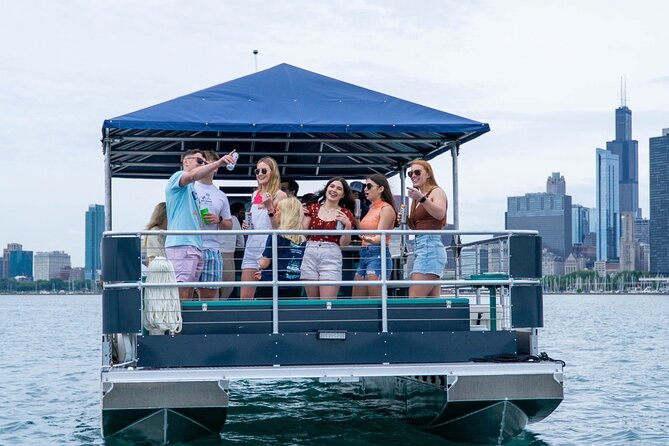
After the flood story, you’ll see buildings built in 1964 that are considered a turning point from Chicago’s industrial age into the residential metropolitan it became. I like this section because it connects the river tour to Chicago’s identity shift.
Many river cruises focus only on skyline photos. This one uses the skyline as a timeline marker. You’ll start noticing that the city’s appearance changes with time for reasons tied to economy and housing, not just style.
One consideration: because this is a moving cruise, you’ll want to watch closely when the guide points out the relevant buildings. If you spend the whole time focused on your drink or photos, you can miss the exact “why this matters” moment.
Learning The Chicago River Reverse: Waterways That Changed The City
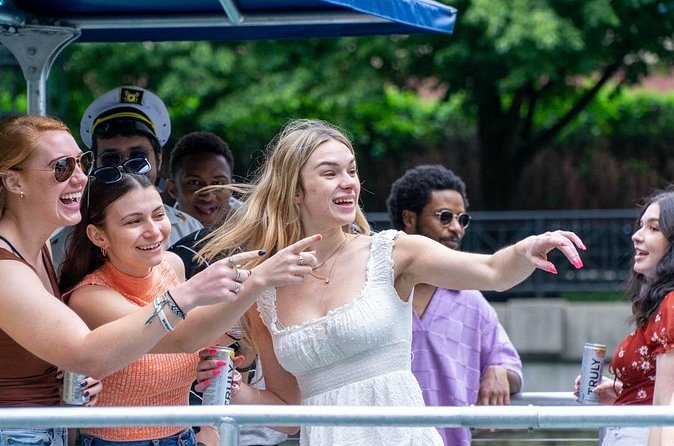
Then you get a lesson on the reverse of the Chicago River, and how it helped shape the city over the last century. This is a great teaching topic because it’s one of those Chicago facts that sounds weird until you understand the reason.
The practical value: it helps you see Chicago as a city that has actively engineered its environment. That perspective makes the river feel like a living system, not just a scenic border.
And this is where the guide’s humor and pacing really help. If you came for stories, you’ll still get them. If you came for how the city works, this portion starts explaining that too.
1893 World’s Fair: Inventions You Still See Today
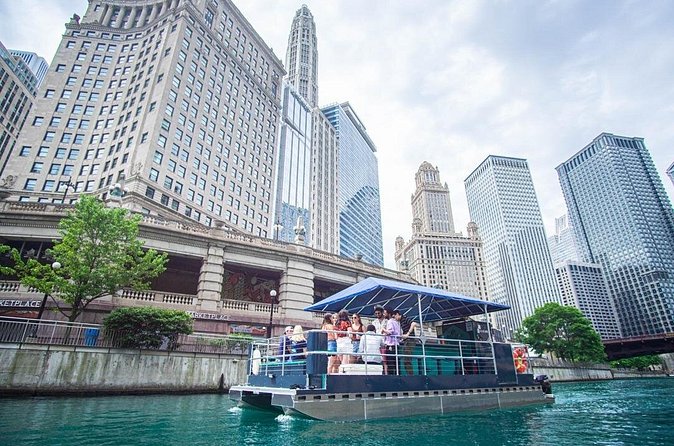
After that, the tour gets into the World’s Fair of 1893 and the inventions introduced there that are still used today. This stop stands out because it turns Chicago into an innovation story, not only a tragedy-and-rebuilding story.
Fair history can be hard to sell in a short 2-hour window, but the guide approach keeps it moving. You’re not trapped in a long description of an event no one has time for. Instead, you get the “what mattered and why” version, connected back to Chicago’s role in public life and technology.
If you like when a city tour gives you modern-day relevance, this is one of the better parts to pay attention to.
Captain Santa’s Christmas Trees: A Winter Story On A Sailboat
The final themed stop is a fun one: in the late 1800s, Captain Santa set up shop on his sailboat, the Rouse Simmons, to sell Christmas Trees every winter at this corner of the river.
This is the kind of detail that makes the whole tour feel more human. You’re not only learning about major disasters and civic engineering. You’re also learning about seasonal traditions tied to the riverfront economy.
It’s also a great closer because it gives you something light after heavier topics. When you step off the boat, you’ll remember the fire, the flood, and the reverse of the river. But you’ll also remember this odd, charming image of a captain selling trees.
Price and Value: Is $65 Worth It?
At $65 per person for about two hours, the price lands in the mid-range for a Chicago-guided activity. Here’s why I think it’s worth it for the right kind of traveler:
- You’re paying for a guided history walkthrough plus a full boat ride on the riverwalk, not just commentary.
- The boat includes coolers and ice, so you’re not paying extra just to keep your BYOB usable.
- The small group cap (maximum 18) makes the guide’s job easier and often makes the experience feel more personal.
The trade-off is obvious: drinks and snacks aren’t included. That’s fine if you bring your own, but it does change the total cost depending on your habits. If you want to spend $65 and nothing else, you’ll need to pack a drink plan that fits.
Also, because it’s weather-dependent, you should treat the day-of forecast seriously. If the tour is moved due to poor conditions, your overall value depends on whether you have flexibility.
Who This Tour Fits Best (And Who Might Want Something Else)
This is a great fit if you:
- Want a history tour that feels social and visual, not classroom-style.
- Like the idea of learning while you take in skyline views.
- Prefer a small-group setting where the guide can add personality and answer questions.
- Are happy bringing your own drinks and enjoying ice and coolers onboard.
You might want to consider something else if you:
- Strongly prefer quiet, minimal group interaction.
- Don’t like cold conditions outside (or you’re unwilling to dress for wind on the water).
- Expect drinks to be included in the ticket price.
Based on the crew energy people rave about, including Monica, Avril, Maria, and Kelli, the best experiences seem to come from people who go in ready to talk, listen, laugh, and look at what the guide points out.
Should You Book This BYOB Chicago River History Tour?
If you want Chicago history with a real-world sense of place, I’d book this. The combination of BYOB flexibility, the party-barge comfort (bathroom, charging, bow seating), and the string of river-based stories is a smart value for a 2-hour outing.
My final advice is simple: bring layers, bring non-glass drinks, and pay attention when the guide starts pointing out the specific sites. Do that, and you’ll walk away with more than photos. You’ll understand why the river helped make Chicago what it is.
FAQ
What’s the duration of the BYOB Chicago River Guided History Tour?
The cruise runs for about 120 minutes (roughly 2 hours).
Where does the tour start, and where does it end?
It starts at Sweet Home Gelato, 151 W Riverwalk, Chicago, IL 60601, and it ends back at the same meeting point.
Are drinks included in the tour price?
No. Drinks are not included. You’re welcome to bring your own onboard, but no glass is allowed.
Does the tour include snacks or food?
Snacks or food are not included, but you can bring your own onboard.
How many people are on the boat?
The tour has a maximum of 18 travelers.
Is the tour dependent on weather?
Yes. The experience requires good weather. If it’s canceled due to poor weather, you’ll be offered a different date or a full refund.