REVIEW · LAGOS
Slave Trade Tour: Badagry Black Heritage Adventure
Book on Viator →Operated by Samap Travels & Tours LTD · Bookable on Viator
Badagry forces you to look at history face to face. This 6 to 7 hour Badagry Black Heritage Adventure pairs a private guide with major stops tied to Nigeria’s role in the transatlantic slave trade, including a boat ride to the Point of No Return. Two things I really like are the emotional weight of the Gberefu stop and the way the museums use physical relics—chains, mouth guards, locks—to make the story feel grounded, not vague.
One thing to consider: this is intense and weather dependent. If conditions are rough, the experience may be rescheduled, so it helps to plan with a flexible mindset and time window in the morning.
In This Review
- Key highlights at a glance
- Why Badagry Matters for Nigeria’s Slave Trade Story
- The Private-Guide Setup: How It Changes Your Day
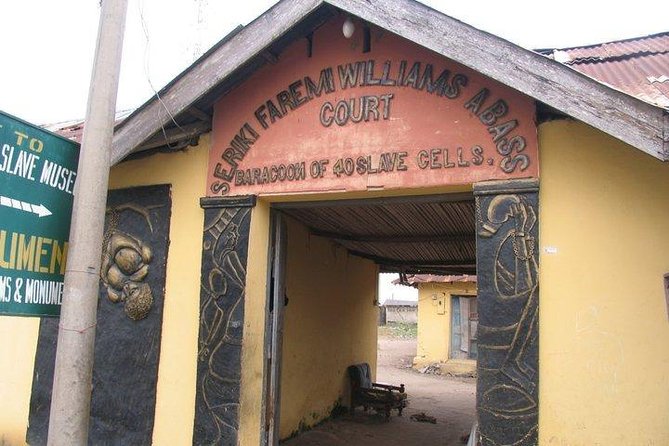
- Stop 1 at Seriki Faremi Williams Abass Slave Museum: The First Walls You Meet
- Mobee Slave Relics Museum and the Artifacts of Control
- Badagry Building: 1845 Mission Work and the Yoruba Translation Thread
- Gberefu Island and the Boat Ride to the Point of No Return
- Price and Value: What $250 Buys You in Lagos
- Timing, Weather, and How to Plan Your Morning
- Who Should Book This and Who Might Want to Rethink
- Should You Book the Slave Trade Tour: My Take
- FAQ
- How long is the Badagry Black Heritage Adventure?
- Is pickup offered from Lagos?
- What are the main stops on the tour?
- Are admission tickets included?
- Do you take a boat ride during the tour?
- Is this tour private?
- Is there free cancellation?
- What happens if the weather is poor?
Key highlights at a glance
- Private guide, your group only: a pace that fits your questions and comfort level
- William Seriki Abass slave rooms: you’ll see the cramped holding spaces and learn the details behind them
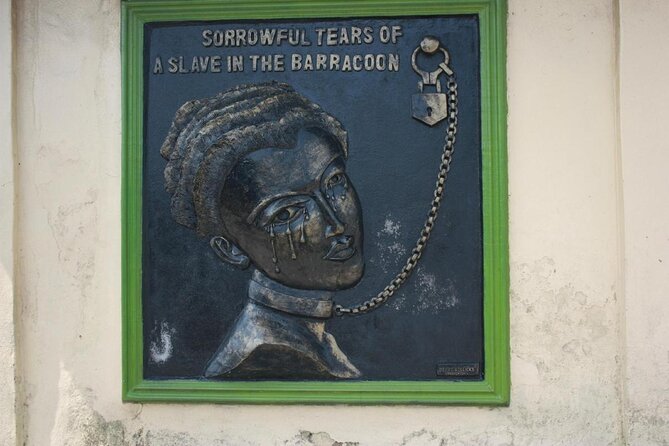
- Mobee Slave Relics Museum artifacts: chains, mouth guards, locks, and related items put names to the machinery of suffering
- Badagry Building from 1845: an early mission site tied to the first translation into Yoruba by Samuel Ajayi Crowther
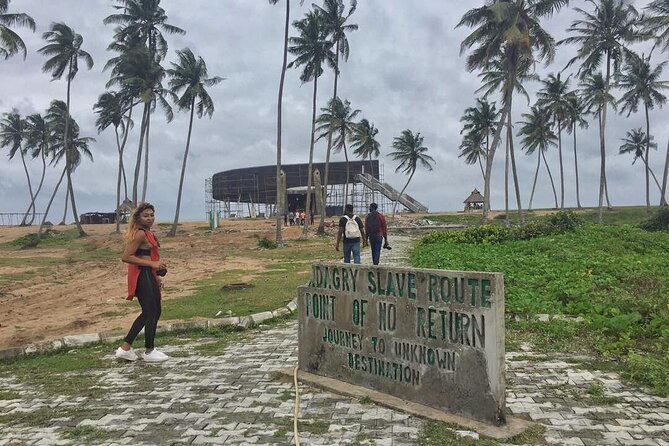
- Gberefu Island lagoon boat ride: you’ll reach the sandy beach linked to the Point of No Return
Why Badagry Matters for Nigeria’s Slave Trade Story
Badagry, just outside Lagos, is one of those places where history isn’t stuck in a textbook. On this tour, you’re guided through a sequence of sites that point to a system that lasted for centuries—called a 400-year history of slavery here—and its link to ships bound for the Atlantic world. The goal isn’t just facts. It’s remembrance, context, and a clear sense of place.
What makes the experience stand out is how the story is told through settings you can physically stand inside or beside. Instead of hearing only general descriptions, you move from holding areas and relic rooms to a mission-era building, and then you end with the route slaves took to the ships. That structure helps you connect the dots between captivity, control, and forced departure.
I also appreciate the tour’s balance of harsh and human. You see the machinery of oppression in the museums, yes. But you also get stops that reflect how communities responded over time—like the missionary building and the Yoruba translation connection.
The Private-Guide Setup: How It Changes Your Day
This is a private tour/activity, meaning it’s designed around your group rather than a big bus schedule. For me, that matters a lot on a subject like this, where people react differently to different parts of the route. A private format makes it easier to slow down at the places that hit hardest, or to ask direct questions when something feels confusing.
You’ll also get pickup offered, which is practical in Lagos. A tour that keeps transportation simple reduces the stress you don’t need on a heavy itinerary. And because tickets are mobile, you’re not scrambling over paper documents once you’re in motion.
One practical tip I’d give you: treat this as a day you dress and prepare for both reflection and travel. You’re spending hours moving between sites and then taking a boat across a small lagoon, so plan for comfort and for the kind of weather that can affect water travel.
Stop 1 at Seriki Faremi Williams Abass Slave Museum: The First Walls You Meet
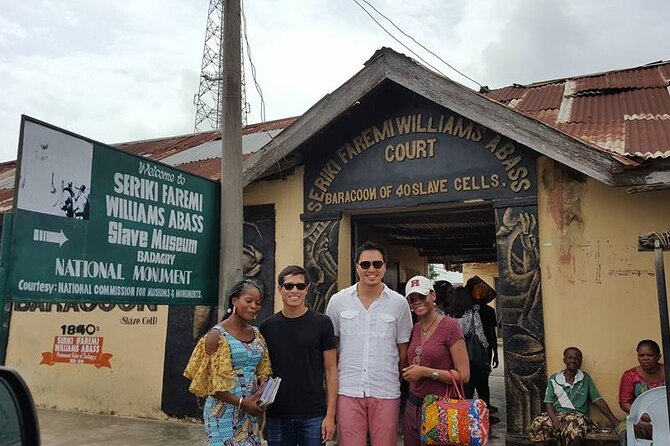
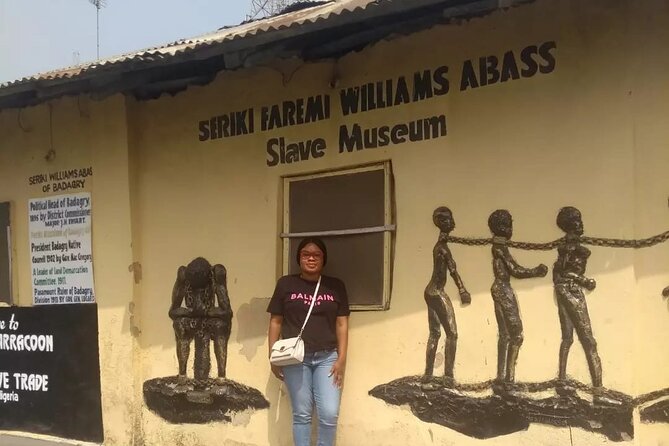
The tour begins at the Seriki Faremi Williams Abass Slave Museum in Badagry. The key moment here is the slave baracoon area tied to William Seriki Abass, where you’ll learn about slavery in Nigeria through the reality of space.
You’re shown small rooms where a hundred of people were kept. Even if you’ve read about slaveholding before, seeing the scale of those rooms changes your brain’s sense of time and distance. This is the part where the tour earns its emotional force: it doesn’t ask you to imagine. It gives you a place to stand while you’re learning.
You’ll also see slave-era relics and visit the resting place of Williams Seriki Abass. That combination matters. Museums often stop at objects. This one makes room for remembrance—turning history into something personal and place-based.
Expect about an hour here, with admission ticket included. That timing is useful because it keeps the experience focused. You’re not forced to “power through” one stop for too long before moving on.
Mobee Slave Relics Museum and the Artifacts of Control
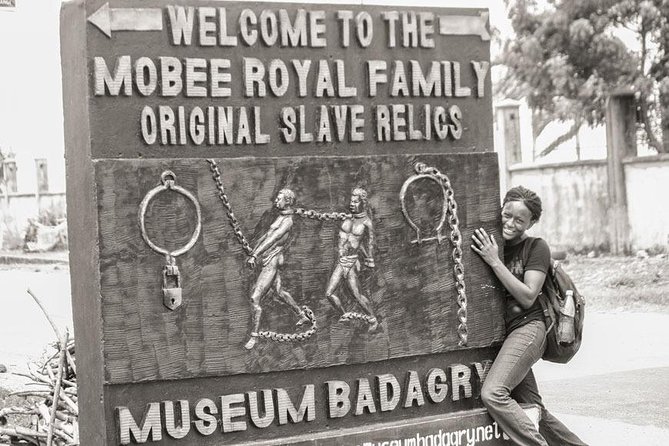
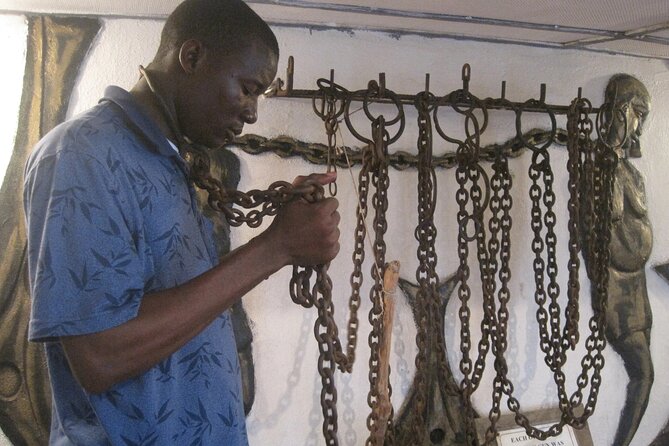
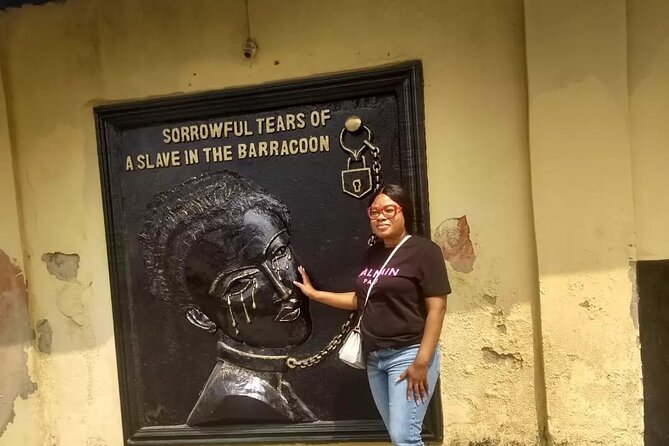
Next you head to the Mobee Slave Relics Museum and the Black History Museum. This stop leans harder into physical evidence. The museum holds artifacts used on enslaved people, including chains, mouth guards, locks, and more items connected to the period.
Seeing items like these in a museum setting can feel even sharper than reading about them. It’s not just violence in theory—it’s hardware, objects with purpose. And because the tour keeps the learning grounded to what you’re looking at, you get a clearer sense of how control was enforced at the most basic level.
There are also relics and wreckage of items from the time. That can be sobering because it shows wear, damage, and incompleteness—signs that the system left ruins behind, not tidy outcomes.
Like the first stop, you’ll typically spend around an hour here. Admission is included, so the value is straightforward: you’re paying for a guided learning route with entry covered at each major site.
Badagry Building: 1845 Mission Work and the Yoruba Translation Thread
The Badagry Building stop is a different flavor, and that contrast helps the day feel more complete. You’ll visit the first storey building in Nigeria built by missionaries in 1845, and learn about what their work looked like locally.
A particularly specific detail you’ll hear: this was the same place the bible was first translated from English into a Nigerian local language—Yoruba—by the late Samuel Ajayi Crowther. That fact gives you a bridge between eras. It doesn’t erase the cruelty you just learned about. It adds another layer to the story of how societies changed, adapted, and communicated after major disruptions.
You spend about an hour here with admission included. The time feels right because the topic isn’t just a quick photo stop—it’s one more piece of context about Badagry and how it evolved.
One consideration: because this part is more educational and less visually graphic than the slave relic rooms, you’ll likely want to keep your focus on the guide’s explanation. If you do, the translation connection lands better.
Gberefu Island and the Boat Ride to the Point of No Return
The emotional peak of the tour is Gberefu Island, reached via a boat ride across a small lagoon. You move from the museum-and-building sequence into the route tied to forced departure: a sandy beach that leads to the Point of No Return.
On the water, you get that quiet “we’re actually traveling to the site” feeling. Then on arrival, the tour makes space for a pause before and after the reflection stop. There’s also a stop at the attenuation well—described as a place where slaves were made to drink magical waters that made them forget who they are.
I want to underline this part carefully: it’s not presented as fantasy. It’s presented as part of the historical narrative around how people were controlled and psychologically broken. Even if you’re not sure what to make of the wording, the message comes through: dehumanization often works by attacking identity.
At the beach front of the Point of No Return, there’s a brief stop to rest and reflect. That’s important. This isn’t a sprint to the next attraction. It’s a moment to take in what you’ve learned and to settle your thoughts.
Given the tour’s total length of 6 to 7 hours, this stop usually functions like the emotional anchor—after the earlier sites prepare you with context, this ending forces you to sit with the idea of loss and separation.
Price and Value: What $250 Buys You in Lagos
At $250.00 per person, this tour isn’t a budget “see the sights” option. But it can be good value if you want a serious, guided, site-to-site experience rather than a general overview.
Here’s what you’re effectively paying for:
- Private guiding through multiple distinct historical stops, not just one location
- Admission tickets included across each major site in the itinerary
- A boat ride to reach Gberefu Island and the Point of No Return
- A planned route that strings together holding spaces, relic evidence, mission-era context, and forced departure geography
The best value question isn’t just cost. It’s whether you want interpretation. On this topic, interpretation matters. The difference between reading about slave trade history and standing in these places with a guide is huge, and that’s where your money tends to land.
Also, pickup offered helps you avoid time waste and taxi math in Lagos. Group discounts can help if you’re traveling with others who share the same interests.
Timing, Weather, and How to Plan Your Morning
The tour runs within opening hours listed from 8:00 AM to 2:00 PM, Monday through Sunday. With a 6 to 7 hour duration, you’ll want to start early enough that you still have comfortable time for every stop and the boat segment.
Weather matters because the experience requires good conditions. If the tour has to be canceled due to poor weather, you’ll be offered a different date or a full refund. That’s a practical safeguard.
My practical advice: if you have a tight Lagos schedule, build buffer time around this tour. And because you’re doing multiple indoor and outdoor segments, bring what you’d typically bring for humid, changeable days—comfortable walking shoes and something to handle light rain if it shows up.
Who Should Book This and Who Might Want to Rethink
This tour fits best if you’re looking for a meaning-focused, historically grounded day. It’s the kind of experience people describe as a rite of passage, especially for African-American visitors returning to trace ancestry and understand the broader context tied to Nigeria. The tour is also well-suited for anyone who wants more than general statements and prefers learning through specific places and objects.
You might rethink it if:
- You prefer light, casual sightseeing with minimal emotional impact
- You’re uncomfortable with topics that include physical restraints and dehumanization
Because it’s private and allows you to move at your group’s comfort level, you can often shape the day to what you need. And since service animals are allowed and most people can participate, it’s broadly accessible within normal travel limits—though the boat portion still depends on weather.
Should You Book the Slave Trade Tour: My Take
I think you should book this tour if you want to honor history with real context, not just quick stops and photos. The strongest part is the way the route builds meaning step by step: cramped holding spaces at the start, physical restraints in the museums, an important mission-era site tied to Samuel Ajayi Crowther and Yoruba translation, and then the Gberefu boat ride ending at the Point of No Return.
If you do book it, go in with two expectations: you’ll learn, and you’ll feel. This isn’t entertainment. It’s remembrance, delivered through place and guided explanation. For many people, that combination is exactly the point.
FAQ
How long is the Badagry Black Heritage Adventure?
The tour lasts about 6 to 7 hours.
Is pickup offered from Lagos?
Yes, pickup is offered.
What are the main stops on the tour?
You’ll visit Seriki Faremi Williams Abass Slave Museum, the Mobee Slave Relics Museum and Black History Museum, the Badagry Building, and Gberefu Island at the Point of No Return.
Are admission tickets included?
Yes. Admission tickets are included for each stop.
Do you take a boat ride during the tour?
Yes. You’ll take a boat ride across a small lagoon to reach Gberefu Island.
Is this tour private?
Yes. It’s a private tour/activity, and only your group participates.
Is there free cancellation?
Yes. You can cancel for a full refund up to 24 hours in advance.
What happens if the weather is poor?
The experience requires good weather. If it’s canceled due to poor weather, you’ll be offered a different date or a full refund.