REVIEW · CHICAGO
Chicago Architecture and True Crime Tour
Book on Viator →Operated by Local Chicago Tours · Bookable on Viator
Chicago’s Loop has a way of looking different after dark stories. This walking tour pairs classic architecture with true crime history in a tight 1 hour 30 minutes to 1 hour 45 minutes loop, so you’re always doing something instead of just standing around.
I especially love the heavy focus on interiors—historic lobbies and public spaces where you can actually see craftsmanship—and I like the ending at Chase Tower, timed for a great photo moment. One thing to keep in mind: if you want super technical architecture talk, this experience leans more toward storytelling than building-engineering details.
In This Review
- Key highlights you’ll feel fast
- Why this Chicago architecture + true crime walk works in 90 minutes
- Palmer House Hilton Historic Lobby: your first step into the shadows
- The Loop stretch: architecture you can spot, plus Chicago’s darker past
- Chase Tower finish: illusion details and photo timing
- Guides and storytelling style: the part that makes or breaks it
- Price and value: what $35 buys you in Chicago terms
- Practical tips before you go
- Who this tour suits best
- Should you book this Chicago architecture and true crime tour?
Key highlights you’ll feel fast
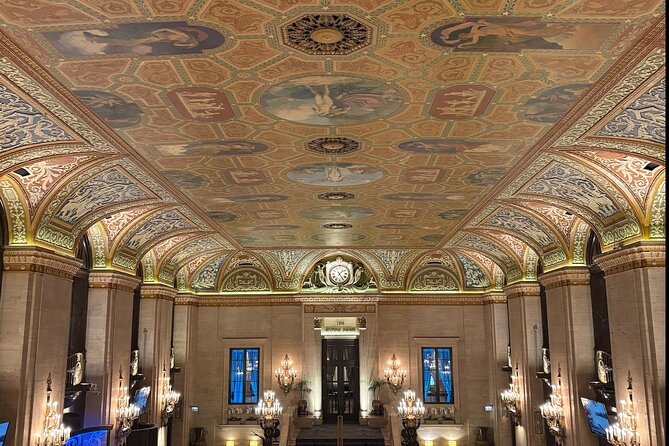
- Indoors-first approach: lots of time in grand lobbies, which helps when weather is rough
- Palmer House Hilton Lobby start: a dramatic, historic setting that sets the tone right away
- Loop skyline walking: you’ll see the downtown power of Chicago while learning a darker side
- Chase Tower photo finish: you end where the building is known for its illusion details
- Engaging local guides: names like Joseph, David, Kris, Roan, Johnathan, and Jonas show up in feedback
- True crime plus architecture balance: a mix that keeps the pace moving and the group chatting
Why this Chicago architecture + true crime walk works in 90 minutes
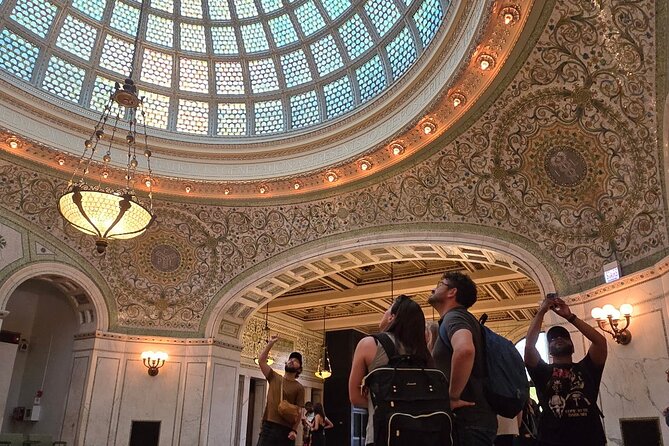
Chicago can be overwhelming on a first trip. You’ve got tall buildings, big streets, and a lot of history stacked on top of itself. This tour is built to cut through that noise with a simple formula: walk a manageable chunk of downtown, pause in major landmarks, and connect what you see to darker human stories.
The price is also easy to wrap your head around. For $35 per person, you’re paying mainly for the guide and the structure of the route. The stop locations themselves include free admission during the tour, which matters because Chicago landmarks can add up fast if you’re paying entry fees on top of a tour price.
And the vibe fits people who like both sides of the city: architecture nerds and true crime fans. You’ll also get time to talk with other people who are into the same kind of history, not just nod politely and disappear.
The tradeoff is that this is still a walking tour. You’ll move between stops and do a mix of indoor and outdoor stretches, so dress for real weather.
You can also read our reviews of more tours and experiences in Chicago.

Palmer House Hilton Historic Lobby: your first step into the shadows
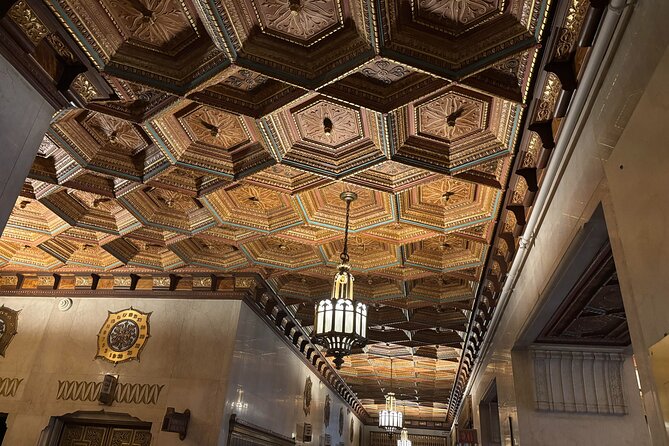
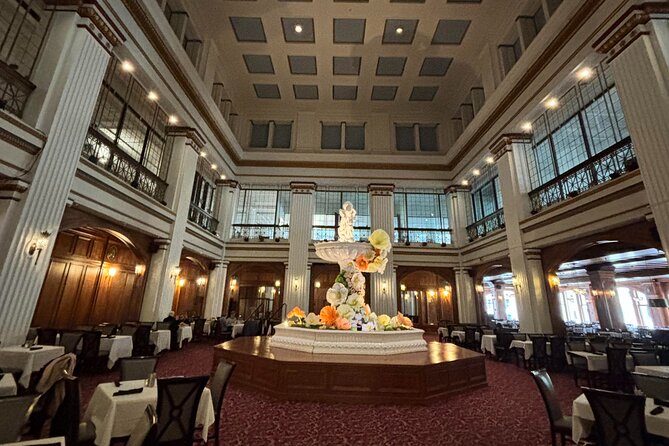
The tour begins at 118 S Wabash Ave, in the historic Palmer House Hilton lobby. This is a smart first stop. You get a dramatic, old-school interior right away, so the tour doesn’t start with a generic sidewalk introduction. It starts with a place that looks like it belongs in a movie set—high drama, ornate details, and real historic presence.
What you’ll get here is less about trivia on a screen and more about learning to look. The lobby setting helps the guide explain the architecture in a way that’s tied to mood and story. That’s why this first stop feels important: it trains you to see the building as part of the city’s social history, not just a pretty entrance.
What to expect
- A tour moment that’s mainly focused on interior space and atmosphere
- A dark-history thread that sets up what’s coming next without rushing
Possible drawback
- If you’re hoping for long, technical architecture lectures from the first minute, you may find the tone is story-led from the start.
The Loop stretch: architecture you can spot, plus Chicago’s darker past
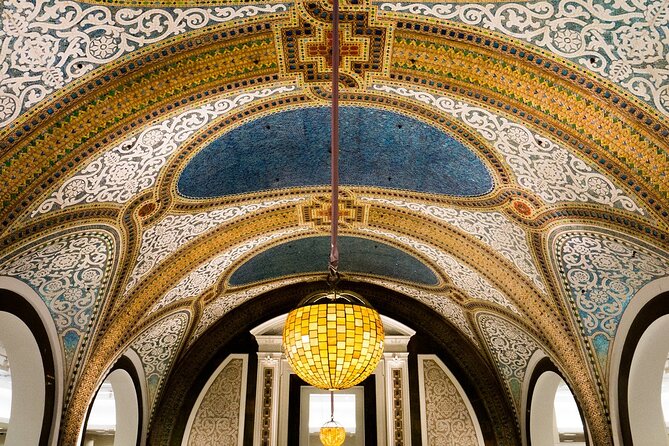
After Palmer House, you move into the broader Downtown / The Loop area. This is where the city opens up visually. The Loop is Chicago’s concentration of tall buildings, old commercial streets, and big-city energy. On this part of the walk, you’re not just passing by—you’re learning how to read the skyline and the street layout like it matters.
The tour focuses on stunning buildings, but with a twist: the darker past is part of the way the guide interprets what you see. You’ll hear stories that connect the city’s growth, public spaces, and reputations to crime and fear, not just to famous architects and dates.
Why this portion is valuable
- It helps you understand Chicago’s downtown identity beyond guidebook highlights
- It gives you context for why certain places feel important once you learn the backstory
- It’s also where the tour’s pacing stays lively—short walks, then clear story beats
Consideration for planning
This segment involves walking and a mix of outdoor and indoor time. On a cold day, that’s not a dealbreaker, but it does shape what kind of comfort you’ll have. One of the big wins here is that the route includes plenty of places to step inside, which makes the whole experience easier to enjoy when temperatures drop.
Chase Tower finish: illusion details and photo timing
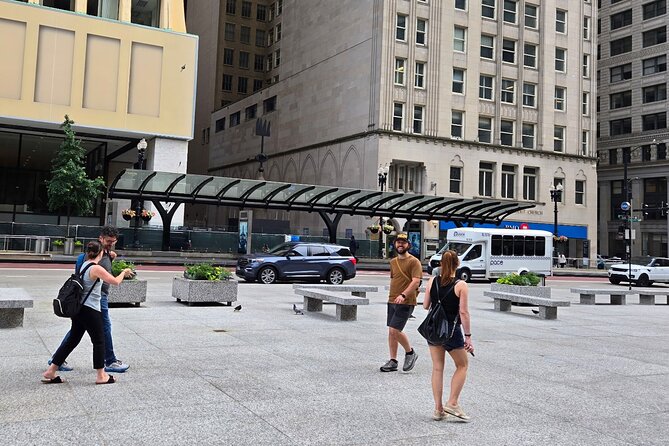
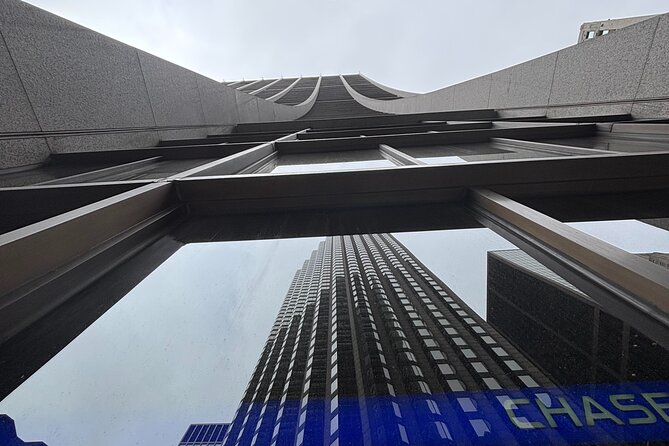
You end at Chase Tower after the downtown segment. This stop is built for a payoff moment. Chase Tower is known for an illusion effect, and it’s the kind of thing you’ll appreciate more when you’re there in person and the guide points out what to look for.
The finishing location also matters for photos. The tour’s schedule gives you a good window to capture the building—especially if you like the challenge of photographing something that changes depending on angle or perspective.
What to expect
- A short final stop that focuses on the illusion detail
- Time to look up, walk a little, and take photos without feeling rushed
- A clean ending point near Christkindlmarket Chicago at 50 W Washington St
This is also a nice way to cap the experience: you start with a historic lobby, you see the city’s downtown muscle, and you finish at a tower where perception itself becomes part of the story.
Guides and storytelling style: the part that makes or breaks it
The biggest common thread in the feedback is simple: the guides bring the material to life. Names that come up often include Joseph, David, Kris, Roan, Johnathan, and Jonas. People tend to describe them as engaging, passionate, and strong at storytelling.
That matters because this is not a museum tour where you stand still and read plaques. You’re moving through the Loop. Your attention can drift if the guide sticks to facts only. Here, the best version of the experience is when you get both: architectural moments you can see, paired with true crime history that keeps you listening.
You may also notice a specific pacing style: brief walks outside, then longer interior time. That’s a practical choice in a city with weather that can change fast. It’s also why the tour works well even if you’re not trying to be out in the cold for hours.
One fair caution
There is one note of dissatisfaction about architecture depth. If your idea of a perfect tour is heavy on architectural analysis—materials, design theory, structural details—you might feel the balance leans too much toward the crime stories. If you’re more interested in story-driven history tied to what you see, you’ll likely enjoy it a lot more.
Price and value: what $35 buys you in Chicago terms
At $35 per person, this is a low-cost way to get a guided walk plus access to multiple interior locations during the time you’re out. The fact that admission at the stops is listed as free during the tour is a real value point. In Chicago, even small entries can add up, and you don’t want to turn a short 90-minute experience into a pay-more ordeal.
Here’s how I’d judge the value for you:
- You want guidance: The guide handles the connections between buildings and stories, which is hard to do well on your own.
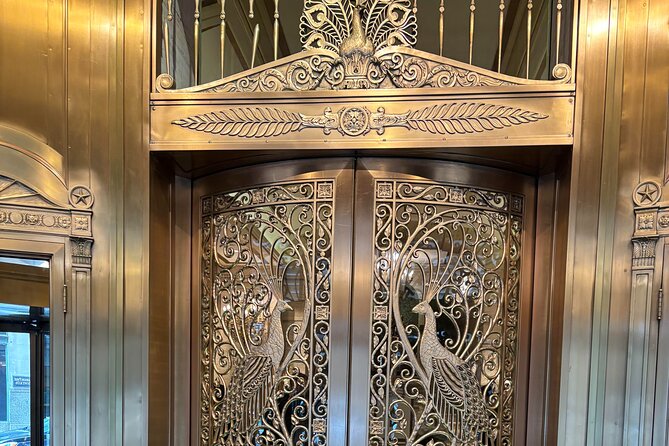
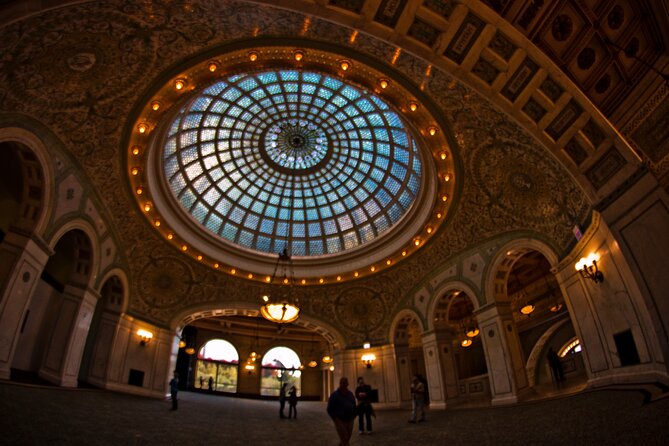
- You want “see it” experiences: Interiors give you more than a photo-stop tour. You get to look closely at lobbies and public spaces.
- You want a social vibe: The group setting can be fun if you like talking with other people who get the same dark-history humor.
So the money isn’t just for walking. It’s for structure, storytelling, and access to interior moments that you’d likely miss if you only followed a self-guided route.
Practical tips before you go
This tour is simple, but you’ll have a better time if you plan for a few realities.
Wear shoes for walking
You’re doing a walking tour, so comfortable footwear matters. Even with frequent stops, you’ll collect some steps.
Dress for indoor and outdoor time
The tour includes interior scenes and short outdoor transfers. If you’re going in winter, layering helps a lot. You’ll likely spend enough time outside that you’ll feel it if you dress for only one temperature.
Bring your camera habits
The Chase Tower ending is a photo highlight. If you like crisp building shots, bring your usual camera settings or at least plan to try a couple angles around the illusion detail.
Gratuity isn’t included
The tour price covers the guide and experience, but tips are not built in. If you’re the type who tips for good storytelling, plan for that in your budget.
Language
It’s offered in English, so if that’s your language, you’re set.
Service animals
Service animals are allowed, and the tour is listed as being near public transportation. That makes it easier to combine with other Loop plans.
Who this tour suits best
I’d point this tour toward three types of travelers:
- Architecture fans who also like stories
If you like seeing buildings and learning what happened around them, the mix here makes the city feel personal.
- True crime lovers who want something more visual
This isn’t just a “listen to cases” walk. You’re looking at real landmarks while you hear the dark history.
- People with limited time in Chicago
At about 90 minutes, you can fit it into a packed day, especially if you’re already planning Loop stops or an architecture boat tour.
If you’re allergic to crime content or prefer purely cheerful history, then the tone might not be your style. But if you can handle spooky stories mixed with civic architecture, it’s a fun way to see the Loop.
Should you book this Chicago architecture and true crime tour?
If you want an easy, well-paced Loop walk that mixes historic interiors with true crime storytelling, this is a strong pick. I like that the route is short enough to feel doable, long enough to give you real context, and structured so you’re not just staring at buildings—you’re learning how to see them.
Book it if you:
- like architecture you can actually experience inside
- enjoy dark stories as part of history, not shock value
- want a photo moment at Chase Tower
Skip it or choose carefully if:
- you’re seeking deep architectural engineering analysis rather than story-led history
- you strongly dislike the true crime angle, even when it’s kept within a guided tour format
Either way, it’s a distinctive Chicago pairing: buildings and crime, told in a way that keeps the hour and a half moving.