REVIEW · CHENNAI
Chennai Heritage & Cultural Walk (2 Hours Guided Walking Tour)
Book on Viator →Operated by Yo Tours · Bookable on Viator
Chennai feels different when you walk. This 2-hour Mylapore heritage walk turns a simple stroll into a guided route past big landmarks, and I liked the small-group setup plus the free souvenir that marks the end of the experience. One heads-up: the walking time is tight, so weather and punctual meeting times matter.
You’ll go at a readable pace with narration on what you’re seeing and why it matters, with a guide who can speak English & Hindi. There are morning and late-afternoon departures, and you’ll wrap up near the coast—handy if you’re also planning beach time after.
What you get feels practical, not just sightseeing: local tips to save money, recommendations for what to do next, and time to ask questions as you move through old neighborhoods and side lanes.
In This Review
- Key things to know before you set off
- Where the walk starts: Kapaleeswarar Temple and your first “aha”
- Kapaleeswarar to Mylapore streets: traditions that don’t feel like a museum
- Marina Beach and Lighthouse: a coastal reset after temple streets
- Vivekananda House, also known as the Ice House
- The guide matters: story, questions, and what guides like Vicky and Sharmini do well
- Pace, group size, and how to get the most out of 2 hours
- Price and value: why $13.59 can make sense
- What to bring (and what not to assume is included)
- So should you book the Chennai Heritage & Cultural Walk?
Key things to know before you set off
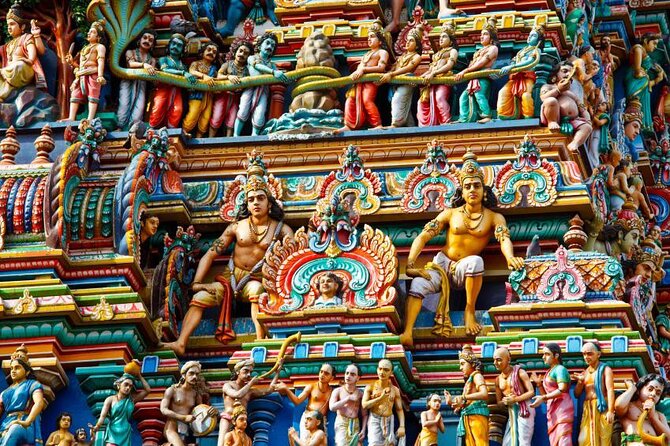
- Kapaleeswarar Temple first gives you context for everything else you’ll notice in Mylapore
- Small group max of 15 means you can actually ask questions instead of watching from the back
- A guide who tells stories in English and Hindi helps the landmarks land in your head
- Marina Lighthouse and Marina Beach add sea views to an otherwise temple-and-streets route
- Vivekananda House (the Ice House) connects the walking route to Swami Vivekananda
- Access to side lanes and quieter spots is built into the route, not an extra add-on
Where the walk starts: Kapaleeswarar Temple and your first “aha”
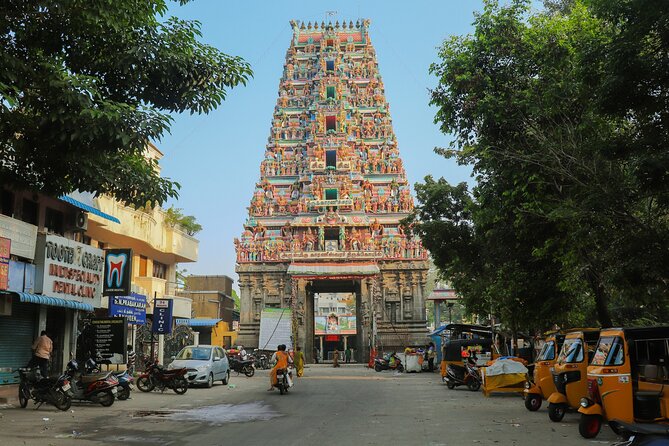
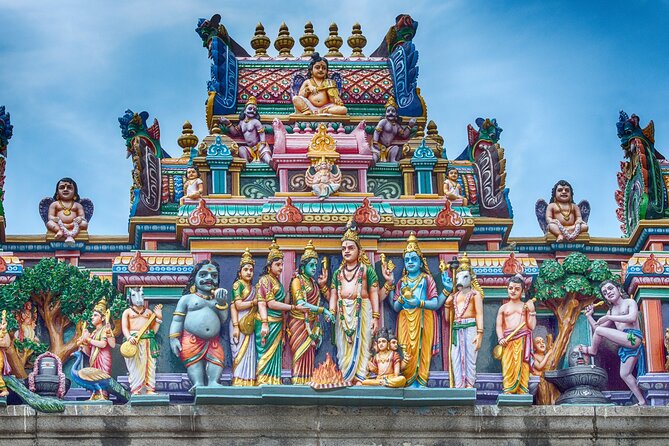
The tour begins at Kapaleeshwarar Temple on Ramakrishna Mutt Rd in Mylapore (Vinayaka Nagar Colony). That matters because you’re not starting in a random plaza—you’re starting where the area’s identity is strongest. From the first stop, the guide’s job is to help you see the details you’d otherwise miss, like the Dravidian architectural style and what you’re looking at when people say this temple goes back to the 7th century CE.
One detail I’d file away for your own mental map: the temple’s earlier form dates to around that 7th-century timeframe, and Portuguese activity in the 16th century reportedly destroyed the original structure. Even if you don’t spot every historical layer in stone, that “why did it change?” context makes the site feel more understandable.
A walking tour is only worth it if you can connect dots fast. Starting here does that. You’ll get bearings in old Chennai quickly, then the rest of the route makes more sense—especially when you move from temple grounds into everyday streets.
Practical note: plan on modest walking shoes and expect you’ll be outdoors for the full 2 hours. This is a heritage walk, so don’t treat it like a sit-and-snap tour.
You can also read our reviews of more walking tours in Chennai

Kapaleeswarar to Mylapore streets: traditions that don’t feel like a museum
After the temple, the route shifts into the Mylapore neighborhood, where traditions and arts are described as still being alive for at least 2000 years. That kind of claim can sound big on paper, but on foot you can test it in real time: you’ll see the neighborhood’s rhythm, what daily life looks like around famous landmarks, and how cultural practices show up in street-level scenes rather than staged exhibits.
What I like about this stop conceptually is that it’s not just “look left, then look right.” The guide’s narration is supposed to give you a framework so you notice things with purpose—like how the area’s identity has shaped religious and cultural life over centuries.
You’ll also get access to quieter hidden lanes and places, which is a huge reason a walking tour beats hopping between photos from a tuk-tuk window. Those lanes tend to be where you understand the scale of the neighborhood: how narrow a street can be, how people actually move, and how landmarks sit inside the fabric of daily Chennai.
Drawback to watch for: because the tour is only about 2 hours, this part won’t feel like a slow wander. It’s structured. If you want maximum time to browse shops or linger for long conversations, treat this walk as the “orientation and stories” layer, then follow up on your own afterward.
Marina Beach and Lighthouse: a coastal reset after temple streets
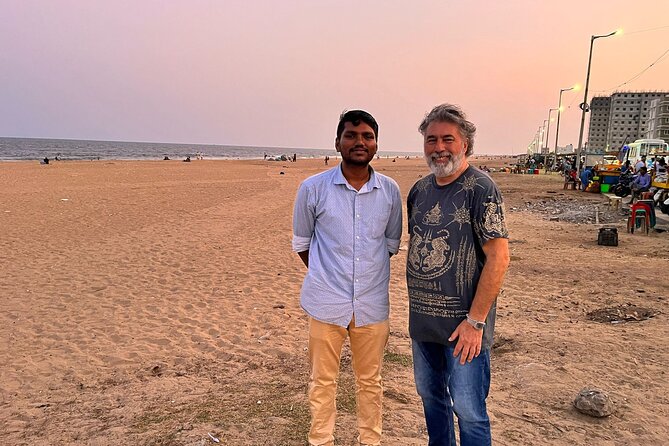
One of the more memorable transitions on this kind of route is the shift from temple and lanes to the open coast. Here, you’ll visit Marina Lighthouse and Marina Beach, described as the second largest beach in the world, with white sand and big views.
Even if you’re not a person who loves ocean scenery, the lighthouse stop works because it’s a visual landmark that helps you understand where the city’s center of gravity shifts from inland to sea. You go from dense cultural streets to wide open space. That contrast is the point.
The beach portion also helps you after the tour, because you’re ending near the Marina area and you can keep the vibe going without crisscrossing the city. If you’re the type who likes finishing a tour with something you can do right away—walk along the shoreline, cool off, take photos—this is a good pairing.
One thing to plan around: sun and wind. The tour doesn’t mention bottled water or snacks as included, so bring your own water plan (more on that below). Also, if you’re sensitive to glare, bring sunglasses and something to protect your eyes.
Vivekananda House, also known as the Ice House
The final featured stop is Vivekananda House—also known as the Ice House—at Kamaraj Salai near Marina Beach Road. This is a memorial for Swami Vivekananda, and it gives the walking route a different kind of weight than temples and seafront views.
This is where you get a more personal cultural connection: the guide’s narration helps explain why this site matters to the story of modern Indian thought and spirituality, not only to religious architecture. When you add a temple stop earlier, then a museum-like memorial here, the route feels balanced: you’re not only learning about places, you’re learning about people and ideas that shaped cultural life.
You’ll also get a clear end-point: the tour finishes here, so you’re not stuck back at the original temple area. That makes it easier to plan dinner or a last walk nearby.
If you’re traveling with people who prefer a mix of architecture, culture, and biography-style context, this is usually the stop that turns interest into understanding.
The guide matters: story, questions, and what guides like Vicky and Sharmini do well
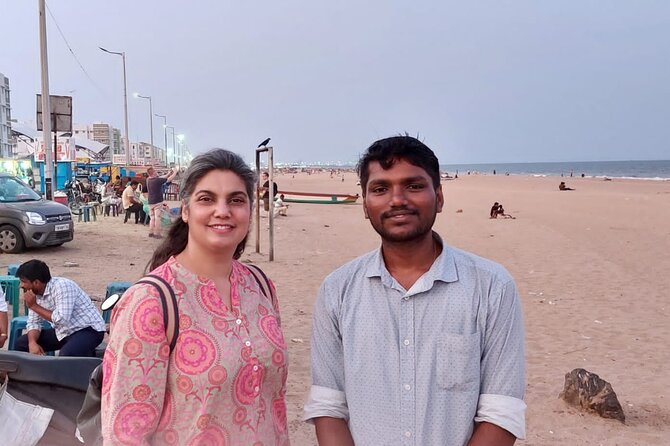
A big strength of this tour is the guide format. The tour description highlights a friendly storyteller/guide who can speak English and Hindi, and the experience is designed so the guide can answer questions and give recommendations after the walk.
In practice, what makes a walking guide stand out is simple: you want them to explain enough that you can see the place, not just stand near it. The strongest versions of this tour also give you space for photos and a bit of breathing room at each stop.
When I look at examples of great hosting, names like Vicky and Sharmini show up for exactly the right reasons: clear explanations, attention to what you’re seeing, and a relaxed pace that still stays on track. I’d treat that as a sign of what to look for on your particular departure.
Still, I’d be honest with you about one risk: because this is a walking tour with multiple scheduled landmarks, timing hiccups can change your experience. If your day is packed with tight commitments, build in buffer time before and after. Arriving a few minutes early at the start helps, too—because in a walking tour, the clock is part of the deal.
Pace, group size, and how to get the most out of 2 hours
The tour caps at 15 travelers, which is the sweet spot for a guided walk. With this kind of group size, you’re less likely to feel like you’re watching from the sidelines, and you’re more likely to get answers to your questions without repeating yourself.
The route is paced for explanation and movement, not long self-guided wandering. Expect that each stop is a mix of narration plus time to look around, take photos, and ask what you want to know. If you love cultural detail, come ready with questions. If you don’t, it still works because the guide’s job is to give you the “what you’re looking at and why it matters” version.
Two departures exist—morning and late afternoon—so choose the one that fits your energy and the rest of your day. If you’re prone to rush stress, the late-afternoon option can feel calmer for people who hate early starts. If you want the city to feel more awake, morning often wins.
Also, don’t ignore the practical note that the starting point is near public transportation. That’s helpful in Chennai, where getting from A to B is usually doable but planning saves time.
Price and value: why $13.59 can make sense
At $13.59 per person for about 2 hours, the value here comes from what’s included rather than the raw sightseeing list.
You’re paying for:
- a guide who can tell the story in English and Hindi
- narration that helps you read cultural sites fast
- access to side lanes and places you might skip if you’re going solo
- local recommendations so you don’t spend your first day guessing what to do next
- a free souvenir, plus a mobile ticket for easier check-in
- a small group that keeps the experience from turning into a crowd shuffle
If you were to replicate this yourself, you’d spend money on transportation and time figuring out routes and context. The tour gives you structure in a short window, which is what you want when you’ve only got a day or two in Chennai.
What’s not included is straightforward:
- no hotel pickup/drop (though pickup could be available for extra charges)
- no bottled water
- no snacks
That’s not a dealbreaker, but it does mean you should pack accordingly—especially for outdoor walking.
What to bring (and what not to assume is included)
To keep the walk comfortable, bring:
- water (since bottled water isn’t included)
- a small snack if you get hungry easily
- comfortable walking shoes
- sun protection (hat/sunglasses), since you’re near an exposed beach area
- your phone for the mobile ticket and for maps if you want to explore after
Also, dress for temple culture: this part isn’t about rules you might break; it’s about being respectful and comfortable in a religious space.
If you’re traveling with kids or elderly companions, this route may still work because it’s listed as something most travelers can participate in, but keep pace expectations in mind. This is a guided walk, not a slow tour of one monument.
So should you book the Chennai Heritage & Cultural Walk?
I think this tour is a solid choice if you want a guided orientation to Chennai’s Mylapore area plus a coast finish. The combination of Kapaleeswarar Temple, Mylapore street culture, Marina Lighthouse/Marina Beach, and Vivekananda House (the Ice House) gives you variety without eating your whole day.
Book it if:
- you like learning what you’re seeing, not just ticking off landmarks
- you want a small group (max 15) and a guide you can actually ask questions to
- you’re planning a follow-on day and want local recommendations to steer you
Skip it or be cautious if:
- your schedule is extremely tight and you can’t handle delays
- you’re expecting a long free-form wander; this is structured and time-boxed
- you don’t like outdoor walking and need frequent breaks
One last practical tip: since weather is mentioned as a factor, check conditions the day-of and keep expectations flexible. If the forecast looks questionable, consider having a backup plan for an indoor or shorter activity nearby.
If you want, tell me your travel dates and whether you prefer morning or late afternoon, and I’ll suggest how to pair this walk with nearby food and post-tour time around Marina or Mylapore.