REVIEW · CHENNAI
Georgetown heritage walking tour in Chennai about the founding of Chennai
Book on Viator →Operated by 5 Senses Walks Chennai · Bookable on Viator
George Town explains Chennai’s English start. This 3-hour walk through the port-minded streets of George Town connects the founding of Chennai to East India Company power, with stops like Fort St. George and the Armenian Church. I especially like the small-group format (max 15) because you actually get room for questions, and guides such as Kannan are praised for excellent English and a steady pace. One possible drawback: part of your time goes inside the Fort St. George museum, which may feel a bit long if you already spent your afternoon in another museum.
You’ll start at Chennai Port Trust (37MV+M95) and end back in George Town, and pickup is offered if you need it. This experience runs in good-weather conditions, and you’ll use a mobile ticket—so keep your phone charged before you head out near the port.
In This Review
- Key Things To Know Before You Go
- Starting at Chennai Port Trust: George Town’s Cause and Effect
- The Big Picture: How Chennai’s First English Settlement Shaped Everything
- Entering Fort St. George: The 1644 Fortress and Its Museum
- St. Mary’s Church: Old Anglican Roots and the Last Supper View
- Old Lighthouses in George Town: Seeing Navigation Tech in Stone
- Dare House #234 and Parrys HQ: Art Deco Meets Merchant Power
- Madras High Court: Queen Victoria’s Decree and a WWI Attack Story
- Armenian Church: Refugee Trade for Silk, Spices, and Gems
- Pacing That Works: Three Hours, Two Ticketed Stops, and Real Attention
- Price and Value: Is $50 Worth a 3-Hour George Town Walk?
- Practical Tips So You Don’t Waste Time
- Who This Tour Suits Best (And Who Might Prefer Something Else)
- Should You Book This Georgetown Heritage Walk?
- FAQ
- Where does the tour start and end?
- How long is the Georgetown heritage walking tour in Chennai?
- What does the tour cost?
- Is pickup offered?
- What is the group size?
- Are any admissions included?
- What happens if weather is poor or I need to cancel?
Key Things To Know Before You Go
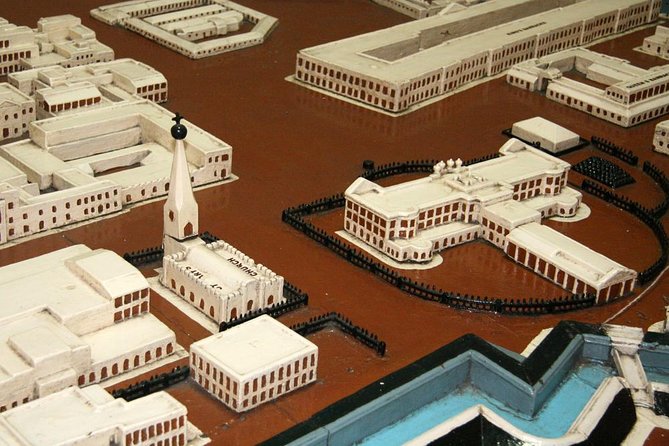
- Small-group size (up to 15) means the guide can slow down for your questions instead of racing past the buildings
- Fort St. George and Madras High Court include admission tickets, so you get access plus narration, not just photo stops
- St. Mary’s Church is the oldest Anglican church of India and includes a special Last Supper viewing moment
- Armenian Church connects to 300-year-old trade, with stories tied to silk, spices, and gems
- Madras High Court’s 1914 World War I attack story shows how global conflict hit local landmarks
- Pickup + mobile ticket make it easier to meet the group at the port area
Starting at Chennai Port Trust: George Town’s Cause and Effect
The walk begins right where you’d expect a trading neighborhood to start: Chennai Port Trust. That location isn’t random. George Town grew as a port-connected area, and once you’re thinking like a merchant—ships arriving, cargo moving, news traveling fast—the stories start to click.
From the first minutes, I like how the tour nudges you to see cause and effect. The buildings you’ll visit weren’t just put up for looks. They were built because companies, governments, and communities needed places to operate, worship, and do business. Starting near the port keeps you anchored in the real reason these sites matter: trade.
If you’re planning your day, aim to go when the light is decent and the weather is stable. The experience requires good weather, so treat this as an early planning win: don’t stack it right next to a schedule that might crumble if conditions change.
You can also read our reviews of more walking tours in Chennai

The Big Picture: How Chennai’s First English Settlement Shaped Everything
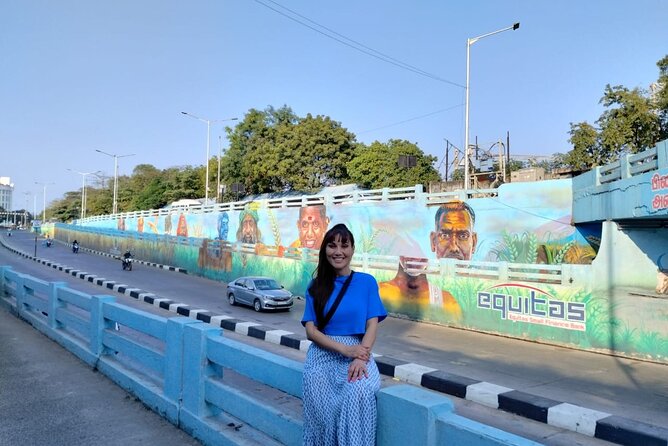
George Town is tied to a specific turning point: Chennai’s first English settlement in the 17th century. This is one of those locations where the “story of the city” isn’t some vague idea—it’s written into the streets and institutions you’ll walk past.
You’ll hear how this neighborhood became a hub for international merchants and traders, including the East India Company. The key is that the tour doesn’t treat the East India Company like a cartoon villain. It frames how British presence took root through practical things: fortifications for security, churches for community, and courts for governance.
And then, it brings you forward in time. When you reach later buildings like the High Court, you’re not just looking at old architecture—you’re seeing how Chennai kept evolving even as global events roared in.
Entering Fort St. George: The 1644 Fortress and Its Museum
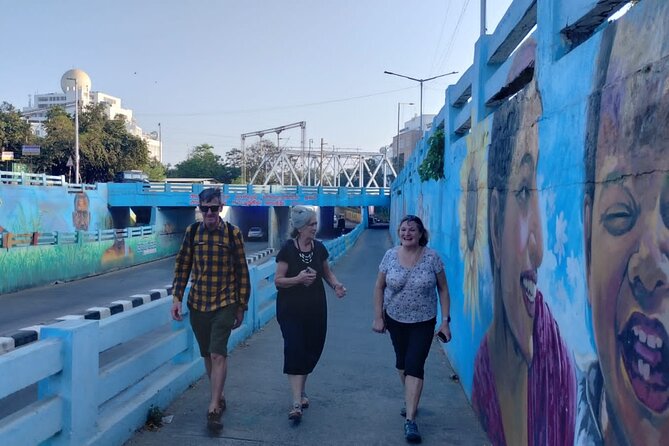
Your first major stop is Fort St. George, described as the first English fortress built in 1644 by the East India Company. This is where the walk earns its historical weight, because you’re stepping into the physical space where authority was defended and administration was organized.
You’ll also spend about 30 minutes in the fort’s museum, and admission is included. The museum’s role here is practical: it helps connect the dots between the British arrival story and how British rule became dominant. If you’re the type who likes context—why certain decisions were made, how systems worked—this museum time is a strong use of your tour slot.
The trade-off is the one review feedback hits hard: if you already visited a museum earlier that day, this extra museum time may feel like too much. My advice is simple: either plan this walk for a day without a museum “double-book,” or treat the museum portion as the briefing that makes the outdoor stops make more sense.
St. Mary’s Church: Old Anglican Roots and the Last Supper View
Next comes St Mary’s Church, the oldest Anglican church of India. This isn’t a long stop—about 15 minutes—but it’s memorable for one reason: you’ll be able to appreciate the Last Supper feature inside.
Even if you’re not a church-history person, this stop helps you understand how English settlement wasn’t only about trade and politics. Community life mattered. A church gives you a sense of who was living there, what they valued, and what kind of continuity they wanted to maintain in a foreign port city.
Admission is free here, which is nice because it makes your time feel efficient. Keep your expectations realistic: this is brief, so you should focus on absorbing what’s unique rather than trying to read everything like you’re on a self-guided research trip.
Old Lighthouses in George Town: Seeing Navigation Tech in Stone
You’ll then move into the heart of George Town’s port identity. Here, the tour focuses on the site of a couple of old lighthouses that were functional in the era of the East India Company.
This is a quiet kind of stop. There’s no grand museum moment, but it’s powerful because it reminds you that maritime trade isn’t just romance and ships—it’s navigation, timing, and survival. Lighthouses represent the basic infrastructure that made sea travel dependable enough for a busy merchant economy.
Plan for short attention here. The stop is about 15 minutes with free admission. What you’ll get out of it is perspective: the next time you see a “random” street landmark, you’ll start asking what it was built to solve.
Dare House #234 and Parrys HQ: Art Deco Meets Merchant Power

After the lighthouses, you’ll visit Dare House #234, an iconic art deco building with a clear commercial past. It served as headquarters for Parrys company, named after Thomas Parry, described as a Welsh free merchant of Chennai.
This stop works well because it shifts you from early settlement foundations to later commercial expansion and branding. You’re still in the same storyline—trade shaping the built environment—but now you’re seeing how business moved into a more modern-looking era.
The visit lasts about 15 minutes, and admission is free. If you like architecture, this is one of the easier stops to linger at for photos. Just don’t let your camera slow down the whole group—your guide’s pacing is part of the value here.
Madras High Court: Queen Victoria’s Decree and a WWI Attack Story
Then comes Madras High Court, which is set up in 1862 by decree from Queen Victoria and is still serving the state of Tamil Nadu today. This is one of the tour’s most important storytelling moments because it links governance to wider world events.
You’ll spend about 30 minutes here, and admission is included. The tour narration includes events from 1914 during World War I, when the building was attacked by German forces. Hearing this while you’re standing in front of a major public institution changes how you look at it. It’s no longer just “a historic building.” It becomes evidence of how global conflict reached local power structures.
A consideration: because this stop is longer and includes the most intense episode of the day, it may steer the tour toward heavier emotion compared with the church and lighthouse moments. If you’re traveling with someone who wants lighter storytelling, you may need a quick reset afterward—but for most history-focused visitors, this is a highlight.
Armenian Church: Refugee Trade for Silk, Spices, and Gems
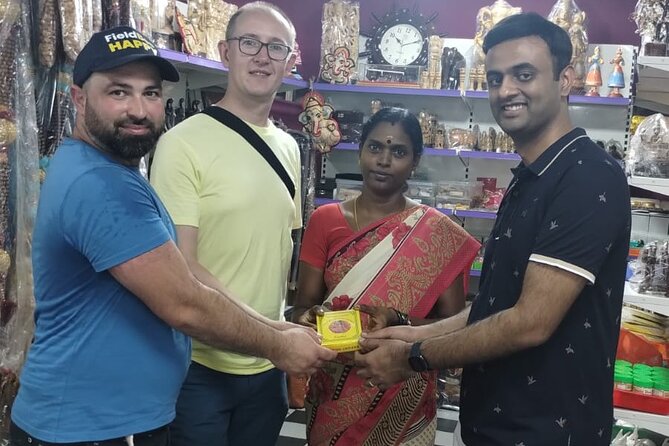
The final named stop is the Armenian Church, about 30 minutes with admission included. You’ll also pass the street where Armenian refugees set up trade for silk, spices, and gems roughly 300 years ago.
This is where the George Town story stops being only English-Portuguese-British and becomes multi-community. It’s a reminder that ports are magnets. If ships come in, people come in—families, merchants, craftsmen, and faith communities looking to make a living and build stability.
The church itself is described as unique, and the visit is meant to feel personal. I like ending here because it rounds out the narrative: you started with a fortress and the machinery of power, and you end with a community shaped by migration and trade.
If you’re the type who enjoys small details, watch for how the guide connects the street trading history to what you see inside the church. That linking is where the time feels “worth it,” even if the church stop itself is not long.
Pacing That Works: Three Hours, Two Ticketed Stops, and Real Attention
At about 3 hours, this walk is long enough to matter but short enough to keep your brain from turning into soup. The tour is designed for more personal attention on a small-group format with a maximum of 15 people.
You also get a neat mix of experiences:
- indoor time with admission (Fort St. George museum and Madras High Court)
- quick stops with free entry (like St Mary’s Church and the lighthouse area)
- longer cultural time at the Armenian Church
This balance matters because it keeps you from doing a full day of only sightseeing outside. The indoor museum and court time add context; the churches and lighthouse sites keep it grounded in place.
There’s also a practical angle: pickup is offered. If you’re not keen on navigating the port area on your own, that reduces stress. And the mobile ticket helps you avoid rummaging for paper when you’re standing near traffic and crowds.
Price and Value: Is $50 Worth a 3-Hour George Town Walk?
The price is $50.00 per person, and the tour is typically booked about 10 days in advance. For me, value here comes from three things:
First, you’re not paying only for a walk. You’re paying for guided storytelling that ties together British settlement, commerce, and later conflict. Second, admission tickets are included for Fort St. George and Madras High Court. Third, the group size (max 15) protects quality; this isn’t a huge bus-style shuffle.
So who gets the best deal? History lovers, people who like understanding the “why” behind architecture, and anyone who wants to see George Town beyond surface photos. If your goal is purely casual urban wandering, you might find the museum and court components too structured. But if you want context, $50 for a guided route with included admissions is a fair bargain.
Practical Tips So You Don’t Waste Time
A few smart moves will make the experience smoother:
- Wear comfortable shoes. You’ll be on foot through multiple sites around the port-and-George-Town corridor.
- Bring water, especially if the day runs warm. The tour relies on good weather, so plan around heat.
- Keep your phone ready for the mobile ticket, since that’s how you check in.
- If you have access needs or you’re unsure you can manage steady walking, go in with expectations set: most people can participate, but the day is still a walking tour.
Who This Tour Suits Best (And Who Might Prefer Something Else)
This heritage walk is a great fit if you like:
- colonial-era foundations explained in plain language
- port-city logic—why trade shaped courts, churches, and forts
- sites with big-name historical connections (Queen Victoria’s decree, East India Company, and a World War I attack story)
- a route that mixes architecture with community history
It may be less ideal if:
- you dislike museum time and prefer only outdoor stops
- you already did a heavy museum day and want zero indoor commitments
- you’re only interested in modern Chennai neighborhoods rather than the origin story of George Town
Should You Book This Georgetown Heritage Walk?
Yes—if your goal is to understand how Chennai’s early English settlement and port trade shaped the city you see today. The blend of Fort St. George’s museum, Madras High Court’s WWI narration, and the Armenian Church’s refugee trade story gives you a rounded picture in just about three hours.
Book it now if you want a guided route that keeps pace under control (small group up to 15) and comes with included admissions at the two biggest sites. Skip or reconsider if you’re museum-saturated already and you know the indoor portions might feel like filler.
FAQ
Where does the tour start and end?
The tour starts at Chennai Port Trust, with the meeting point listed as CHENNAI PORT37MV+M95. It ends in George Town, Chennai, Tamil Nadu.
How long is the Georgetown heritage walking tour in Chennai?
It’s about 3 hours (approximately).
What does the tour cost?
The price is $50.00 per person.
Is pickup offered?
Yes, pickup is offered.
What is the group size?
The tour has a maximum of 15 travelers.
Are any admissions included?
Admission tickets are included for Fort St. George and Madras High Court. St Mary’s Church has free admission, and the other listed stops are free.
What happens if weather is poor or I need to cancel?
The experience requires good weather. If it’s canceled due to poor weather, you’ll be offered a different date or a full refund. You can cancel up to 24 hours in advance for a full refund.